Livi Machinery: Making Modern Poultry Farming Easy

Poultry Farming Articles and Practical Guides

Optimizing Automated Egg-Laying Equipment: Capacity and Efficiency Comparison for 5,000 to 30,000-Bird Poultry Farms

This study explores the selection criteria for automated poultry equipment suitable for commercial layer farms with capacities ranging from 5,000 to 30,000 birds. It analyzes the adaptability of H-type tiered cages across varying farm sizes and compares traditional versus intelligent egg collection systems in terms of efficiency and maintenance convenience. Emphasizing compliance with ISO9001, ISO14001, and CE certification standards, the research highlights key factors including material durability, ventilation and temperature control, and real user feedback. By providing actionable technical guidance, the study demonstrates how selecting the right equipment can boost farm productivity and reduce labor costs by over 30%. The findings also stress the importance of lifecycle cost evaluation, optimized automation configurations, and comprehensive after-sales services for sustainable gains.

Choosing Commercial Layer Chicken Cage Systems by Farm Size (5,000–30,000): ISO/CE Compliance and Automation Guide

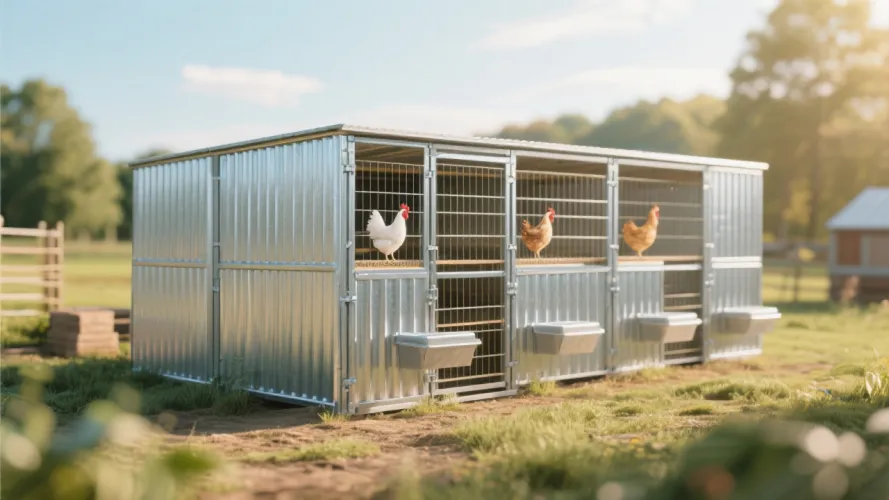
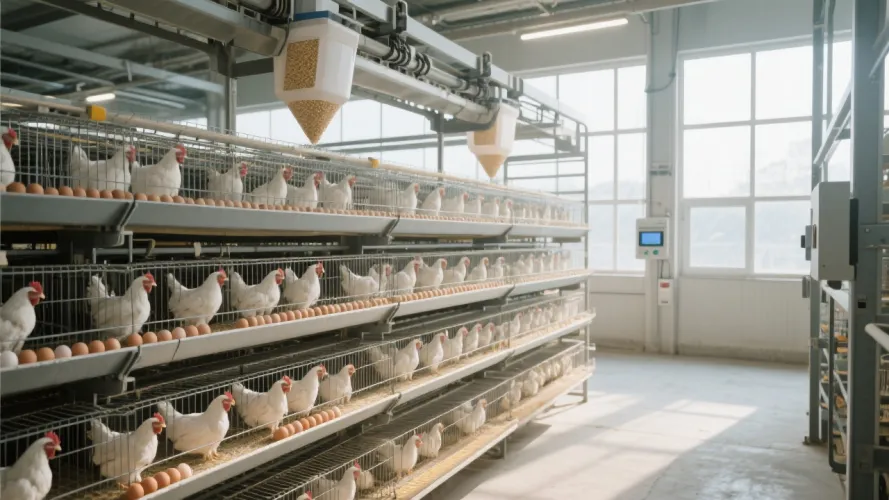
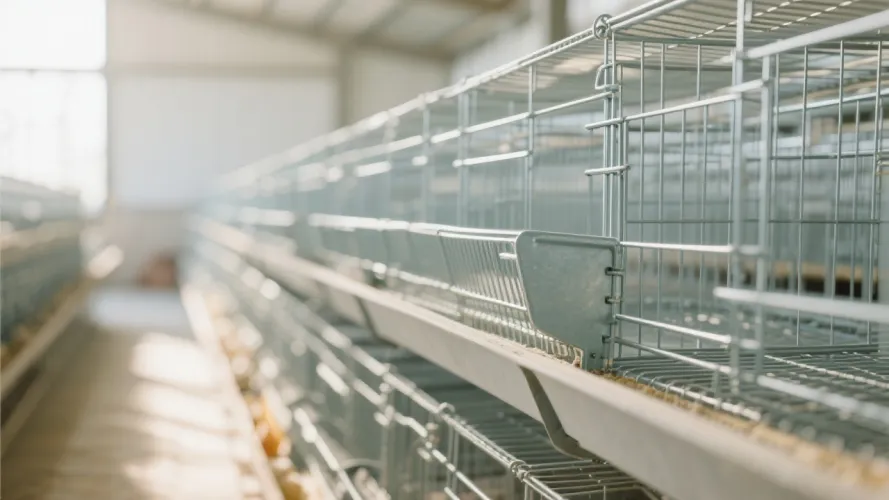
Selecting the right commercial layer chicken cage system is a decision that directly affects labor efficiency, flock health, and long-term operating stability—especially in the 5,000–30,000 bird range where farms often outgrow manual routines but are not yet fully industrial. This guide helps you match equipment configuration to your capacity and management style, focusing on real-world concerns such as high labor input, short service life, and poor ventilation that can reduce productivity. You will learn what ISO 9001, ISO 14001, and CE compliance can realistically indicate (quality management, environmental responsibility, and safety/conformity), and how to use these standards as practical screening tools rather than marketing labels. The guide also explains material and corrosion-resistance choices—such as Q235 steel with hot-dip galvanizing—for durability and easier maintenance. From small farms needing flexible deployment to larger operations prioritizing integrated automation, the article breaks down when automated egg collection and manure removal systems deliver measurable gains, what design details make them maintainable, and how proper configuration can reduce labor needs by 30% or more. It also highlights why after-sales technical response time matters to uptime and return on investment, supported by anonymized user feedback and suggested comparison tables to clarify decision paths.

Unveiling the Design Principles of Automated Egg Collection Systems: Key Technologies for Boosting Laying Hen Farming Efficiency

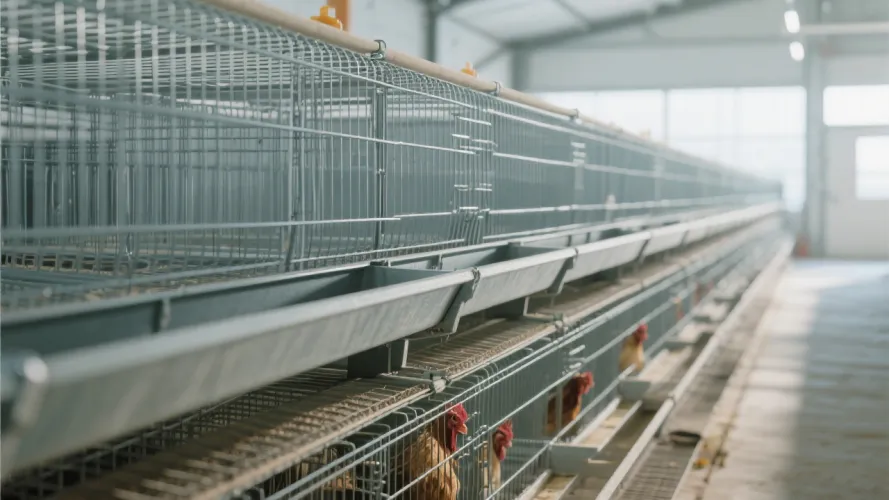
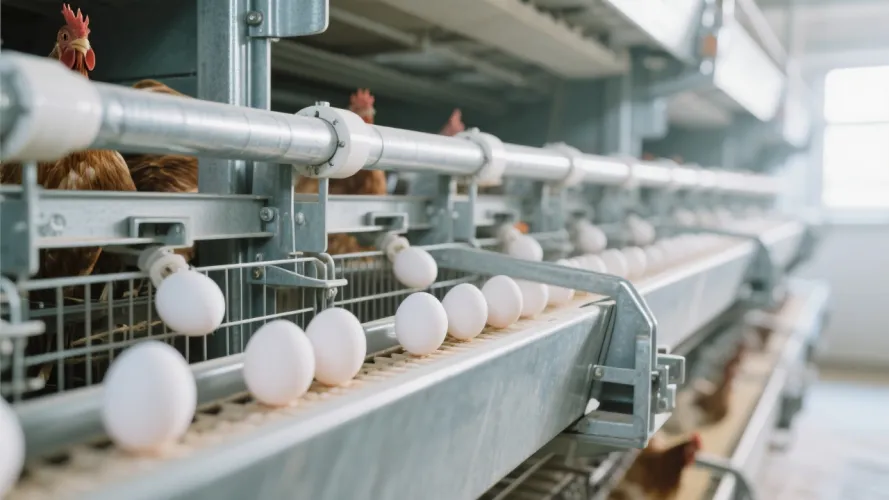
Discover the design principles of the automated egg collection system for H-type layer chicken cages! From the roller collection belt, induction recognition module to the intelligent sorting logic, this article details how to achieve a 30% increase in daily egg collection volume, a 50% reduction in breakage rate, and a 60% decrease in labor costs. Combining real farm cases and practical problem solutions, it helps you scientifically upgrade the farming process and embrace the new era of efficient, intelligent, and sustainable modern laying hen production.

How Galvanized + Aluminum-Zinc Alloy Coatings Extend the Lifespan of Laying Hen Cages: An In-Depth Analysis of Anti-Corrosion Mechanisms (with Measured Data from Humid Southern vs. Cold Northern Regions)

Why do your laying hen cages corrode severely in less than 5 years? How do galvanized and aluminum-zinc alloy coatings work together to prevent corrosion and extend the equipment lifespan to 15 - 20 years? This article delves deep into the electrochemical protection mechanisms and the principle of passive film formation of these two metal treatment processes. By comparing the measured data between the humid southern regions and the cold northern regions, it reveals the key technological barriers of high-quality breeding equipment. Practical detection methods and maintenance cycle suggestions are also provided to help farmers make scientific selections, reduce replacement costs, and enhance long-term breeding benefits.

Comprehensive Guide to Automated Laying Hen Cage System Installation and Key Technical Challenges

Looking to master the installation and commissioning of automated laying hen cage systems quickly? This guide walks you through every critical step—from track alignment and motor tuning to sensor calibration—with detailed troubleshooting for common issues like egg jams and manure belt misalignment. Drawing from frontline technical experience, it helps you avoid early planning pitfalls and ensures a smooth transition from manual to fully automated operations, unlocking true labor efficiency. Whether you're managing a small to medium farm or operating equipment, this practical guide enhances your poultry farming productivity.

Aluminum-Zinc Alloy Coating Enhances Corrosion Resistance of Chicken Cages in High-Humidity, High-Ammonia Environments

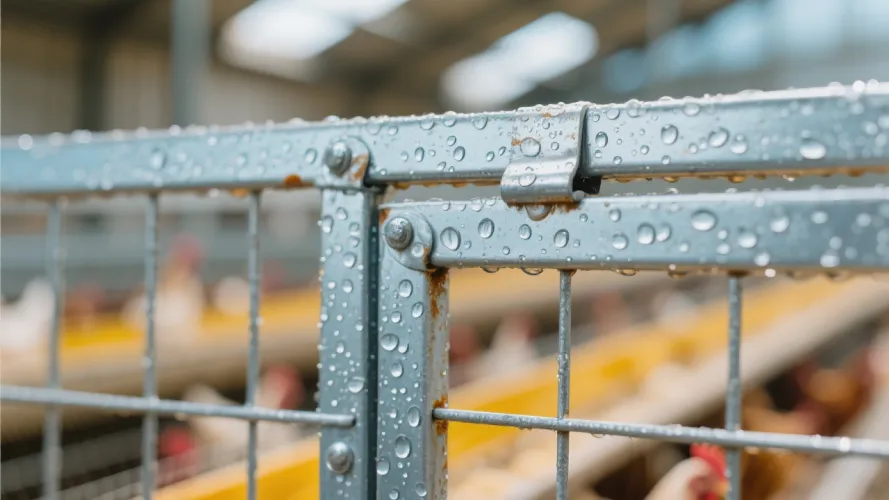
In humid and ammonia-rich poultry farming conditions, chicken cage corrosion significantly impacts equipment lifespan and operational efficiency. This article reveals how aluminum-zinc alloy coating improves corrosion resistance through superior adhesion and protective performance—real-world data shows a 5–8 year extension in service life compared to traditional hot-dip galvanized cages. Supported by multi-farm case studies, it compares rust rates, maintenance frequency, and replacement costs across coating types. Practical cleaning and inspection guidelines are also provided to reduce total operating costs and boost productivity—ideal for southern regions or enclosed sheds. Discover why investing in durable coatings matters now.

How Aluminum-Zinc Alloy Coating Resists High-Humidity and High-Ammonia Environments: Revealing the Measured Data of Laying Hen Cage Anticorrosion Technology

In the high-humidity and high-ammonia breeding environment, the corrosion of laying hen cages has long troubled farmers. This article delves into how the aluminum-zinc alloy coating effectively extends the service life of laying hen cages by 5 - 8 years through its excellent corrosion resistance and adhesion, far exceeding the traditional hot-dip galvanizing process. Based on the measured data comparison from multiple farms, the aluminum-zinc alloy coating performs better in the humid southern regions or closed chicken coops, significantly reducing the maintenance frequency and replacement costs. The article also provides key points for daily cleaning and inspection to help users maximize the equipment life and improve operational efficiency - truly achieving 'more worry-free anti-corrosion and more profitable chicken farming'.

Enhancing Layer Hen Cage Durability with Aluminum-Zinc Alloy Coatings in High Humidity and Ammonia Environments

Severe corrosion in layer hen cages caused by high humidity and ammonia concentrations significantly reduces equipment lifespan and impacts production efficiency in poultry farming. This article provides an in-depth explanation of the corrosion resistance mechanisms of aluminum-zinc alloy coatings and compares their performance against traditional coatings such as pure hot-dip galvanizing and powder coating. Based on real-world data from multiple poultry farms, aluminum-zinc alloy coatings extend metal component service life by 5 to 8 years while reducing maintenance frequency and total operational costs. Practical guidelines for routine cleaning and inspection are also outlined to help farmers optimize equipment management and ensure long-lasting, stable production.

In - depth Analysis of the Structural Design of H - type Laying Hen Cages: Key Technologies for Improving Farming Space Utilization

This article conducts an in - depth analysis of the high - efficiency H - type layer hen cages launched by Zhengzhou Livi Machinery. Through a detailed introduction of how its innovative H - type structural design enables vertical stacking and modular layout, it significantly improves the utilization of farming space. The article emphasizes the importance of space optimization in large - scale laying hen farming, and combines the integrated advantages of automated feeding and manure cleaning systems to enhance farming management efficiency and ensure the health of the chicken flock. Through the sharing of practical application cases and configuration suggestions, it helps farmers make scientific selections for farms of different scales. The content covers technical analysis, improvement of farming benefits, and optimization of the farming environment, guiding users to understand and select professional H - type laying hen cage solutions to achieve a dual improvement in farming productivity and benefits.

In - depth Analysis of H - type Laying Hen Cage Structure Design: Key Technologies for Improving Space Utilization and Farming Efficiency

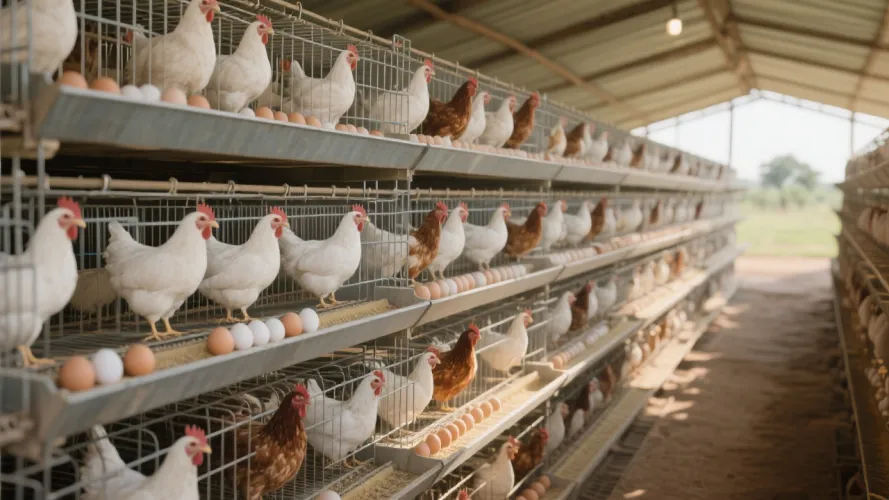
Why has the H - type laying hen cage become the preferred choice for space optimization in modern farms? This article delves into how the H - type structure, through vertical stacking and modular layout, can increase the stocking density per unit area by 20% - 30%, significantly reducing land occupation costs. Combined with practical application cases, it details the advantages of the H - type cage in the integration of automated feeding and manure cleaning systems, as well as the positive impact of inter - layer ventilation design on the health and production efficiency of the chicken flock. It helps farmers make scientific selections and improve farming benefits.

How to Install and Debug Automated Egg Laying Cages: Prevent Belt Misalignment and Egg Jamming

This article provides a comprehensive guide to installing and troubleshooting automated systems for Zhengzhou Livi Mechanical's H-type layer chicken cages. It focuses on preventing common issues like manure belt misalignment and egg jamming during installation, covering key steps such as track positioning, motor calibration, sensor alignment, and system integration testing. Practical tips from field engineers and real-world case studies help small to medium farms transition smoothly from manual to fully automated poultry operations—boosting efficiency and management control.

Aluminum-Zinc Alloy Coating Technology for Poultry Cages: Enhancing Corrosion Resistance and Longevity in High-Humidity Farming Environments

This article provides a comprehensive technical analysis of aluminum-zinc alloy coating applications in poultry cage corrosion protection, supported by real-world data from multiple farms. It compares the performance of aluminum-zinc alloy coatings against traditional galvanized and powder-coated surfaces in terms of corrosion resistance, maintenance frequency, and replacement costs—particularly under high-humidity and high-ammonia conditions common in intensive poultry farming. The study highlights measurable improvements in cage lifespan and cost-efficiency, offering practical cleaning, inspection, and maintenance guidelines tailored to egg-laying systems. With clear visual data and case examples, this guide equips farm operators with evidence-based insights to make informed decisions on durable equipment investment. The findings reinforce the value of advanced corrosion protection technologies for long-term operational reliability and sustainability in modern poultry production.

Frequently Asked Questions

Contact us

Discover the key automation functions of A-type layer cages by Livi Machinery, including automatic feeding, manure removal and egg collection, that elevate hygiene, efficiency and management in poultry farms.

READY TO START?

Ready to Build Your Poultry Farm?

Tell us your land size, poultry type and farming capacity. LIVI will provide a complete farm solution for your project.