


Optimizing Automated Egg-Laying Equipment: Capacity and Efficiency Comparison for 5,000 to 30,000-Bird Poultry Farms

Optimizing Automated Layer Hen Equipment for 5,000 to 30,000 Birds: Efficiency and Compliance Insight
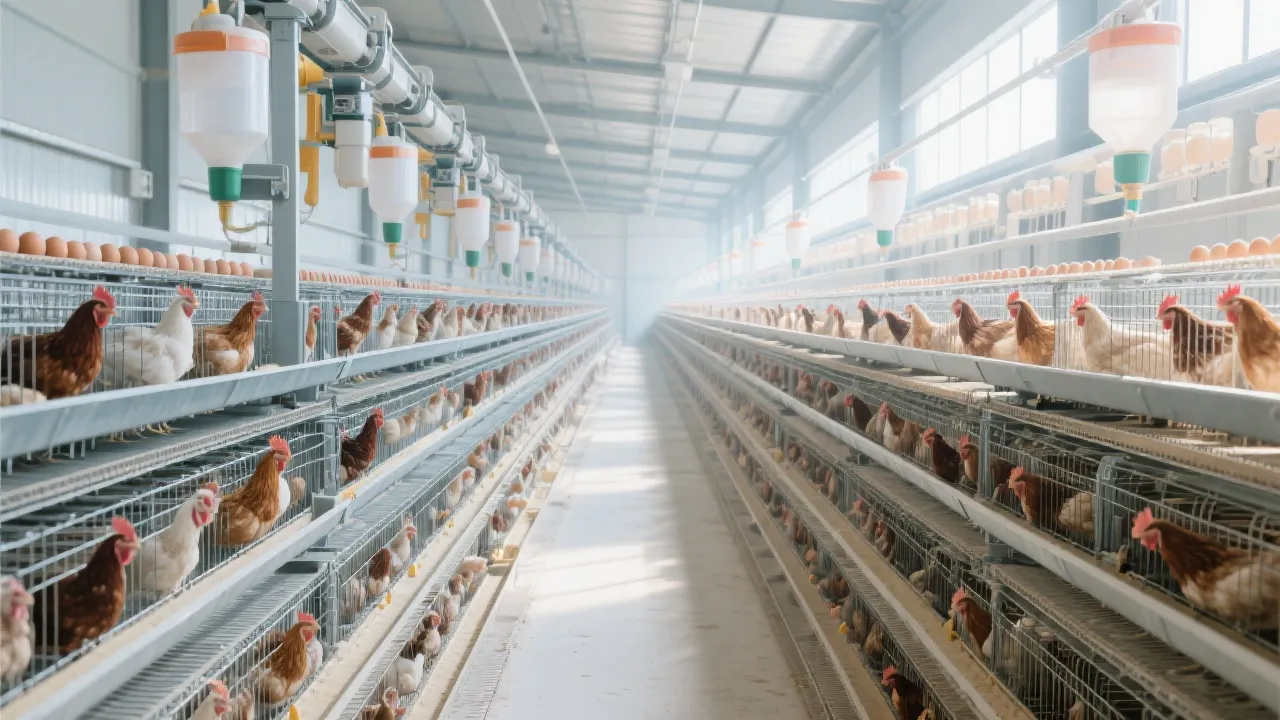
Commercial egg production facilities ranging from 5,000 to 30,000 layer hens face growing pressure to adopt equipment solutions that not only improve efficiency but also comply with international standards and reduce labor dependency. Selecting the right automated poultry system involves a multi-dimensional approach—evaluating material durability, ventilation, environmental control, and the balance between upfront investment and long-term operational costs. This article dissects the critical aspects of automated layer hen cages, focusing primarily on the H-type tiered system, while comparing traditional versus intelligent egg collection systems.
Addressing Core Challenges in Medium to Large Scale Egg Production
The poultry farming industry increasingly contends with key pain points: rising labor costs, equipment wear and tear, and the demand for sustainable farming operations. Farms with 5,000 to 30,000 hens often grapple with manual egg collection inefficiencies that inflate labor-related expenses by up to 40%, while suboptimal ventilation and temperature control can reduce productivity and animal welfare. Implementing automated systems tailored to farm size can reduce human labor by more than 30%, according to aggregated field data, and extend equipment lifespan by optimizing environmental controls.
The Relevance of ISO9001, ISO14001, and CE Certifications in Equipment Selection
International certifications such as ISO9001 (Quality Management), ISO14001 (Environmental Management), and the CE mark (Conformité Européenne) serve as critical benchmarks for evaluating poultry equipment. Beyond regulatory compliance, these certifications ensure that manufacturers maintain consistent quality control, minimize environmental impact, and adhere to stringent safety requirements. For commercial layer operations, investing in certified equipment translates to long-term operational reliability, reduced ecological footprint, and meeting buyer expectations in export markets.
Tailoring Equipment Configuration by Scale: Small Flexibility vs Large Integration
The choice of automated systems must correspond to the scale of operation:
- Small-to-Medium Farms (5,000 - 15,000 Hens): Require flexible, modular systems that facilitate incremental upgrades. H-type tier cages with adjustable ventilation channels and manual override options enable balancing initial cost with scalability.
- Large-Scale Farms (15,000 - 30,000 Hens): Benefit from fully integrated automation encompassing egg collection, manure removal, temperature and humidity controls, and remote monitoring. Such integration enhances operational oversight and maximizes output efficiency.
Intelligent egg collection systems, for instance, reduce egg breakage rates by approximately 25% compared to manual or semi-automatic systems, while streamlining labor with reduced human interaction. Likewise, embedded sensors for ventilation and environmental control maintain optimal cage microclimate, directly correlating with a 5-7% increase in overall egg yield.
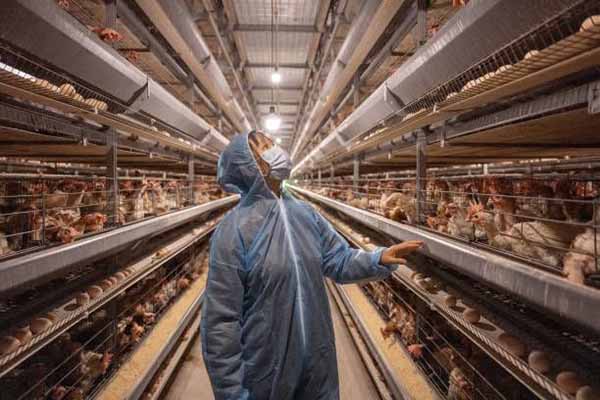
Comparative Analysis of Egg Collection and Manure Cleaning Systems
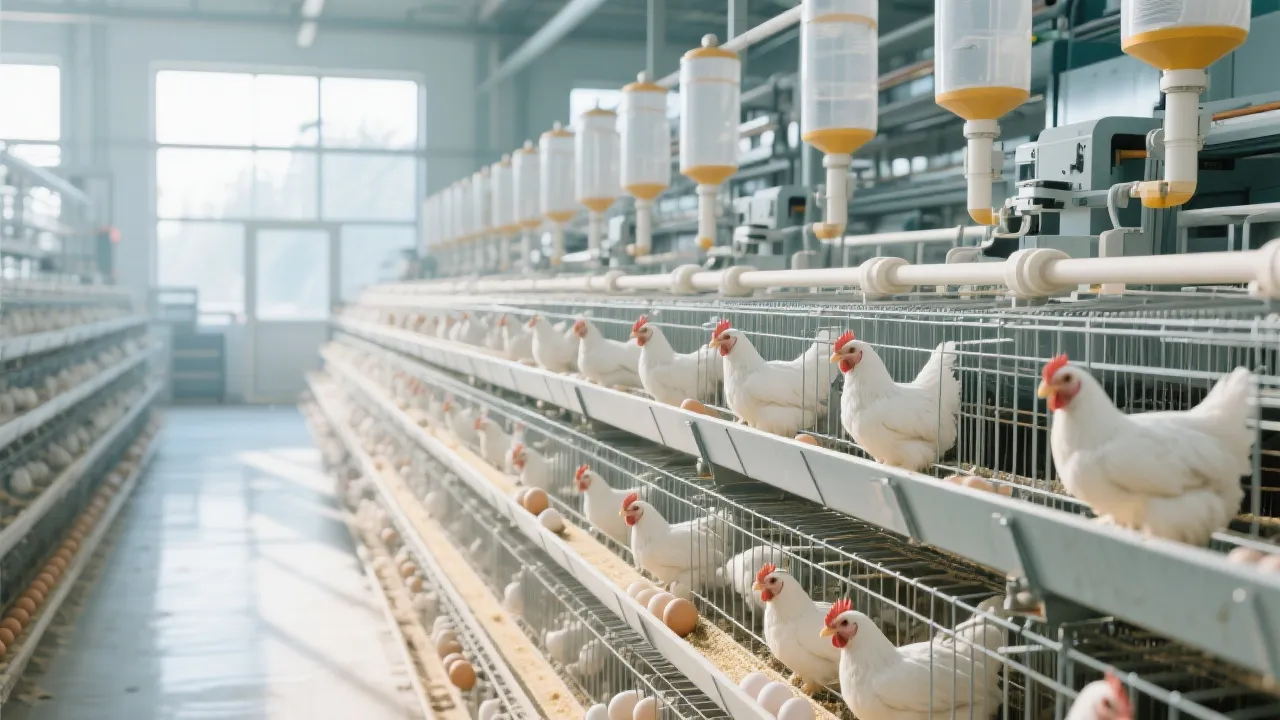
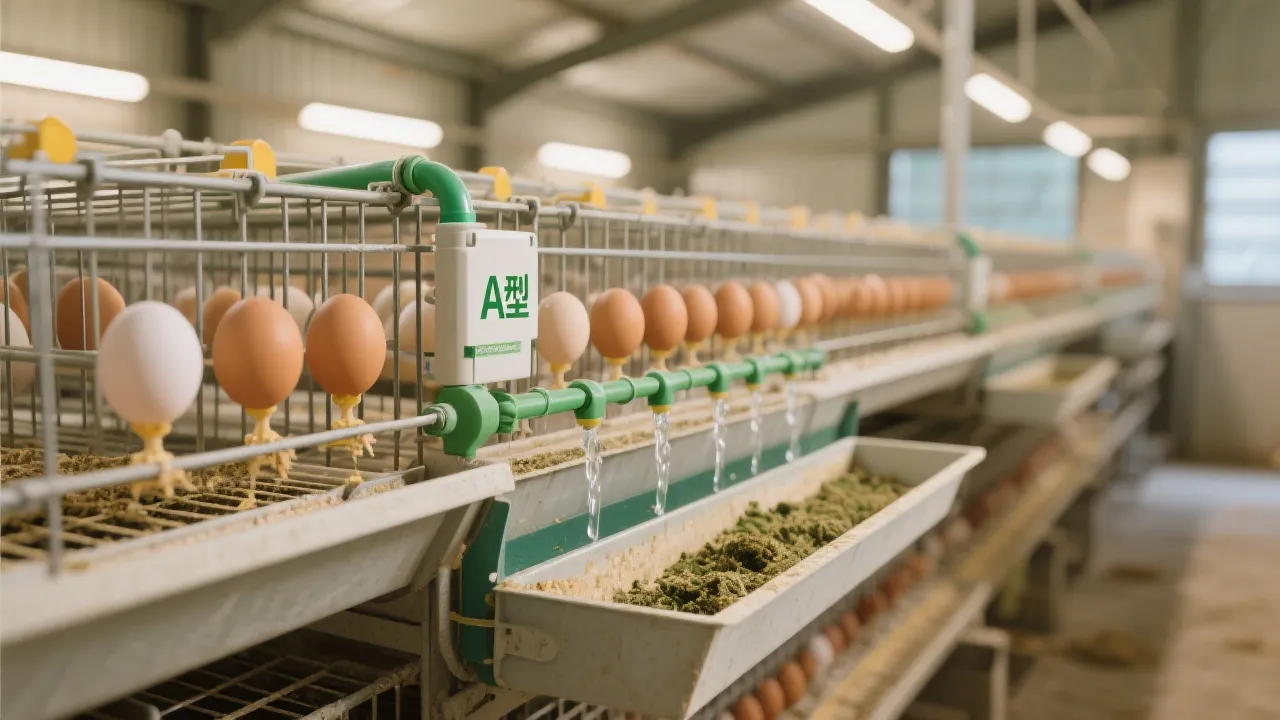
Automated egg collection systems utilize conveyors and sensors to reduce manual labor and contamination risks. Reviewing operational data reveals that automated solutions cut labor requirements in egg harvesting by nearly 35%, and reduce egg loss during collection by over 20%. Conversely, automated manure removal systems, integral to maintaining hygiene, can reduce odor emissions by up to 40%, improving working conditions and aligning with environmental standards.
Ease of maintenance is a decisive factor: modular components and quick-release mechanisms in modern systems reduce downtime by approximately 15%, contributing to consistent production cycles. These factors collectively optimize the farm’s total cost of ownership—a more reliable metric than upfront price alone.
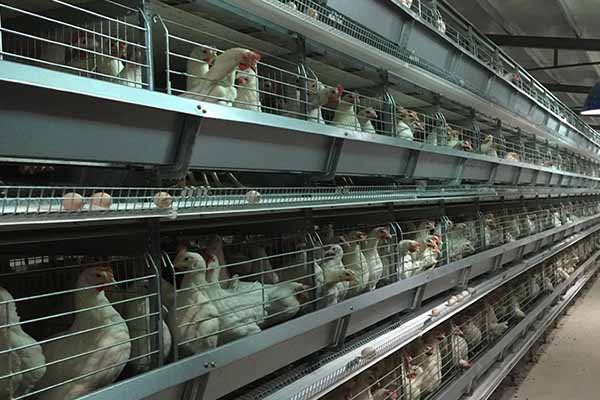
Genuine Insights from User Feedback and Lifecycle Cost Considerations
Analytical feedback from multiple anonymous commercial farms employing the H-type automated cage system indicates a consistent labor reduction of 30%-35% and operational cost savings of around 18% annually when including energy and maintenance expenses. Crucially, farms that prioritized certified equipment reported fewer compliance issues and better resale value.
As a guiding principle, “True quality equipment is not judged by initial price tags but by the long-term returns it generates.” Careful assessment of total lifecycle costs—including installation, depreciation, and after-sales service quality—should underpin procurement decisions. Opting for vendors with transparent service networks ensures smooth problem resolution, preventing critical downtime.





Hot Products

.jpg?x-oss-process=image/resize,m_fill,h_800,w_800/format,webp)


Popular articles






READY TO START?
Ready to Build Your Poultry Farm?
Tell us your land size, poultry type and farming capacity. LIVI will provide a complete farm solution for your project.