


Choosing Commercial Layer Chicken Cage Systems by Farm Size (5,000–30,000): ISO/CE Compliance and Automation Guide

Choosing Commercial Layer Chicken Cage Equipment by Farm Size (5,000–30,000 Birds)
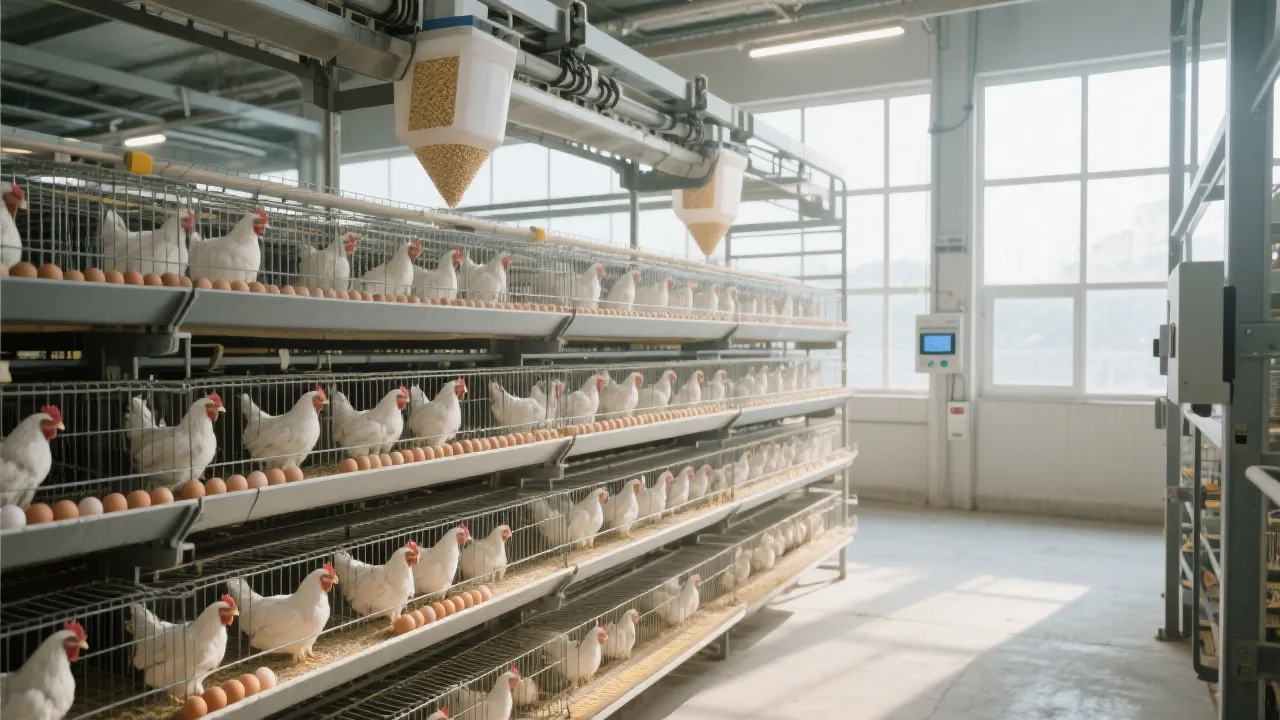
If you’re comparing Commercial Layer Cage Systems, you’re likely trying to solve the same three problems most farms face during expansion: high labor cost, short equipment lifespan, and poor ventilation that quietly reduces egg output. The right selection is less about “buying a cage” and more about building a reliable, compliant production line—scaled to your bird count and your management capacity.
1) Start With a Clear “Scale-to-System” Logic (Not a Spec Sheet)
In the 5,000–30,000 bird range, the biggest mistake is copying a large-integrated farm setup into a mid-size operation—or staying too manual while your flock grows. A practical way to decide is to tie your equipment choice to daily workflow stability: egg collection time, manure removal rhythm, and the number of people needed to keep the house clean and predictable.
Quick self-check (use this before requesting quotations)
- How many workers do you want per 10,000 layers? Typical target: 1–2 with proper automation.
- Do you need future expansion? If yes, prioritize modular cage blocks and compatible automation interfaces.
- What’s your maintenance capability? If your team is small, choose simpler conveyors and easy-access tensioning points.
- What compliance pressure do you face (export, audits, insurance)? If high, treat CE + documented QA as a baseline.
2) ISO9001, ISO14001 & CE: What They Actually Protect You From
Many buyers hear “ISO/CE” and think it’s a marketing badge. In commercial poultry equipment, these standards reduce very real risks: unexpected downtime, inconsistent fabrication quality, safety hazards, and environmental non-compliance—issues that become expensive only after you’re already in production.
ISO 9001 (Quality Management)
Helps ensure repeatable production quality: consistent wire spacing, weld strength, coating thickness, and traceable QC steps. For you, that often means fewer “hidden defects” that show up as broken welds, misaligned rails, or premature rust.
ISO 14001 (Environmental Management)
Relevant if you must meet environmental audits or local regulations. It signals documented control over emissions, waste handling, and production processes— which often aligns with better support documentation for manure handling and system lifecycle.
CE (Safety & Compliance for Machinery/Components)
Particularly important for motors, control cabinets, moving conveyors, sensors. CE-aligned designs typically pay more attention to guarding, emergency stops, electrical safety, and risk assessment. If you’re scaling automation, this matters more each year.
3) Material & Coating: The Quiet Difference Between 5 Years and 15+ Years
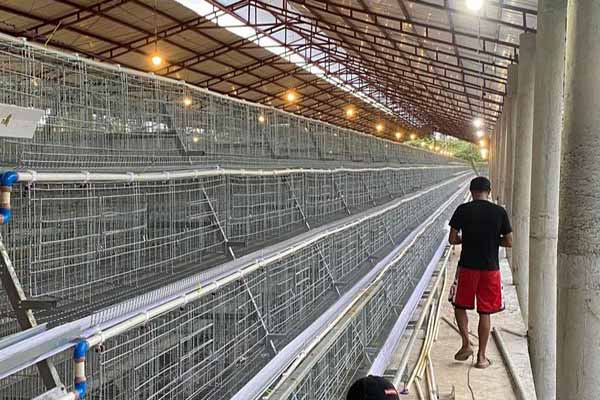
In layer houses, corrosion is relentless: ammonia, humidity, wash-down practices, and manure gases will punish weak coating systems. For cages, frames, and key load-bearing parts, look for Q235 steel paired with hot-dip galvanizing rather than thin electro-galvanized coatings.
Comparison table: coating choices that impact ROI
| Item | Typical performance in poultry houses | What to ask your supplier |
|---|---|---|
| Hot-dip galvanized (HDG) | Thicker zinc layer; commonly supports 10–20+ years with proper operation and cleaning | Zinc layer thickness range (e.g., ≥ 275 g/m²), process control, salt-spray reference |
| Electro-galvanized | Lower coating thickness; can show rust earlier under high ammonia/humidity conditions | Coating thickness, where it’s used (non-critical vs critical parts) |
| Q235 structural steel | Stable and widely used for frames; strength depends on design + welding quality | Weld method, QC records, load calculations for multi-tier systems |
| Stainless (select components) | Great in high-corrosion touch points; cost-sensitive, so best used strategically | Which parts are stainless (drinkers, fasteners, key brackets), grade selection |
If you want a simple rule: prioritize HDG on the cage body and structural frame, then optimize the rest based on budget and maintenance habits. When buyers complain about “short lifespan,” it’s often coating + workmanship, not the concept of cages.
4) Size-Based Recommendations: 5,000 vs 30,000 Birds Need Different Automation Choices
The goal isn’t to automate everything—it’s to automate what creates bottlenecks. Here’s a practical sizing guide for layer chicken cage equipment selection in the commercial range.
Recommended configuration by capacity
5) Do Egg Collection and Manure Removal Really Save Labor? Yes—If You Check These Details
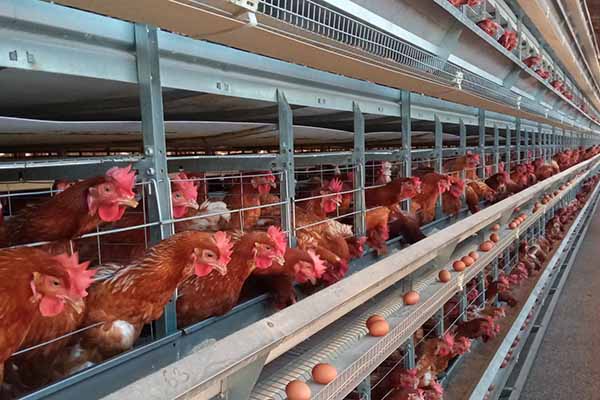
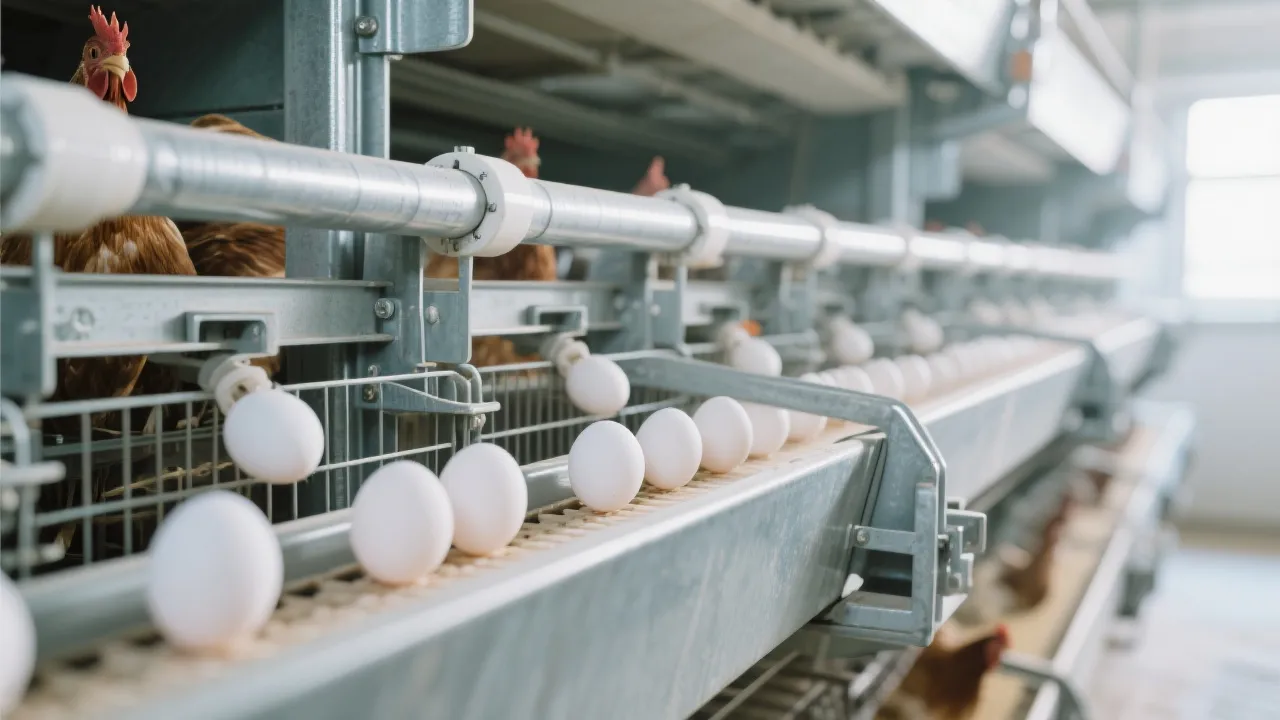
Automation can realistically reduce labor input by 30% or more compared with fully manual collection and cleaning in the same capacity range— but only when the system is designed for easy cleaning, stable tensioning, and low jam frequency. In practice, your savings come from fewer daily repetitive tasks and more consistent routines.
Maintenance-focused checklist (what experienced buyers ask)
- Egg belt alignment & tension: Are tensioners accessible without disassembling guards?
- Transfer points: Are there anti-crack guides to reduce egg breakage at corners and drops?
- Manure belt material: Is it suitable for high ammonia and temperature swings, and easy to wash?
- Drive motor protection: Is there overload protection and an emergency stop within reach?
- Spare parts availability: How fast can you get belts, bearings, and sensors in peak season?
If you want a realistic expectation: in a 20,000-layer house, moving from manual to automated egg collection plus manure belts commonly shifts staffing from around 6–7 workers to 4–5 for routine operations (exact numbers vary with shift length and cleaning standards). The real payoff is not only fewer people—but fewer days where “everything falls behind.”
6) Ventilation & Layout: The “Invisible” Profit Lever Many Cage Buyers Miss
Poor airflow increases ammonia concentration, stresses birds, and creates wet zones that accelerate corrosion. Even the best cage coating will suffer if the house layout traps heat and humidity. Before finalizing cage dimensions, confirm the ventilation plan matches your density.
A practical ventilation decision flow (for cage planning)
Step 1: Confirm bird density and tier count → higher tiers need more consistent air movement.
Step 2: Match inlets/fans to airflow path → avoid dead zones behind cage rows.
Step 3: Verify manure belt schedule + drying → drier manure means lower ammonia load.
Step 4: Finalize aisle widths for cleaning/inspection → airflow and maintenance both improve.
If your supplier can’t discuss ventilation coordination and daily manure belt operation timing, treat it as a red flag. Cage equipment and ventilation are a single system in real production.
7) Real-World Feedback: What Farms Notice After Installation
The most useful feedback from commercial farms is rarely “it looks strong.” It’s about whether the system stays stable after weeks of dust, vibration, feed spills, and routine cleaning.
“After switching to an automated egg belt and manure belt setup, our daily routine became predictable. We cut manual handling time by about 30–35%, and cleaning is easier because the manure doesn’t build up under the cages. The best part is fewer emergency ‘catch-up’ days.”
— Anonymous layer farm operator, 18,000 birds (shared as operational feedback)
8) After-Sales Support: The Difference Between “Installed” and “Running Smoothly”
For commercial cage systems, response speed and parts readiness matter as much as steel thickness. A delayed sensor replacement or belt issue can cascade into egg breakage, hygiene problems, and labor spikes. When you evaluate suppliers, ask for clear service commitments—not vague promises.
What to request (simple but powerful)
- Installation guidance: remote + on-site options, plus commissioning checklist.
- Standard spare parts list for your capacity (belts, bearings, sensors, fasteners).
- Target response time for technical questions (e.g., within 24 hours on working days).
- Documentation package: drawings, wiring diagrams, maintenance SOPs, and training notes.







Hot Products

.jpg?x-oss-process=image/resize,m_fill,h_800,w_800/format,webp)


Popular articles




READY TO START?
Ready to Build Your Poultry Farm?
Tell us your land size, poultry type and farming capacity. LIVI will provide a complete farm solution for your project.