Livi Machinery: Making Modern Poultry Farming Easy

Poultry Farming Articles and Practical Guides

What Factors Affect the Lifespan of Chicken Cages? How to Choose Durable Farm Equipment?

The lifespan of egg-laying chicken cages is influenced by material quality, surface treatment, and environmental conditions. This article explores how Q235 steel combined with hot-dip galvanizing and aluminum-zinc alloy coating creates a superior corrosion-resistant system—outperforming standard treatments in real-world farm settings. With data-driven comparisons, expert insights from poultry engineers, and practical maintenance tips, you’ll learn to identify high-quality cages and extend equipment life by up to 15–20 years. Reduce downtime, lower long-term costs, and ensure stable production through informed equipment selection.

Why Do Chicken Cages Have Short Lifespans? Key Factors Explained: Material, Coating, and Environmental Impact

The lifespan of poultry cages directly affects long-term farm costs and production efficiency. This article systematically analyzes three critical factors influencing cage durability—material quality, anti-corrosion treatment, and environmental conditions—using real-world case studies and expert insights. It highlights how premium Q235 steel combined with advanced hot-dip galvanizing and aluminum-zinc alloy coating can significantly extend cage life in high-humidity, ammonia-rich environments. Practical maintenance tips and industry data support a comprehensive strategy for selecting and maintaining durable egg-laying equipment, helping farmers optimize ROI and operational stability.

High-Quality H-Type Chicken Cage Structure and Corrosion Resistance Performance for Export-Oriented Poultry Farming Upgrades

This article provides an in-depth analysis of Zhengzhou Livi Machinery's efficient H-type layer chicken cages, focusing on structural optimization and the corrosion resistance of high-strength Q235 steel. It explains how enhanced space utilization, ventilation and temperature control advantages, and automation-friendly design contribute to improved operational efficiency in large-scale egg-laying farms. Supported by industry standards and real-world case data, this guide offers scientific selection criteria and optimization strategies to support technological advancement in export-focused poultry farming—boosting both productivity and animal welfare.

Egg Chicken Cage Materials and Anti-Corrosion Technology: How to Choose Durable Farm Equipment?
Egg Chicken Cage Materials & Anti-Corrosion Tech Guide | Improve Farm Equipment Longevity

This article explores the key factors influencing the durability of egg chicken cages, focusing on material selection, composite anti-corrosion processes, and maintenance practices. Through in-depth analysis of Q235 steel properties and the effectiveness of hot-dip galvanizing versus aluminum-zinc alloy coatings, combined with real-world industry case studies, it helps farmers assess equipment lifespan risks objectively. Practical maintenance tips and expert insights are provided to extend cage life, reduce long-term costs, and ensure stable production—supporting efficient, healthy poultry farming operations.

Why Does Your Poultry Farm Suffer Frequent Disease Outbreaks? The Role of Automated Manure Removal Systems in Ammonia Control and Respiratory Disease Prevention

Are frequent disease outbreaks plaguing your poultry farm? The root cause may lie in manure management. This article explores how automated manure removal systems effectively reduce ammonia levels, improve air quality, and lower the risk of respiratory diseases, thereby supporting the healthy growth of laying hens. Featuring real farm case studies and technical data, we reveal strategies to optimize the entire process from feeding to manure clearance. Discover the key to achieving modern farming goals of labor savings, higher production, and disease reduction.

Key Factors in Poultry Cage Lifespan: Steel Selection and Anti-Corrosion Technology Guide

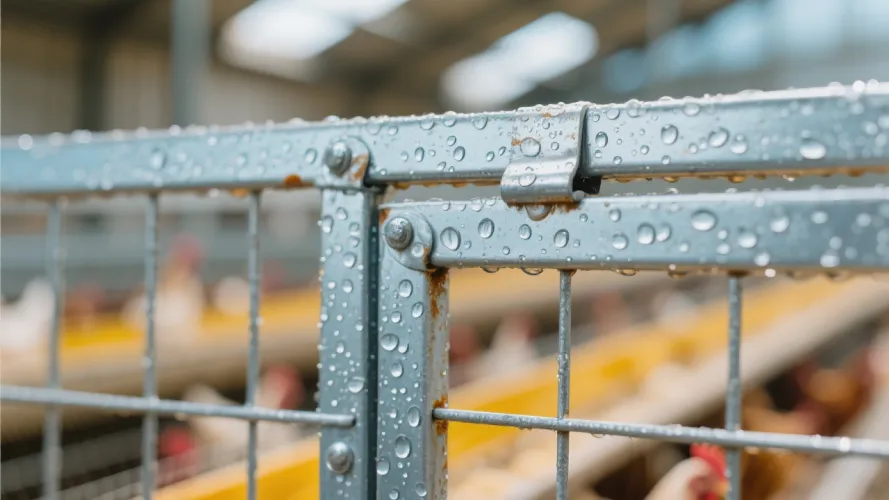
The durability of poultry cages is heavily influenced by steel material quality and corrosion protection methods. This article explores the performance advantages of Q235 steel, compares hot-dip galvanizing and aluminum-zinc alloy coating mechanisms, and highlights practical maintenance strategies such as joint inspections and drainage channel cleaning. Backed by real-world case studies showing 15–20 year service life, this guide helps poultry farmers make informed decisions to reduce replacement costs and improve ROI—ideal for producers evaluating cage longevity and operational efficiency.

Analysis of Factors Affecting the Service Life of Laying Hen Cages: How Q235 Steel and Anti - Corrosion Processes Determine 15 - 20 Years of Durability?
Analysis of Factors Affecting the Service Life of Laying Hen Cages: The Role of Q235 Steel and Anti - Corrosion Processes in Ensuring 15 - 20 Years of Durability

Why can the service life of laying hen cages reach 15 - 20 years? This article deeply analyzes how Q235 steel and the anti - corrosion process of hot - dip galvanizing plus aluminum - zinc alloy coating work together to resist moisture, acid - base corrosion, and daily wear. From material properties to surface treatment technology, and then to practical maintenance suggestions, it helps farmers scientifically evaluate the equipment life, reduce replacement costs, and improve the return on investment in farming.

How Q235 Steel and Hot-Dip Galvanizing Extend the Lifespan of Poultry Cages in Egg Production

This article explores the key factors influencing the lifespan of egg chicken cages, with a focus on the use of Q235 steel and hot-dip galvanizing and aluminum-zinc alloy coating technologies by Zhengzhou Livi Machinery. It explains how these materials and processes significantly enhance durability, reduce operational costs, and improve long-term ROI for poultry farmers. Practical maintenance guidelines—including connection point inspections and drainage channel cleaning—and real-world case studies from Livi’s products demonstrate proven results. Designed for both technical insight and actionable advice, this guide supports informed decision-making in farm equipment investment and upkeep.

Factors Affecting the Lifespan of Chicken Cages: How Q235 Steel and Anti-Corrosion Coatings Ensure Long-Term Durability

This article explores the key factors influencing the lifespan of poultry cages, with a focus on the structural advantages of Q235 steel and the effectiveness of hot-dip galvanizing and aluminum-zinc alloy coating technologies. By selecting high-quality materials and applying advanced surface treatments, chicken cages can achieve a reliable service life of 15–20 years. Practical maintenance tips—such as regular joint inspections and drainage channel cleaning—are also provided to extend equipment longevity. Real-world case studies validate the impact of proper material choice and upkeep, helping farmers reduce operational costs and maximize return on investment. The content is technically sound yet accessible, offering actionable insights for poultry producers worldwide.

How the H-shaped Layered Hen Cage Structure Enhances Space Utilization in Medium and Large-scale Poultry Farms: Technical Analysis and Application Advantages
H-shaped Layered Hen Cage: Boosting Space Utilization in Medium and Large-scale Poultry Farms - Technical Insights and Benefits

How can the H-shaped layered hen cage enhance space utilization in medium and large-scale poultry farms? This article delves into the technical advantages of the H-shaped structure in terms of load-bearing stability, ventilation and lighting optimization, and automated management. By comparing with traditional flat cages, it reveals the core values of reducing floor space occupation by over 30%, lowering labor costs, and increasing egg production rates. Supported by real farm cases and data, it assists poultry farmers in making scientific decisions to build efficient and sustainable modern chicken farms.

Why is the H-shaped Layered Hen Cage Structure the Optimal Space Utilization Solution for Medium and Large-scale Poultry Farms?

This article delves into why the H-shaped layered hen cage structure stands out as the best space utilization solution for medium and large-scale poultry farms. It analyzes how the H-shaped design optimizes space layout, enhances ventilation and lighting efficiency, and improves automation management to maximize stocking density and minimize labor costs. By integrating real farm cases and technical data, it reveals the core advantages of this structure in modern large-scale poultry farming. Not only does it save over 30% of floor space, but it also significantly improves flock health and egg production rates, making it the preferred choice for efficient operation in commercial poultry farms.

Automated Feeding and Egg Collection Frequency Optimization: A Precision Management Solution for Layer Chicken Farms

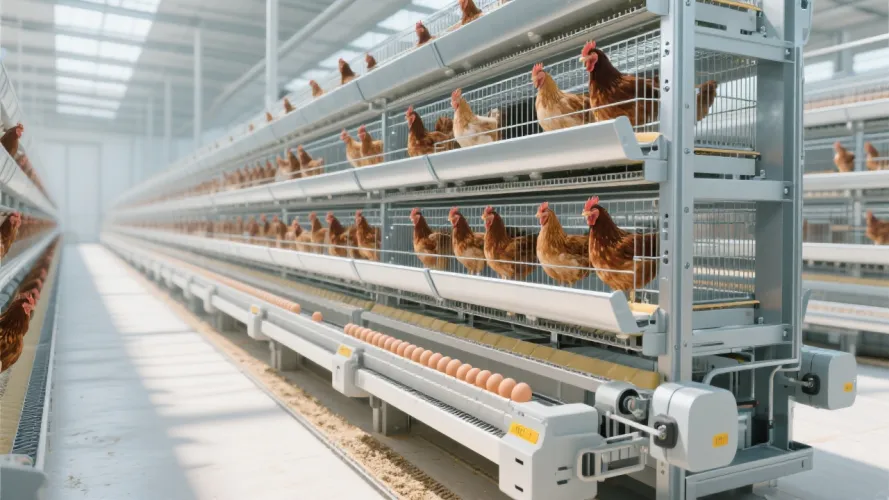
How can automated feeding systems and adjustable egg collection frequency improve layer chicken farm efficiency? This article explores how H-type layer cages optimize feed rhythm, enhance egg collection efficiency, and integrate manure removal to reduce ammonia levels—boosting flock health and egg quality. Real-world insights from farm operators reveal measurable reductions in labor needs, stress-related issues, and cracked eggs (up to 15% less), while improving hygiene and productivity. Ideal for farmers seeking data-driven, low-labor, high-output poultry operations. Discover how smart automation supports sustainable, scalable egg production.

Frequently Asked Questions

Contact us

Discover the key automation functions of A-type layer cages by Livi Machinery, including automatic feeding, manure removal and egg collection, that elevate hygiene, efficiency and management in poultry farms.

READY TO START?

Ready to Build Your Poultry Farm?

Tell us your land size, poultry type and farming capacity. LIVI will provide a complete farm solution for your project.