


What Factors Affect the Lifespan of Chicken Cages? How to Choose Durable Farm Equipment?

Why Does Your Poultry Cage Life Matter More Than You Think?
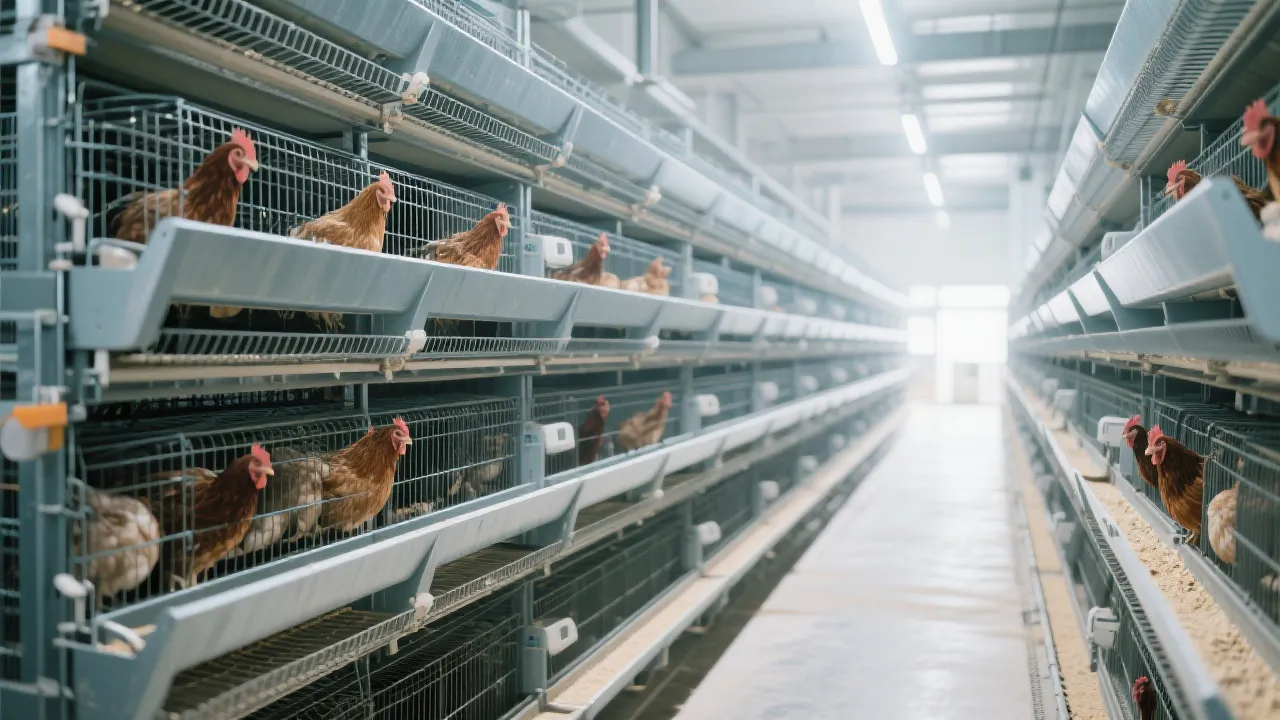
If you're managing a commercial layer farm, the lifespan of your egg-laying cages isn’t just a maintenance detail—it’s a direct impact on your ROI, flock health, and operational stability.
The Hidden Cost of Cheap Cages
Many farms replace cages every 5–6 years due to rust, deformation, or failed welds. But here's what most don't realize: poor cage durability leads to higher labor costs, reduced productivity, and even disease spread from damaged perches or uneven floors.
| Treatment Method | Expected Lifespan (Years) | Corrosion Resistance Level |
|---|---|---|
| Plain Galvanized Steel | 6–8 | Low (prone to white rust in humid environments) |
| Hot-Dip Galvanized + Al-Zn Alloy Coating | 15–20+ | High (up to 3x better than standard galvanizing) |
Three Factors That Decide Cage Longevity
It’s not just about how thick the steel is—it’s how it’s protected and maintained.
1. Material Quality: Why Q235 Matters
Q235 carbon steel offers an optimal balance between strength and cost-effectiveness for poultry housing. It’s widely used in certified agricultural equipment globally—not because it’s cheap, but because it performs consistently under stress.
2. Surface Protection: The Real Game-Changer
A single-layer zinc coating might look fine at first—but after 18 months in a high-ammonia environment like a broiler house, it starts pitting. That’s where dual-layer protection comes in: hot-dip galvanizing followed by an aluminum-zinc alloy topcoat provides up to 70% more corrosion resistance over time.
3. Environmental Conditions & Installation Practices
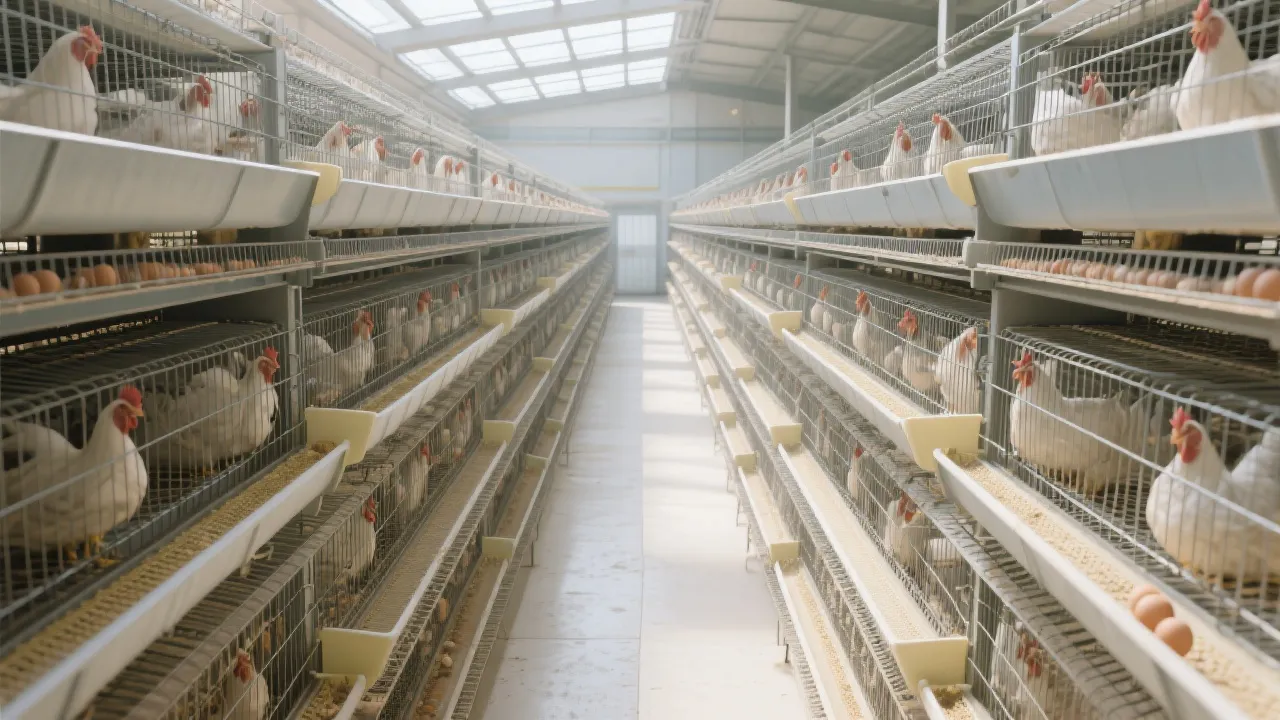
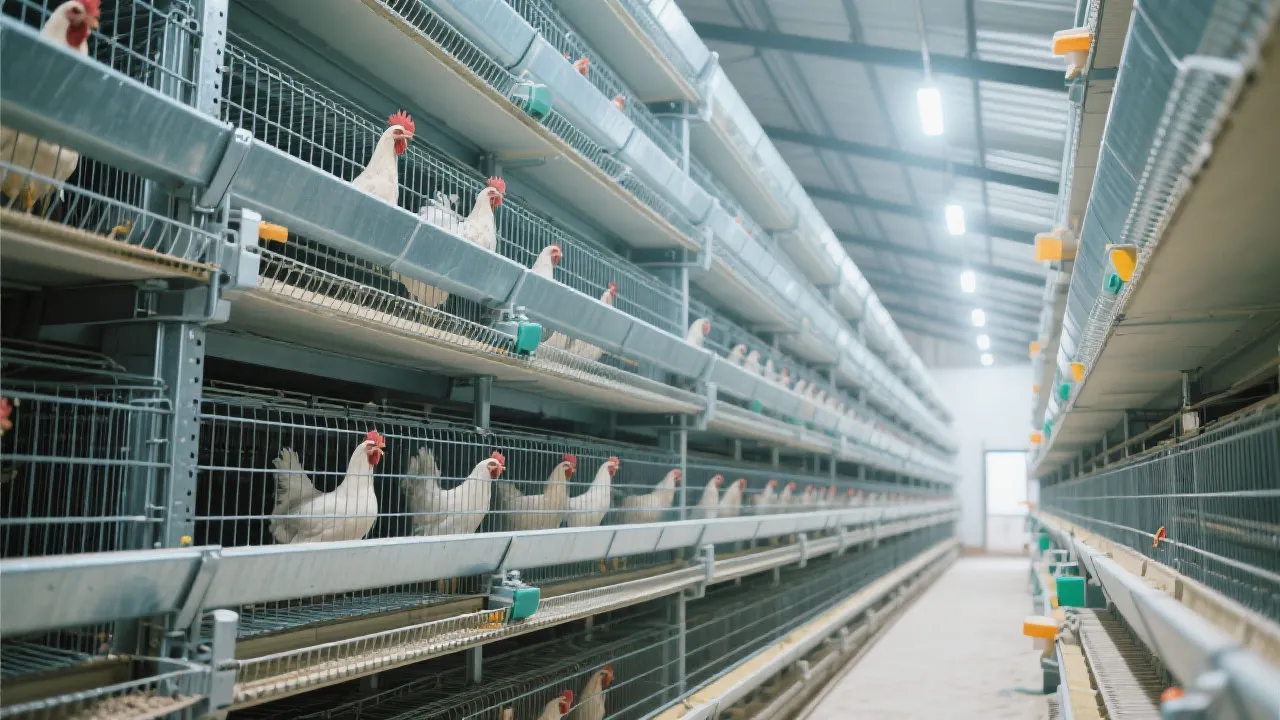
Humidity, ammonia levels, and ventilation all accelerate degradation. A well-installed cage with proper airflow can last 3–5 years longer than one placed in poorly ventilated corners—even if both use the same materials.
“We switched to double-coated cages two years ago. Our technician now spends 30 minutes monthly checking joints instead of replacing entire units quarterly.” — Li Wei, Senior Farm Manager, Guangdong Province
Monthly maintenance isn’t optional—it’s part of your cage’s lifecycle strategy. Here’s a simple checklist:
- ✓ Inspect weld points weekly for early signs of rust
- ✓ Clean droppings and moisture regularly to reduce ammonia buildup
- ✓ Ensure proper spacing between cages for airflow
Remember: a durable cage doesn’t just save money—it reduces downtime, improves bird welfare, and makes your operation more sustainable long-term.
Ready to Build a Cage That Lasts?
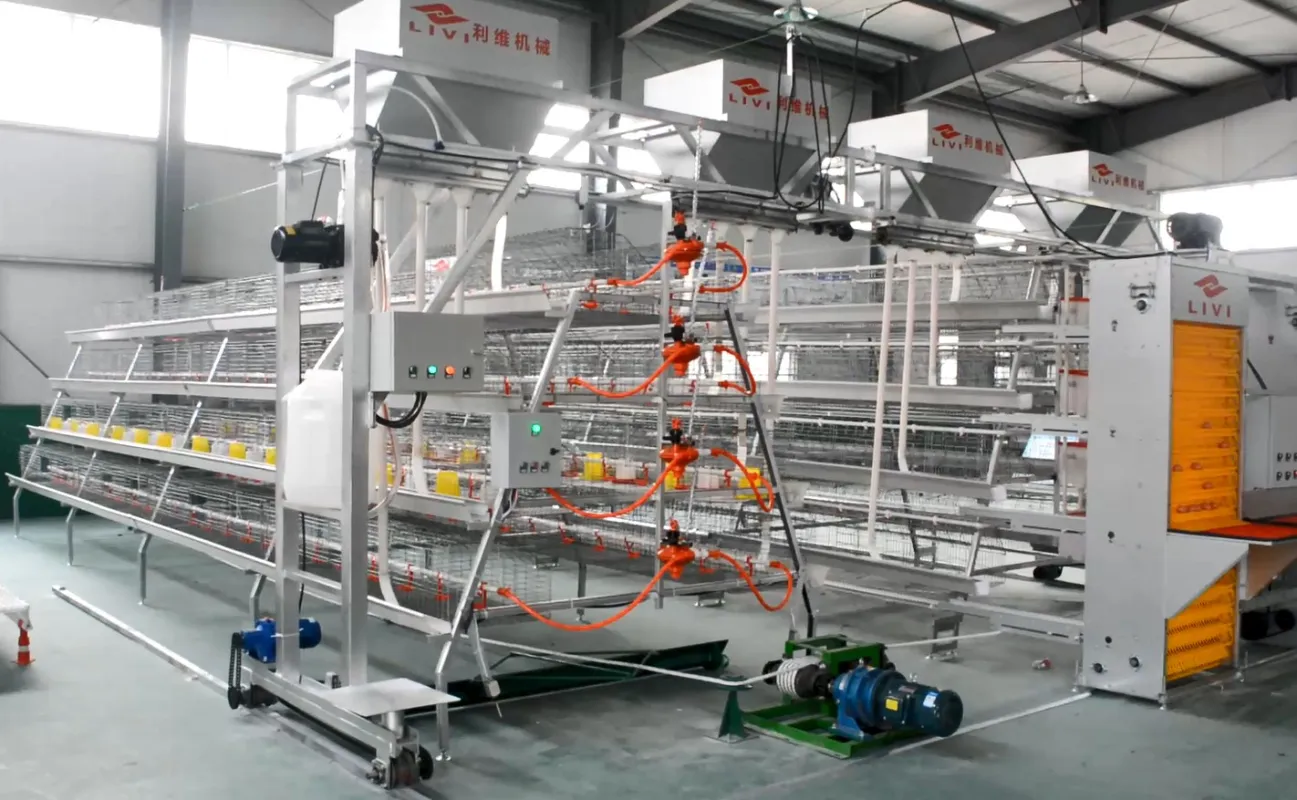
Discover how our international-grade Q235 cages with dual-layer anti-corrosion treatment are helping farms across Southeast Asia and Latin America cut replacement costs by up to 40%.
Explore Durable Cage Solutions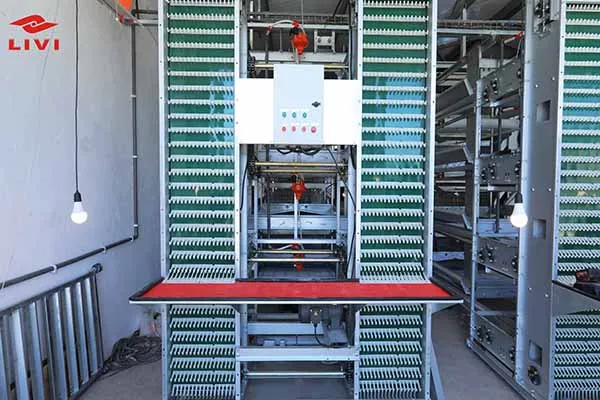




Hot Products

.jpg?x-oss-process=image/resize,m_fill,h_800,w_800/format,webp)




READY TO START?
Ready to Build Your Poultry Farm?
Tell us your land size, poultry type and farming capacity. LIVI will provide a complete farm solution for your project.