


This article provides a comprehensive guide to modern cage system design and operational strategies in layer chicken farming, focusing on the innovative H-type cage structure from Zhengzhou Livi Machinery. It highlights how advanced ventilation and temperature control systems directly impact hen health and egg-laying efficiency. Drawing from real-world case studies across various farm scales, the piece explores space optimization, material selection aligned with environmental standards, automation integration, and best practices for climate management. Practical insights into monitoring, maintenance, and system tuning are supported by data visualizations and industry benchmarks—offering actionable solutions for sustainable, high-performance poultry operations. The content is tailored for professionals seeking science-based, scalable improvements in egg production through precision environmental control.
Poultry Farming Articles and Practical Guides

This article delves into the design and operational techniques of high - efficiency H - type layer hen cages in modern laying hen farms. It focuses on maximizing space utilization, material selection, and compliance with environmental standards to achieve automated and efficient farm management. The design essentials of ventilation and temperature control systems are elaborately introduced to ensure the healthy growth of laying hens and improve egg production rates. Combined with cases of farms of different scales, it provides guidance on scientific equipment selection and maintenance strategies to help farms achieve sustainable development. The content combines theory and practice, making it suitable for professional laying hen farmers and managers to enhance farm efficiency and brand competitiveness.

This article explores how adopting high-capacity H-type layer cages can significantly enhance automation efficiency in commercial layer poultry farms. Focusing on the core design features of Zhengzhou Livi Machinery’s efficient H-type multi-tier cages—from optimized spatial layout accommodating 5,000 to 30,000 hens, automated egg collection and manure removal systems, to durable Q235 steel construction with hot-dip galvanization and aluminum-zinc alloy coatings. Coverage includes reduced labor costs by up to 40%, improved management efficiency, ISO and CE certifications, and real-world case studies demonstrating long-term stable operation and investment return. Additionally, the discussion extends to ventilation and temperature control impacts on flock health and future intelligent poultry housing trends.

Why do your chicken cages rust and fail within 3 years? The real solution lies in hot-dip galvanizing combined with aluminum-zinc alloy coating—proven to dramatically extend lifespan. This article breaks down the core differences in corrosion protection methods, from material selection to surface treatment and maintenance practices. Backed by real-world case studies and expert insights, you’ll learn how to avoid common pitfalls, make cost-effective decisions, and maximize ROI. Durable doesn’t mean expensive—it means choosing the right process. Let every dollar count: selecting the correct anti-corrosion method saves you three years of cage replacement costs.

This paper conducts an in - depth analysis of the differences in the anti - corrosion performance of hot - dipped galvanizing and aluminum - zinc alloy coating on laying hen cages, highlighting the importance of durability for commercial laying hen farming equipment. Through industry cases and practical operation guides, it analyzes the key factors affecting the service life of laying hen cages, including steel quality, composite anti - corrosion processes, and maintenance. It provides farmers with scientific strategies for purchasing and maintaining laying hen cages, helping to reduce long - term costs, improve production stability, and ensure maximum farming benefits.

Are you troubled by a high egg breakage rate? It might be due to an improper egg collection frequency! This article delves into how automated layer cages can reduce the breakage rate by scientifically setting the egg collection frequency (3 times vs. 4 times a day). Combining measured data and the experiences of front - line farmers, it explains why adjusting the egg collection rhythm can improve egg freshness and reduce losses. Additionally, it reveals how the automatic manure cleaning system can improve the chicken coop environment and prevent diseases. It's suitable for farmers looking for solutions that save labor, increase production, and reduce diseases, helping you boost farming efficiency with technology.
This article delves into the key factors affecting the service life of laying hen cages, focusing on the technical characteristics and application value of Q235 steel and its surface anti-corrosion processes - hot-dip galvanizing and aluminum-zinc alloy coating. By comparing the mechanisms, advantages, and disadvantages of different anti-corrosion technologies, combined with daily maintenance points and real - life cases, it helps farmers scientifically evaluate the durability of equipment, improve farming efficiency, and ensure the sustainability of long - term investment returns. It is a professional reference material for laying hen farmers and equipment procurement decision - makers.

When choosing corrosion protection for export egg cages, hot-dip galvanizing and al-zinc alloy coating are two leading options. This article compares their performance in real-world poultry farm conditions—especially under high humidity and manure exposure—using industry test data. It explains why Q235 steel alone can’t guarantee 15–20 years of service life and highlights how proper surface treatment combined with maintenance extends equipment durability. Practical insights help poultry farmers make cost-effective decisions that improve ROI and ensure long-term operational stability.
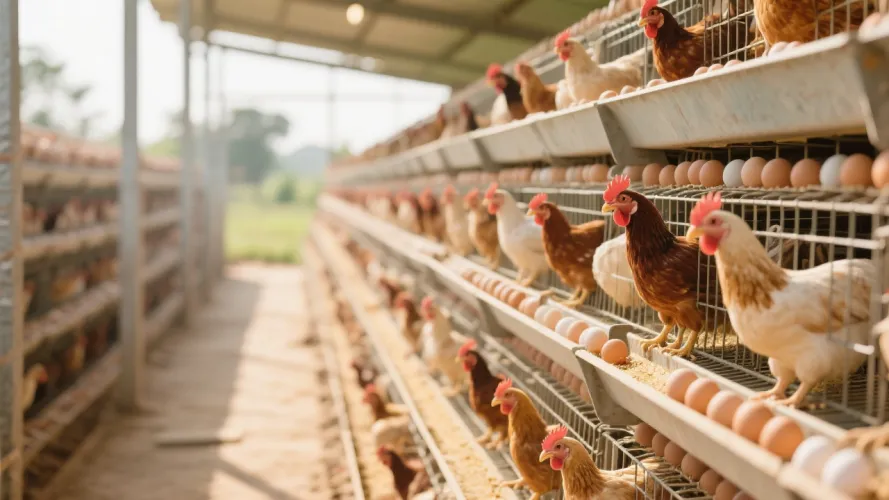
This article explores the technical advantages of H-type stacked chicken cages in large-scale egg production systems, focusing on space efficiency, ventilation, lighting, and automated management. Backed by scientific data, industry standards, and real-world farm case studies, it demonstrates how this design enhances productivity, reduces labor costs, and improves animal welfare—making it a strategic upgrade for commercial poultry operations worldwide.
This article provides a comprehensive comparison between hot-dip galvanizing and aluminum-zinc (Al-Zn) alloy coating as corrosion protection methods for export layer hen cage equipment. It delves into the corrosion mechanisms, durability differences, and real-world performance of both techniques, with specific focus on Q235 steel properties and the challenges posed by poultry farming environments. By analyzing industry data and practical maintenance tips, the article guides poultry farmers in selecting cost-effective, long-lasting solutions that extend equipment lifespan beyond 15 years while reducing maintenance expenses and maximizing return on investment.
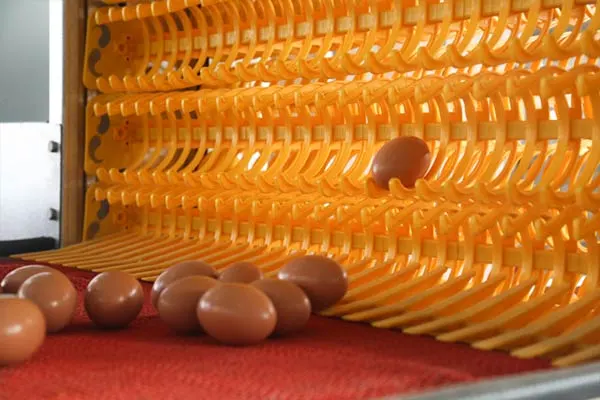
This article examines the practical application of the H-Type layered enriched egg-laying cage developed by Zhengzhou Livi Machinery, focusing on its innovative structural design that significantly improves ventilation efficiency and animal welfare in commercial egg production farms. Through detailed before-and-after case studies of farm renovations, the article highlights advantages in space utilization, automation integration, and flock health management. Emphasizing enhanced operational convenience, labor cost reduction, and increased egg production rates, the discussion provides authoritative insights and practical guidance for medium to large-scale poultry operations considering cage upgrades.

With the increasingly stringent environmental protection policies, large - scale laying hen farms are facing the dual challenges of feces resource utilization and air quality management. This article delves into the automatic manure cleaning system and ventilation temperature control technology supporting the efficient H - type layer chicken cages of Zhengzhou Livi Machinery. It details the dry - wet separation and harmless treatment processes of feces, and explains how reasonable airflow organization and temperature control optimize the growth environment of laying hens, thereby improving the egg production rate and survival rate. Combining with the ISO14001 international environmental protection standard, the article guides farmers to construct a green breeding process, achieving a win - win situation between environmental compliance and market competitiveness. It helps users comprehensively master the key technologies and practical operation plans for environmentally friendly laying hen farming, contributing to the realization of sustainable development goals.
Frequently Asked Questions
Contact usDiscover the key automation functions of A-type layer cages by Livi Machinery, including automatic feeding, manure removal and egg collection, that elevate hygiene, efficiency and management in poultry farms.
Learn the essential first steps for starting a poultry farm, including choosing the farming direction, assessing budget and scale, confirming sales channels, planning the poultry house and selecting equipment with Livi Machinery.
Discover how Livi Machinery supports 20,000-layer poultry farm projects with site planning, customized 3–5-tier A-type layer cage solutions, equipment production, delivery and project implementation guidance.
READY TO START?
Ready to Build Your Poultry Farm?
Tell us your land size, poultry type and farming capacity. LIVI will provide a complete farm solution for your project.