


Hot-Dip Galvanizing vs. Al-Zn Alloy Coating: Choosing the Optimal Corrosion Protection for Export Layer Hen Cages

Impact of Egg Cage Lifespan on Farming Cost and Operational Stability
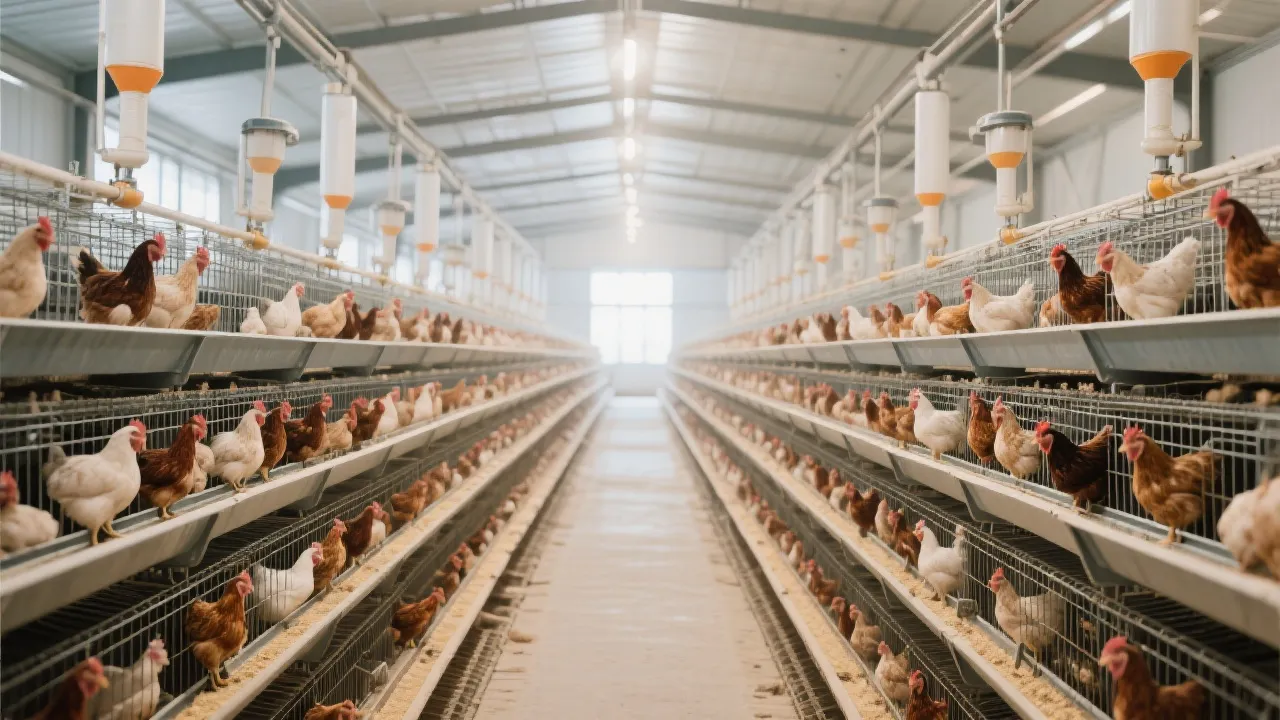
In modern poultry farming, the durability of egg-laying cages significantly influences both operational stability and overall cost efficiency. Frequent equipment replacement not only disrupts production cycles but also adds unforeseen expense burdens, affecting profit margins. A cage system lasting beyond 15 years optimizes capital investment while ensuring minimal downtime. Selecting an appropriate corrosion protection method plays a vital role in achieving this longevity, especially in challenging farming environments where moisture, ammonia from manure, and mechanical wear accelerate corrosion.
Advantages and Limitations of Q235 Steel in Egg Cage Manufacturing
Q235 steel is widely used in egg cage construction due to its cost-effectiveness, good mechanical properties, and availability. Its moderate carbon content (~0.2%) offers decent strength and weldability, making it ideal for structural frames. However, Q235 steel is inherently prone to surface corrosion if not adequately protected, especially in acidic and humid poultry house environments. Therefore, applying a reliable anti-corrosion coating is mandatory to prolong service life and maintain structural integrity.
Comparative Corrosion Resistance of Q235 Steel with Different Coatings
| Surface Treatment | Typical Coating Thickness (μm) | Expected Corrosion Resistance (Years) | Key Benefits |
|---|---|---|---|
| Hot-Dip Galvanizing (HDG) | 70-100 | 15-20 | Thick zinc barrier, sacrificial protection, proven durability |
| Aluminum-Zinc Alloy Coating (55% Al, 43.5% Zn, 1.5% Si) | 20-25 | 10-15 | Superior heat resistance, slighter weight, better barrier under high temperature |
Corrosion Mechanism and Performance Under Diverse Environmental Conditions
Hot-dip galvanizing provides a thick zinc coating that acts as both a physical barrier and a sacrificial anode protecting Q235 steel. The zinc layer’s typical thickness of 70-100 μm significantly delays penetration by corrosive agents such as moisture and ammonia—prevalent in poultry houses—to extend cage lifespan beyond 15 years. Furthermore, zinc hydroxides formed during corrosion can self-seal minor coating damages.
Conversely, aluminum-zinc alloy coatings create a thinner (~20-25 μm) yet thermally stable layer favored for high-heat applications. The aluminum-rich patina formed provides excellent heat and oxidation resistance but may exhibit marginally less durability when exposed to persistent acidic ammonia conditions and mechanical abrasion typical of chicken manure environments.
Environmental Influence on Coating Longevity
In humid or highly acidic manure-rich environments, HDG outperforms due to its sacrificial protection mechanism. For drier or temperature-variable climates, aluminum-zinc coatings offer benefits by mitigating thermal fatigue cracking and weight reduction. Ultimately, the choice must balance environmental stressors, expected equipment lifecycle, and maintenance capacity.
Practical Maintenance Guide to Maximize Egg Cage Durability
Regardless of chosen coating, routine inspection and upkeep are indispensable to safeguard cage integrity.
Key maintenance practices include:
- Connection Hardware Inspection: Regularly verify bolts, clips, and weld joints for corrosion or loosening to avoid structural failure.
- Drainage Channel Cleaning: Remove accumulated manure and debris promptly to prevent corrosive pooling and maintain airflow.
- Surface Damage Repairs: Touch-up exposed steel areas with zinc-rich primers or equivalent protective coatings immediately after detecting damage.
Adhering to these simple yet effective operational steps can extend equipment functional life by several years beyond the protective coating’s baseline duration.
Case Studies Highlighting Optimal Material Selection and Maintenance
One commercial egg farm in coastal southern China reported over 20 years of operation using hot-dip galvanized Q235 steel cages combined with a quarterly maintenance regimen. This outperformed farms using aluminum-zinc alloy-coated cages exposed to similar salt-laden humid air where noticeable early rusting occurred around weak points within 10-12 years.
ISO 14713 standards highlight that galvanized coatings provide a minimum of 150 microns of combined zinc layer protection for structural steel exposed outdoors, aligning with observed field performance in intensive poultry farming applications.
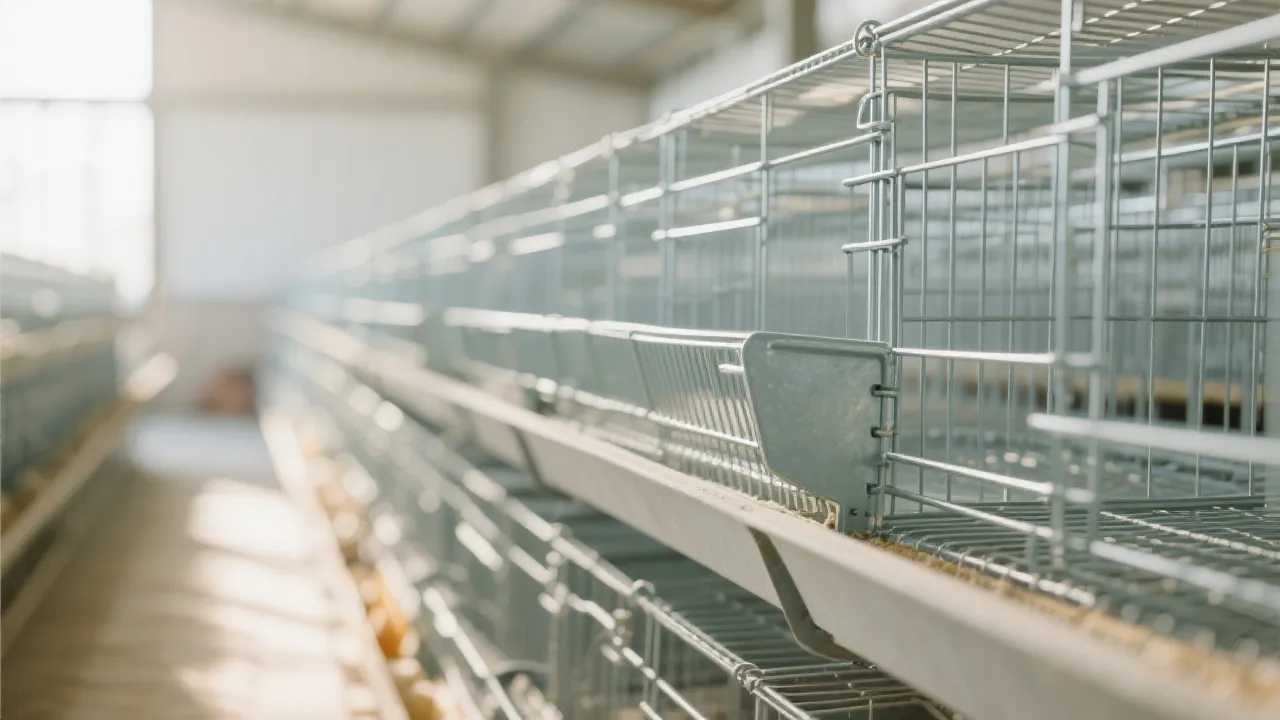
Discover the technical advantages of H-shaped Layer Egg Cage Design and Coating Solutions—engineered for longevity and operational savings.


Hot Products

.jpg?x-oss-process=image/resize,m_fill,h_800,w_800/format,webp)


Popular articles





READY TO START?
Ready to Build Your Poultry Farm?
Tell us your land size, poultry type and farming capacity. LIVI will provide a complete farm solution for your project.