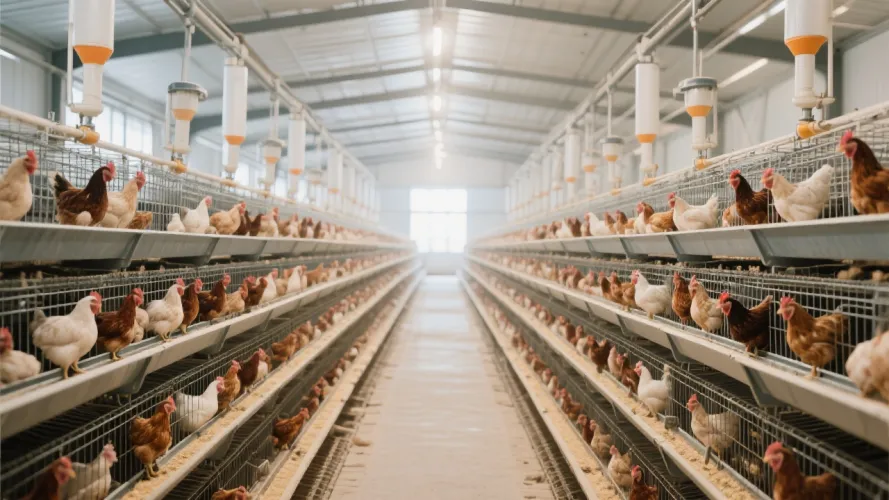
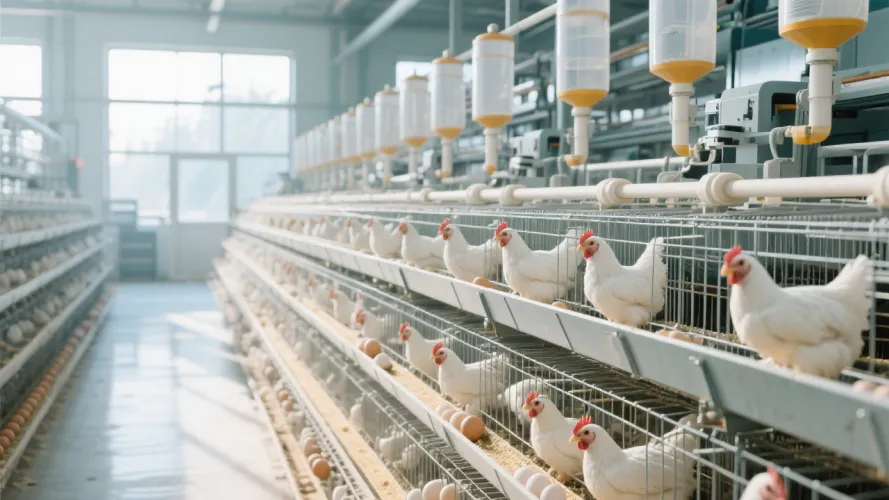
Learn what information is needed to get a free quote for a 50,000 layers automatic poultry equipment system, including cages, house layout and automation.
A customer in Mongolia selected the Livi H-Type Automatic Layer Cage System for a 15,000 layers poultry farm project. The farm adopts fully automated feeding, egg collection, manure removal, and ventilation systems to improve production efficiency and prepare for future farm expansion.
Struggling with low efficiency in egg production? Discover how H-type layer hen cages optimize space utilization, enhance ventilation, and enable seamless automation—backed by real-world data from commercial farms. This practical guide explores structural advantages, durable materials (Q235 steel + galvanized coating), and integrated systems for feeding, manure removal, and egg collection. Learn how this proven solution reduces labor costs, boosts productivity, and extends equipment life to 15–20 years—ideal for both small-scale and large-scale operations.
How does the H-type layer hen cage significantly improve the efficiency of large-scale farming through structural optimization? This article delves into the unique advantages of the H-type design in terms of space utilization, ventilation and temperature control, and automated management. Combined with the technical details of Q235 steel and double anti-corrosion processes, it reveals why it has become the preferred solution for commercial laying hen farms. With case data and industry standard interpretations, it helps you scientifically select models, reduce costs and increase efficiency, and achieve sustainable high-yield farming.
If you are planning to build a 30000 layers poultry farm in Zambia, choosing the right equipment is critical for improving egg production, reducing labor costs, and ensuring stable farm management.
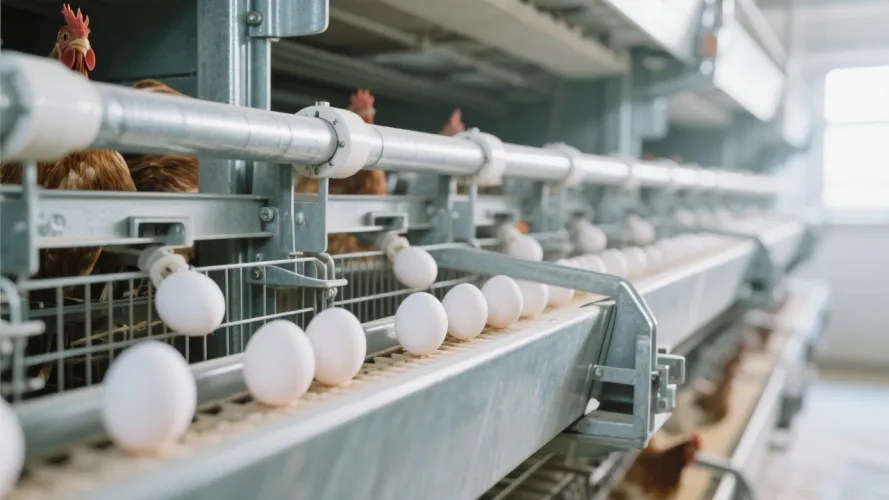
This article presents a practical, decision-oriented guide to a Uganda 30,000-layer farm using a fully automated H-type stacked cage system. It explains the core equipment modules—automatic egg collection, automated feeding and watering lines, manure removal, and intelligent ventilation and temperature control—and how they work together to raise stocking density while protecting flock health and egg quality. From structural layout and space-use logic to daily operation, preventive maintenance, anti-corrosion protection, and common fault troubleshooting, the guide helps farm managers and technicians reduce labor dependence, standardize management, and keep equipment running efficiently over the long term. Based on typical conditions in Africa’s developing poultry market, it also highlights scalable automation pathways for different farm sizes and shares efficiency-improvement practices aimed at sustainable growth. The solution approach reflects the engineering experience of Zhengzhou Livi Machinery Manufacturing Co., Ltd. in modern poultry automation systems.
This article presents a practical, decision-oriented overview of a 30,000-layer project in Uganda using a fully automatic H-type stacked cage system. It explains how modern poultry automation improves space utilization, reduces labor dependence, and supports stable long-term performance under typical African farm conditions. Key sections cover the automatic egg collection line and its throughput advantages, the H-type tiered cage structure for high-density housing and smooth bird management, and intelligent ventilation and temperature control strategies that protect flock health and help sustain egg production. The guide also highlights anti-corrosion protection and maintenance routines, including coating care, cleaning intervals, and common fault checks for motors, belts, sensors, and controllers. Based on real operating needs in developing markets, it outlines scalable configurations and maintenance-focused practices that enable farms to maximize efficiency and achieve sustainable growth through reliable automation. Core value message: automated poultry equipment can multiply operating efficiency, cut labor costs, and keep equipment running efficiently over the long term.
This guide explains evidence-based maintenance and sanitation practices for aluminum-zinc alloy coated, stacked layer hen cages, focusing on how to choose compatible cleaning agents and execute correct cleaning steps to reduce coating damage, corrosion risk, and hygiene-related production losses. It outlines practical selection criteria for detergents and disinfectants (including pH compatibility and chloride avoidance), recommended cleaning frequencies for daily, weekly, and flock-turnover routines, and key operational controls such as pre-rinsing, contact time, rinsing quality, and complete drying. Seasonal and climate-driven adjustments are provided for humid/rainy, hot, and cold conditions to help managers prevent common issues like coating peeling, white rust, and premature wear. The guide references widely used livestock sanitation principles and management benchmarks, and includes field-style case insights and an interactive Q&A section framework to support staff training and decision-making. Developed for farm managers and technicians, it aims to extend equipment service life, improve barn biosecurity, and support bird health and egg quality. Maintenance recommendations are aligned with practical engineering considerations commonly applied to systems manufactured by Zhengzhou Livi Machinery Manufacturing Co., Ltd.
This guide explains science-based maintenance and cleaning practices for aluminum-zinc alloy coated layer chicken cage systems, focusing on how to choose compatible cleaners and apply correct operating steps to prevent coating damage, peeling, and corrosion. It outlines recommended cleaning frequency, key inspection points, and practical do’s and don’ts based on common on-farm failure modes. The article also provides seasonal and climate-specific adjustments—such as high-humidity, winter condensation, and hot-weather ammonia control—to help maintain barn hygiene, support hen health, and protect egg quality. With data-driven parameters, references to widely used poultry equipment hygiene principles, a real farm case example, and a short Q&A section, it offers actionable SOP-style guidance for farm managers and technicians. A final section highlights maintenance services and compatible equipment solutions from Zhengzhou Livi Machinery Manufacturing Co., Ltd. for decision-stage buyers seeking long-term durability and standardized sanitation outcomes.
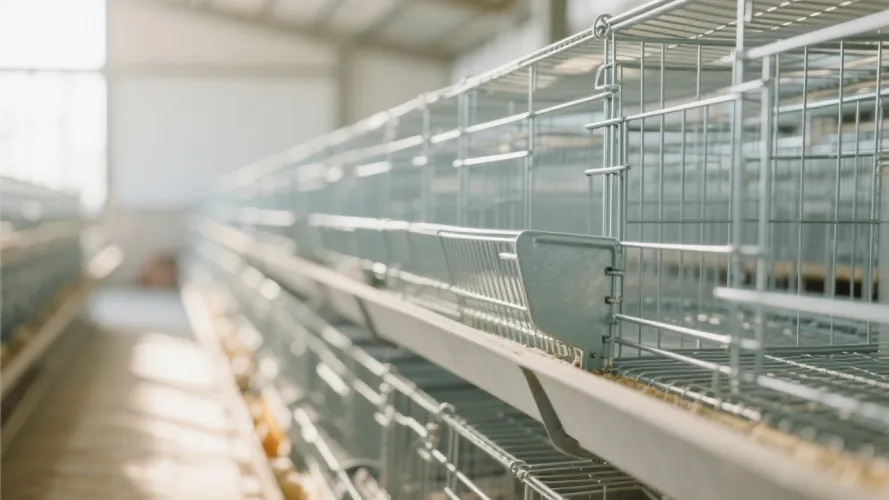
This technical brief explains how Al-Zn alloy coated stackable layer chicken cages optimize housing capacity while reducing long-term maintenance in modern egg production. Compared with conventional single-tier or standard galvanized/iron cages, the stackable multi-tier structure increases birds per square meter by building vertically, typically cutting floor footprint by 30–50% under the same flock size while keeping access lanes and workflow organized. Reinforced frames and engineered load paths improve overall bearing performance, supporting stable stacking and lowering deformation risk during long-term use. The Al-Zn alloy coating adds a protective barrier that resists moisture, manure gases, and routine wash-down, helping extend service life by roughly 3–5 years versus ordinary galvanized cages in comparable conditions. Cleaner surfaces and better drainage design also simplify sanitation, reducing residue buildup and improving hygiene management efficiency. For decision-stage farms planning equipment upgrades, this article recommends using a structural cross-section diagram (tier layout, manure belt/collection path, ventilation corridor) and a side-by-side comparison table (footprint, capacity density, corrosion resistance, cleaning time, expected lifespan) to support selection and deployment planning. Want a tailored stackable cage layout and installation checklist? Click to request a free technical information pack from Zhengzhou Livi Machinery Manufacturing Co., Ltd.
This article explains how aluminum-zinc coated stackable layer chicken cages optimize poultry house space while lowering long-term maintenance pressure. By using a multi-tier stacking layout, the system increases bird capacity per square meter and reduces building footprint, helping farms modernize without expanding land use. The technical focus includes load-bearing frame design, manure handling and ventilation-friendly spacing, and how the aluminum-zinc coating improves corrosion resistance in high-ammonia, high-humidity environments. Compared with conventional galvanized or plain steel cages, aluminum-zinc coated systems typically deliver 30–50% better space utilization, extend service life by 3–5 years under comparable conditions, and simplify daily cleaning through smoother, more durable surfaces. A practical deployment case from a commercial-scale layer farm is referenced to illustrate measurable gains in stocking efficiency, hygiene management, and equipment longevity. Recommended visuals include a structural cross-section diagram of the stacked cage layout and a side-by-side comparison table covering footprint, lifespan, cleaning workload, and corrosion performance. For farms in the decision stage of equipment upgrades, this technical breakdown supports more scientific selection and standardization. Want a tailored deployment plan for your house size and target capacity? Click here to request a free technical information kit from Zhengzhou Livi Machinery Manufacturing Co., Ltd.
This article provides a clear, technical overview of Al-Zn alloy coated stackable layer chicken cage design, focusing on how structural optimization improves farm space utilization and overall operational efficiency. It explains the engineering logic behind the stackable layout—such as reinforced frames, stable load paths, and modular tier configuration—to increase stocking capacity per area while maintaining accessibility for daily management. The article also highlights the performance value of Al-Zn alloy coating, detailing its corrosion resistance and weather durability that support long-term, stable use in demanding poultry-house environments. Supported by practical field references and data-oriented comparisons, it summarizes the cage system’s benefits for hygiene control, environmental management, and productivity outcomes, helping poultry farm decision-makers and procurement teams make more informed equipment choices. The piece concludes with actionable implementation notes and an invitation to consult Zhengzhou Livi Machinery Manufacturing Co., Ltd. for configuration guidance and technical support.
Discover the key automation functions of A-type layer cages by Livi Machinery, including automatic feeding, manure removal and egg collection, that elevate hygiene, efficiency and management in poultry farms.
Learn the essential first steps for starting a poultry farm, including choosing the farming direction, assessing budget and scale, confirming sales channels, planning the poultry house and selecting equipment with Livi Machinery.
Discover how Livi Machinery supports 20,000-layer poultry farm projects with site planning, customized 3–5-tier A-type layer cage solutions, equipment production, delivery and project implementation guidance.
READY TO START?
Ready to Build Your Poultry Farm?
Tell us your land size, poultry type and farming capacity. LIVI will provide a complete farm solution for your project.