Livi Machinery: Making Modern Poultry Farming Easy

Poultry Farming Articles and Practical Guides

Automated Egg Collection System: How H-Type Chicken Cages Optimize Space and Reduce Labor Costs

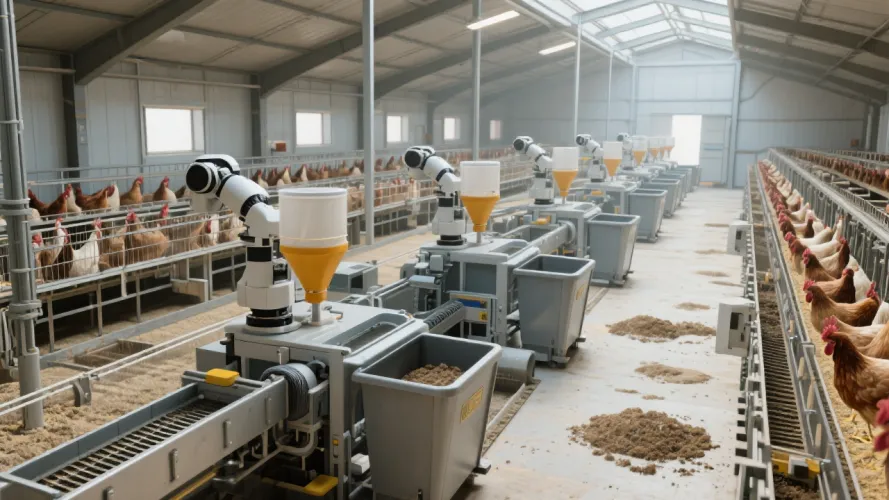
This comprehensive guide explores the design principles and practical applications of Zhengzhou Livi Machinery's high-efficiency H-type layer chicken cages, focusing on space optimization, automated egg collection, waste management, and environmental control. It explains how the H-shaped structure balances stocking density with bird welfare, while automation systems significantly reduce labor costs and improve egg harvesting efficiency. Integrated ventilation and temperature regulation ensure optimal living conditions for hens, boosting productivity. Supported by real-world case studies and industry data, this tutorial equips poultry managers with actionable insights to enhance operational performance—without compromising animal health or environmental standards.
Why H-Type Layered Cages Are Ideal for Large-Scale Laying Hen Farms: Practical Guide to Optimized Ventilation and Lighting

This article offers an in-depth exploration of Zhengzhou Livi Machinery's innovative H-type layered laying hen cage, highlighting how its unique structural design maximizes vertical space utilization to boost stocking density and economic returns. It thoroughly explains advanced ventilation and lighting optimization techniques grounded in agricultural engineering principles to improve airflow, light distribution, and disease control within the facility. By contrasting traditional rearing methods, the article demonstrates significant gains in operational efficiency and stocking capacity with the H-type cage system. Real-world case studies across farms housing 5,000 to 30,000 hens illustrate improvements in egg production and labor cost reduction. Practical recommendations guide poultry farmers on strategic layout planning and optimal use of H-type cages to achieve scalable, sustainable, and profitable poultry operations. Expert insights further validate the system’s benefits, positioning it as a key solution for modern large-scale egg production.

H-Type Layer Cage Air Circulation Optimization Tutorial: Practical Steps to Create a Stable Temperature and Humidity Environment

Want to solve the problems of poor ventilation, heavy ammonia, and low egg production rate in the chicken coop? This article details how the H-type layer cage optimizes air circulation through scientific structural design to create a stable temperature and humidity environment! From the causes of airflow dead corners to the monitoring skills of intelligent sensors, we'll guide you step by step to improve farming efficiency, reduce disease risks, and ensure the healthy and high-yield of your chicken flock.

Automated Egg Collection System in Large-Scale Layer Farms: Best Practices for an Efficient Egg Collection Process

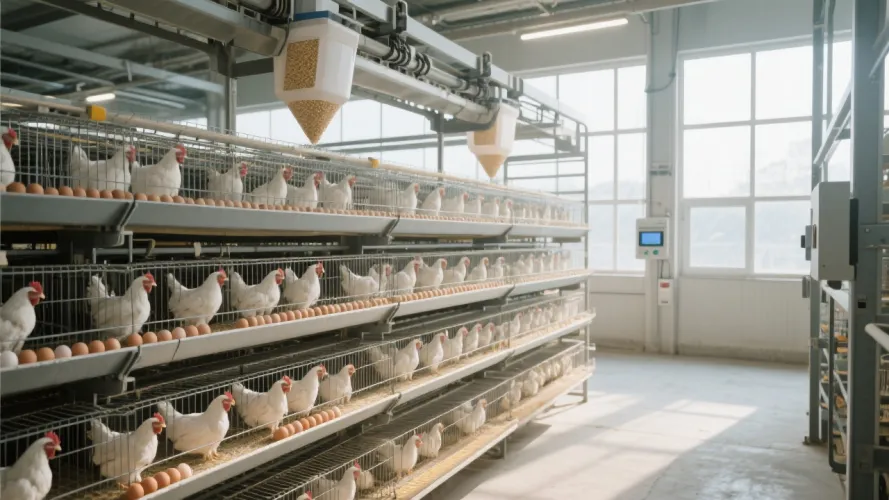
In large-scale layer farms, how can an automated egg collection process achieve efficient management? This article delves into the intelligent design and application practices of Zhengzhou Livi Machinery's high-efficiency H-type layer cages. From space optimization layout to the operating principle of the automated egg collection system, and then to the integration of manure cleaning and temperature control technologies, it comprehensively demonstrates how to reduce labor costs, improve egg production efficiency, and enhance the healthy environment for the chicken flock. With real cases and industry data, it helps you master the core upgrade path for modern layer farming.

Efficient Poultry Farming Equipment Management: Egg Chicken Cage Inspection Guidelines and Environmental Maintenance Checklist

This article explores the integration of ISO9001 and ISO14001 standards into poultry farming equipment management, focusing on egg chicken cages as critical components for quality assurance and environmental sustainability. It explains how international certification frameworks guide cage design, material selection, and maintenance practices to ensure durability, performance stability, and reduced ecological impact. By aligning with CE safety regulations, farms can enhance compliance for global markets. Practical tools—including a standardized inspection protocol and an environmental maintenance checklist—are provided to support large-scale commercial operations in achieving operational efficiency, regulatory compliance, and long-term sustainability. This resource offers actionable insights for improving farm credibility, productivity, and environmental responsibility.

Full-process Automation from Egg-laying Nest to Collection Box: Guide to Egg Collection Solutions for H-type Layer Cages

Discover how H-type layer cages achieve full-process automation from egg-laying nests to collection boxes! This article delves deep into the collaborative operation mechanism of roller conveyors, induction recognition, and sorting modules. It showcases, through real farming scenarios, how the automatic egg collection system can reduce labor costs by over 70%, improve egg integrity rates, and enhance the comfort of the chicken flock. Whether you're a novice in smart farming or an experienced farmer seeking efficiency upgrades, you'll find practical operation suggestions and solutions to common problems here, helping you easily transition to modern poultry house management.

Differences and Application Case Analysis of Hot-Dip Galvanized and Aluminum-Zinc Alloy Coatings in Anti-Corrosion of Laying Hen Cages

Why do your laying hen cages rust within less than 5 years? This article deeply analyzes the core advantages of Q235 steel in the manufacture of laying hen cages, compares the anti-corrosion performance differences between hot-dip galvanized and aluminum-zinc alloy coatings, and illustrates how to extend the equipment lifespan to 15 - 20 years through scientific material selection and structural design with real application cases. Meanwhile, it interprets the significance of ISO9001, ISO14001, and CE certifications in guaranteeing product quality, helping breeding enterprises make more rational, durable, and compliant procurement decisions.

Key Design Principles of Layer Hen Cages: Optimal Material Selection and Scientific Thickness Configuration for Enhanced Stability

Why does your layer hen cage suffer severe corrosion in under five years? This article explores the core advantages of Q235 steel in manufacturing layer hen cages, examining its mechanical properties and comparing protective coatings such as hot-dip galvanizing versus aluminum-zinc alloy coatings. It further explains how strategic structural design and appropriate thickness choices improve overall stability and safety. Integrating ISO9001 and CE certification standards with authentic user feedback, this guide helps you make informed material selections, reduce long-term maintenance costs, and build durable, efficient poultry farming equipment. After reading, you will understand how to evaluate a genuinely worthwhile layer hen cage investment.

Selecting Optimal Cage Capacity for Layer Hens in Different Scale Farms: Industry Insights and Efficiency Analysis

This article provides an in-depth analysis of the design and operation of modern H-type layer hen cages to enhance productivity in egg farming. It focuses on selecting the appropriate cage capacity tailored to various farm sizes, maximizing spatial efficiency, and optimizing automated feeding, egg collection, and waste management processes. Emphasizing ventilation and temperature control systems, the paper highlights their critical role in chicken health and egg yield. Combining practical case studies with industry expertise, it offers actionable workflows and labor cost reduction strategies to improve production efficiency and equipment longevity. Illustrated with diagrams and data insights, this guide is an essential resource for farm managers and poultry professionals seeking sustainable cage system optimization.

Optimizing Layer Hen Cage Designs: Enhancing Stability and Space Efficiency with Q235 Steel

This article provides an in-depth analysis of Q235 steel's mechanical properties and durability advantages in layer hen cage manufacturing. It highlights the protective benefits of hot-dip galvanizing and aluminum-zinc alloy coatings in significantly extending corrosion resistance and improving the operational stability and space utilization of poultry equipment. The discussion incorporates international quality certifications (ISO9001, ISO14001, CE) to emphasize rigorous manufacturing standards. By detailing structural design optimizations—particularly H-shaped frameworks—this guide supports poultry producers in enhancing operational efficiency and promoting healthier environments for poultry. Supported by scientific data and real user case studies, it offers a practical reference for balancing durability and cost-effectiveness in poultry cage selection and design.

Optimizing Feeding and Manure Removal in Layer Chicken Farms Using H-Frame Cages: A Practical Guide

This practical guide explores how H-frame layer chicken cages enhance feeding efficiency and manure removal through structural innovation, reducing labor costs and improving management precision. By integrating Q235 steel corrosion-resistant treatment, automated systems, and ventilation control, this solution delivers measurable gains in productivity across various farm scales—ideal for modern poultry producers seeking sustainable, high-efficiency operations.

Advantages of H-Type Laying Hen Cages: A Comprehensive Breakdown from Ventilation, Space Utilization to Automated Management
Discover the Advantages of H-Type Laying Hen Cages: Ventilation, Space Utilization & Automated Management

How can H-type layer hen cages enhance the efficiency of laying hen farming? This article deeply dissects the core advantages of the H-type design in ventilation, space utilization, and automated management from the perspective of structural optimization. Combining the corrosion-resistant process of Q235 steel and international standard certifications, it analyzes how it reduces labor costs, improves egg production rates, and extends the service life of equipment. Whether you are a small or medium-sized farm owner or a large-scale operation manager, you can obtain scientific selection bases and practical operation suggestions from it to boost efficient chicken farming.

Frequently Asked Questions

Contact us

Discover the key automation functions of A-type layer cages by Livi Machinery, including automatic feeding, manure removal and egg collection, that elevate hygiene, efficiency and management in poultry farms.

READY TO START?

Ready to Build Your Poultry Farm?

Tell us your land size, poultry type and farming capacity. LIVI will provide a complete farm solution for your project.