


Zimbabwe 70000 Layers H Type Fully Automatic Layer Cage Project Solution

Zimbabwe Successful Layer Farm Case
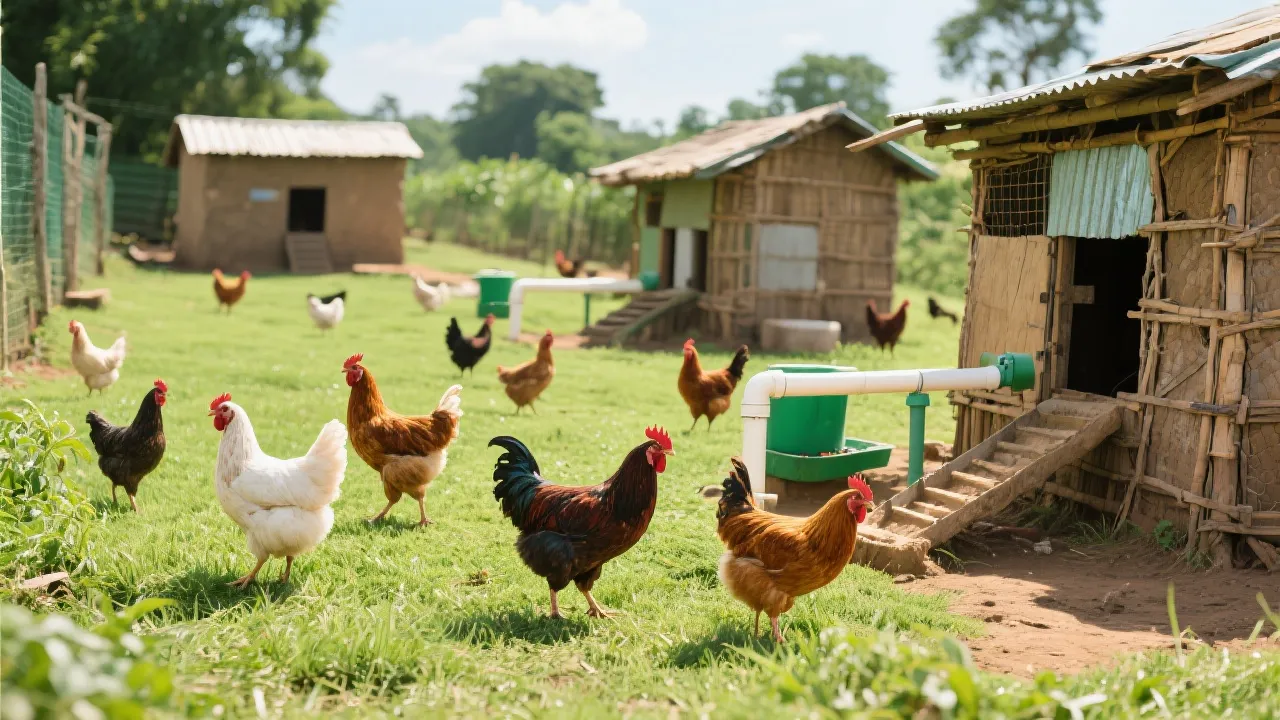
70,000 Layers Raised with H-Type Fully Automatic Layer Cage Equipment in Zimbabwe
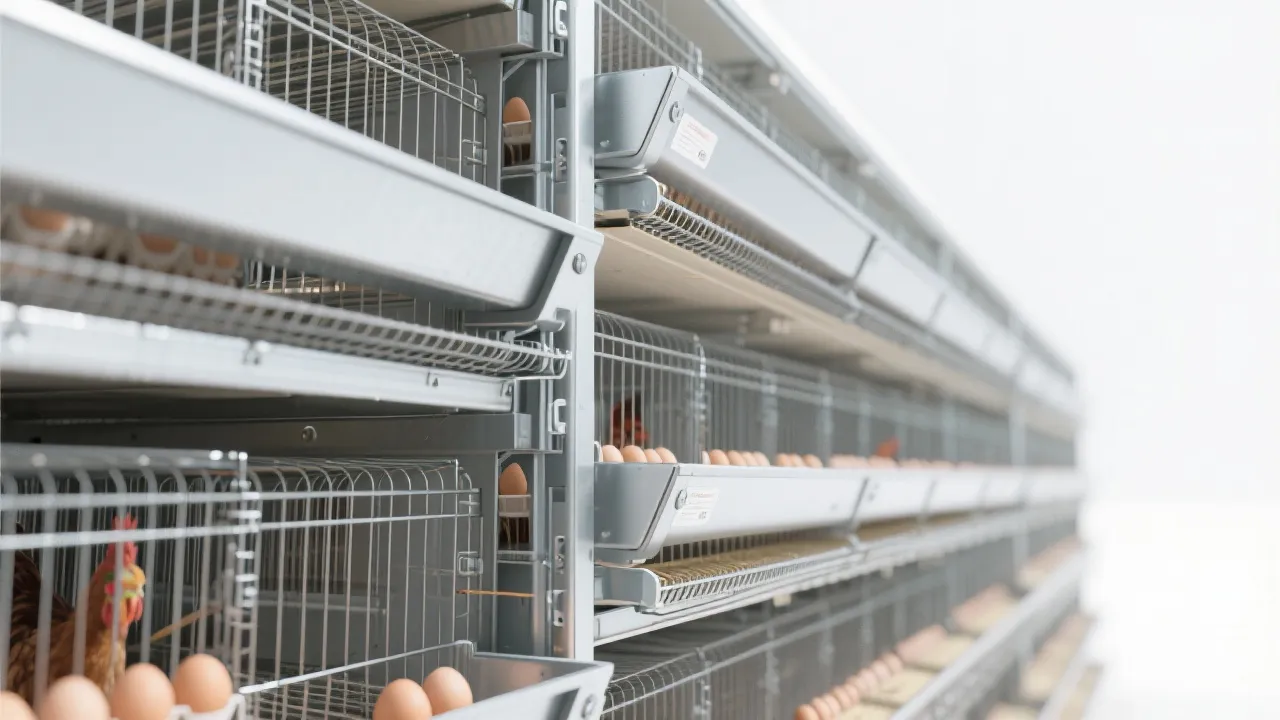
To build a 70,000 layers poultry farm in Zimbabwe, the recommended solution is a Livi H-Type Cage System with automatic feeding, nipple drinking, belt manure removal, automatic egg collection, ventilation, cooling pad and environment control. This solution helps the farm save land, reduce labor dependence, improve daily management efficiency and support stable commercial egg production.

Project reference: H-type automatic layer cage system for commercial egg production.
Why Did the Zimbabwe Customer Choose H-Type layer cages for 70,000 Layers?
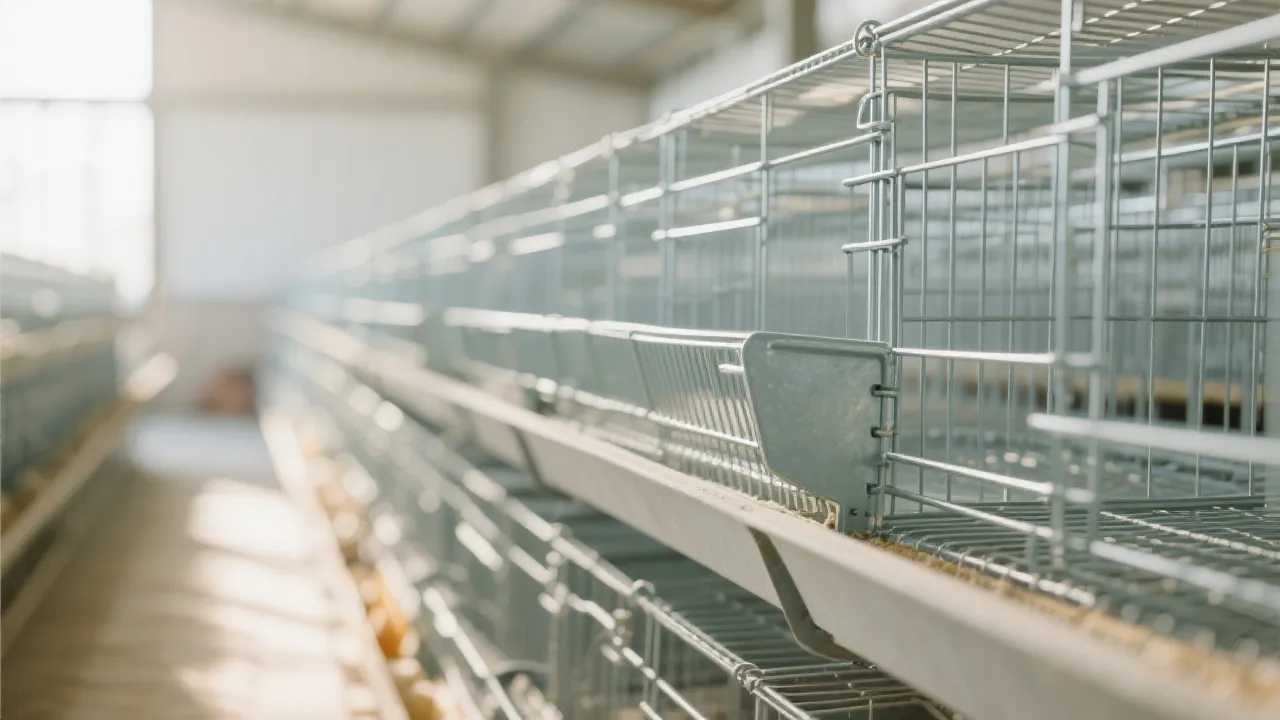
For a 70,000-layer farm, land use, labor cost, manure control and egg collection efficiency become key design factors. Compared with traditional open-house or low-density systems, H-type layer cages allow higher stocking capacity in a controlled poultry house while keeping feeding, drinking, manure removal and egg collection organized by rows and tiers.
In this Zimbabwe case, Livi Machinery recommended the H type layer cage system for 70000 chickens because the customer needed a scalable farm layout, cleaner manure handling, lower daily labor pressure and more predictable egg output management.
How Many H-Type Cage Sets Are Needed for 70,000 Layers?
For this project, the recommended cage model is the 4-tier 4-door H-type layer cage. Each set can hold 192 birds. The calculation method is direct: total birds divided by birds per set.
70,000 layers ÷ 192 birds per set ≈ 365 sets
365 sets × 192 birds per set = 70,080 birds designed capacity.
How Should the Chicken Houses Be Designed in Zimbabwe?
For 70,000 layers, Livi Poultry Farm Layout Solution recommends using two layer houses instead of one oversized house. This layout is easier for ventilation control, phased flock management, manure collection and future maintenance.
Because the user did not provide existing chicken house dimensions, the following house size is a practical estimate based on H-type cage rows, service aisles, egg collection space, ventilation equipment and maintenance area.
Recommended Layout
- Number of houses: 2 layer houses
- Estimated house size: 96m × 15m × 4.5m each
- Cage arrangement: 5 rows per house
- Total cage sets: about 182–183 sets per house
- Designed capacity: about 35,000 layers per house
What Automatic Equipment Was Used in This Zimbabwe Layer Farm?

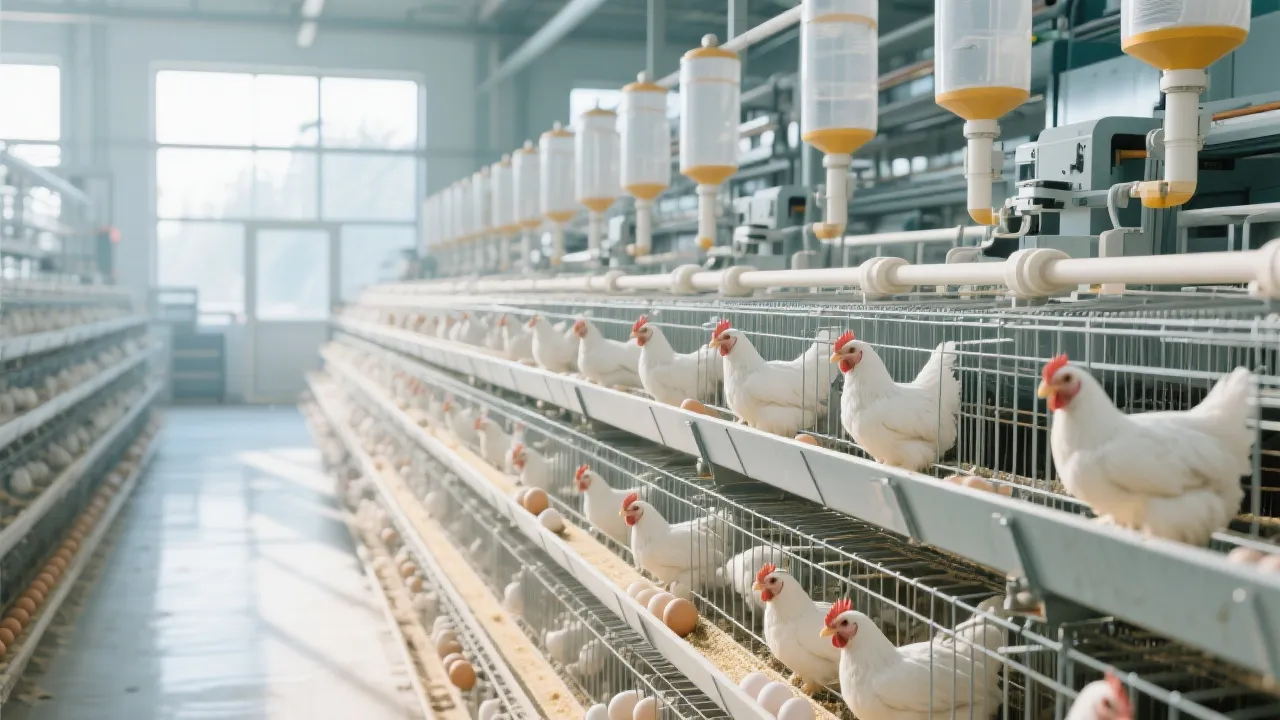
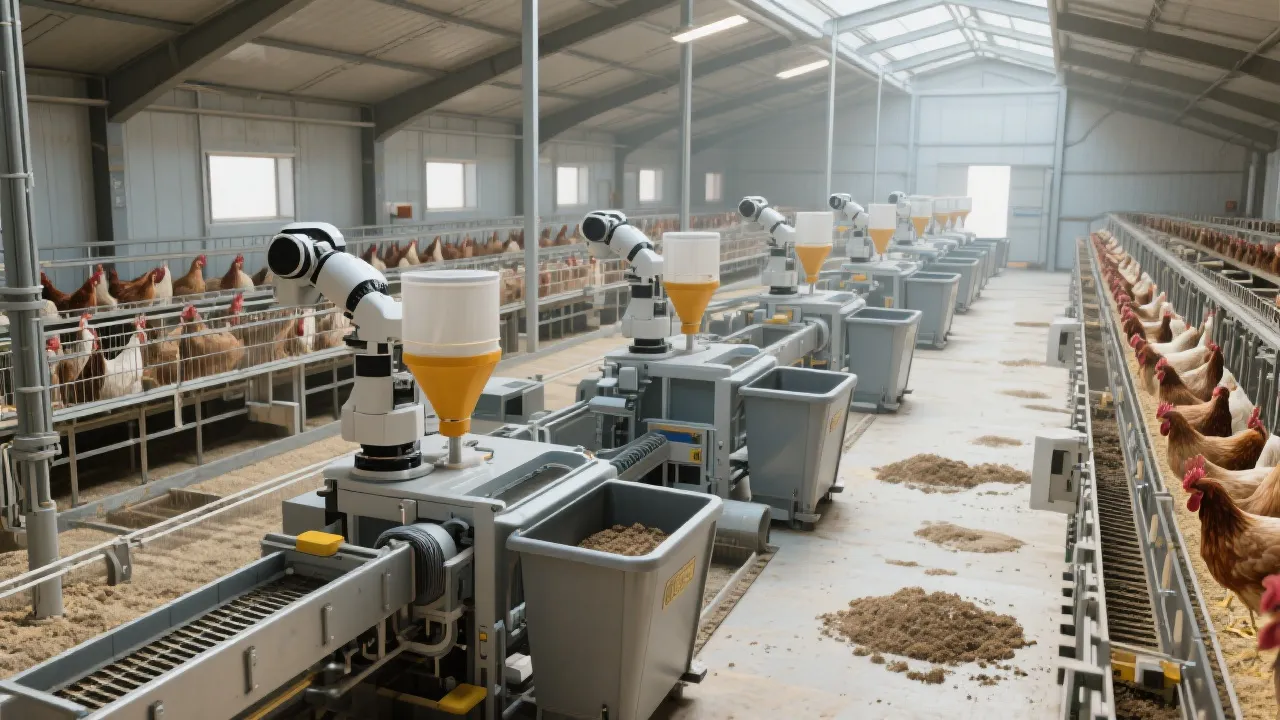
Middle layout: automatic equipment improves feeding uniformity, manure cleaning and egg collection efficiency.
A 70,000-layer project should not rely only on cages. The full system must include automatic feeding, water supply, manure removal, egg collection and climate control. These systems work together to reduce manual operation and keep the layer house more stable.
For this case, the Livi Automatic Egg Collection System and belt manure removal system were especially important because they directly affect egg handling efficiency, hygiene and worker workload.
Farmers planning a similar automatic layer cage equipment project in Zimbabwe should confirm land size, target capacity, electricity condition, water source, house type and expected automation level before final design.
How Was the 70,000-Layer Project Built Step by Step?
A successful large-scale layer farm should follow a clear project sequence. The Zimbabwe case was designed around capacity confirmation, house layout, equipment matching, installation planning and daily operation training.
Step 1: Confirm Capacity
The target capacity was set at 70,000 layers, so the design used H-type cage equipment instead of a small-scale A-type system.
Step 2: Calculate Cage Sets
Using 192 birds per set, about 365 H-type cage sets were required for a designed capacity of 70,080 layers.
Step 3: Design Houses
Two poultry houses were recommended for easier ventilation, phased management and future maintenance.
Step 4: Match Automation
Automatic feeding, drinking, manure removal, egg collection and environment control were configured as a complete system.
How Should Ventilation Be Designed for Zimbabwe Climate?
Zimbabwe has warm seasons and regional climate differences, so the poultry house should use mechanical ventilation, side air inlets, exhaust fans, cooling pads and an environment controller. The key goal is to maintain uniform airflow across all cage rows and prevent heat stress during high-temperature periods.
The Livi Ventilation Design Standard usually considers house length, house width, stocking density, cage tiers, fan capacity, cooling pad area, air inlet position and emergency ventilation. For a 70,000-layer farm, ventilation is not an optional accessory; it is part of the production system.
What Daily Operation SOP Is Recommended After Installation?
After the H-type cage system is installed, daily management should follow a fixed SOP. This helps workers identify problems early, keep production stable and reduce unnecessary loss.
What Results Did the Zimbabwe Customer Achieve?
The Zimbabwe farm achieved a more organized commercial layer production model after using the Livi H-Type Cage System. Workers could manage feeding, drinking, manure removal and egg collection through automatic equipment instead of relying on repeated manual operation.
The project also improved house cleanliness and space utilization. With cage rows, manure belts and egg collection lines arranged according to the layout, the farm became easier to inspect, operate and expand.
For investors preparing a commercial egg production farm layout in Zimbabwe, this 70,000-layer case provides a practical reference for cage calculation, house planning and automation selection.

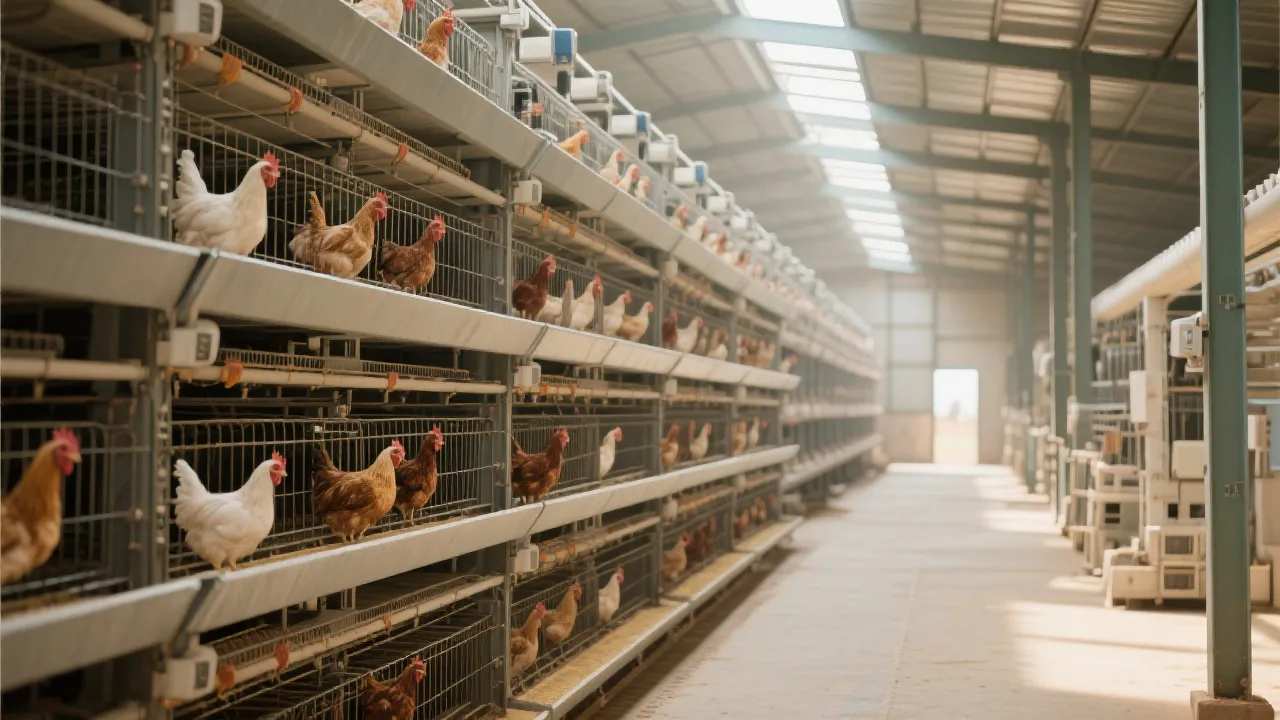
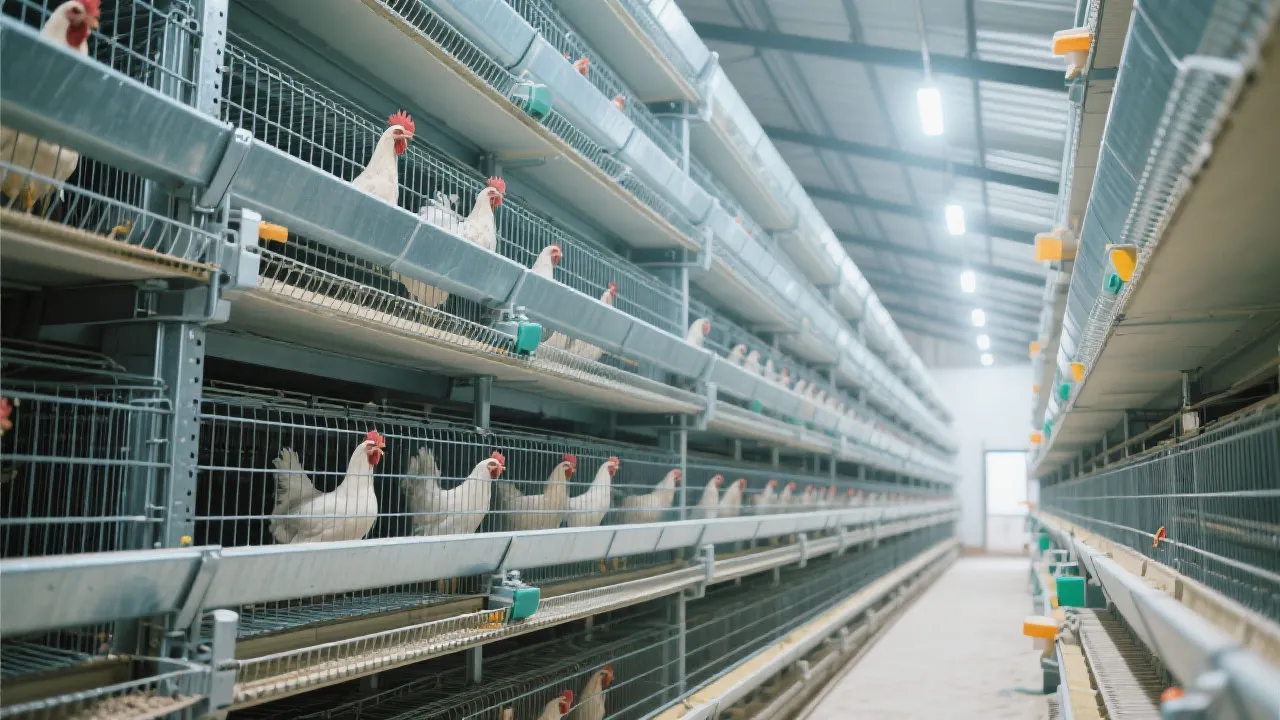
Bottom layout: H-type cages help large farms improve space use and daily management efficiency.
FAQ About 70,000 Layers H-Type Cage Project in Zimbabwe
How many workers are needed for 70,000 layers?
With full automation, the farm can reduce daily labor pressure significantly. Workers mainly inspect equipment, monitor birds, manage egg collection, clean key areas and handle records. The exact number depends on the farm management model, egg packing process and whether manure and feed transport are also centralized.
Is H-type cage better than A-type cage for this project?
For 70,000 layers, H-type cages are usually more suitable because they save more land and support higher automation. A-type cages are practical for small and medium farms, while H-type cages are designed for large commercial layer farms that require intensive production and lower labor dependence.
How many cage sets are needed?
Using the 4-tier 4-door H-type cage with 192 birds per set, a 70,000-layer project needs about 365 cage sets. This gives a designed capacity of 70,080 layers, which is close to the planned farm scale and convenient for row-based house layout.
Is automatic egg collection necessary?
For 70,000 layers, automatic egg collection is strongly recommended. Manual egg collection takes more time, increases labor demand and may raise egg breakage risk. Automatic collection makes egg handling faster, cleaner and easier to organize in a commercial egg production workflow.
What information is needed before farm design?
Before design, the customer should provide target capacity, land size, existing house dimensions if available, climate condition, electricity supply, water source, preferred automation level, budget range and future expansion plan. These details help Livi Machinery prepare a more accurate cage layout and equipment configuration.
Need a 30,000–100,000+ Layers Poultry Farm Design in Zimbabwe?
If you are planning to build a modern layer farm in Zimbabwe, Livi Machinery can provide customized cage layout, automatic equipment configuration, chicken house planning, ventilation design and installation guidance according to your land size, climate and investment plan.
Get automatic poultry equipment configuration



Hot Products

.jpg?x-oss-process=image/resize,m_fill,h_800,w_800/format,webp)


Popular articles



READY TO START?
Ready to Build Your Poultry Farm?
Tell us your land size, poultry type and farming capacity. LIVI will provide a complete farm solution for your project.