


Zambia 30000 Layers A Type Layer Cage Equipment Solution

Zambia Layer Farm Solution
How to Build a 30,000 Layers Poultry Farm in Zambia with A Type Layer Cage Equipment?
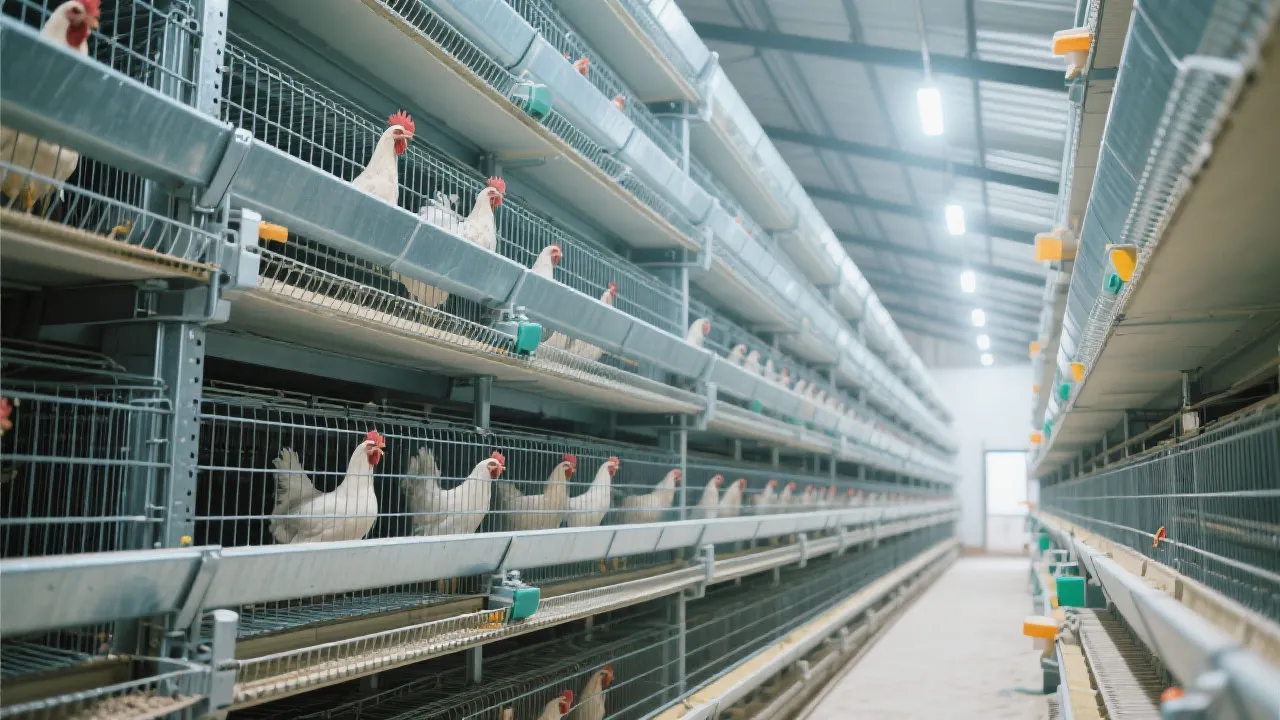
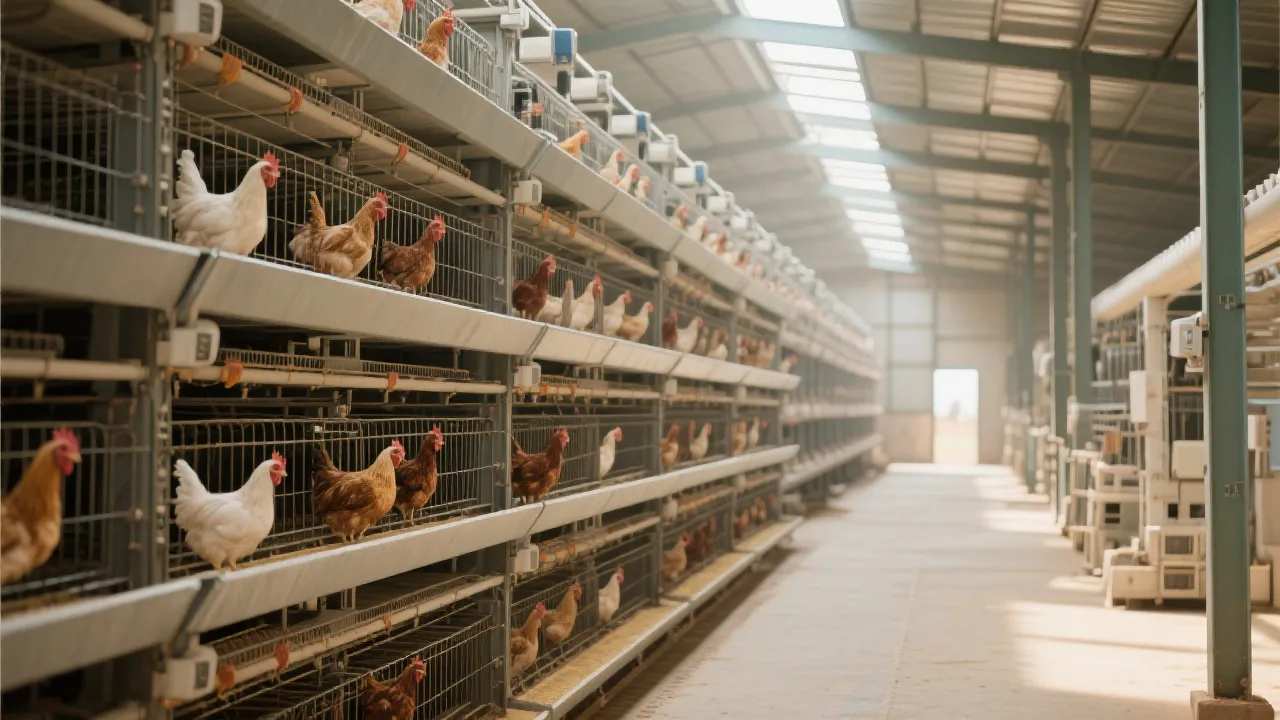
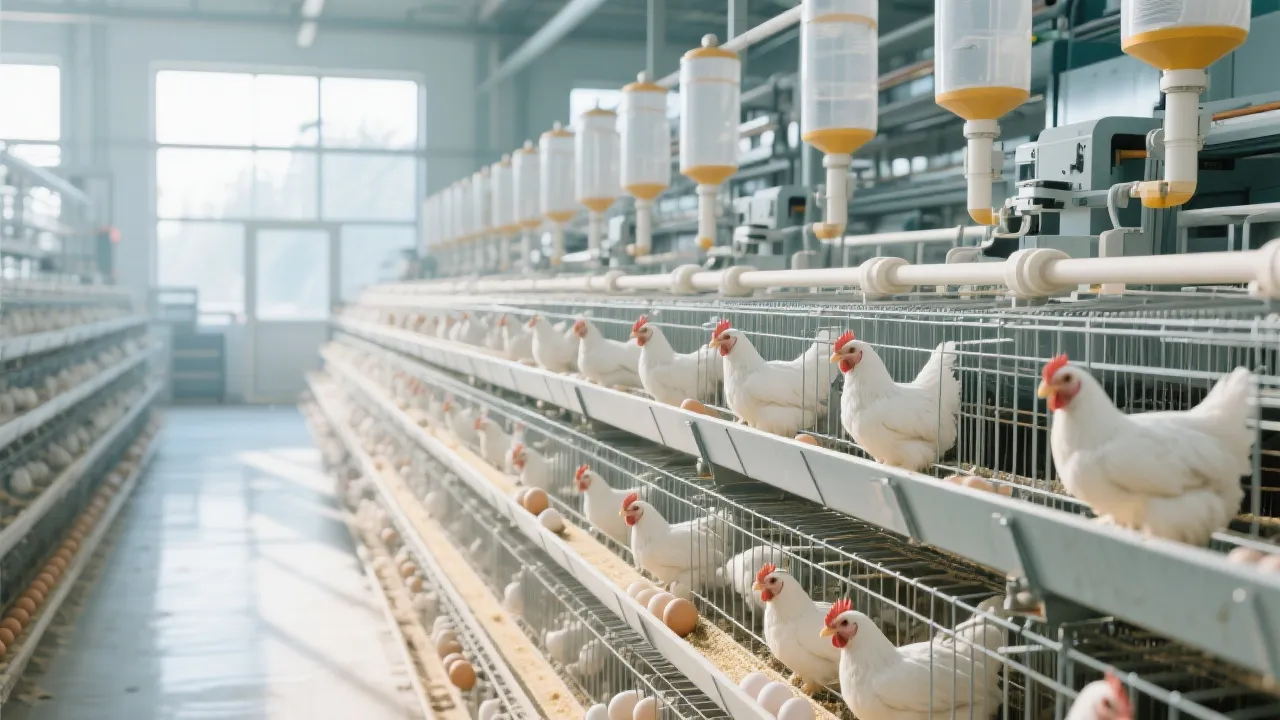
To build a 30,000 layers poultry farm in Zambia, the recommended solution is a 4-tier 5-door A-type layer cage system with automatic feeding, automatic drinking, automatic manure removal, automatic egg collection, and ventilation control.
For this project, Livi Machinery recommends about 188 sets of A-type layer cages, with a total design capacity of about 30,080 birds. The solution is suitable for investors who want a practical, cost-controlled, and easy-to-manage egg production farm.
A type layer cage System for Medium Commercial Farms
A-type layer cages are suitable for a 30,000 layers poultry farm because the structure is easy to inspect, easy to maintain, and suitable for farmers upgrading from traditional floor rearing or semi-automatic cage farming.
For Zambia, this system helps balance investment cost, ventilation performance, bird management, and future farm expansion.

Commercial egg production capacity in Zambia.
Calculated by 160 birds per A-type cage set.
Flexible layout based on land size and future expansion.
Lower labor cost and more stable daily operation.
Why Choose A type layer cages for 30,000 Layers in Zambia?
A-type layer cages are suitable for a 30,000 layers poultry farm in Zambia because they have a simple structure, good ventilation, lower initial investment, and easier daily inspection. For farmers who are upgrading from deep litter farming or semi-automatic cage farming, the Livi A-Type Layer Cage is easier to operate than a high-density H-type cage system.
The recommended model is the 4-tier 5-door A-type layer cage. Its specification is 1950mm × 450mm × 410mm, and each set can hold 160 laying hens. This makes the calculation clear and easy for farm planning.
How Many A Type Cage Sets Are Needed for 30,000 Layers?
The cage quantity is calculated by the formula: Total birds ÷ birds per cage set = required cage sets.
For this Zambia project: 30,000 layers ÷ 160 birds/set = 187.5 sets. Since cage sets cannot be purchased as half sets, the recommended quantity is 188 sets, with a designed capacity of 30,080 birds.
For investors comparing different systems, a customized A type layer cage system in Zambia should be calculated according to land width, chicken house length, ventilation mode, egg collection direction, and manure discharge position.
How Many Chicken Houses Should Be Built?
If the customer does not provide an existing chicken house size, Livi Machinery can estimate the chicken house layout according to cage quantity, row spacing, operation aisle width, ventilation direction, and egg collection route.
For a 30,000 layers A-type cage farm in Zambia, there are two practical layout options. The one-house plan saves construction coordination, while the two-house plan improves biosecurity, flock management, and future expansion flexibility.

Why Is the 4-Tier A-Type Layout Practical?
The 4-tier A-type layout offers a balanced solution for a medium commercial layer farm. It increases bird capacity compared with 3-tier cages, while still keeping the system easier to inspect than high-density stacked cages.
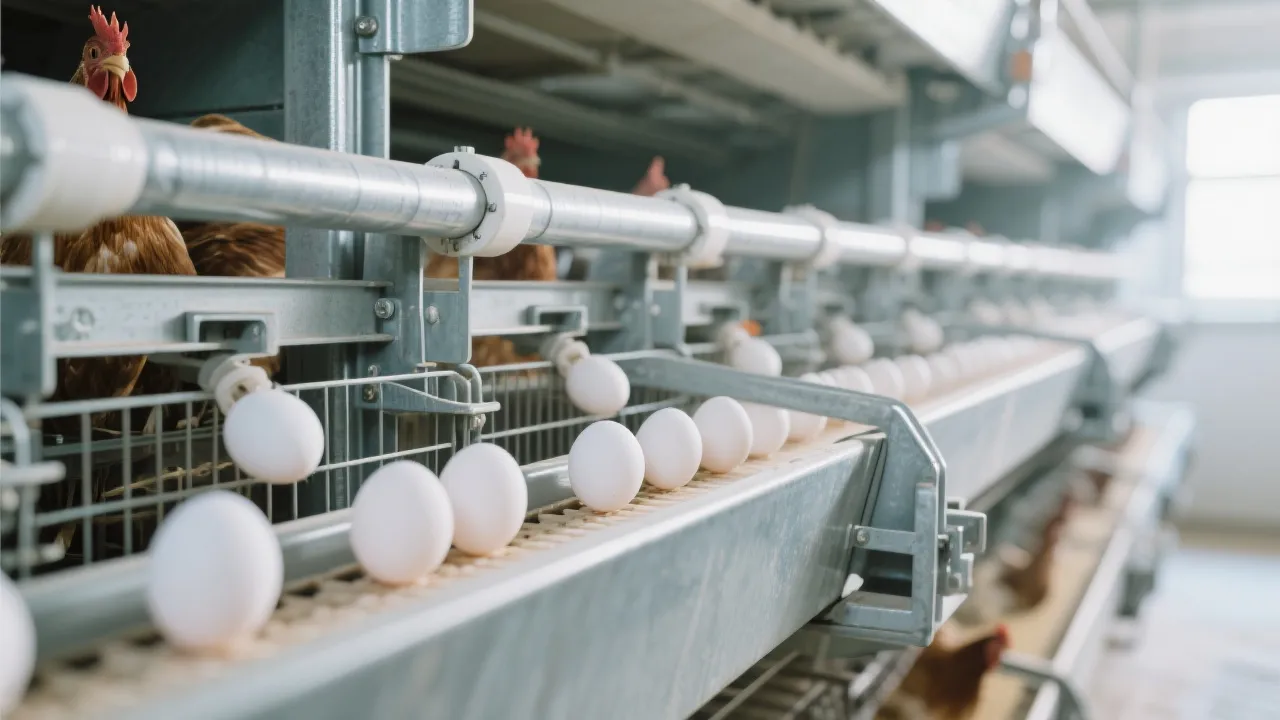
For a 30,000 layers farm, this design supports automatic feeding, nipple drinking, manure removal, and egg collection without making daily management too complex.
What Automatic Equipment Is Required for This Zambia Layer Farm?
A 30,000 layers poultry farm should not rely only on cages. The real efficiency comes from matching the cage system with automatic feeding, nipple drinking, manure removal, egg collection, ventilation, lighting, and environmental control.
The Livi Poultry Farm Layout Solution connects equipment layout with chicken house planning. This avoids common problems such as wrong fan position, narrow manure outlet, poor egg collection direction, or insufficient operation aisle space.
For a 30000 layers poultry farm in Zambia, automatic feeding and manure removal are strongly recommended because they directly affect labor cost, flock uniformity, air quality, and long-term operating stability.
How Should Ventilation Be Designed for Zambia Climate?
Zambia has warm seasons and regional climate differences, so the poultry house should be designed with heat stress prevention in mind. For A-type cages, natural air movement is better than in dense cage systems, but a commercial 30,000-layer farm still needs mechanical ventilation.
The Livi Ventilation Design Standard usually combines side air inlets, exhaust fans, cooling pads, and an environmental control cabinet. The goal is to remove heat, moisture, ammonia, and dust while maintaining stable airflow across all cage rows.
Recommended Ventilation Checklist
- Use exhaust fans at the end wall or side wall according to house direction.
- Install cooling pads for hot months if the farm is in a high-temperature area.
- Keep sufficient aisle space for air movement and daily inspection.
- Use an environment controller to monitor temperature, humidity, and ventilation timing.
- Clean manure regularly to reduce ammonia and improve laying hen comfort.
How to Build the 30,000 Layers Farm Step by Step?
A successful poultry farm project should follow a step-by-step process instead of buying cages first and designing the house later. Equipment layout, civil construction, electricity, water supply, manure outlet, feed storage, and egg room should be planned together.
From Cage Layout to Complete Farm Operation
Before installation, the farm should confirm cage rows, manure outlet, feed delivery route, water pipeline, egg collection direction, fan position, and worker aisle width.
This planning method helps the farm reduce construction errors and makes the automatic system easier to operate after the birds enter the house.

Before construction, farmers can request a commercial egg production farm layout from Livi Machinery to confirm whether the farm should use one house, two houses, or a phased expansion plan.
How Much Does a 30,000 Layers A Type Cage Farm Cost?
The cost of a 30,000 layers poultry farm in Zambia depends on the cage model, automation level, chicken house type, local construction cost, power supply, transport route, and installation requirements. A reliable quotation should be based on a complete equipment configuration, not only the cage price.
For accurate pricing, the buyer should provide target capacity, chicken house size, land size, automation requirements, and destination port. This helps Livi Machinery prepare a practical automatic layer cage equipment Zambia quotation instead of a rough equipment list.
What Is the Daily Operation SOP for a 30,000 Layers Farm?
Daily operation should focus on feed intake, water supply, egg collection, manure removal, ventilation, lighting, mortality recording, and equipment inspection. A clear SOP reduces management mistakes and keeps production stable.
FAQ About A Type Layer Cage System in Zambia
How many workers are needed for 30,000 layers?
With automatic feeding, drinking, manure removal, and egg collection, a 30,000 layers farm can usually be managed by fewer workers than a manual farm. The exact number depends on house quantity, egg packing method, manure handling, and management standard. For a two-house A-type cage layout, workers are mainly responsible for inspection, egg sorting, mortality recording, cleaning, and equipment monitoring.
Is A-type cage better than H-type cage for this project?
For exactly 30,000 layers, A-type cages are suitable when the farmer wants lower investment, easier maintenance, and better natural ventilation. H-type cages are more suitable when land is limited or future capacity will expand to 50,000, 100,000, or more layers. Livi Machinery can compare both systems according to land size and investment plan.
How many cage sets are required?
Using the 4-tier 5-door A-type cage with 160 birds per set, 30,000 layers require 187.5 sets. The practical equipment quantity is 188 sets, giving a total designed capacity of 30,080 birds. If the farm uses two houses, the cage quantity can be adjusted slightly to make row arrangement more balanced.
What chicken house size is recommended?
If the farm uses one house, an estimated size is about 105m × 13m × 3.5m. If the farm uses two houses, each house can be about 60m × 13m × 3.2m. These sizes are engineering estimates and should be adjusted according to land shape, local climate, cage rows, aisle width, and ventilation design.
Is automatic egg collection necessary?
For 30,000 layers, automatic egg collection is recommended if the farmer wants faster collection, lower labor pressure, and more stable egg handling. Manual egg collection is possible, but it takes more time and may increase egg breakage during peak laying periods. The Livi Automatic Egg Collection System can be included according to budget and production goals.
Need a 30,000 Layers A Type Cage Farm Design in Zambia?
If you are planning to build a 10,000–30,000+ layers poultry farm in Zambia, Livi Machinery can provide customized cage layouts, automatic equipment configuration, chicken house planning, ventilation design, and installation guidance according to your land size, climate, and investment plan.
A type chicken cage for 30000 layers in Zambia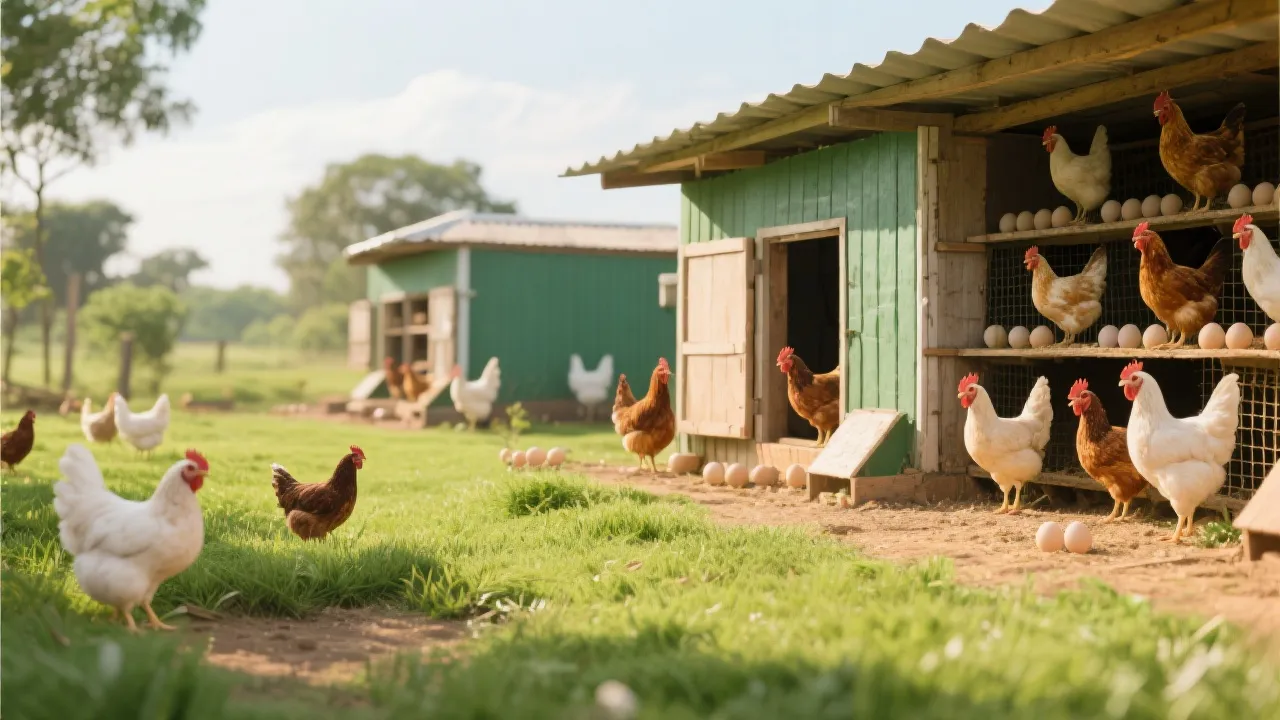



Hot Products

.jpg?x-oss-process=image/resize,m_fill,h_800,w_800/format,webp)


Popular articles





READY TO START?
Ready to Build Your Poultry Farm?
Tell us your land size, poultry type and farming capacity. LIVI will provide a complete farm solution for your project.