


Zambia 200,000 Layers Project Case: Farm Layout, H-Type Layer Cages, and Turnkey Delivery Workflow

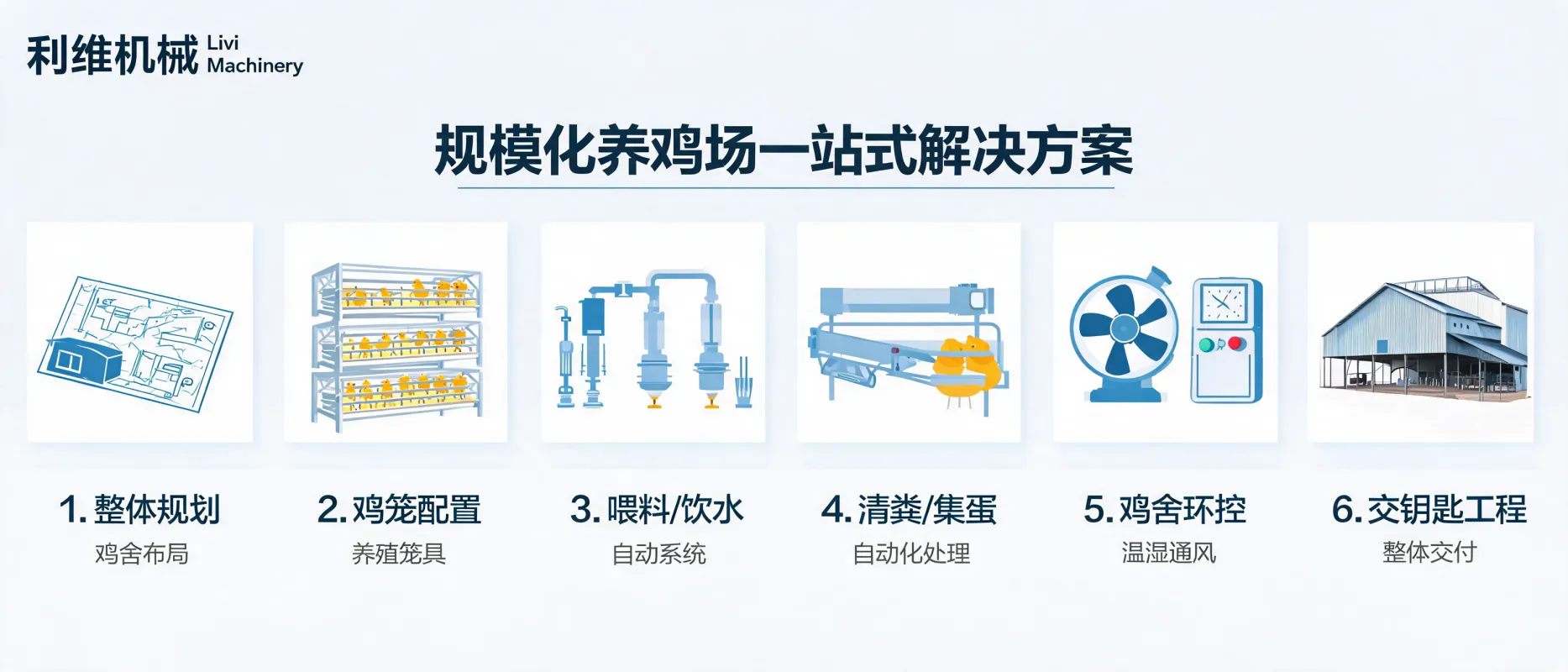
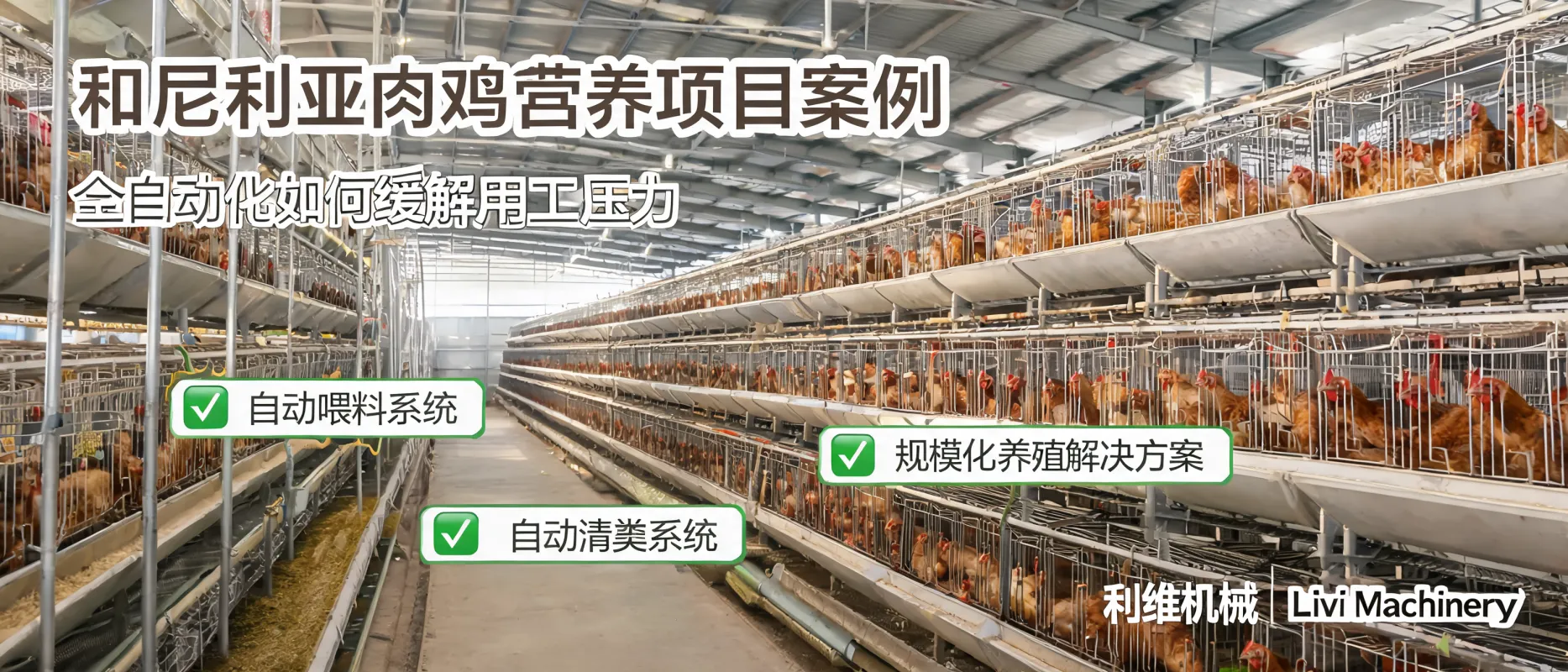
This page documents a practical delivery workflow by Livi Machinery (Zhengzhou Livi Machinery Manufacturing Co., Ltd.) for a Zambia 200,000-layer commercial layer farm—from farm layout planning and phased construction to H-type layer cage tier selection and integrated automation (automatic egg collection and centralized feeding).
The case is presented to help investors, EPC teams, and poultry operators evaluate a turnkey-style execution path and prepare a procurement + delivery checklist for similar African layer projects, while staying grounded in implementable steps and site constraints.
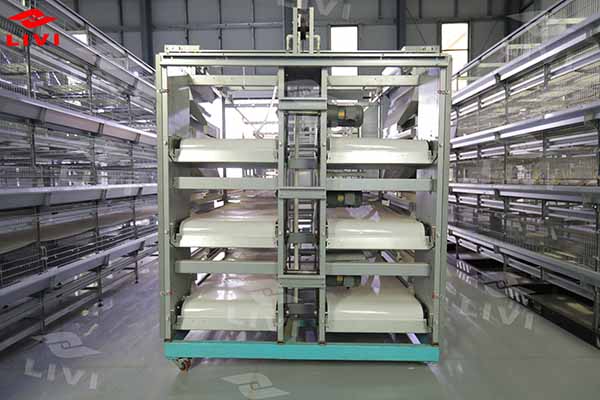
Case summary (for quick review): Multi-house poultry farm layout + phased construction planning + H-type layer cage tier selection + integration of automatic egg collection and centralized feed conveying, supported by 2D/3D proposal, steel-structure house matching, quality inspection, container loading, and on-site installation & training.
Project Scope and Solution Boundary
In this Zambia commercial layer farm case, Livi Machinery focuses on delivering a fully automated cage equipment package plus a poultry house matching plan that enables coordinated installation and operation. Rather than treating cages as a standalone product, the workflow aligns layout, steel structure, and automation routing so the farm can be built and commissioned in a controlled sequence.
Core equipment focus
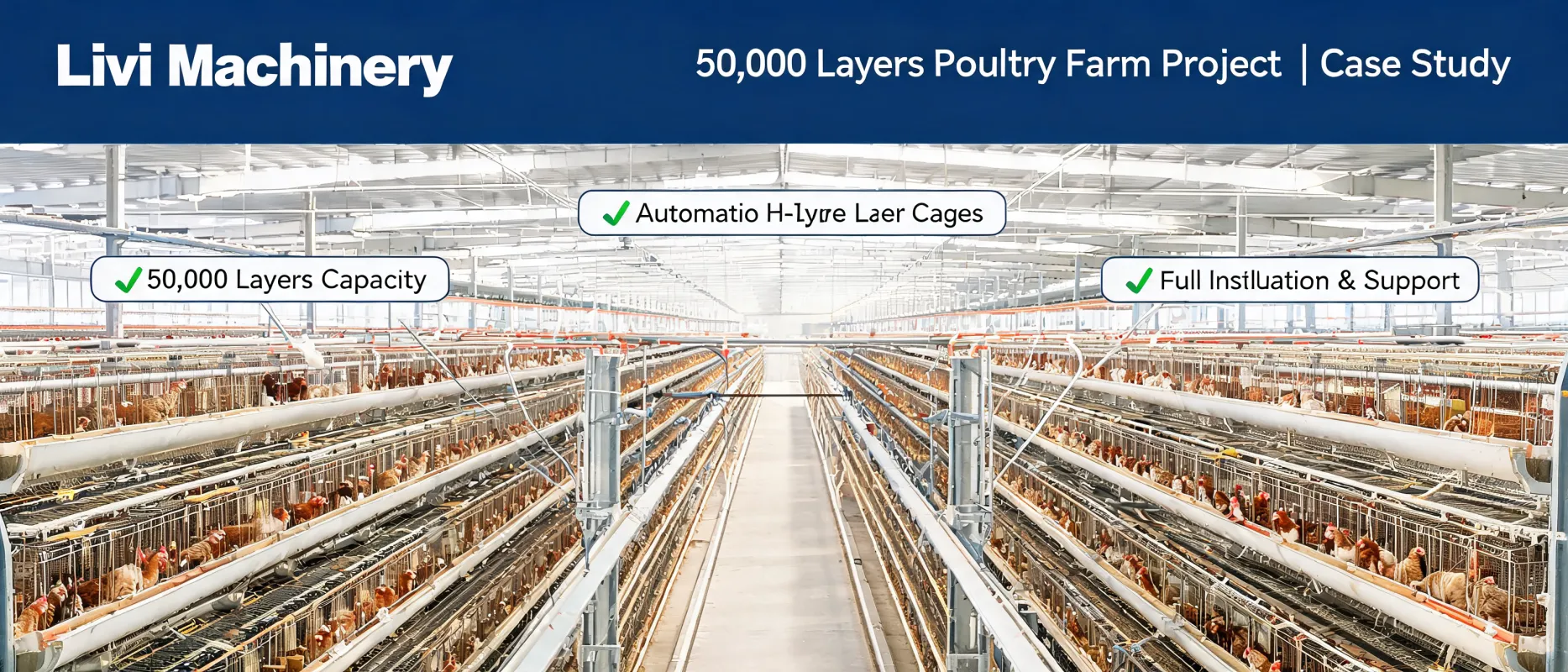
- H-type layer cages with tier selection aligned to house height and service access
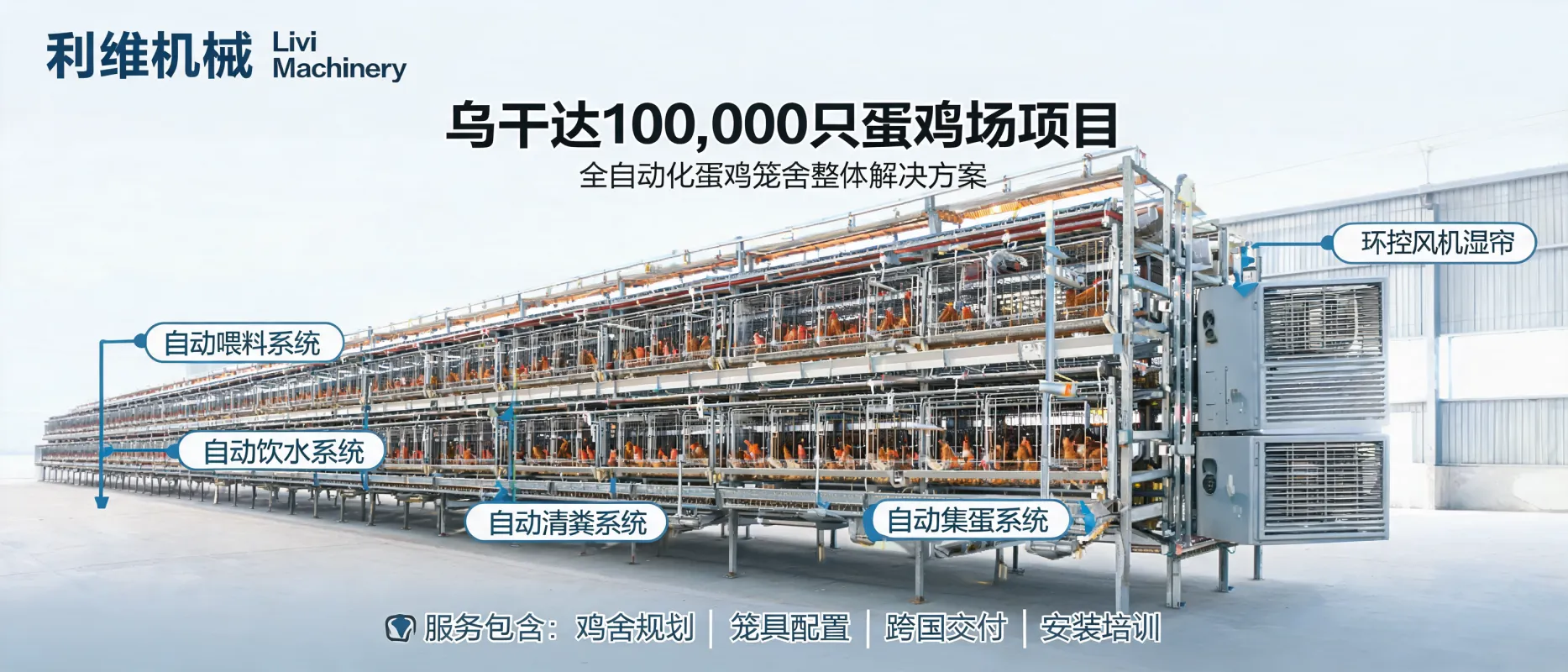
- Automatic egg collection routing concept for efficient daily operations
- Centralized feeding conveying configuration matched to the number of houses
Delivery & implementation support
- Requirements confirmation and layout constraints review
- 2D/3D proposal for communication and decision-making
- Quality inspection, packing, and container loading organization
- On-site installation guidance and operator training
What this case does not claim
The page describes an execution workflow and configuration logic. It does not promise specific production results, mortality rates, or ROI, because outcomes depend on breed, feed, management, biosecurity, climate, and local operations.
Step-by-Step Turnkey Delivery Workflow (Case Structure)
- Requirements confirmation: target layer capacity (200,000 layers), site constraints, preferred building count (multi-house), power and water availability, and the desired automation level (egg collection + centralized feed conveying).
- Multi-house layout planning: confirm house orientation, service corridors, feed/egg logistics routes, and installation clearance for equipment maintenance.
- Phased construction planning: define build stages and equipment delivery sequence so the farm can expand in steps without disrupting the overall design logic.
- H-type layer cage tier selection: select tiers based on house height, ventilation considerations, and operational access for inspection and maintenance.
- Automation integration concept: coordinate interfaces between cages, egg collection lines, and centralized feeding so the system works as one operational flow.
- 2D/3D proposal output: provide layout drawings and visualization for stakeholder review, reducing mismatch risk between civil work and equipment.
- Steel-structure poultry house matching: align equipment footprint, support points, and service areas with the steel structure and internal partition plan.
- QC inspection before shipment: check key components and packaging integrity to reduce installation interruption after arrival.
- Container loading: loading plan based on installation order and on-site handling efficiency, supporting smoother unpacking and staging.
- On-site installation & training: guide installation steps and provide practical training for operators and maintenance routines.
Why H-Type Layer Cages for a 200,000-Layer Commercial Project
For high-capacity commercial layer farms, H-type cage systems are commonly selected to support structured management and more centralized routines. In this case narrative, the key is not “more tiers,” but tier selection that matches the building and the planned automation routes.
Layout efficiency
H-type structures support vertical space use and standardized aisle planning—helpful when the site uses multiple houses and needs consistent internal logistics.
Automation readiness
Automatic egg collection and centralized feeding work better when routing, heights, and service access are planned at layout stage—not retrofitted after civil works.
Operational consistency
Standardized lines and modules make training, daily inspection, and routine maintenance more repeatable—especially important for large teams.
Configuration Focus: Egg Collection + Centralized Feeding
This case highlights two automation modules that strongly influence layout decisions in multi-house farms: automatic egg collection and centralized feed conveying. Both require early planning to avoid conflicts with aisles, loading areas, and maintenance zones.
Design Outputs Used for Decision-Making (2D/3D + Lists)
To reduce mismatch between construction and equipment, Livi Machinery typically supports project communication using structured outputs. In this case workflow, the goal is clarity: what gets built, what gets installed, and in what order.
2D layout plan
- House internal arrangement and aisle widths
- Cage row positioning and service access
- Main routing logic for egg/feed systems
3D visualization
- Stakeholder-friendly view for approval cycles
- Helps identify potential clearance conflicts
- Supports phased construction communication
Equipment list & interface notes
- Primary cage/automation modules by house
- Key installation sequence references
- On-site staging guidance for container unloading
Quality Inspection, Packing, and Container Loading (What to Check)
For overseas delivery, execution reliability often depends on pre-shipment preparation. This case workflow includes QC inspection and a container loading plan designed to support the installation order on arrival.
QC inspection checklist (examples)
- Component completeness against packing list
- Surface condition and connection points
- Labeling for house/line identification
Container loading checklist (examples)
- Load by installation sequence to reduce re-handling
- Protect key modules and fragile interfaces
- Document photos/records for receiving checks
Practical note: A good loading plan is not only about maximizing container volume—it's about minimizing on-site downtime when crews start installation.
On-Site Installation and Training (Turnover for Operations)
The final stage of this Zambia project case workflow is on-site installation guidance and training. The objective is smooth handover: operators understand daily routines, and maintenance tasks are organized so the farm can run reliably after commissioning.
Installation coordination
- Row-by-row installation sequencing
- Interface checks for egg/feed systems
- Safety and clearance verification
Training topics (typical)
- Daily inspection routines
- Basic operation of automated lines
- Preventive maintenance awareness
Documentation handover
Provide practical lists and drawings used during execution (layout references, packing list, and key installation notes) for ongoing operation and future expansion.
Who This Case Page Helps (Typical B2B Readers)
This Zambia 200,000 layers case structure is designed for teams that need a clear, controllable project path—especially when working across countries and coordinating construction, logistics, and installation.
- Investors planning a commercial layer farm with multi-house expansion
- EPC/contracting teams needing layout-to-delivery alignment
- Poultry companies upgrading to H-type layer cage systems and automation
- Procurement teams preparing a structured delivery checklist for Africa projects
About Livi Machinery: Founded in 2013, Zhengzhou Livi Machinery Manufacturing Co., Ltd. develops and manufactures poultry farming equipment and supports farm projects from planning to delivery. With global B2B service experience across multiple regions, Livi focuses on practical engineering coordination—so equipment, poultry house structure, and installation workflow fit together on site.


Hot Products

.jpg?x-oss-process=image/resize,m_fill,h_800,w_800/format,webp)


Popular articles


READY TO START?
Ready to Build Your Poultry Farm?
Tell us your land size, poultry type and farming capacity. LIVI will provide a complete farm solution for your project.