


Why Are Overseas Poultry Farms Switching to New High-Efficiency Chicken Cage Systems?
Why Are More Overseas Poultry Farms Switching to Modern Layer Cage Systems?
As global demand for high-quality eggs continues to rise, large-scale poultry operations are increasingly adopting advanced layer cage systems—particularly the H-type cages from Zhengzhou Livi Machinery. These innovations aren’t just about modern aesthetics; they represent a strategic shift toward efficiency, sustainability, and compliance with international standards.
The Engineering Behind Longevity and Performance
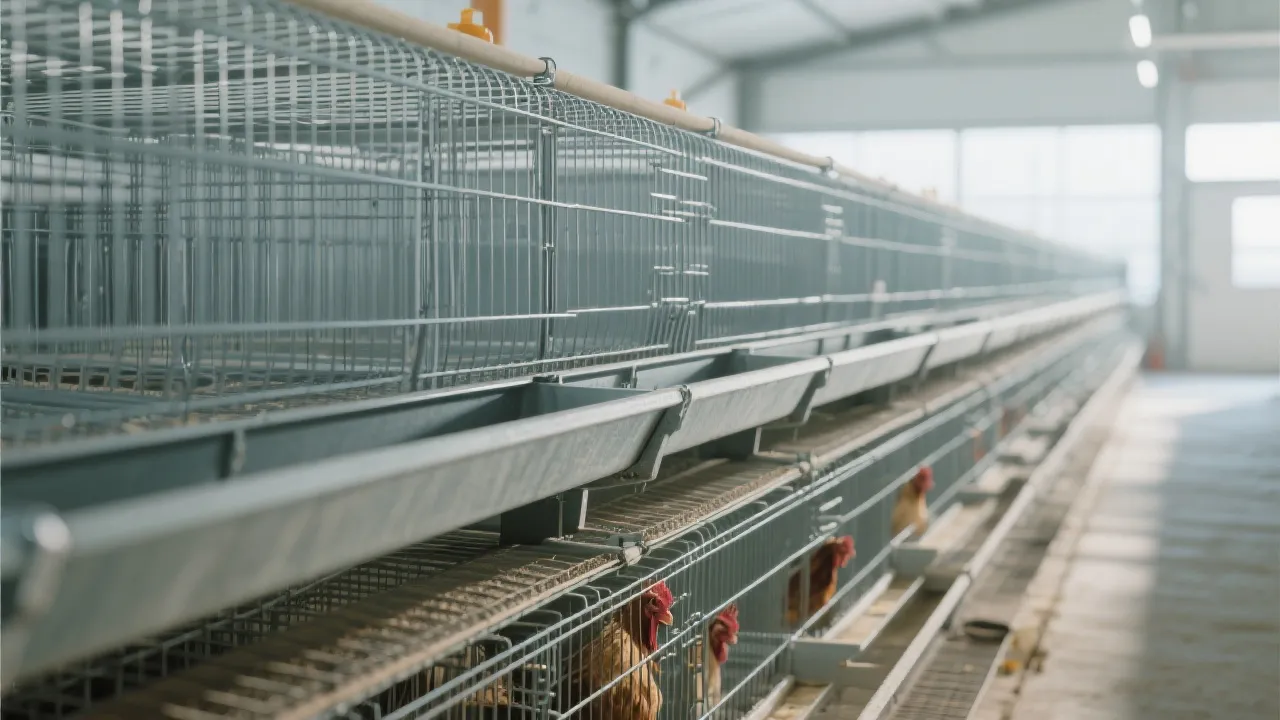
One of the most compelling reasons for this transition lies in material science. Unlike traditional galvanized steel cages that show wear after 3–5 years, Livi’s cages use Q345B-grade steel with hot-dip galvanizing (Zn coating ≥ 275 g/m²), extending service life to over 8 years under normal conditions—a 60% improvement in durability. This isn't just marketing—it's engineering precision backed by ISO 9001-certified production processes.
Space Optimization Through Smart Design
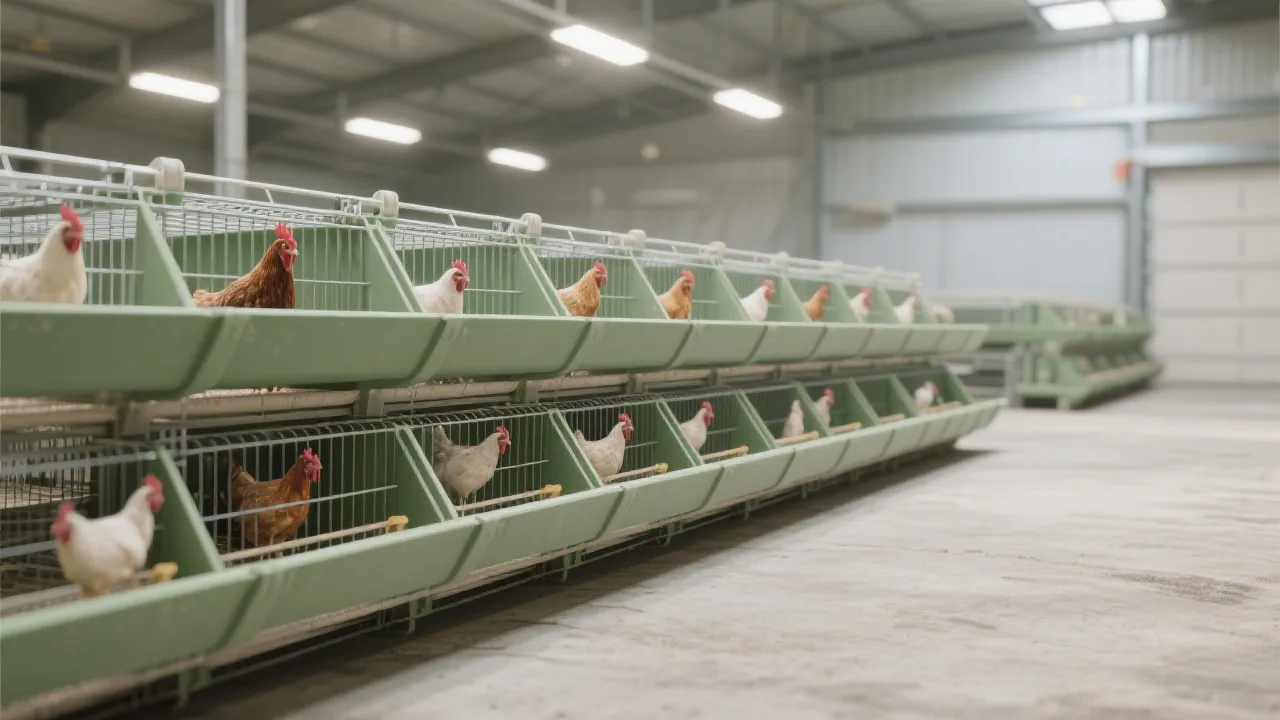
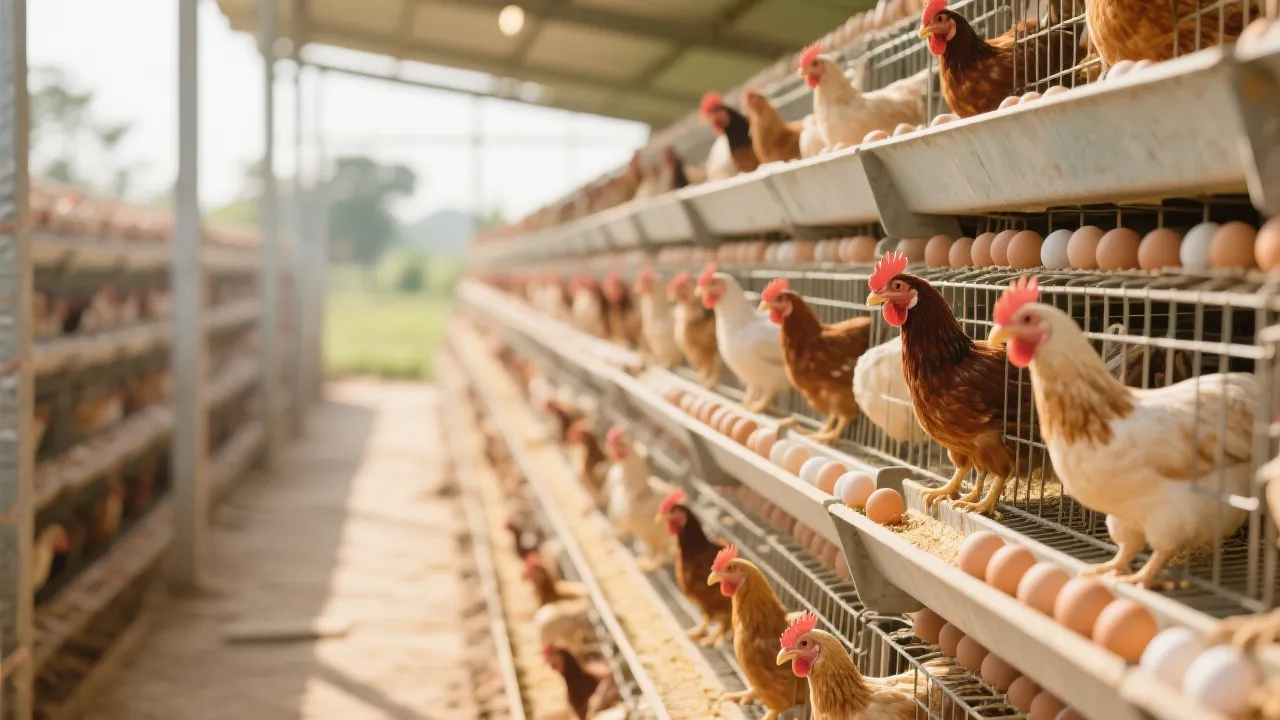
The H-shaped structure allows for better stacking density compared to conventional flat-frame designs. In real-world applications across Brazil and Vietnam, farms reported up to 12% more birds per square meter without compromising welfare metrics like feed conversion ratio (FCR). For managers dealing with land scarcity or rising rental costs, this design directly impacts ROI.
Automation That Reduces Labor Costs by 30–40%
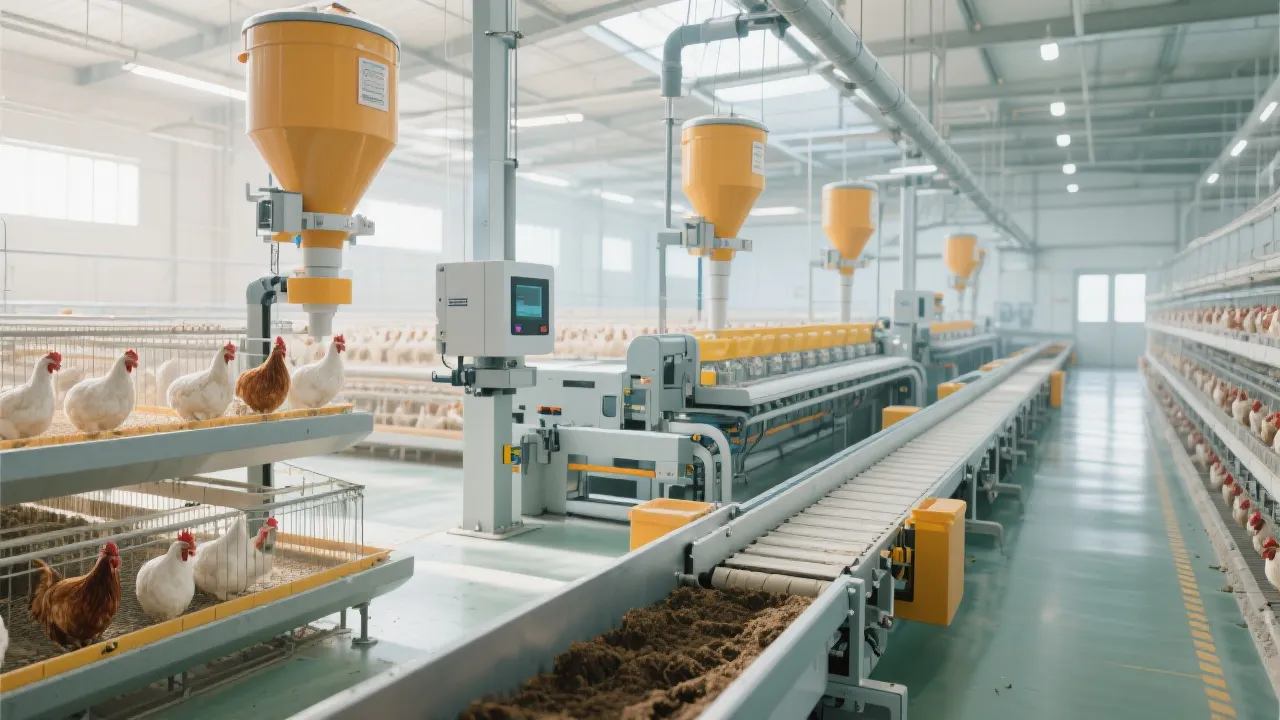
Integrated egg collection belts and automatic manure removal systems reduce daily labor requirements significantly. A case study from a 50,000-bird farm in Thailand showed a drop from 8 workers/day to just 5, while maintaining consistent egg quality. The system also minimizes stress on hens—leading to improved laying rates (up to 2.5% higher than traditional setups).
Compliance Meets Real-World Results
With growing regulatory pressure on animal welfare and environmental impact, farms must meet CE, ISO 14001, and local emissions standards. Livi’s cages comply with all major certifications, making them ideal for export markets such as EU, GCC, and Southeast Asia where non-compliant equipment faces import restrictions or penalties.
In regions like Indonesia and Mexico, where climate variability affects chicken health, these cages have proven superior in airflow management and disease control—reducing mortality rates by an average of 1.8% annually compared to older models.
What’s Next? Trends Driving Adoption
From AI-driven monitoring tools to smart feeding integration, the future of layer farming is digital—and it starts with the right infrastructure. As governments worldwide push for sustainable agriculture, farms that invest early in compliant, efficient systems will gain long-term advantages in both cost and reputation.
Download our free white paper: "How Modern layer cages Boost Productivity & Compliance" — filled with technical specs, case studies, and actionable insights tailored for global poultry managers.
Get Your Free Guide Now



Hot Products

.jpg?x-oss-process=image/resize,m_fill,h_800,w_800/format,webp)


Popular articles






READY TO START?
Ready to Build Your Poultry Farm?
Tell us your land size, poultry type and farming capacity. LIVI will provide a complete farm solution for your project.