


How Proper Ventilation and Temperature Control Boost Laying Hen Productivity and Prevent Heat Stress

Why Temperature Control Matters More Than You Think for Layer Hens
In commercial egg production, even a 2–3°C rise in barn temperature during summer can reduce daily egg output by up to 5%. That’s not just lost revenue—it’s stress for your flock and risk to long-term productivity. The key? Smart airflow design that keeps hens comfortable, healthy, and laying consistently.
The Hidden Link Between Ventilation and Egg Quality
A study from the University of Georgia (2022) found that when hens experience heat stress above 28°C for more than 2 hours per day, their calcium metabolism slows down—leading to thinner shells and higher breakage rates. This isn’t just about comfort—it directly impacts your bottom line. In one U.S. case, a farm using outdated ventilation saw shell quality drop from 94% to 82% after three weeks of hot weather.
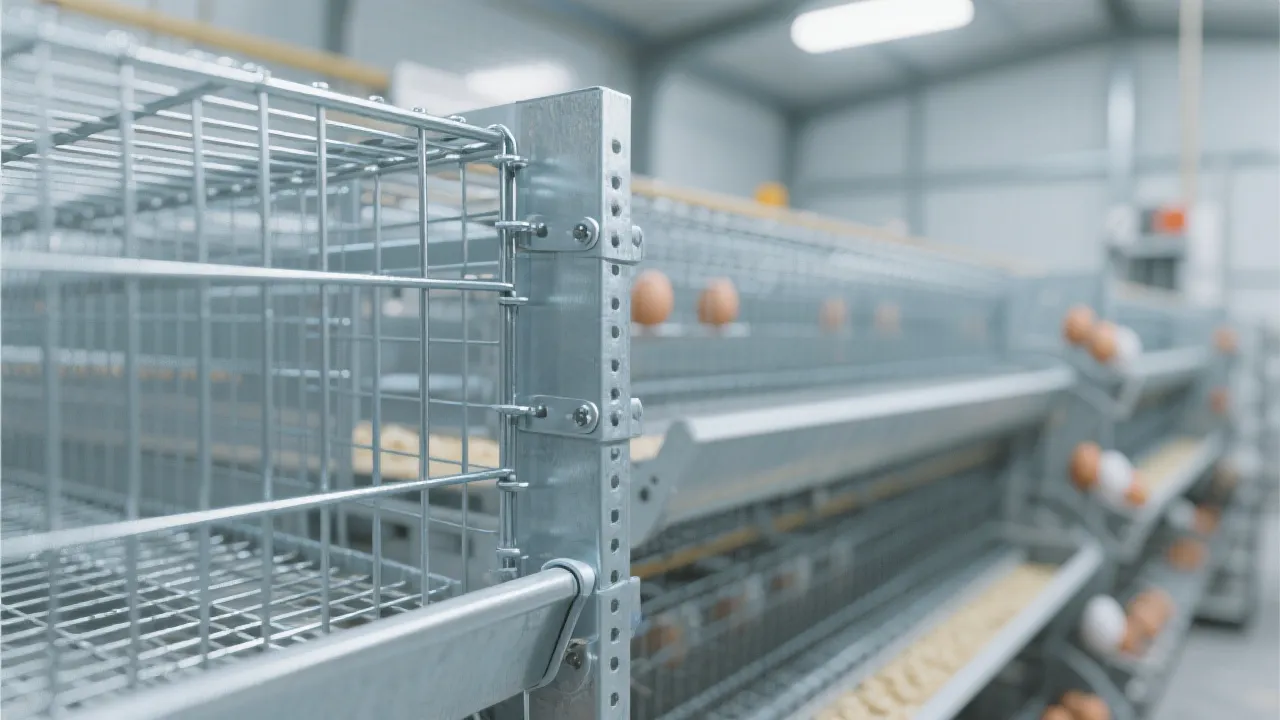
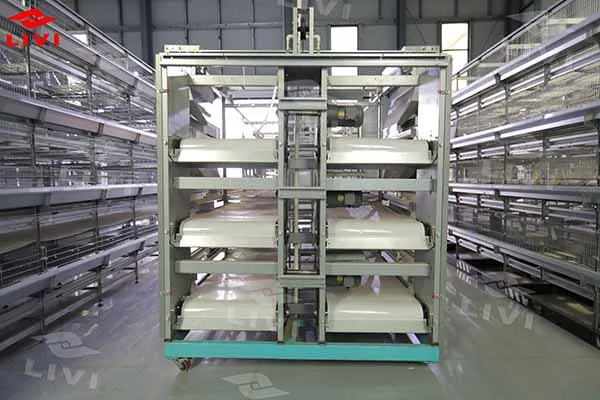
That’s where efficient air management comes in. Unlike traditional systems that rely on fans alone, modern solutions like the H-type layer cage ventilation system from Zhengzhou Livi Machinery use side-wall intake combined with top exhaust to create stable, laminar airflow—no turbulence, no hot spots. This setup maintains humidity at 55–65%, which is ideal for both hen health and feed efficiency.
Real Results from Real Farms
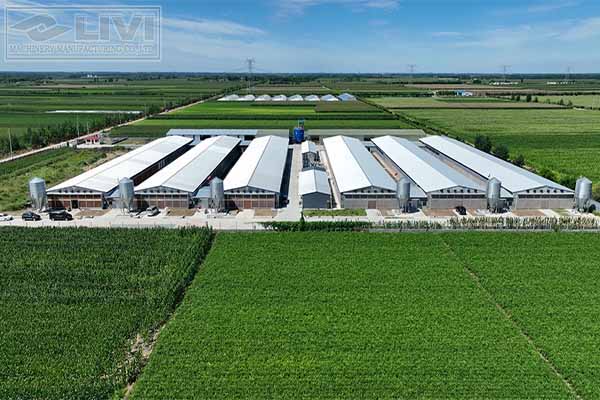
At a 12,000-hen operation in Henan Province, switching to this H-type system led to a measurable improvement:
- Egg production increased by 7.2% within 4 weeks
- Feed conversion ratio improved from 2.1 to 1.95
- Heat-related mortality dropped from 0.8% to 0.2%
What made the difference? Not just better airflow—but consistent environmental control. Hens don’t panic when temperatures swing wildly. They stay calm, eat well, and lay eggs reliably. And yes, it shows in the numbers.
Durability Meets Performance: Why Coating Matters
Many farms overlook equipment longevity—but rusted fans mean inconsistent airflow and costly downtime. Our H-type system uses aluminum-zinc alloy coating (AZ150), which provides 3x longer life than standard galvanized steel in humid environments. One Australian breeder reported zero maintenance issues over 3 years—while his old system needed replacement every 18 months.
This isn’t just about saving money—it’s about keeping your operation running smoothly without unexpected disruptions. When your ventilation system works quietly behind the scenes, you can focus on what really matters: healthy birds and high-quality eggs.
Simple Checks, Big Impact
You don’t need a PhD in engineering to monitor your environment. Use these quick methods:
- Check temperature/humidity logs hourly—look for spikes above 28°C
- Inspect fan blades monthly for dust buildup—cleaning improves airflow by up to 15%
- Test air velocity at bird level—aim for 0.5–1 m/s for optimal comfort
Pro Tip: Keep a logbook—not just for compliance, but for spotting patterns early. A few minutes a day can prevent big losses later.
If you’re serious about improving egg yield, reducing stress, and building a sustainable operation, now is the time to take action. Whether you're managing 500 or 50,000 hens, smart ventilation makes all the difference.
Discover How Our H-Type Ventilation System Can Boost Your Production



Hot Products

.jpg?x-oss-process=image/resize,m_fill,h_800,w_800/format,webp)


Popular articles






READY TO START?
Ready to Build Your Poultry Farm?
Tell us your land size, poultry type and farming capacity. LIVI will provide a complete farm solution for your project.