


Energy-Efficient Ventilation and Manure Removal Optimization in Layer Poultry Houses | Sustainable Farming Solutions
Integrated Ventilation and Manure Removal Systems: An Energy-Efficient Approach to Enhance Poultry House Air Quality
Modern poultry farm management increasingly prioritizes air quality and environmental sustainability. This article presents a focused examination of the collaborative optimization between mechanical manure removal systems—specifically scraper conveyor and spiral conveyor types—and ventilation solutions within H-type layer cages. Drawing insights from real-world industry applications, it provides a technical roadmap on energy-saving controls, maintenance protocols, and adherence to ISO 14001 environmental management standards to achieve superior air quality while minimizing operational costs.
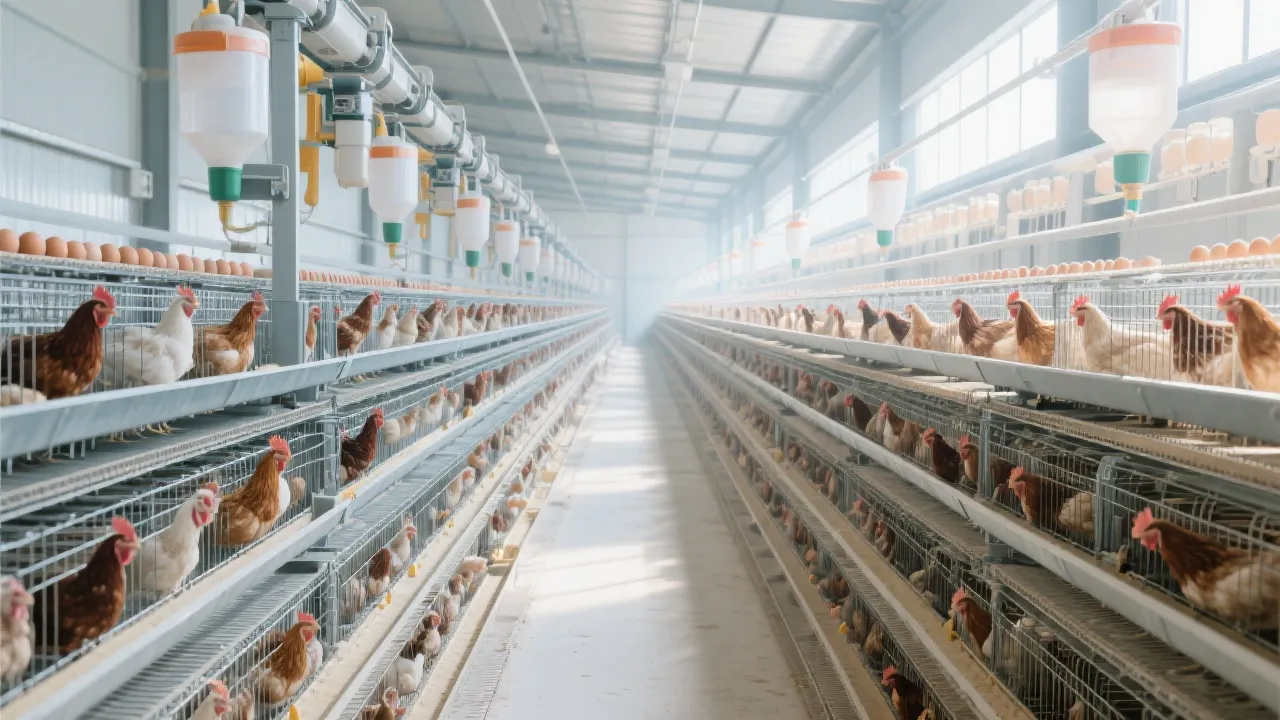
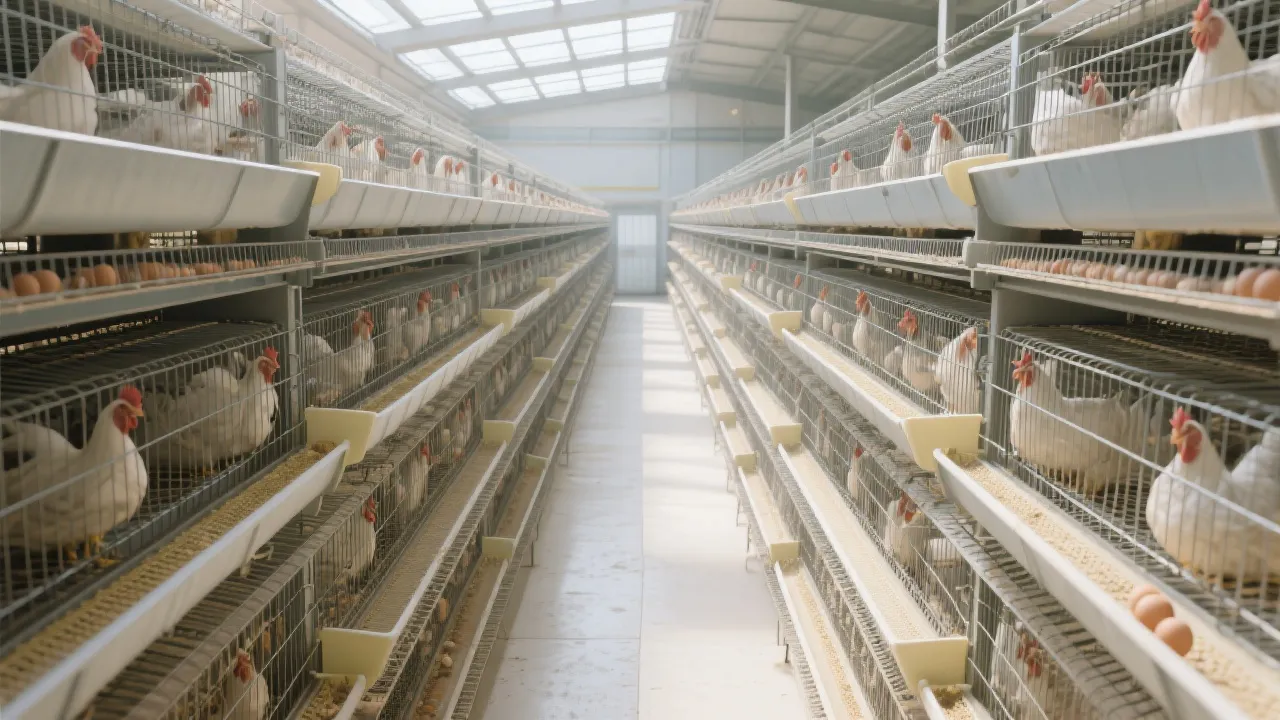
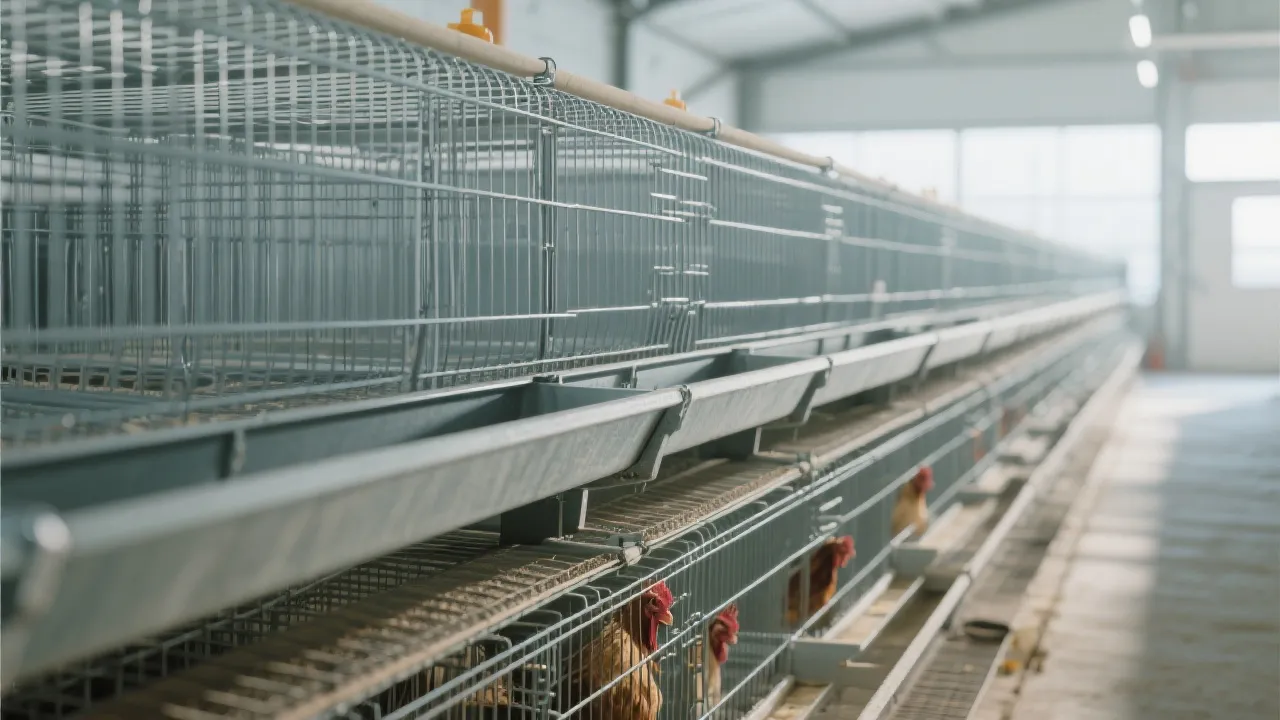
Mechanical Manure Removal Technologies in Layer H-Type Cages
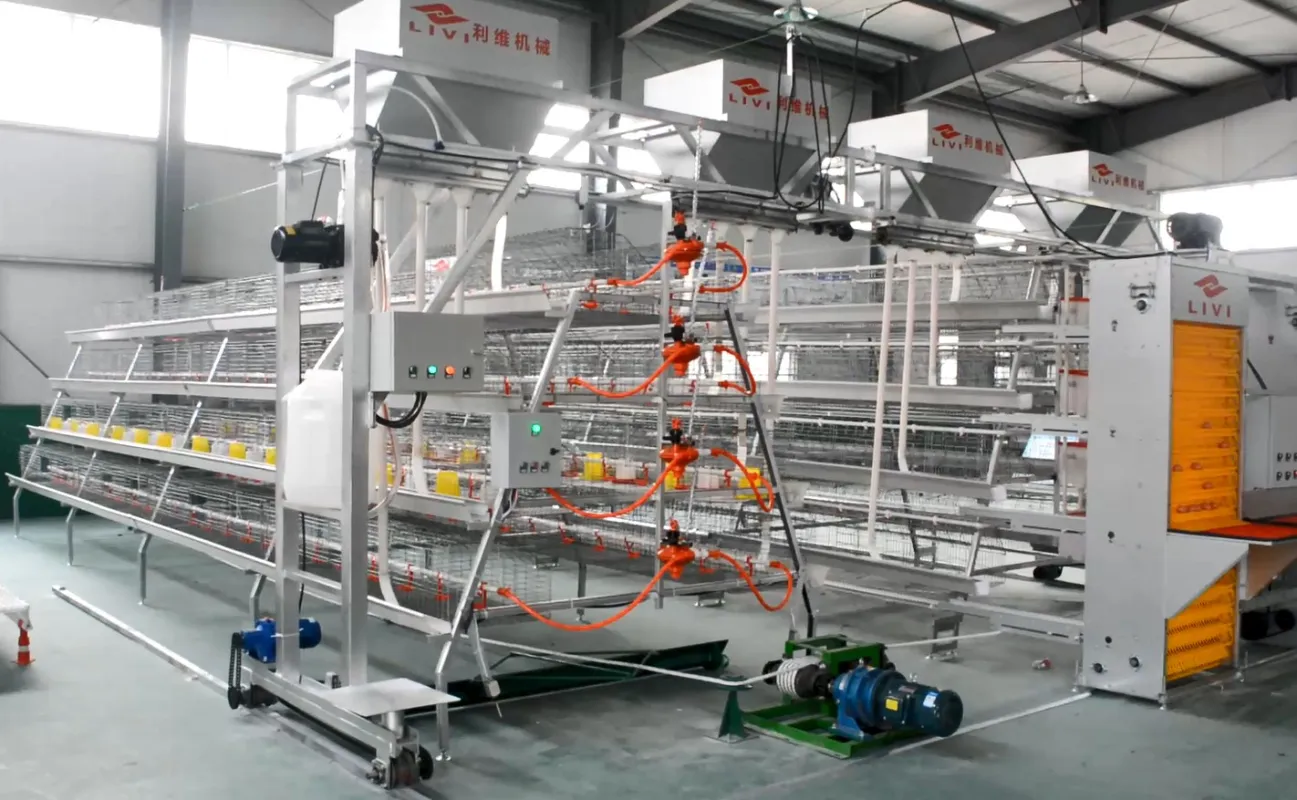
The mechanical manure removal technologies deployed in H-type layer cages primarily involve scraper conveyor systems and spiral conveyor mechanisms. The scraper conveyor system operates via a motor-driven scraper blade that continuously pushes manure along gutters into a collection chamber. Spiral conveyors use helical screw shafts rotating within a trough, efficiently transporting litter without the need for complex moving parts.
| System Type | Key Advantages | Energy Consumption (kW/h) | Maintenance Cycle (months) |
|---|---|---|---|
| Scraper Conveyor | Robust, widely compatible, continuous cleaning | 1.2 - 1.5 | 6-8 |
| Spiral Conveyor | Compact design, less mechanical wear, efficient transport | 0.8 - 1.1 | 8-10 |
Synergistic Ventilation and Manure Removal for Air Quality Improvement
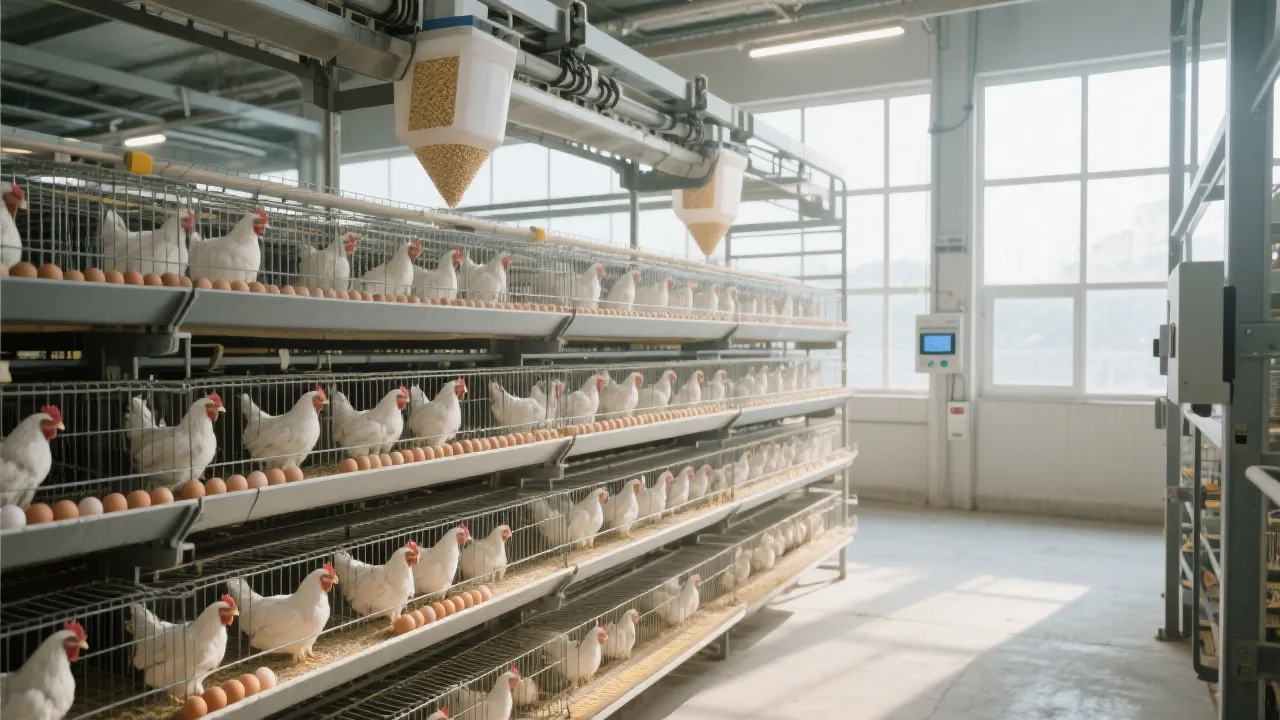
Optimizing ventilation alongside manure removal systems is critical for maintaining ammonia levels below the recommended threshold of 20 ppm, essential for layer health and productivity. The integration of variable-speed fans and sensor-driven controllers enables dynamic adjustment of airflow based on real-time ammonia and humidity metrics.
By coordinating manure removal cycles with ventilation intensity, farms report energy savings of approximately 18-22% while maintaining a consistent indoor environment within the target temperature range of 18–22 °C. Such approaches reduce stress on birds and contribute to improved egg production rates by up to 5% annually.
Energy-Saving Control Strategies and Maintenance Protocols
Implementing energy-saving strategies involves:
- Deploying Programmable Logic Controllers (PLCs) to automate synchronized operation of ventilation and manure removal.
- Scheduling manure removal during low-activity periods to reduce peak energy demand.
- Using predictive maintenance based on sensor data to preempt equipment failure and optimize service intervals.
Regular inspection of conveyor belts, motor bearings, and ventilation ducts every 6-8 months ensures operational reliability and maximum efficiency.
Manure Resource Utilization Under ISO 14001 Environmental Framework
Within the ISO 14001 environmental management framework, the resource recovery from poultry manure is standardized to mitigate environmental impact. This includes:
- Mechanical drying and pelletizing manure for use as organic fertilizer.
- Biogas production via anaerobic digestion as an eco-friendly energy source.
- Reducing nutrient runoff through closed-loop fertilizer applications.
Farms adhering to these practices have demonstrated reductions in greenhouse gas emissions by up to 30%, supporting sustainable poultry operation goals.
Frequently Asked Questions (FAQ)
- Q1: How often should the manure removal system run for optimal air quality?
- Ideally, the system operates several times per day (3-5 cycles), timed to coincide with ventilation peaks to quickly reduce ammonia concentration.
- Q2: Can existing ventilation systems be retrofitted with smart controls?
- Yes, integrating sensor-based controllers with current fans and ducts is feasible and cost-effective, typically recouping investment within 18-24 months through energy savings.
- Q3: What maintenance challenges should be anticipated with spiral conveyor systems?
- Key challenges include screw shaft wear and motor overheating; regular lubrication and temperature monitoring are recommended.
- Q4: How does ISO 14001 certification benefit poultry farms?
- Certification demonstrates environmental commitment, improves regulatory compliance, and opens market opportunities by aligning with green standards.





Hot Products

.jpg?x-oss-process=image/resize,m_fill,h_800,w_800/format,webp)


Popular articles




READY TO START?
Ready to Build Your Poultry Farm?
Tell us your land size, poultry type and farming capacity. LIVI will provide a complete farm solution for your project.