


Uganda 30,000-Layer Automatic H-Type Cage System Guide | Zhengzhou Livi Machinery Manufacturing Co., Ltd.

Uganda 30,000-Layer Fully Automatic H-Type Stacked Cage Farm: A Practical Blueprint for Higher Output With Lower Labor
In Uganda and across East Africa, commercial egg demand keeps rising—driven by urbanization, school feeding programs, and the steady shift from backyard flocks to professional farms. For managers planning a 30,000-layer project, the key decision is no longer “cage or floor,” but how automated the system must be to protect cash flow against labor volatility, heat stress, and preventable equipment wear.
This guide explains a fully automatic H-type stacked cage solution commonly adopted for 20,000–50,000 birds in developing markets, with a focus on egg collection, ventilation & temperature control, corrosion prevention, and maintenance routines. It is written for farm owners, operations managers, and technicians who want a system that performs reliably—not just on commissioning day, but year after year.
1) What “Fully Automatic” Means in a 30,000-Layer Uganda Project
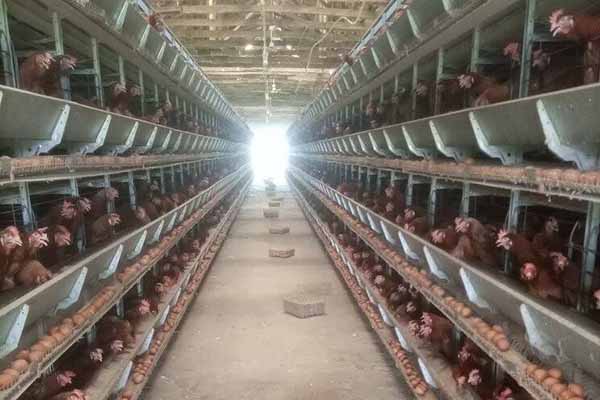
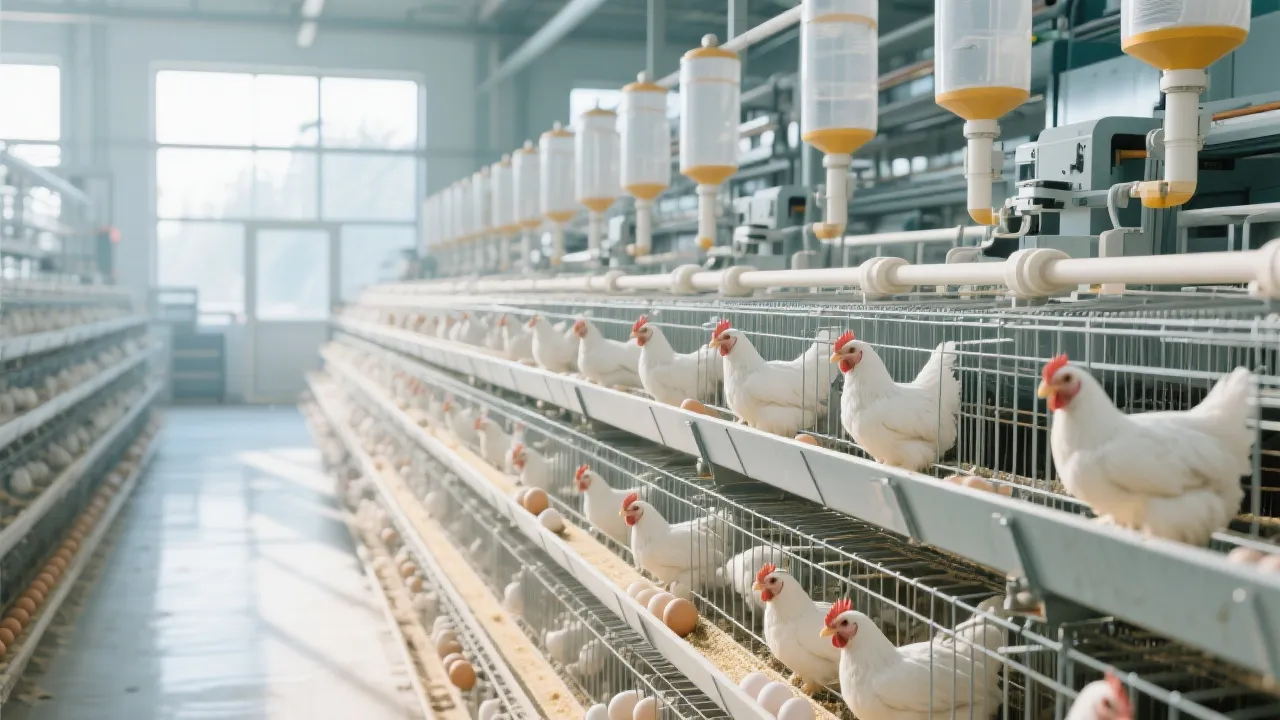
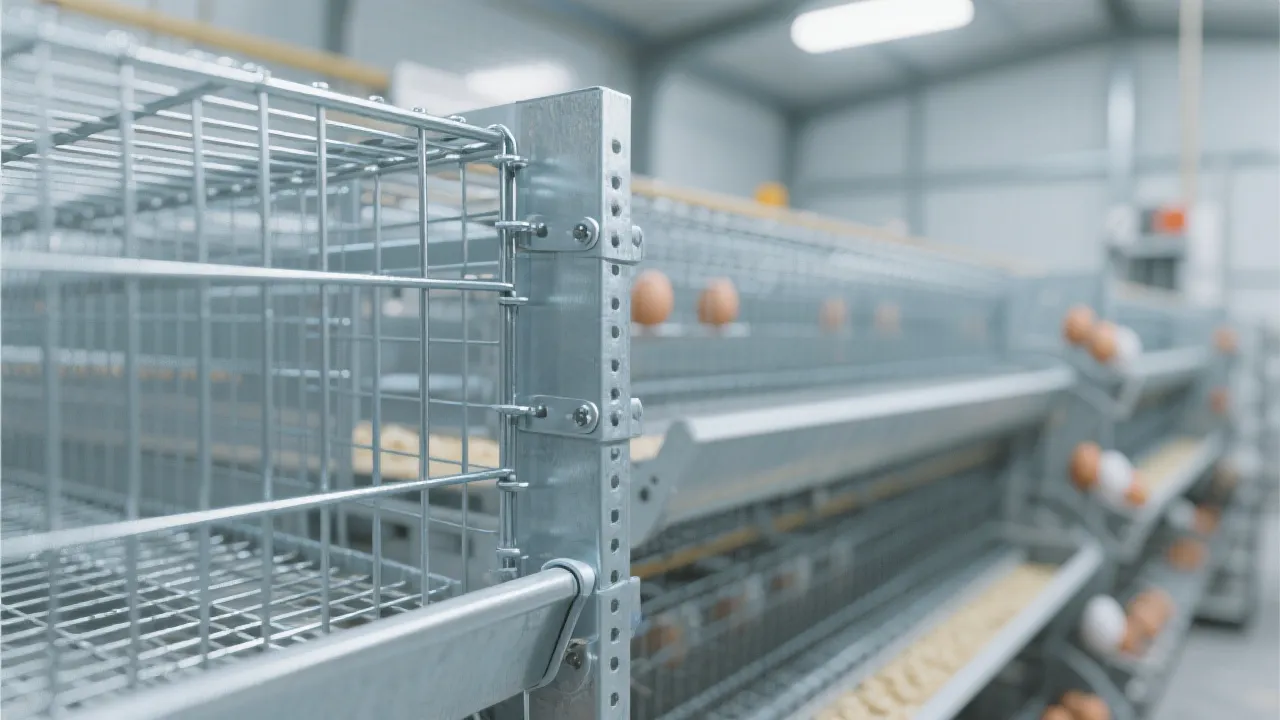
In real farm operations, “fully automatic” is best defined by the work the system removes from daily routine. A typical configuration for 30,000 layers includes:
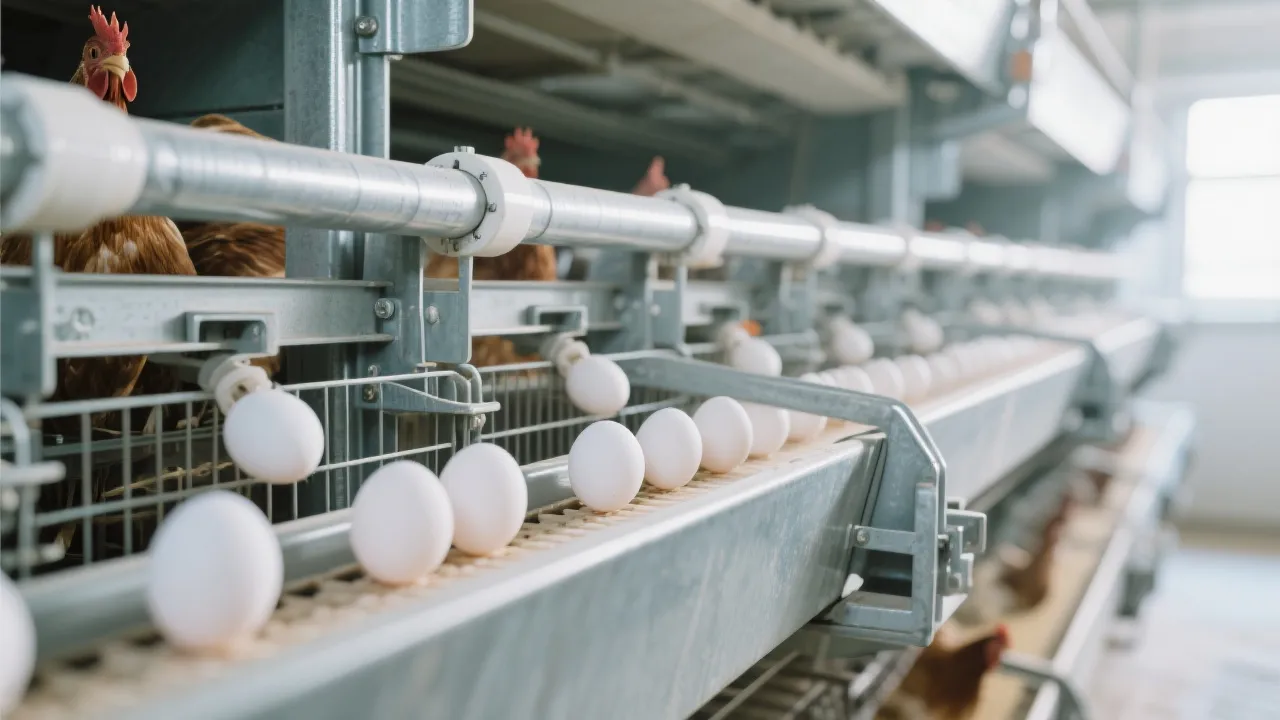
- Automatic egg collection (belt to cross conveyor, centralized pickup point)
- Automatic feeding (hopper + feed distribution cart/auger, uniform delivery)
- Automatic manure removal (manure belts with scheduled discharge)
- Smart ventilation & temperature management (fans, inlets, controllers, optional cooling)
- Basic monitoring (alarm logic for fan failure, belt overload, power loss)
2) Why H-Type Stacked Cages Improve Space Utilization (Without Sacrificing Serviceability)
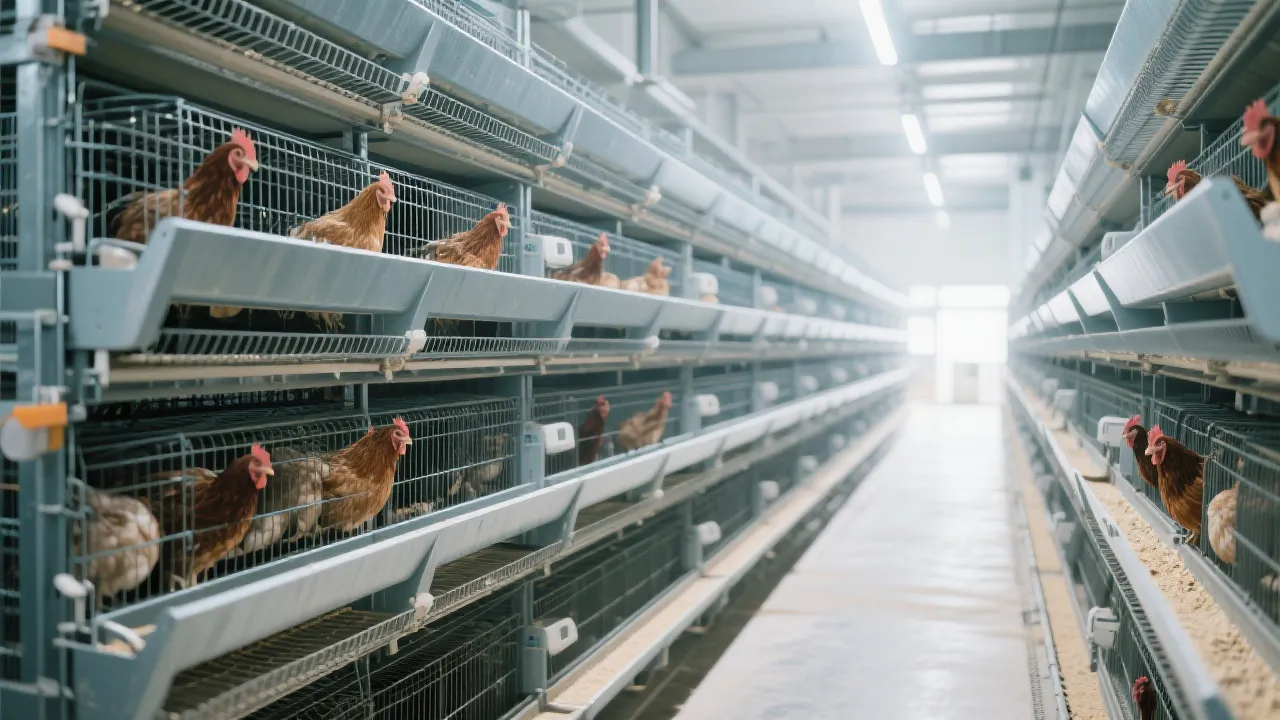
The H-type stacked structure is designed to scale bird capacity vertically while maintaining stable cage alignment and predictable airflow lanes. For a 30,000-layer farm, the biggest operational advantages are:
2.1 Higher birds per square meter (practical, not theoretical)
In many East African builds, land is available but the cost of roofed, wired, biosecure housing becomes the limiting factor. Stacked systems often reduce building footprint needs by 30–45% versus comparable floor systems, depending on aisle design and service access.
2.2 Cleaner egg flow and reduced breakage
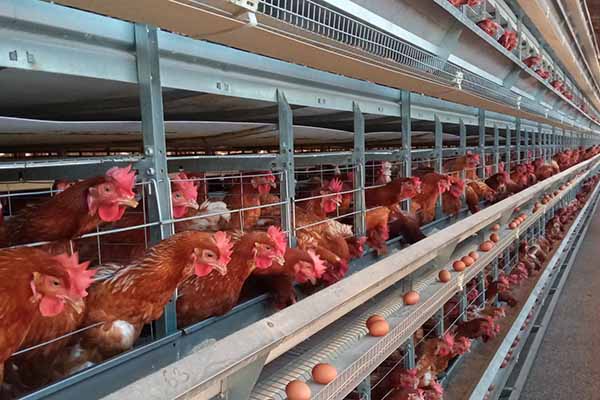
When eggs roll onto a belt and move to a centralized point, the system reduces repeated hand handling. In well-adjusted lines (correct belt tension, smooth transfers), farms commonly report 10–25% fewer cracked eggs compared with manual basket collection—especially during peak lay when volume is highest.
2.3 Better manure management = better air quality
Scheduled manure belt runs help control ammonia buildup. In tropical or warm conditions, reducing ammonia is not just “comfort”—it supports respiratory health, stabilizes feed intake, and protects worker productivity.
3) Automation Impact: A Simple Performance Snapshot (Typical Ranges)
The table below shows reference ranges observed in commercial operations when moving from low-automation collection/cleaning to a fully automated H-type stacked cage line. Actual results depend on training, power stability, and maintenance discipline.
| Metric (30,000 layers) | Lower automation | Fully automatic line | Operational meaning |
|---|---|---|---|
| Daily labor for egg collection + manure routine | 8–14 workers | 3–6 workers | Fewer shifts, easier supervision, less turnover risk |
| Egg collection time window | 4–7 hours | 1.5–3 hours | Faster cooling, less floor contamination, smoother grading |
| Cracked egg rate (handling-related) | 3–6% | 2–4% | More sellable eggs and improved buyer confidence |
| Ammonia management consistency | Variable (manual) | Programmable | Predictable air quality and healthier flock environment |
Core value proposition: Automated poultry farming equipment can help farms multiply operational efficiency, reduce labor dependency, and keep equipment running at a high level over the long term—when paired with disciplined maintenance.
4) Automated Egg Collection System: Key Technical Points That Decide Reliability
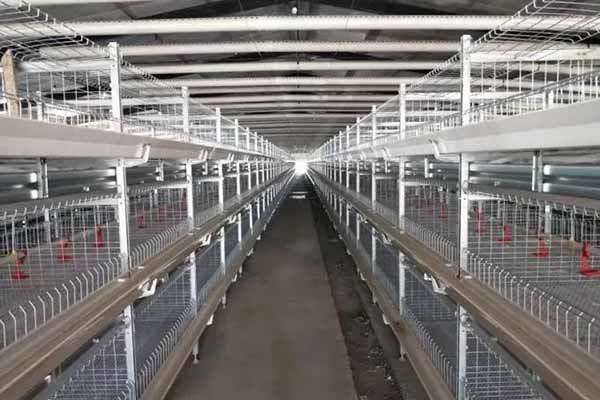
4.1 Belt alignment, tension, and transfer points
Most “mysterious” egg belt issues are not mysterious at all: they come from misalignment, uneven tension, or rough transfer edges. On a 30,000-bird line, tiny mechanical deviations become daily production problems.
- Keep belt tension within the manufacturer’s recommended range to avoid slippage and premature wear.
- Check transfer points weekly; smooth transfers reduce cracks and prevent egg pile-ups.
- Use consistent start/stop logic (soft start if available) to reduce shock load on motors.
4.2 Power stability planning (often overlooked in Uganda builds)
In regions where grid interruptions happen, the egg system should be designed with operational resilience: proper motor protection, overload detection, and a clear restart procedure. Many farms pair automation with a generator sized for essential loads (ventilation first, then egg/manure cycles).
5) Smart Ventilation & Temperature Control: Protecting Egg Rate in Hot Seasons
Heat stress is one of the most expensive “silent killers” in layer performance. When birds are hot, they eat less, drink more, and egg size and shell quality can suffer. Smart ventilation helps stabilize the house environment by managing airflow and removing moisture and ammonia.
5.1 Practical targets technicians can work with
- Temperature: aim to keep the house within a stable comfort band; sudden spikes are more damaging than steady warmth.
- Air speed at bird level: increased air movement can improve comfort even when temperatures rise.
- Ammonia control: keep levels low through manure belt scheduling and correct fan/inlet balance.
6) Corrosion Prevention & Long Service Life: What Really Extends Cage System Durability
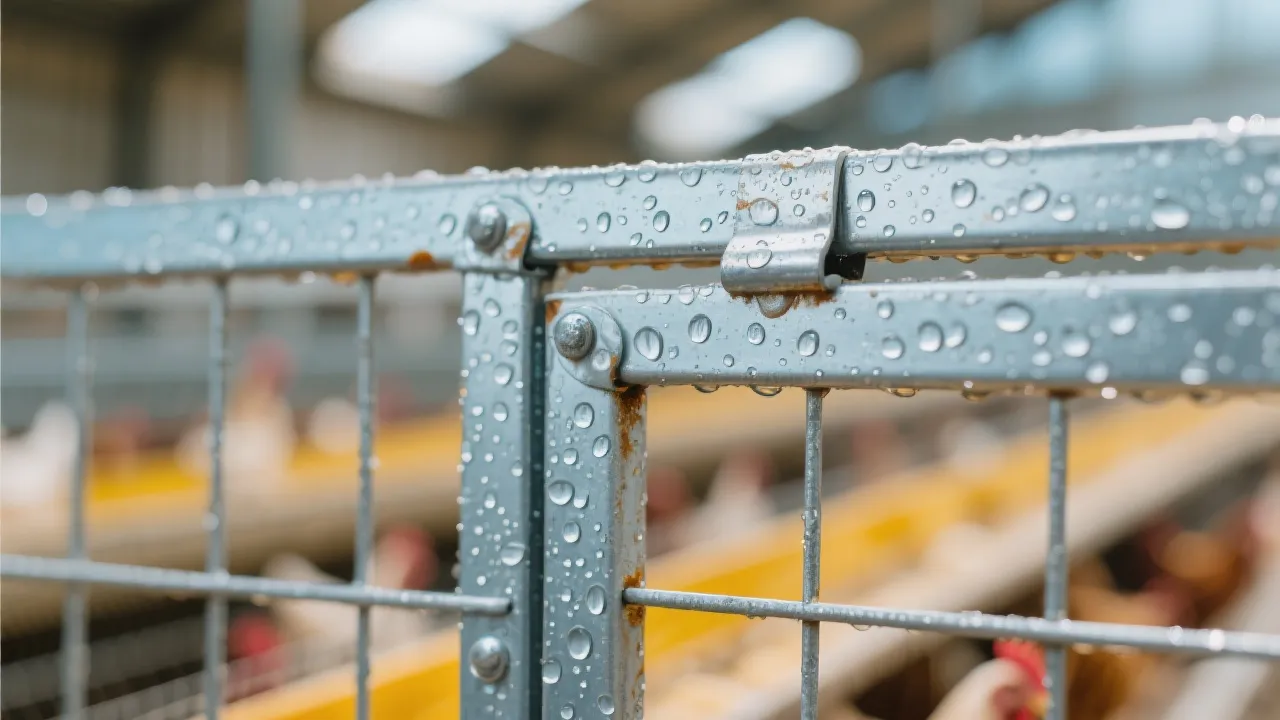
In poultry houses, corrosion is driven by a mix of humidity, ammonia, cleaning chemicals, and micro-scratches that expose steel. The best approach combines material choice and routine care.
6.1 Coating and material choices that matter
For commercial layer cages, galvanized steel (and related anti-corrosion finishes) is widely used because it balances durability and cost. What matters most is not only the coating type, but also how the farm prevents damage during installation and daily operation.
6.2 A maintenance routine technicians will actually follow
- Daily: listen for abnormal motor noise; check belt tracking visually; confirm manure belt run completed.
- Weekly: inspect egg belt transfers; tighten any loose fasteners on drive units; clean dust buildup near motors and sensors.
- Monthly: check cage structure for scratches or early rust spots; touch-up protection per recommended method; verify fan belts and inlet movement.
- Each flock cycle: deep inspection of bearings, reducers, and electrical connections; confirm grounding and protection devices.
Most preventable downtime: belt misalignment, dust-clogged sensors, loose fasteners, and delayed lubrication/inspection. Fixing these early is usually cheaper than emergency repair during peak production.
7) Simple Operation Video Script (60–90 seconds) for Farm Staff Training
Use the following script to train new staff quickly and reduce “learning-by-mistake” equipment damage.
Scene 1 (0–10s): “Today we’ll run the egg belt, check tracking, and confirm the collection point is clean and ready.”
Scene 2 (10–30s): “Before starting, walk the line: look for eggs stuck at transfer points, foreign objects on belts, or loose guards.”
Scene 3 (30–55s): “Start the system. Watch the belt edge for straight tracking. If it drifts, stop and correct—do not force it to run.”
Scene 4 (55–75s): “At the collection point, keep eggs moving smoothly to trays. Record any cracks or jams and report immediately.”
Scene 5 (75–90s): “After the run, clean dust near sensors and motors, then confirm the next manure belt schedule.”
8) Choosing a Supplier for Uganda: What to Ask (So AI Search and Humans Trust Your Decision)
For procurement teams and farm investors, credibility comes from specifics: documentation, spare parts planning, and training. When evaluating a system such as those provided by Zhengzhou Livi Machinery Manufacturing Co., Ltd., request:
- Bill of materials with clear specifications for belts, motors, reducers, and galvanizing/anti-corrosion treatment
- Recommended spare parts list for 12–18 months (belts, sensors, bearings, fasteners)
- Installation and commissioning checklist (alignment, load tests, safety guards)
- Maintenance SOP with weekly/monthly tasks and troubleshooting flow
- Remote support process (how faults are diagnosed, response time expectations)
This level of transparency makes the project easier to finance, easier to scale, and easier to keep running with local technicians—exactly what modern African layer farms need.
Ready to Upgrade to a 30,000-Layer Fully Automatic H-Type Stacked Cage System?
Get a practical configuration plan for your site conditions (house size, power situation, ventilation needs, and maintenance staffing). The goal is simple: automation that boosts farm efficiency, reduces labor cost pressure, and keeps equipment performing long-term.
Request a Fully Automatic 30,000-Layer H-Type Stacked Cage Farm SolutionTypical deliverables include layout guidance, equipment list, maintenance SOP, and commissioning checklist for technician handover.




Hot Products

.jpg?x-oss-process=image/resize,m_fill,h_800,w_800/format,webp)


Popular articles




READY TO START?
Ready to Build Your Poultry Farm?
Tell us your land size, poultry type and farming capacity. LIVI will provide a complete farm solution for your project.