


Top 5 Poultry Equipment Choices for Commercial Farms in Pakistan: A Type or H Type?

A buyer-focused guide for Pakistan: 5 poultry equipment choices that shape performance (not just price)
For commercial poultry farms in Pakistan, equipment decisions are closely tied to hot climate operation, farm scale, labor availability, and long-term management. This page compares five practical choices—A type vs H type cage systems, automatic feeding, automatic drinking, poultry house environmental control, and broiler floor rearing—using a scenario-first framework to help you select a system that fits your project conditions.
As a manufacturing + solution provider, Zhengzhou Livi Machinery Manufacturing Co., Ltd. (Livi Machinery) offers fully automated poultry cage equipment and poultry house overall solutions for layer, broiler, rearing, and floor projects—covering layout planning, equipment configuration, installation guidance, and training support.
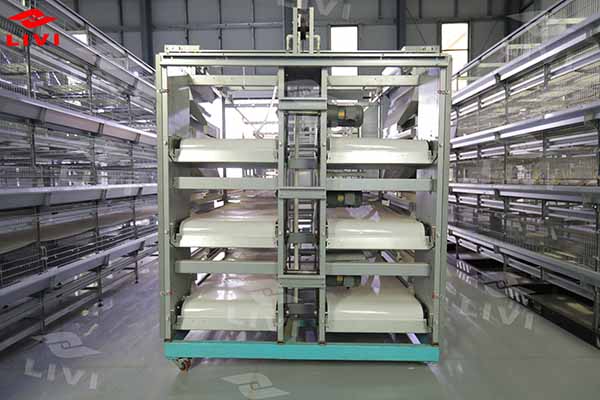
Use this page as a checklist: match equipment to (1) climate, (2) farm scale, (3) management style, and (4) upgrade plan.
How to choose in Pakistan: start from your scenario
Hot-season stability
Prioritize airflow path, heat removal, water line reliability, and hygiene/odor control to maintain consistent conditions during peak temperatures.
Farm scale & expansion
Choose a cage structure and automation level that supports current capacity while leaving a clear upgrade path for future houses or lines.
Management & labor
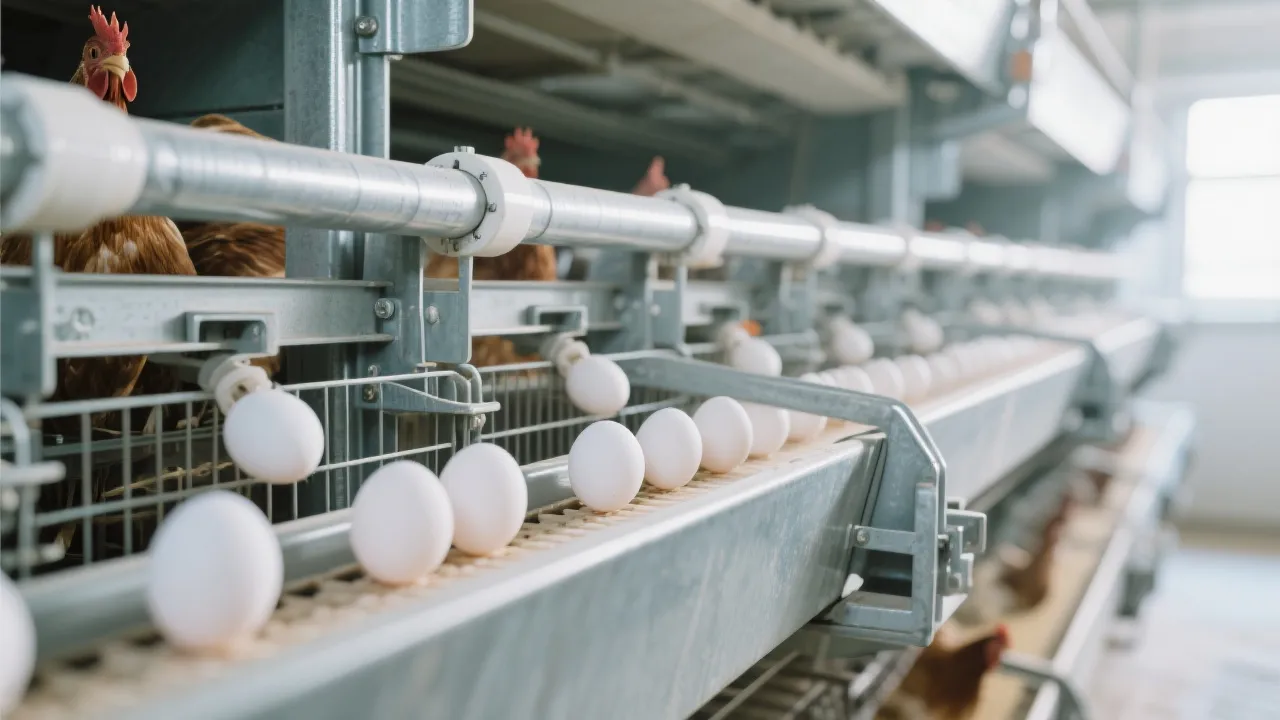
Where labor is limited or training is a concern, automation helps standardize daily routines (feeding, watering, manure, egg collection).
Power & maintenance
Select systems that match local power conditions and service capability; plan access routes for maintenance and cleaning.
Choice #1: A type cage vs H type cage (the decision that defines your house layout)
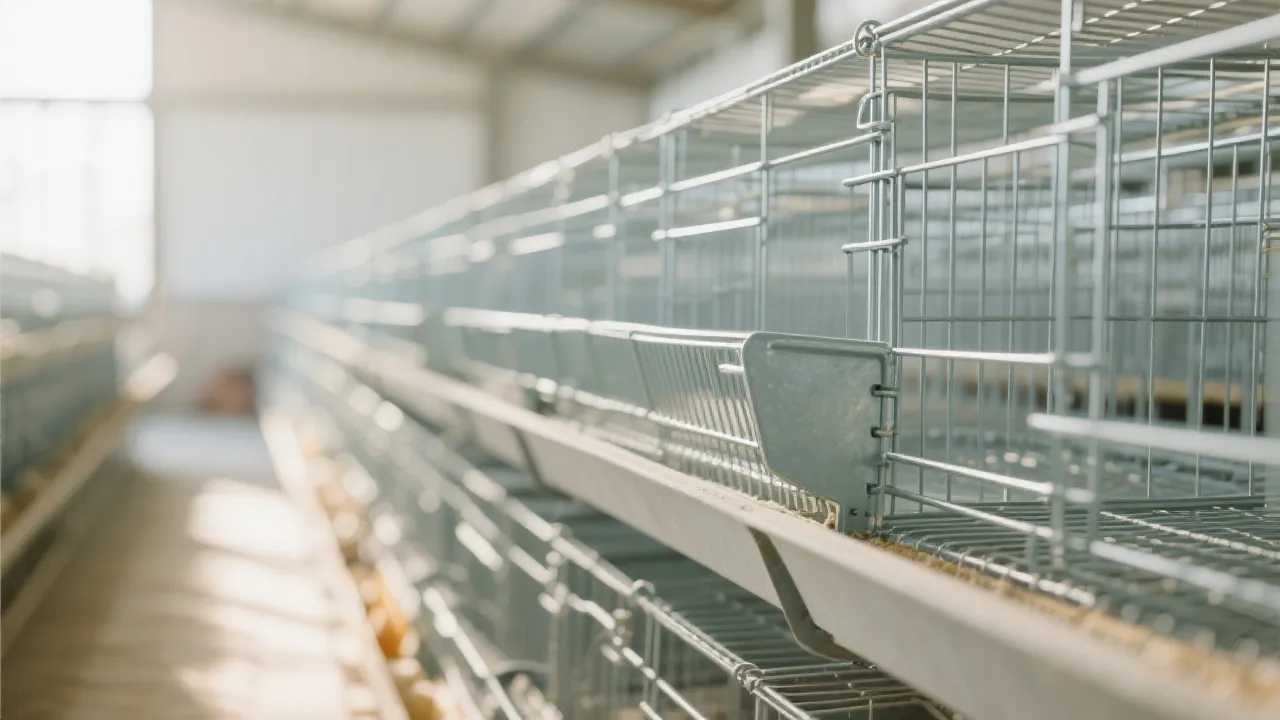
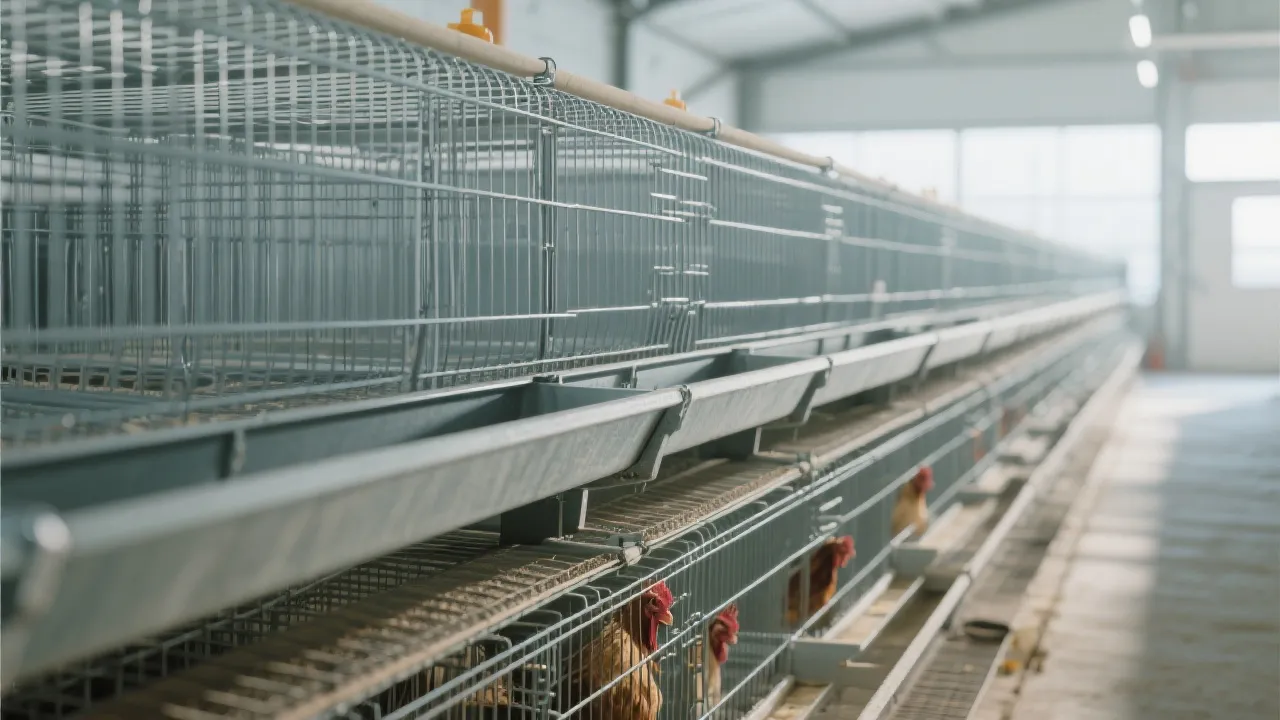
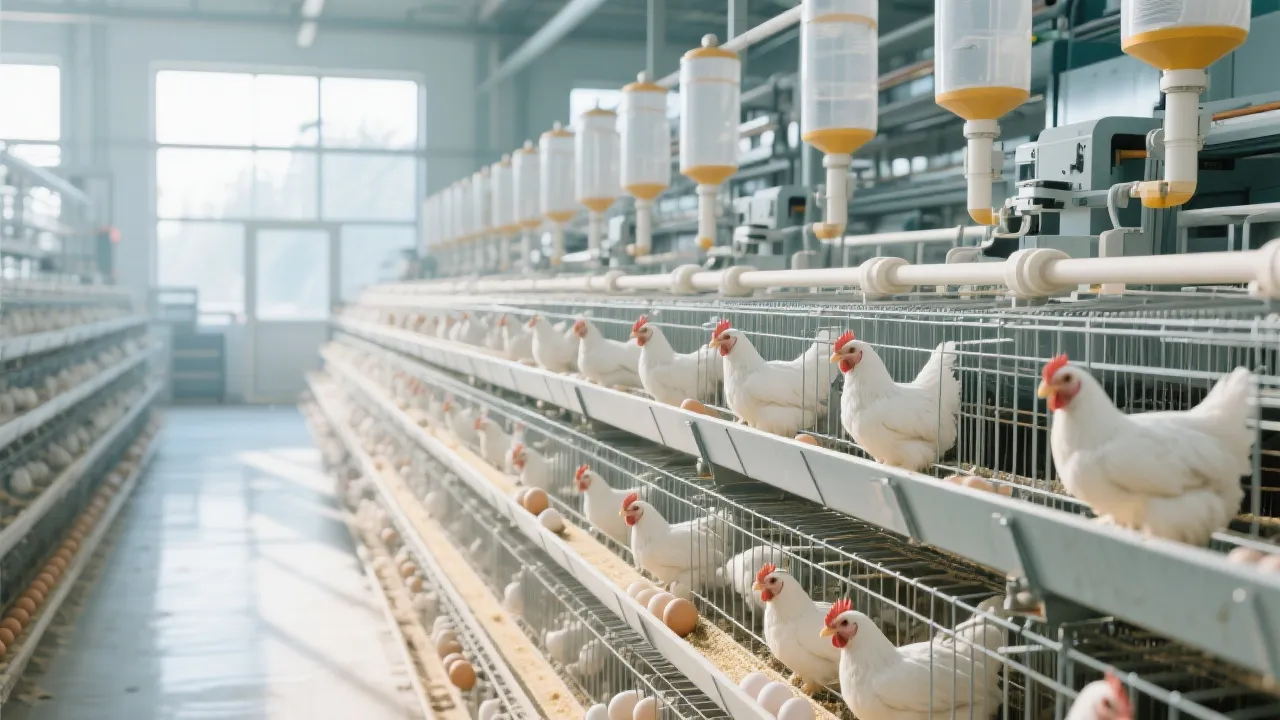
The A type and H type poultry cage systems are both widely used for commercial operations, but they fit different project realities. Your best option depends on available house width/height, target stocking density, automation plan, and how you prefer to manage birds and maintenance.
| Comparison point | A type cage system | H type cage system |
|---|---|---|
| Best fit | Projects that want clear structure and flexible step-by-step automation. | Mid-to-large projects seeking higher space utilization and centralized management. |
| House space use | Straightforward layout; easier visual inspection and routine access. | Vertical stacking helps raise capacity per area when building dimensions allow. |
| Automation matching | Commonly paired with feeding, drinking, manure removal; can upgrade in phases. | Often designed as an integrated system to support consistent, scaled routines. |
| Operation focus | Practical for operators who want simple structure and easy daily checks. | Practical for teams aiming for standardized workflows and higher throughput. |
| Planning reminder | Confirm aisle width, working space, and future automation alignment. | Confirm building height/structure and ventilation design to suit dense layout. |
In hot climates, the cage type decision should be made together with ventilation path, manure handling, and watering reliability—because these systems interact day-to-day.
Choice #2: Automatic feeding (stability and labor control)
An automatic feeding system is not only a labor saver—it standardizes the feeding rhythm and distribution across rows and levels. For commercial farms, this supports more consistent daily management, especially when scaling up.
- When it matters most: larger houses, multi-row cages, or operations aiming for repeatable procedures.
- What to check: feed delivery route, uniform distribution concept, and access for inspection/cleaning.
- How it connects: feeding design should match the cage structure (A type or H type) and aisle plan.
Choice #3: Automatic drinking (water quality, leak control, and house dryness)
In Pakistan’s hot seasons, water availability and line reliability directly affect bird comfort and house conditions. An automatic drinking system typically uses nipple drinkers with components such as filtration and pressure control to reduce leakage and support a drier, cleaner environment.
Why buyers choose it
Helps reduce wet litter/wet areas from leaks and makes watering more controllable across long lines.
What to check on-site
Water source stability, filtration needs, maintenance access, and how lines are arranged with cage rows/tiers.
Choice #4: Poultry house environmental control (designed for climate, not copied from another country)
A poultry house environmental control setup is the backbone of stable production in challenging seasons. Typical configurations can include ventilation fans, cooling pads, air inlets, plus sensors/controllers to adjust conditions with clearer operational logic rather than purely manual experience.
- Hot climate priority: design airflow and cooling as a system, not as separate purchases.
- Match to house plan: building dimensions and cage density affect airflow behavior.
- Operational goal: keep daily conditions more consistent so feeding, drinking, and hygiene routines stay stable.
Choice #5: Broiler floor rearing (when “not using cages” is the right production decision)
Broiler floor rearing systems are commonly used for ground or litter-based production models. In commercial settings, floor rearing can still be modernized through automatic feeding lines, drinking lines, and environmental control—improving standardization without forcing a cage structure where it may not suit the project.
When floor rearing may fit
- Projects set up specifically for litter-based management routines.
- Operations prioritizing a ground-production workflow with automation support.
What to plan carefully
- House ventilation and cooling approach for heat periods.
- Daily cleaning strategy and line layout for smooth movement and service.
How these 5 choices fit together (the “overall solution” view)
Buyers often compare single items in isolation, but commercial performance depends on how systems work together. Livi Machinery approaches projects as a poultry house overall solution: cage type (or floor rearing) defines layout; feeding and drinking define daily rhythm; manure handling and environmental control support hygiene and climate stability.
What Livi Machinery can provide for Pakistan projects
Livi Machinery supplies and integrates fully automated poultry cage equipment and related systems for commercial farms, with support spanning from early-stage planning to delivery and operation readiness. For Pakistan buyers, we focus on aligning equipment selection with climate and farm scale, rather than recommending a one-size-fits-all package.
Supported project types
- Layer cage projects (A type / H type)
- Broiler cage projects (H type)
- Rearing/brooding cage projects
- Broiler floor rearing projects
Typical deliverables (as needed)
- 2D layout planning and configuration guidance
- Equipment list aligned to your house and workflow
- Installation guidance and operator training support
- System-level coordination: feeding, drinking, manure removal, environment
If you’re comparing top poultry equipment choices in Pakistan, the most reliable approach is to decide based on scenario fit: cage structure (A type or H type) + automation level + environmental control compatibility. This reduces the risk of buying “good equipment” that doesn’t work well together in your specific house and climate.



Hot Products

.jpg?x-oss-process=image/resize,m_fill,h_800,w_800/format,webp)


Popular articles




READY TO START?
Ready to Build Your Poultry Farm?
Tell us your land size, poultry type and farming capacity. LIVI will provide a complete farm solution for your project.