


Effective Temperature Control in Poultry Houses: Sidewall Inlet and Top Exhaust Ventilation to Reduce Heat Stress and Maintain Egg Production

Tackling Egg Production Decline Under High Temperatures: Mastering Sidewall Inlet & Top Exhaust Ventilation in Your Layer House
If you've noticed a drop in your henhouse’s egg production during hot months, you’re not alone. Elevated temperatures above 30°C can reduce egg-laying rates by 10% to 25%, according to poultry industry research. The key to reversing this trend lies in optimal temperature control, specifically through air flow management that minimizes heat stress.
Why Sidewall Inlets and Top Exhausts Matter for Your Chicken House
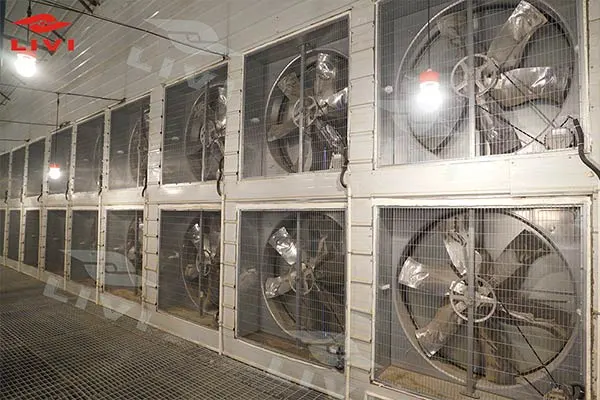
Effective ventilation in your layer house involves not just air exchange, but strategic airflow organization. Implementing a sidewall inlet combined with a top exhaust system orchestrates fresh air efficiently and expels hot, humid air where it accumulates near the ceiling. This approach maintains a stable, comfortable environment crucial for sustaining high production.
In practice, sidewall vents draw in cooler external air at bird level, which then rises with heat generated inside and exits through the rooftop vents, establishing a continuous vertical airflow. This setup counters thermal stratification — a primary cause of overheating in poultry houses.
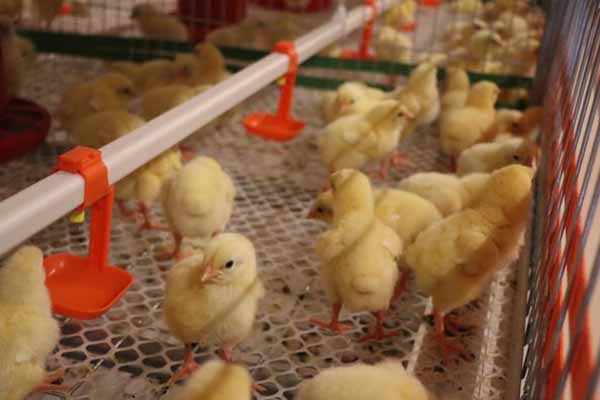
Understanding Temperature Impact & Heat Stress Management
Studies show that when temperatures exceed 30°C, hens experience heat stress, interrupting their metabolic balance and reducing egg-laying consistency. Your best defense is minimizing this stress by controlling both temperature and humidity.
Besides ventilation, maintaining relative humidity around 50-70% optimizes respiratory comfort. Airflow from the sidewalls helps keep the microclimate at bird level cooler and prevents buildup of harmful gases like ammonia.
Durability & Corrosion Resistance with Aluminum-Zinc Alloy Coating
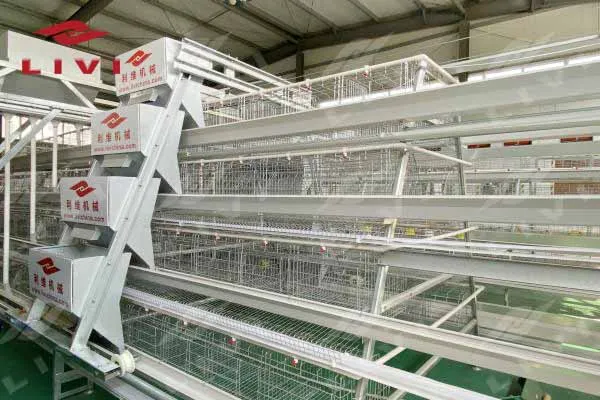
Investing in an H-type layer cage system paired with aluminum-zinc alloy coated ventilation components dramatically extends equipment lifespan. This coating not only prevents rust and corrosion caused by moisture and ammonia but also reduces downtime for maintenance — saving you money and headaches.
Over a typical 5-year cycle, corrosion-related breakdowns can drop by up to 40% with proper coatings. This reliability supports uninterrupted egg production, even during the humid and hot seasons.
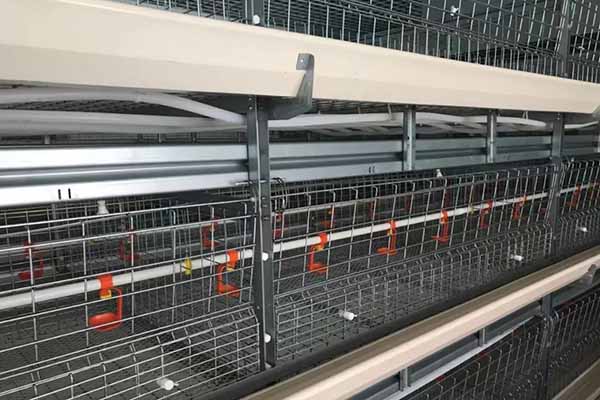
Practical Inspection Techniques and Daily Maintenance Tips
You don’t need sophisticated tools to monitor your house’s temperature and airflow quality:
- Use simple digital thermometers to measure temperatures around feeder levels, corners, and near exhaust vents. Record readings twice daily and compare.
- Check for consistent airflow by observing smoke or light fabric strips near vents during different times of the day.
- Clean vent openings weekly to prevent clogs from dust and feathers.
- Verify coating integrity on ventilation components every season; touch-ups reduce corrosion risk.
Feel free to test your chicken house now—grab a thermometer and map temperature gradients yourself to spot ventilation blind spots.
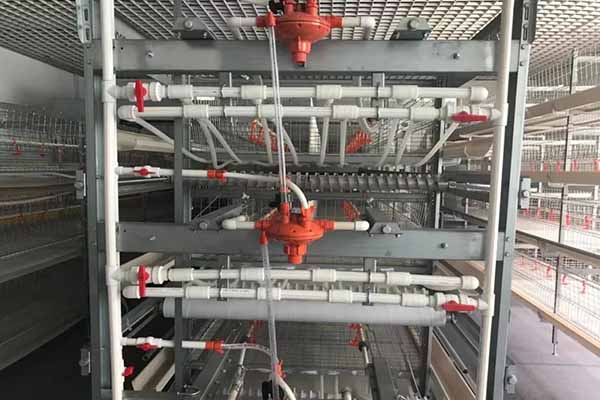
Optimizing Your Egg Production with Proven Ventilation Strategies
By adopting the sidewall inlet and top exhaust system alongside aluminum-zinc alloy-coated H-type cages, you’re leveraging engineering solutions backed by data to combat heat stress and achieve a consistent egg yield. Consistency in monitoring and maintenance translates directly into better bird health and financial returns.
If you want to dive deeper into advanced ventilation designs tailored to your farm size and climate conditions, our experts are ready to guide you.



Hot Products

.jpg?x-oss-process=image/resize,m_fill,h_800,w_800/format,webp)


Popular articles




READY TO START?
Ready to Build Your Poultry Farm?
Tell us your land size, poultry type and farming capacity. LIVI will provide a complete farm solution for your project.