


How Temperature Control Reduces Disease Risk in Export-Grade Layer Chicken Farming
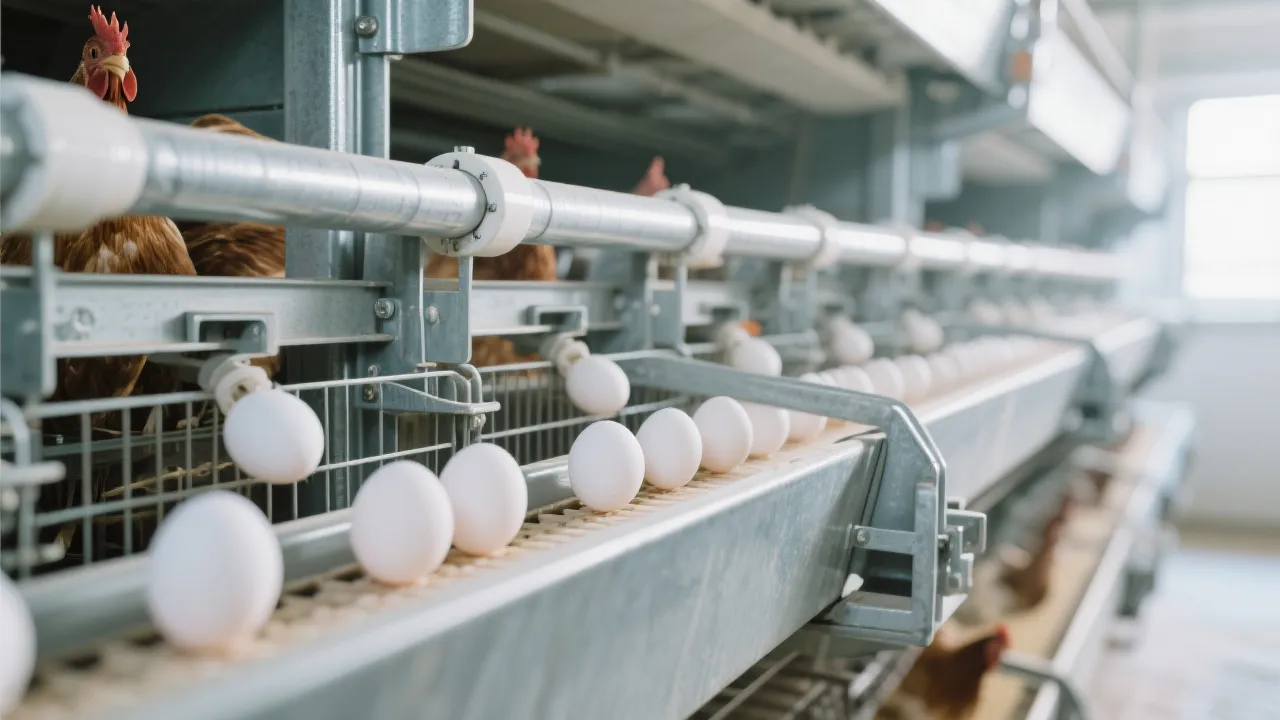
How to Reduce Disease Risk in Export Chicken Farming Through Smart Temperature Control
In commercial egg production, temperature is one of the most overlooked yet critical factors affecting flock health and productivity. According to a 2023 study by the International Poultry Health Association, improper ventilation and thermal stress can lead to up to 27% drop in egg yield during summer months — not due to disease outbreaks alone, but because of weakened immune systems from prolonged exposure to heat or cold.
The Science Behind Airflow and Respiratory Health
Poor air circulation increases ammonia levels and humidity, creating ideal conditions for respiratory pathogens like Mycoplasma gallisepticum. A well-designed ventilation system maintains airflow at 0.5–1.0 m/s, reducing airborne contaminants by over 60% compared to static barns (source: FAO Technical Report, 2022). This isn’t just about comfort—it’s about preventing chronic inflammation that leads to reduced feed intake and lower egg quality.
Why 18–24°C Is the Golden Zone
Egg-laying hens perform optimally when ambient temperature stays between 18°C and 24°C. When temperatures exceed 28°C, birds experience severe heat stress, which triggers cortisol release—leading to temporary cessation of ovulation. In fact, research from the University of Georgia shows that even a 3°C deviation from this range results in 12–15% fewer eggs per hen per week.
💡 Pro Tip:
Use smart thermostats with real-time monitoring to maintain consistent indoor temps—even during extreme weather shifts.
Material Matters: Why Q235 Steel + Aluminum-Zinc Coating Wins
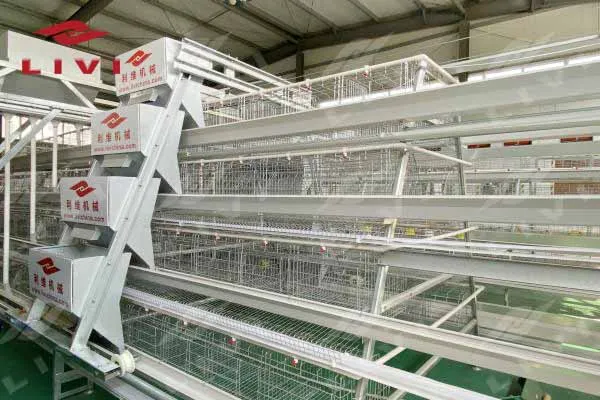
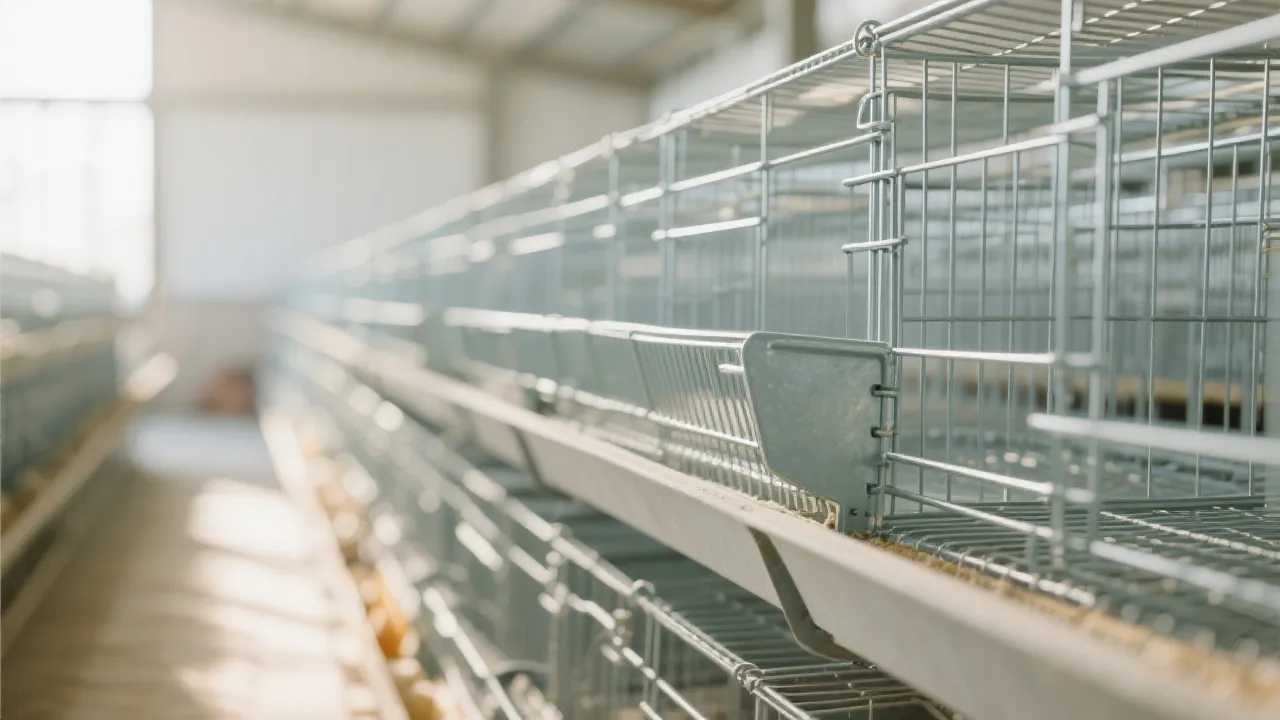
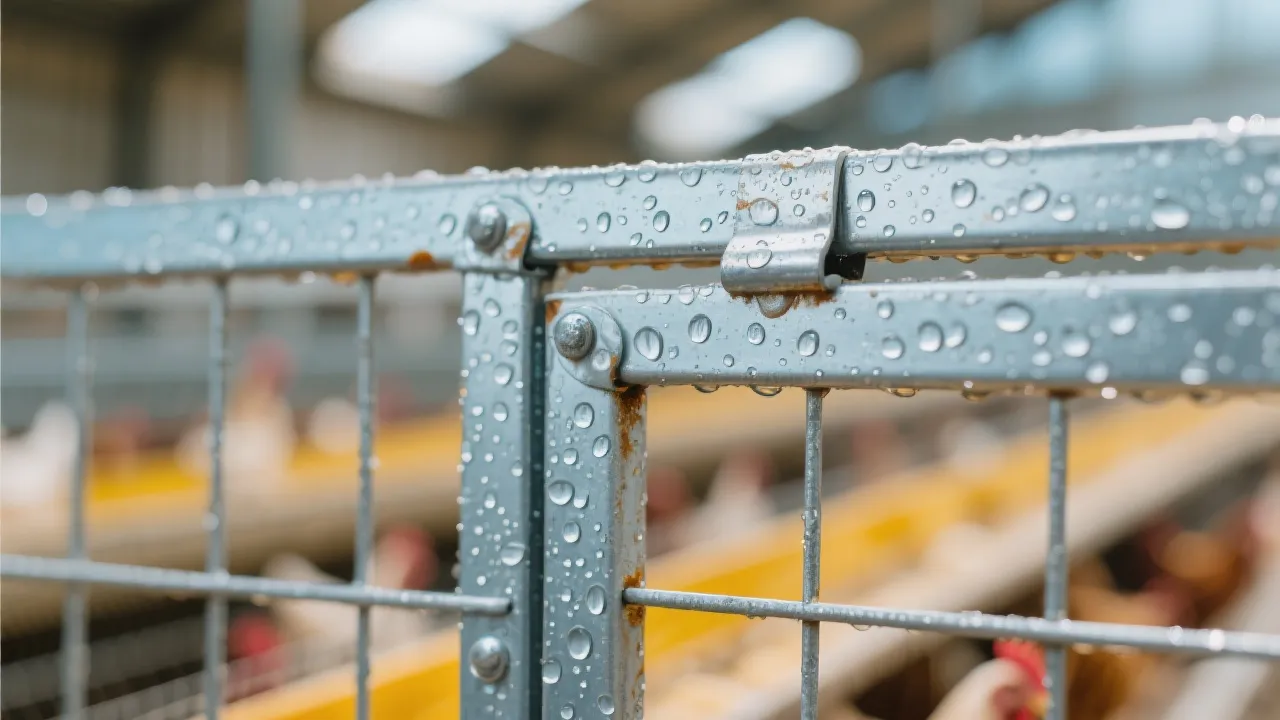
Long-term durability matters in high-humidity environments. Traditional carbon steel cages corrode within 12–18 months under constant moisture exposure. Our H-type layer cage design uses Q235 structural steel with aluminum-zinc coating—a combination proven to last over 5 years without rusting, even in tropical export farms. This reduces maintenance costs and ensures stable housing integrity year-round.
Automation Meets Environment Control
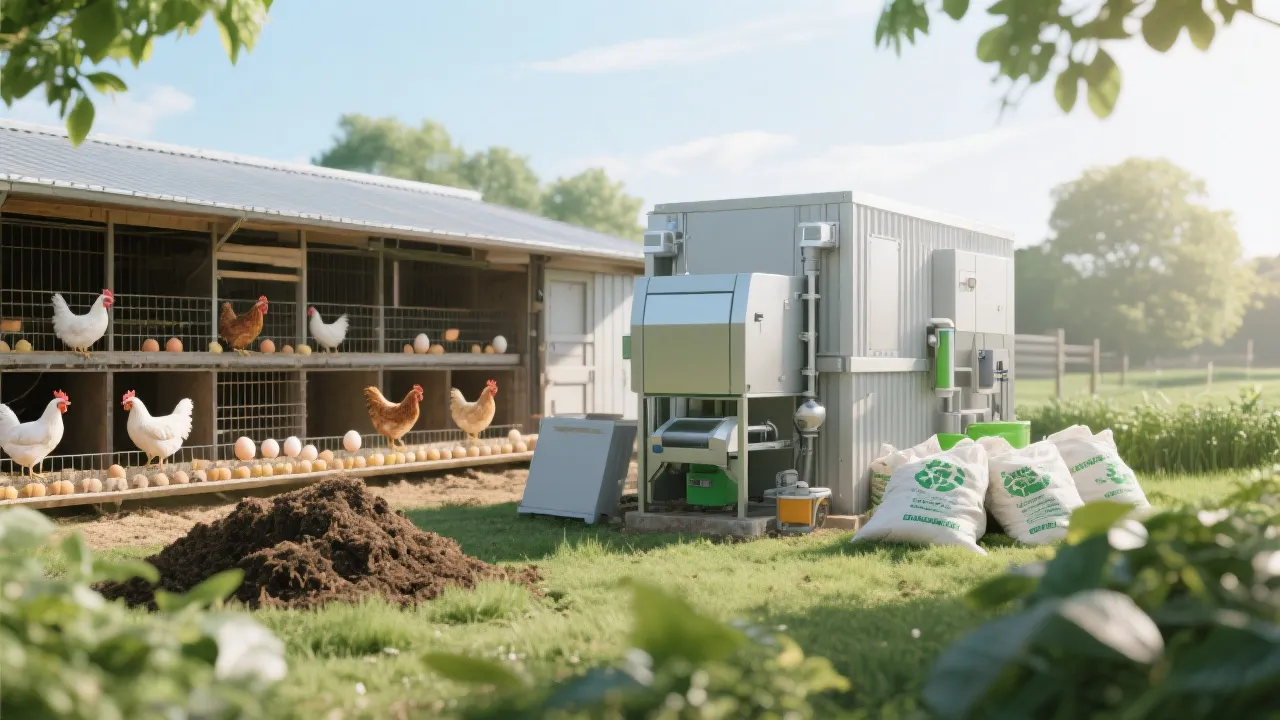
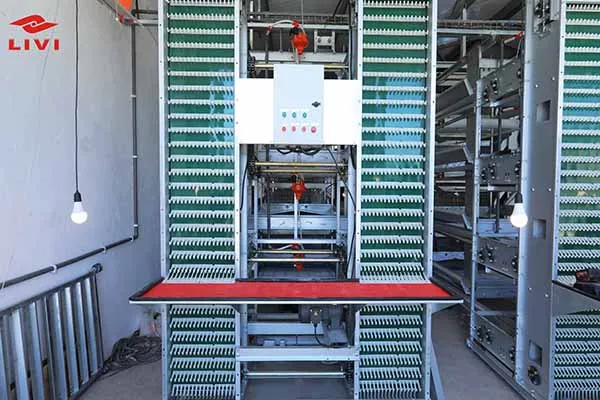
Integrating automated manure removal and egg collection systems with climate control creates a closed-loop ecosystem. For example, automatic scrapers reduce ammonia buildup by 40%, while synchronized fans ensure no hot spots develop. Farms implementing this synergy report 30% less labor cost and 18% higher daily egg output after six months of operation (based on pilot data from Vietnam and Brazil).
Environment as Productivity
When you treat your chicken house like a precision environment—not just a shelter—you unlock hidden efficiency gains. It’s not just about avoiding disease; it’s about building resilience across seasons and markets.
Ready to optimize your farm’s environmental controls? Download our free Chicken House Environmental Self-Checklist PDF—a practical tool used by exporters in over 20 countries to identify risks before they impact yield.
Download Your Free Egg Farm Environment Checklist



Hot Products

.jpg?x-oss-process=image/resize,m_fill,h_800,w_800/format,webp)


Popular articles





READY TO START?
Ready to Build Your Poultry Farm?
Tell us your land size, poultry type and farming capacity. LIVI will provide a complete farm solution for your project.