


Sustainable Operation Checklist for Eco-Friendly Layer Hen Cages: An ISO14001-Based Guide

Implementing the ISO14001-Based Environmental Checklist for Sustainable Layer Hen Cage Operations
In today’s competitive poultry industry, achieving sustainability is no longer optional but a strategic imperative. Large-scale layer hen farms face increasing pressure to deliver not only productivity but also environmental compliance. Leveraging the ISO14001 Environmental Management System as a foundation, this operational checklist for eco-friendly layer hen cages facilitates standardized procedures that optimize equipment efficiency while minimizing ecological footprint. Coupled with CE certification requirements, farms can confidently position their products and practices for international market access.
ISO9001 & ISO14001 Integration in Layer Hen Cage Design
The dual implementation of ISO9001 for quality management and ISO14001 for environmental management creates a robust framework ensuring that layer hen cages meet rigorous performance and sustainability standards. ISO14001 emphasizes continual improvement and compliance with environmental legislations, which translates into tangible design and operational choices. For instance, integrating monitoring systems to track emissions and waste aligns with the audit and documentation requisites of ISO standards.
According to the 2023 report from the Ministry of Agriculture and Rural Affairs, farms adopting ISO-based environmental controls reported up to a 15% reduction in hazardous waste and an 8% improvement in energy efficiency, underlining the practical benefits of these certifications.
Eco-Friendly Materials: The Role of Hot-Dip Galvanized and Aluminum-Zinc Coatings
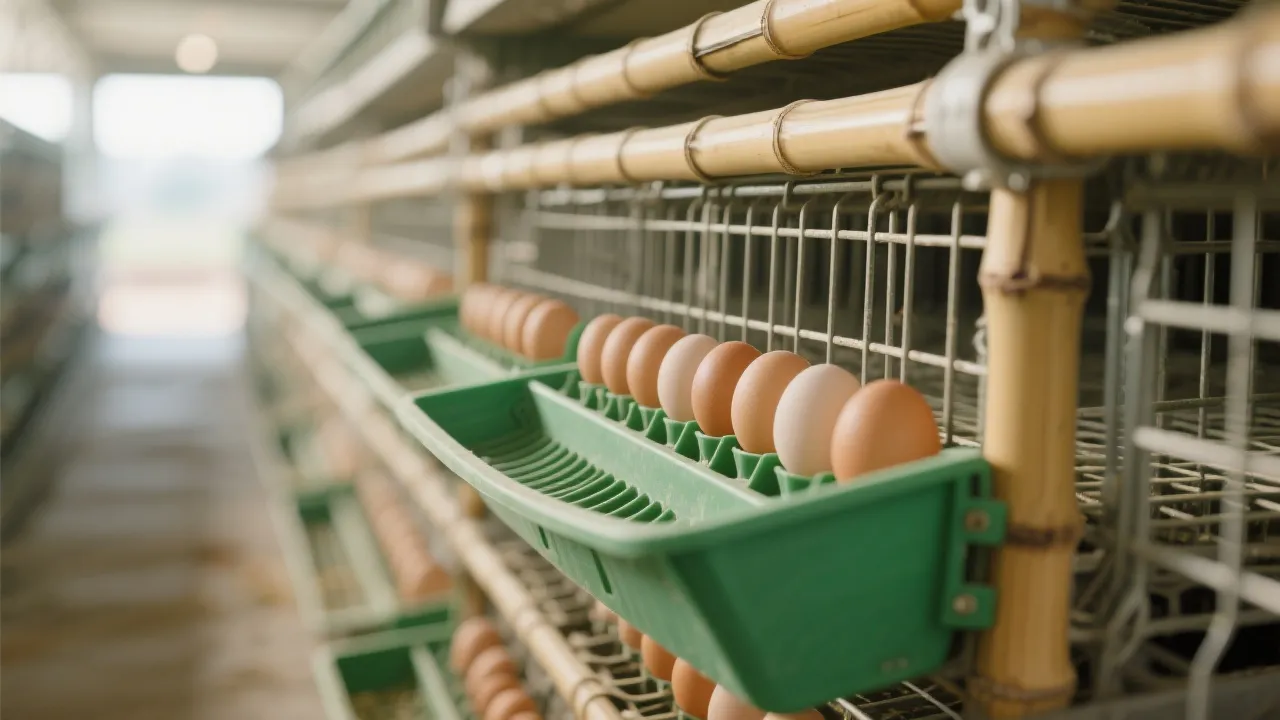
Material selection directly impacts sustainability outcomes and long-term cost efficiency in poultry cage manufacturing. Utilizing hot-dip galvanized steel coupled with aluminum-zinc alloy coatings provides superior corrosion resistance, extending equipment lifespan by up to 40% compared to untreated steel. This durability reduces the frequency of replacements and disposal, thereby limiting landfill contribution.
Beyond durability, these coatings inhibit the leaching of harmful substances, helping farms maintain compliance with environmental discharge standards. By choosing such materials, operators not only protect their investment but actively reduce ecological disturbance associated with manufacturing and usage cycles.
Automated Systems: Minimizing Labor Costs and Enhancing Operational Stability
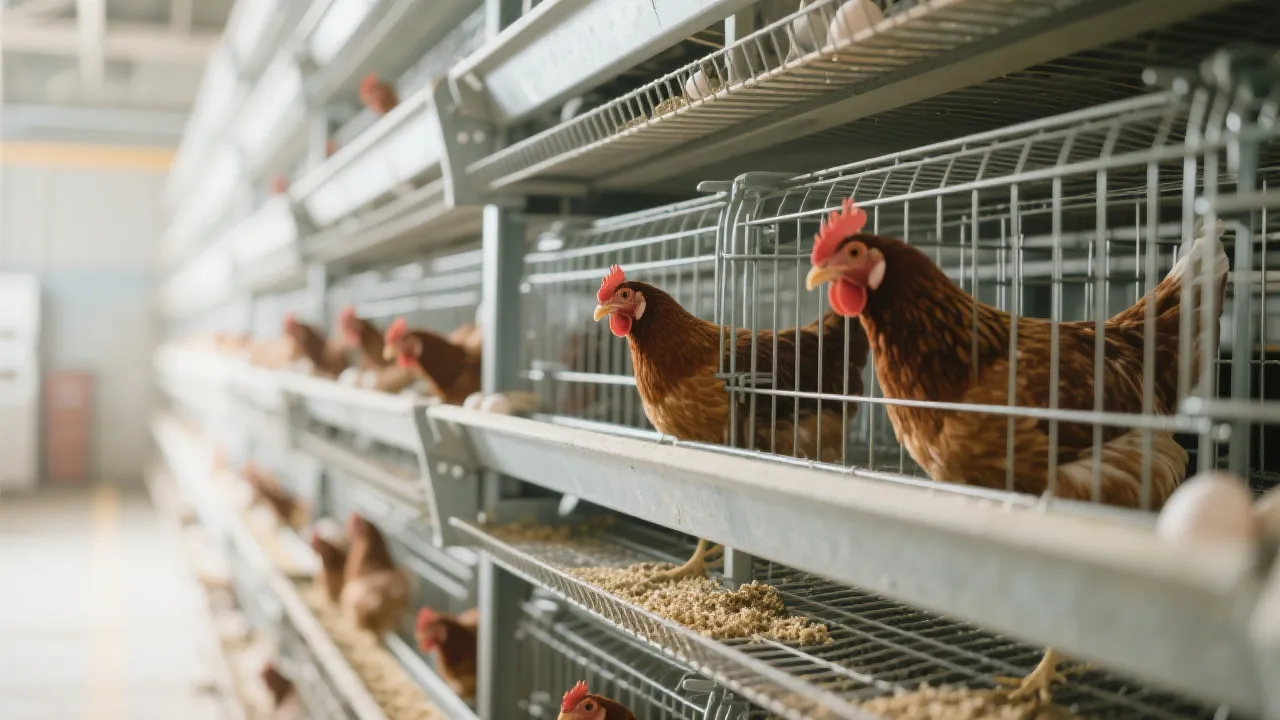
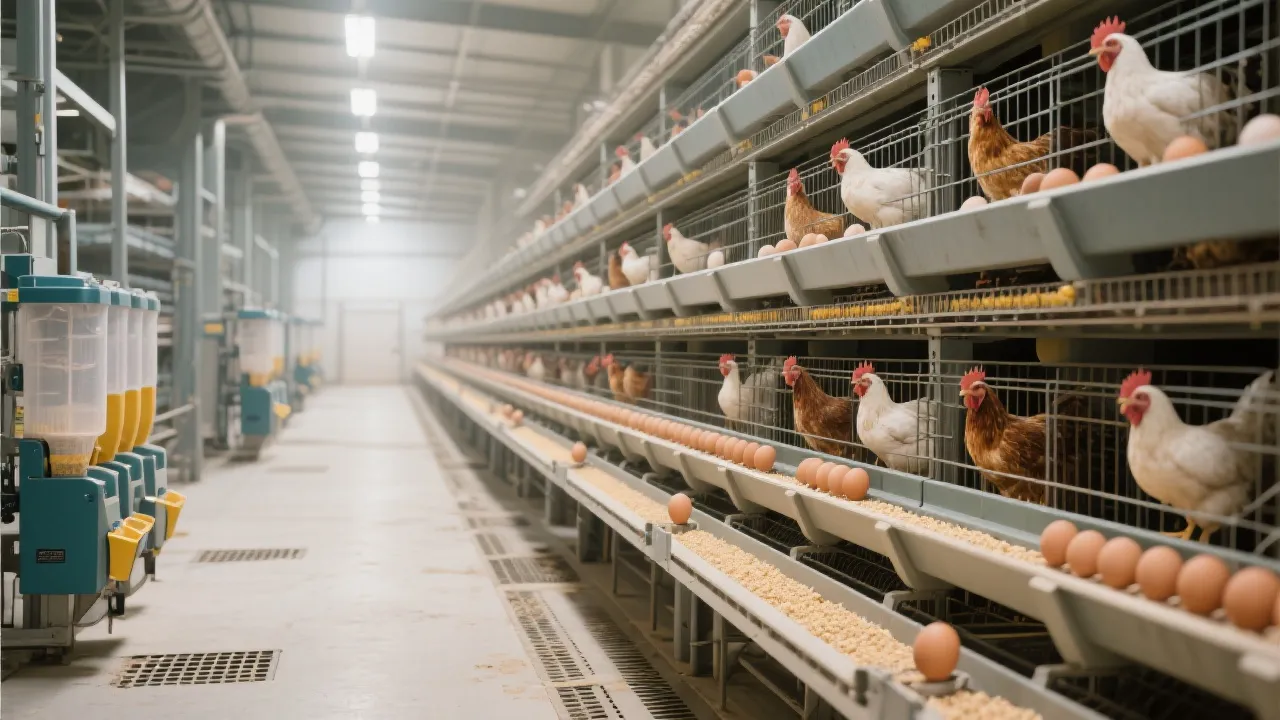
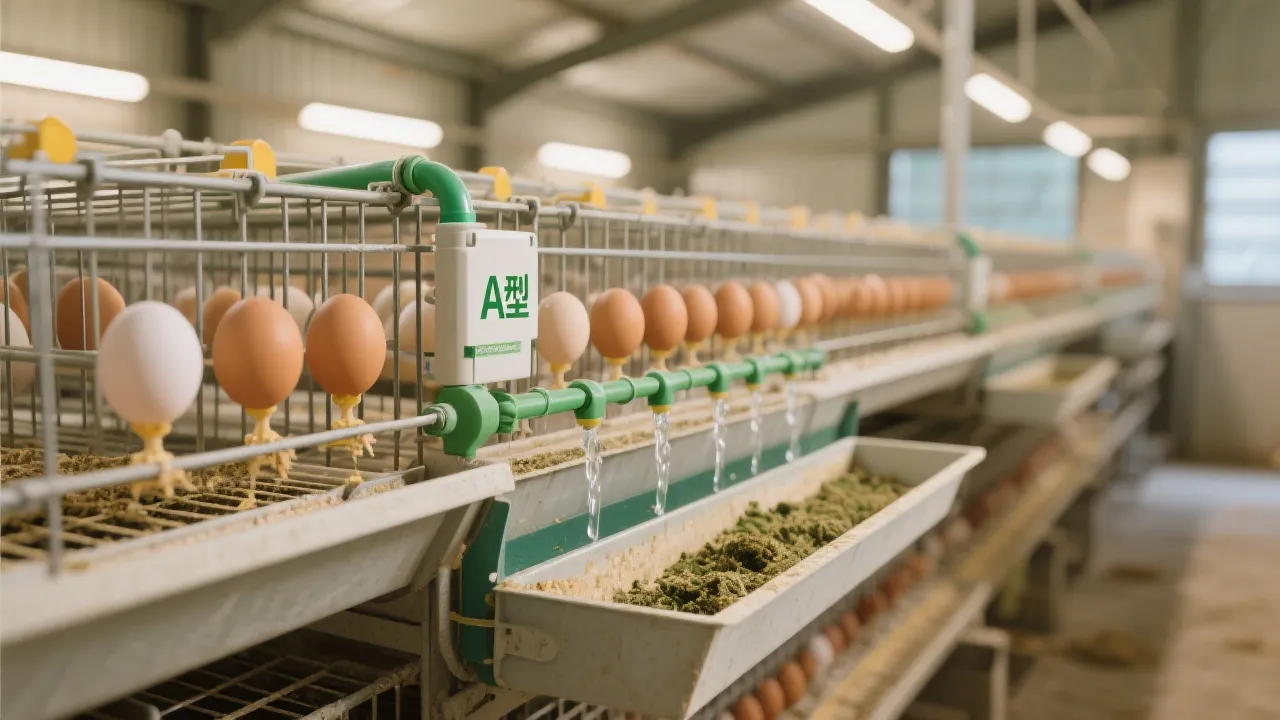
Automation is pivotal in modern layer hen operations, mitigating manual labor demands and enhancing process reliability. Systems automating feeding, egg collection, and ventilation control have demonstrated a reduction in labor expenses by approximately 20-25%. Moreover, automation facilitates strict adherence to scheduled maintenance and environmental controls, critical in sustaining ISO14001 compliance.
A data-driven approach, utilizing sensors and integrated software platforms, allows for proactive identification of anomalies and timely interventions, ultimately reducing downtime and environmental risks.
- Material inspection: Confirm coating integrity monthly
- Ventilation system tests: Weekly airflow rate measurement
- Cleaning protocol adherence: Daily post-laying cycle sanitation
- Waste management tracking: Real-time monitoring and monthly reporting
- Equipment calibration: Biannual automation system diagnostics
Operational Checklist for Routine Inspection and Maintenance
A systematic daily and periodic audit process is essential to uphold continuous environmental and operational standards. Recommended timeframes, responsibilities, and processes are:
- Daily: Visual cage and equipment inspection by on-site technicians; cleaning logs updated by sanitation staff.
- Weekly: Ventilation system check and filter replacements by maintenance engineer; documentation cross-verification.
- Monthly: Structural integrity audit by quality assurance team; coatings integrity test using ultrasonic gauges.
- Biannual: Automation system comprehensive diagnostics; external ISO auditor review preparation.
Assigning clear accountability at each stage promotes prompt issue resolution and documentation consistency required by ISO certification bodies.

Leveraging CE Certification for International Market Penetration and Trust
CE certification assures customers of compliance with EU safety, health, and environmental requirements, acting as a passport for global trade. In the context of layer hen cages, this denotes conformity with strict manufacturing and operational safety protocols, adding a layer of credibility invaluable in overseas markets.
Data from recent market studies indicate that CE-certified agricultural equipment gains acceptance 30% faster in European and North American tenders, directly impacting sales velocity and customer confidence.
Quantified Benefits of Standardized Operations
Implementing standardized ISO14001 and CE-compliant protocols results in measurable gains in production efficiency and environmental performance. Examples from industry case studies include:
- 12% increase in egg production rates attributed to optimized ventilation and cage hygiene
- 18% decrease in energy consumption per unit of output due to automated climate control
- 25% reduction in waste discharge volumes following rigorous cleaning and material maintenance schedules
These improvements underline the competitive edge acquired through disciplined, ISO-driven practices.

In conclusion, adopting the ISO14001-based environmental checklist combined with CE certification strategies empowers layer hen farms to achieve sustainable operations, enhance product quality, and strengthen market positioning. It epitomizes the principle that standardization is a powerful driver of competitive advantage in the global agri-equipment landscape.






Hot Products

.jpg?x-oss-process=image/resize,m_fill,h_800,w_800/format,webp)


Popular articles





READY TO START?
Ready to Build Your Poultry Farm?
Tell us your land size, poultry type and farming capacity. LIVI will provide a complete farm solution for your project.