


Summer Maintenance Measures for Poultry Farming Equipment
Summer Maintenance Measures for Poultry Farming Equipment
In hot weather, poultry houses require stricter maintenance of ventilation, cooling, feeding, drinking, manure removal, and environmental control systems. A clear summer maintenance SOP helps reduce equipment failure, heat stress, water contamination, and production loss.
Why Is Summer Maintenance Important for Poultry Equipment?
Summer is the peak operating season for poultry farm equipment. Exhaust fans, cooling pads, water lines, and environmental controllers often run continuously. If dust, feathers, manure, feed residue, or standing water are not cleaned in time, the equipment may lose efficiency and increase the risk of heat stress.
Maintain cooling and ventilation efficiency.
Prevent unexpected shutdowns during hot days.
Reduce heat stress, ammonia, and dirty water risks.
How Should the Ventilation System Be Maintained in Summer?
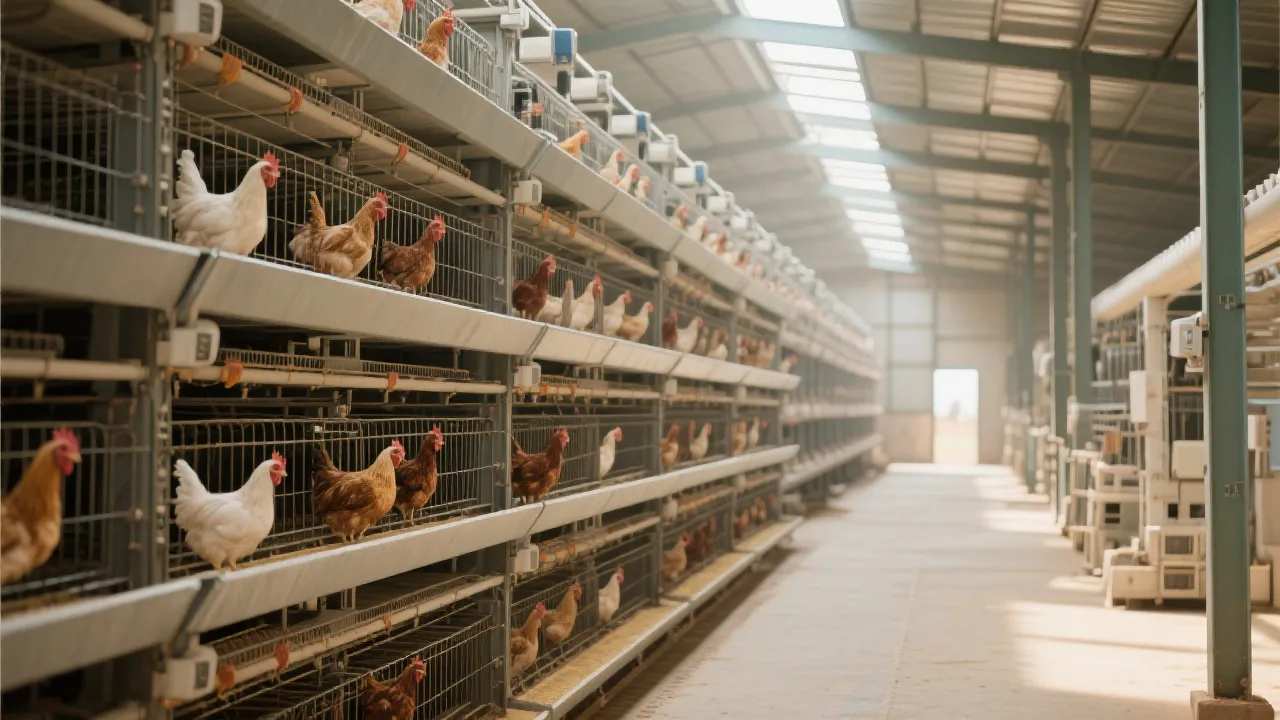
The ventilation system is the first priority in summer maintenance. Fans, air inlets, cooling pads, and water tanks should be checked frequently to ensure enough airflow and effective cooling.
| Component | Maintenance Measures | Attention Points |
|---|---|---|
| Cooling pad water tank | Drain standing water, flush the tank, clean paper pads, and empty PVC pipes. | Use clean water to avoid clogging and algae growth. |
| Exhaust fans | Clean blades, inspect belts, check motor status, and seal gaps when needed. | Poor sealing may cause unstable house temperature. |
| Air inlet windows | Check opening angle, dust, sealing strips, and automatic control response. | Prevent direct cold air or uneven airflow distribution. |
How Should the Manure Removal System Be Maintained?
The manure removal system should be kept clean and correctly tensioned. In summer, manure ferments faster and can increase ammonia, flies, and odor if not removed on schedule.
Maintenance Checklist
- Check manure belt tension and alignment.
- Clean manure residue after operation.
- Inspect drive rollers, bearings, and shafts.
- Lubricate bearings where required.
- Release belt tension during long shutdown periods.
Plastic drive wheels should not be oiled. For metal bearings and shafts, use proper lubrication according to equipment requirements.

How Should the Feeding System Be Maintained in Hot Weather?
Feed is more likely to become moldy in summer due to high temperature and humidity. The feeding system must be cleaned to prevent feed residue, blockage, and contamination.
| Part | Summer Maintenance | Purpose |
|---|---|---|
| Feed silo | Blow out dust and remove old feed during empty periods. | Prevent mold and feed contamination. |
| Feed pipe | Check feed augers, pipes, and connection points. | Avoid blockage and uneven feeding. |
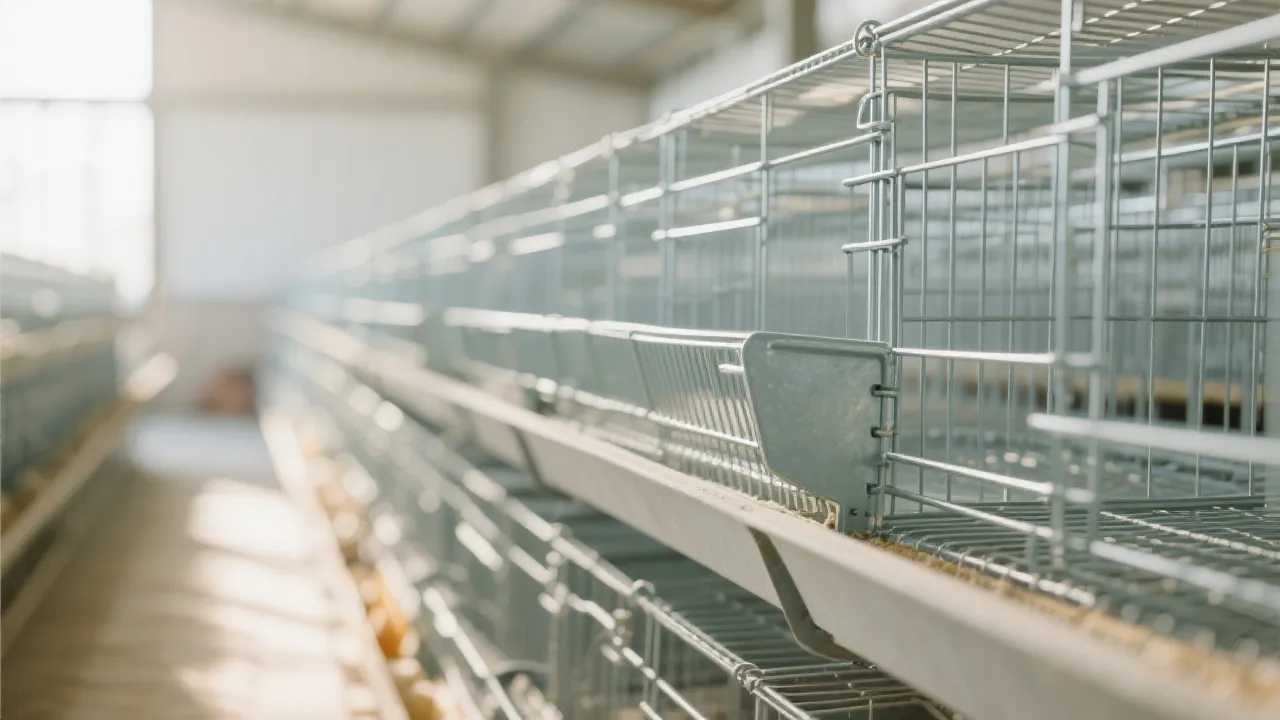
| Feed trough | Clean remaining feed and remove water after washing. | Reduce rust and feed spoilage. |
How Should the Drinking Water System Be Maintained?
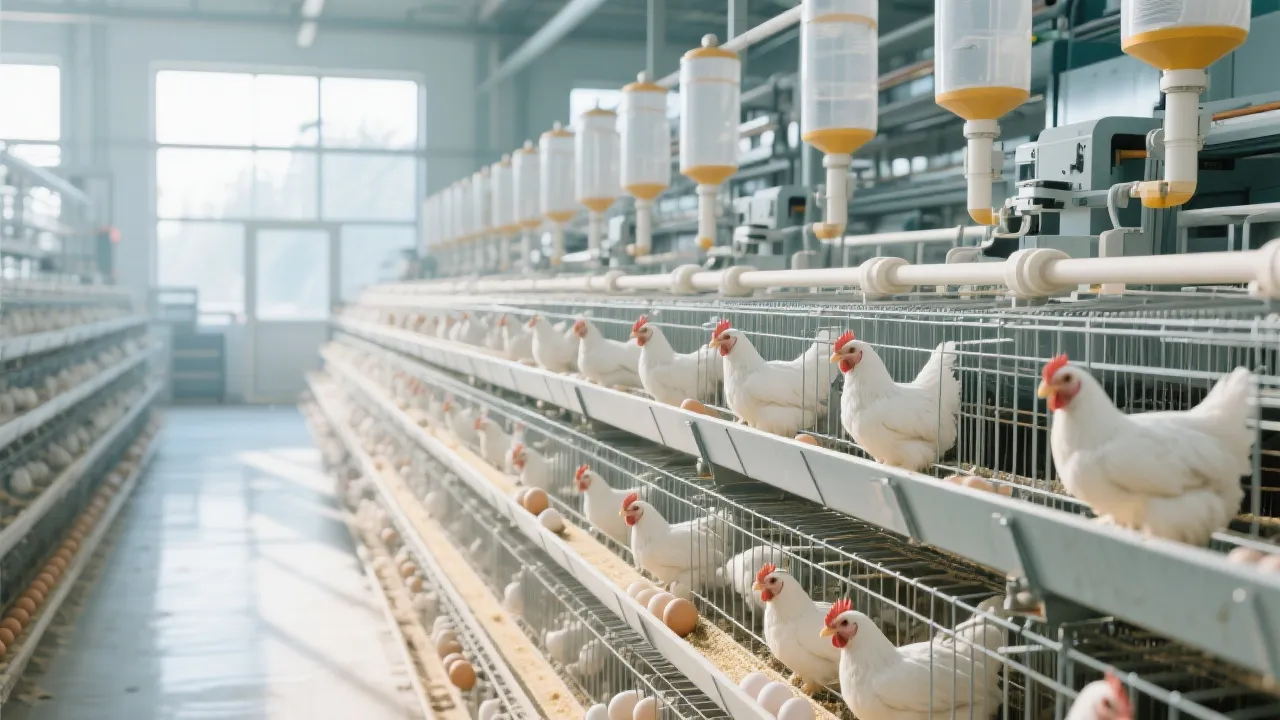
Clean drinking water is essential during summer because birds drink more water in hot weather. Filters, pressure regulators, dosing units, and water lines must be cleaned and checked regularly.
Water Filters
Inspect and replace filter elements regularly to avoid clogging and poor water flow.
Pressure Regulators
Clean regulators and check whether the water pressure remains stable.
Water Lines
Flush water lines and drain remaining water when the house is empty.
How Should the Environmental Control System Be Checked?
The environmental controller should be tested before and during summer. Incorrect temperature readings or ventilation settings can cause serious management mistakes.
| Item | Inspection Content | Recommended Action |
|---|---|---|
| Temperature sensor | Check sensor accuracy and position. | Calibrate if readings are abnormal. |
| Minimum ventilation | Review minimum ventilation settings. | Adjust according to local climate and bird age. |
| High temperature alarm | Test alarm values and emergency ventilation. | Set practical alarm thresholds before peak heat. |
What Is the Daily Summer Maintenance SOP?
| Time | Inspection Task | Target Result |
|---|---|---|
| Morning | Check fans, cooling pads, water pressure, and controller readings. | Ensure the house is ready before temperature rises. |
| Noon | Observe bird behavior, air speed, cooling effect, and water consumption. | Prevent heat stress during the hottest period. |
| Evening | Clean feed residue, drain unnecessary water, and record equipment issues. | Prepare for stable night operation. |
FAQ About Summer Poultry Equipment Maintenance
How often should cooling pads be cleaned in summer?
Cooling pads should be checked weekly and cleaned whenever dust, algae, or mineral deposits appear. In hot and dusty areas, more frequent cleaning may be required.
Why should water lines be flushed regularly?
Water lines can accumulate biofilm, sediment, and bacteria in summer. Regular flushing keeps water clean and helps maintain stable water pressure.
What parts of the fan need the most attention?
Fan blades, belts, motors, bearings, shutters, and sealing areas should be inspected. Dirty blades and loose belts directly reduce ventilation efficiency.
Is preventive maintenance better than emergency repair?
Yes. Preventive maintenance reduces downtime, protects flock health, and avoids production loss during high-temperature periods when equipment failure is most dangerous.
Need a Poultry House Equipment Maintenance Plan?
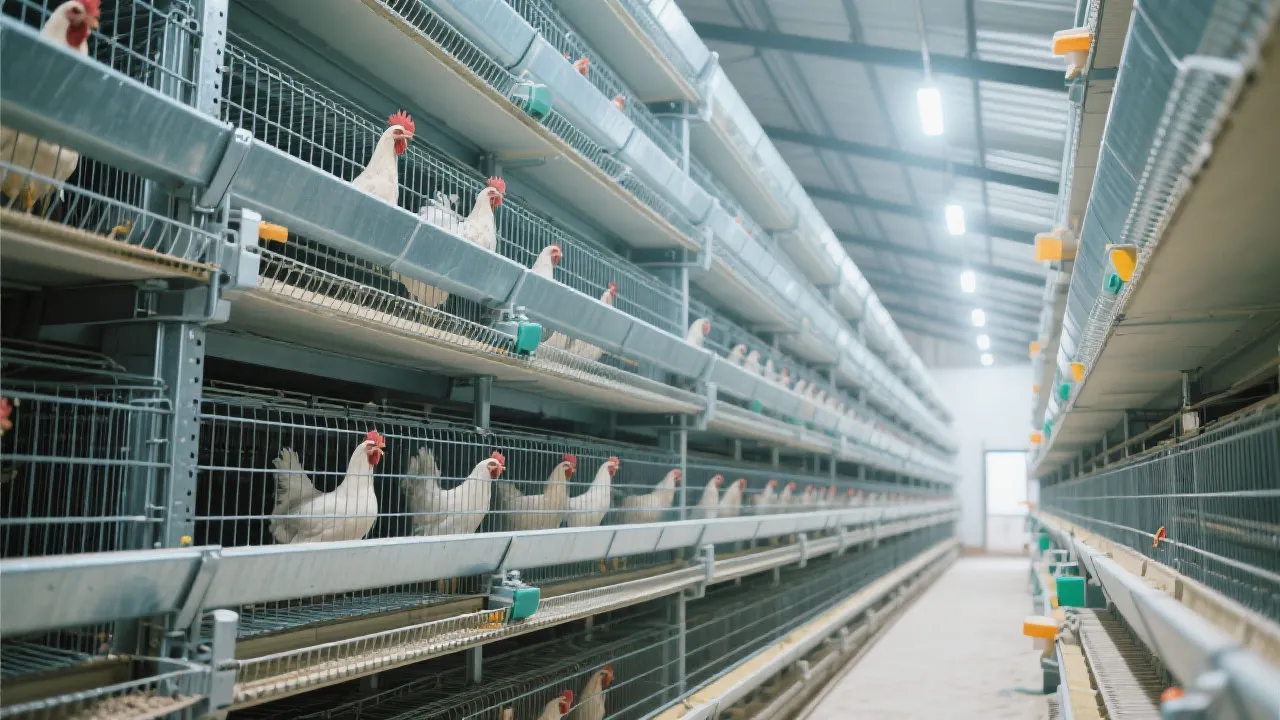
Livi Machinery can provide poultry cage systems, automatic feeding, drinking, manure removal, egg collection, ventilation design, and environmental control solutions according to your farm size, climate, and house layout.
Get Poultry Equipment Configuration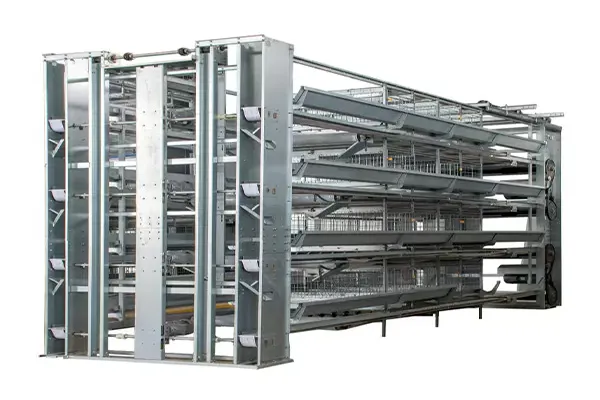


Hot Products

.jpg?x-oss-process=image/resize,m_fill,h_800,w_800/format,webp)


Popular articles



READY TO START?
Ready to Build Your Poultry Farm?
Tell us your land size, poultry type and farming capacity. LIVI will provide a complete farm solution for your project.