


How Summer Heat Affects Laying Hen Egg Production Efficiency: Temperature Control Strategies and Practical Solutions

How Does High Summer Temperatures Affect Laying Hens' Egg Production Efficiency?
As a poultry farmer, you're well aware that summer heatwaves can be a real headache for your laying hens. High temperatures during summer are one of the critical factors that can significantly impact the egg - laying efficiency of hens. Heat stress, reduced feed intake, and even temporary停产 (cessation of egg - laying) are common issues that occur when the mercury rises.
Let's first understand how the adverse summer environment affects your hens. High temperatures can put a strain on the hens' respiratory systems. When it's too hot, hens pant to cool themselves, which can disrupt their normal breathing patterns. This increased respiratory rate not only consumes more energy but also affects their overall well - being. Moreover, the heat can lead to a decrease in feed intake. Studies have shown that for every 1°C increase in temperature above 25°C, hens may reduce their feed intake by about 1.5 - 2 grams per day. With less food intake, the hens lack the necessary nutrients for egg production, leading to a decline in egg quantity and quality.

The Role of Temperature Control and Ventilation
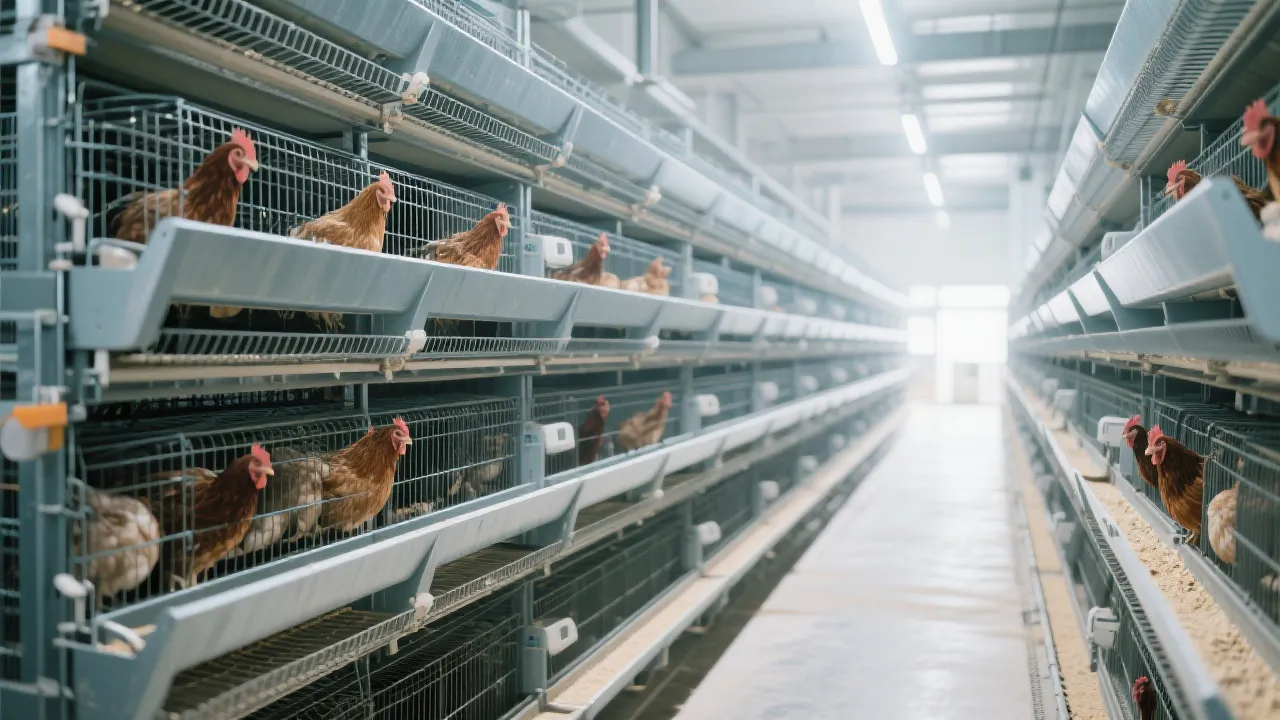
Temperature control and ventilation are the two core elements in combating the negative effects of summer heat. Proper ventilation can help remove hot, humid air from the chicken coop and bring in fresh, cooler air. A well - designed ventilation system can reduce the temperature inside the coop by 3 - 5°C. For example, an effective cross - ventilation system can ensure a continuous flow of air, which is crucial for maintaining a comfortable environment for the hens.
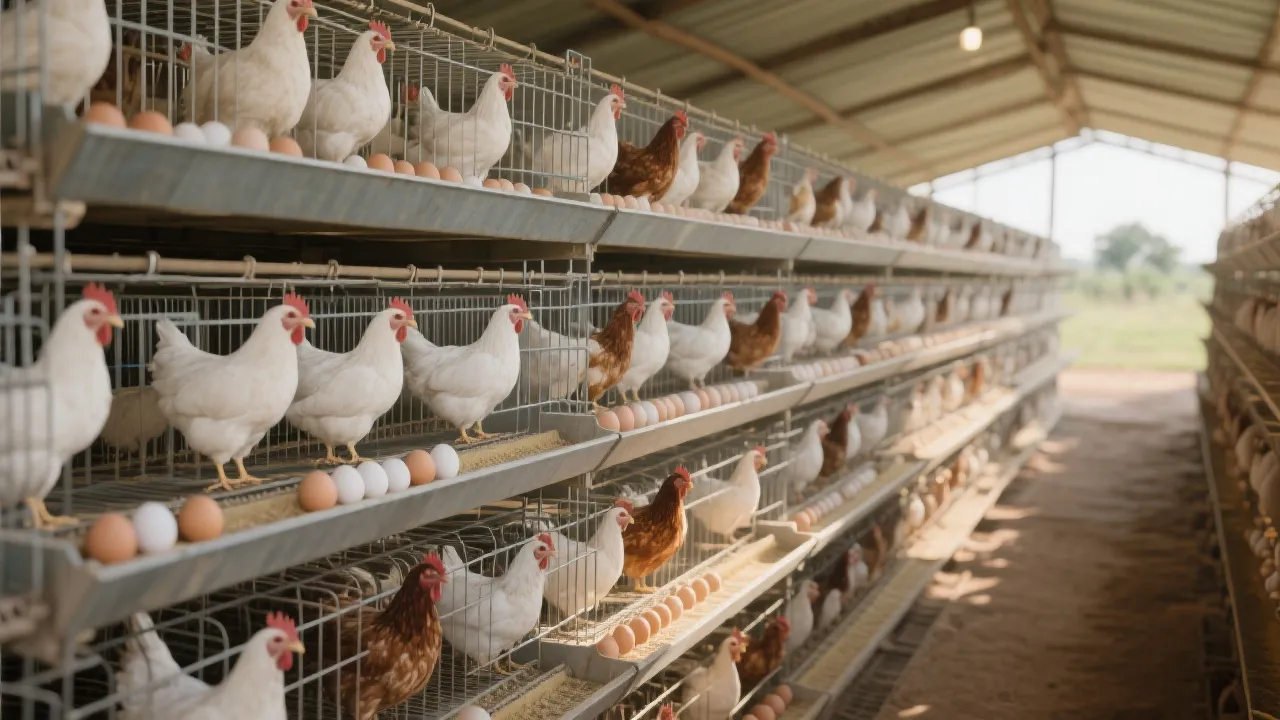
Now, let's talk about the H - type layer hen cage. This innovative cage design offers several advantages. In terms of space utilization, the H - type cage can house more hens per square meter compared to traditional cage designs. It can increase the stocking density by up to 20%. Additionally, the cage is made of Q235 steel with an aluminum - zinc coating, which is highly corrosion - resistant. This means the cage has a longer lifespan, reducing the need for frequent replacements.
Automated Systems for Energy Saving and Efficiency
The automated egg - collection and manure - cleaning systems are another highlight. These systems can work in tandem with the temperature control system to achieve energy savings. For instance, the automated egg - collection system can reduce the time and labor required to collect eggs, while the manure - cleaning system can keep the coop clean, which is essential for preventing the growth of bacteria and maintaining a healthy environment. By integrating these systems, you can reduce your energy consumption by up to 15%.

Practical Management Tips
Here are some practical management tips for you. First, conduct regular checks on your temperature control and ventilation systems. Make sure they are working properly and adjust them according to the actual temperature and humidity conditions. Second, provide your hens with a balanced diet that is rich in vitamins and minerals, especially during the hot summer months. This can help them better cope with the heat stress.
Let's have a little interactive moment. Do you think your chicken coop is well - prepared for the summer heat? You can use the following checklist to evaluate:
- Is your ventilation system working efficiently?
- Does your temperature control system maintain the optimal temperature range (usually 18 - 25°C)?
- Are your hens' feed and water supply sufficient and of good quality?
Industry Cases and Expert Insights
Many successful poultry farms have adopted these temperature control and management strategies. For example, a large - scale farm in the Midwest of the United States increased their egg production by 12% during the summer months after implementing a comprehensive temperature control and ventilation system, combined with the use of H - type layer hen cages. Expert poultry scientists also recommend these measures, emphasizing the importance of creating a comfortable environment for hens to ensure high - quality egg production.
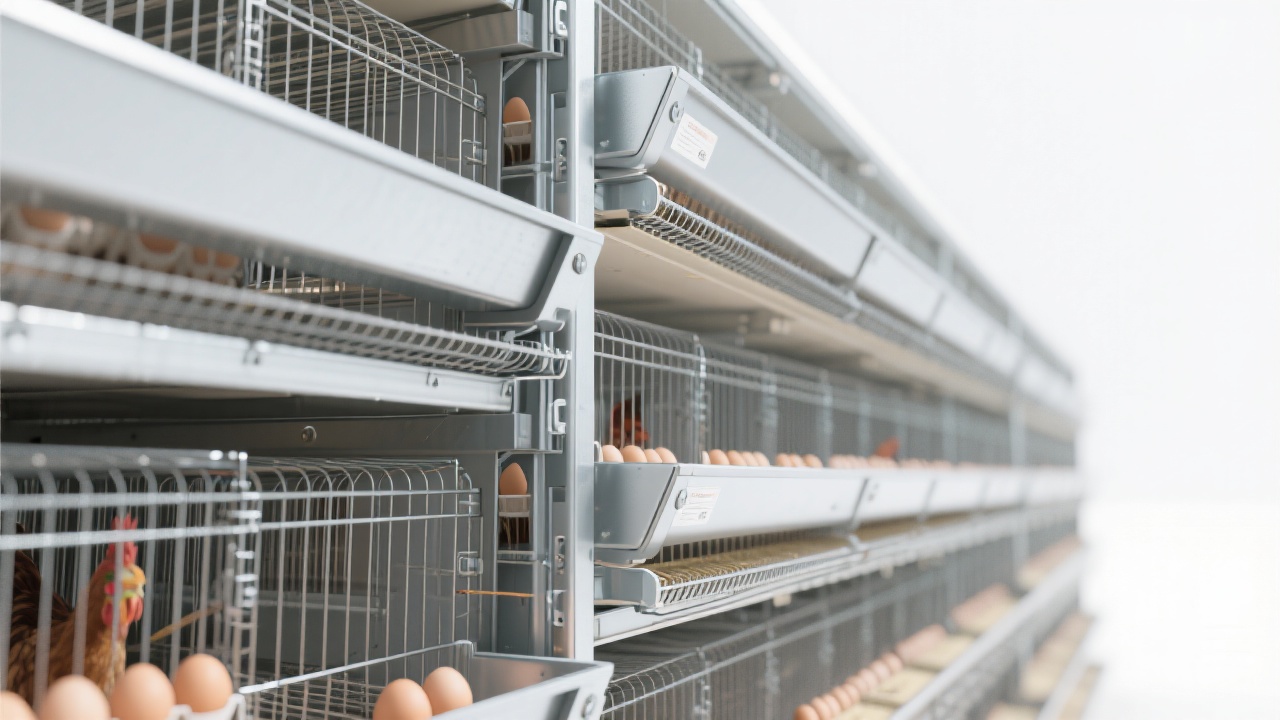
With scientific design, you can safeguard the comfort zone of each laying hen, making high - yield egg production no longer a challenge. If you're looking for solutions to improve your hens' egg - laying efficiency during the summer, click here to learn more about our innovative products and services.




Hot Products

.jpg?x-oss-process=image/resize,m_fill,h_800,w_800/format,webp)


Popular articles



READY TO START?
Ready to Build Your Poultry Farm?
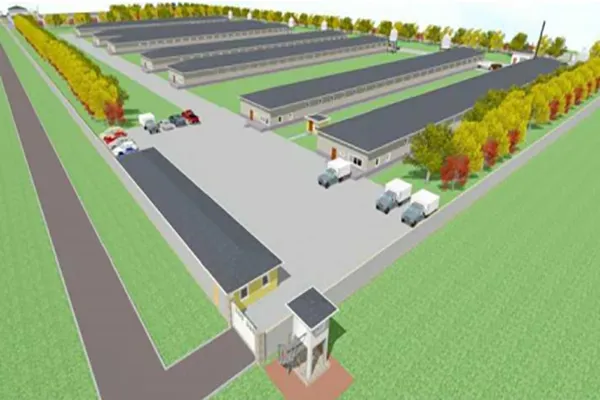
Tell us your land size, poultry type and farming capacity. LIVI will provide a complete farm solution for your project.