


Impact of Summer Heat on Laying Hen Performance: Effective Temperature Control and Ventilation Strategies

How Summer Heat Stress Impacts Laying Hen Productivity and Effective Temperature Control Strategies
Summer's soaring temperatures present one of the greatest challenges to the poultry industry, with heat stress significantly reducing laying hen productivity. Studies show that when exposed to high ambient temperatures above 30°C (86°F), laying hens can experience a decline in egg production rates ranging from 10% to 15%, sometimes even exceeding these figures in severe conditions. Understanding and implementing advanced temperature control measures is critical for poultry farm operators aiming to stabilize production and maintain flock health during the hot months.
Understanding Heat Stress and Its Effects on Laying Hens
Heat stress triggers physiological changes that negatively impact egg-laying performance. Elevated body temperatures lead to reduced feed intake, altered metabolism, and immune suppression. The cumulative result is lower egg quantity and quality, increased mortality risk, and heightened operational costs. Typically, the optimal environmental temperature for laying hens is maintained between 18–24°C (64–75°F); exceeding this range requires immediate mitigation to prevent production losses.
Core Temperature Control Strategies in Poultry Housing
Effective temperature control in poultry houses integrates multiple layers of management, including ventilation design, material choice, and automation. Below, we outline the key areas of focus:
- Scientific Ventilation Design: Optimizing airflow is paramount. Parameters such as air exchange rates must be calibrated based on flock size and house dimensions. Implementing tunnel ventilation or cross-ventilation systems can enhance heat dissipation, diminish humidity, and reduce ammonia levels, thereby improving bird comfort.
- Precision Temperature Regulation: Advanced thermostatic controllers connected to fans and cooling pads help maintain temperatures consistently within the 18–24°C range. Sensors placed strategically permit real-time adjustments to environmental conditions, ensuring immediate responses to temperature fluctuations.
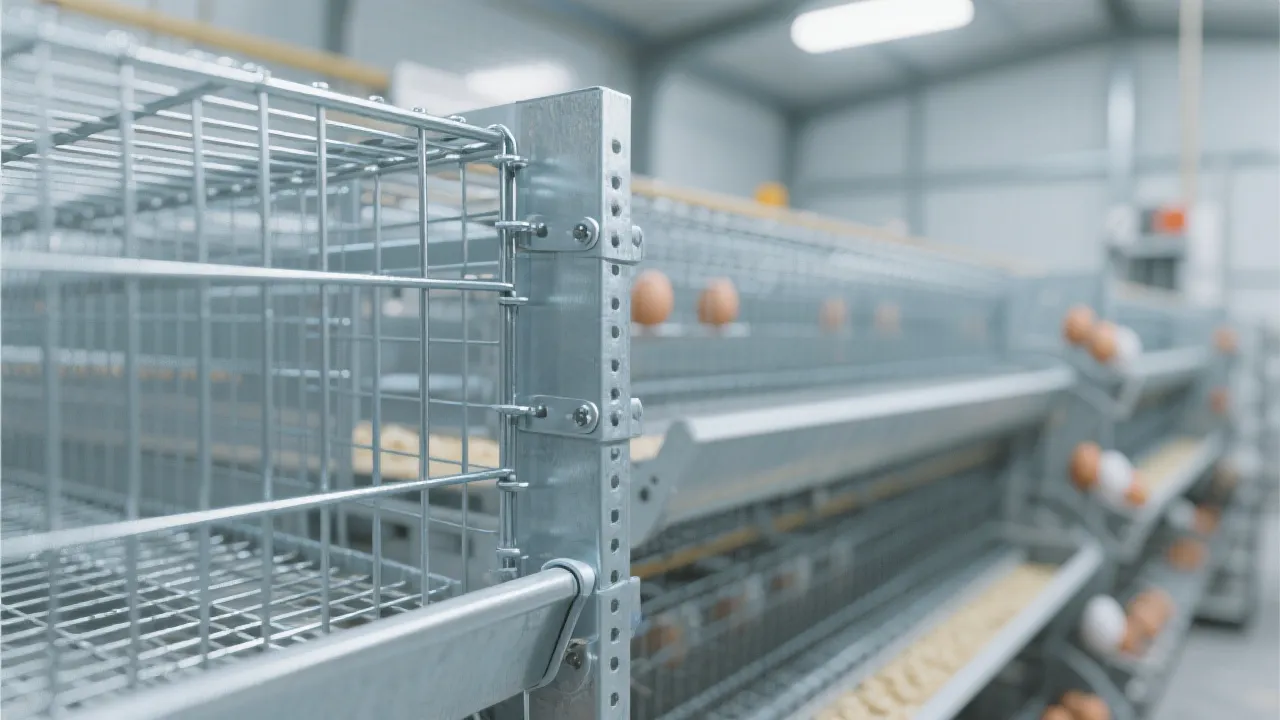
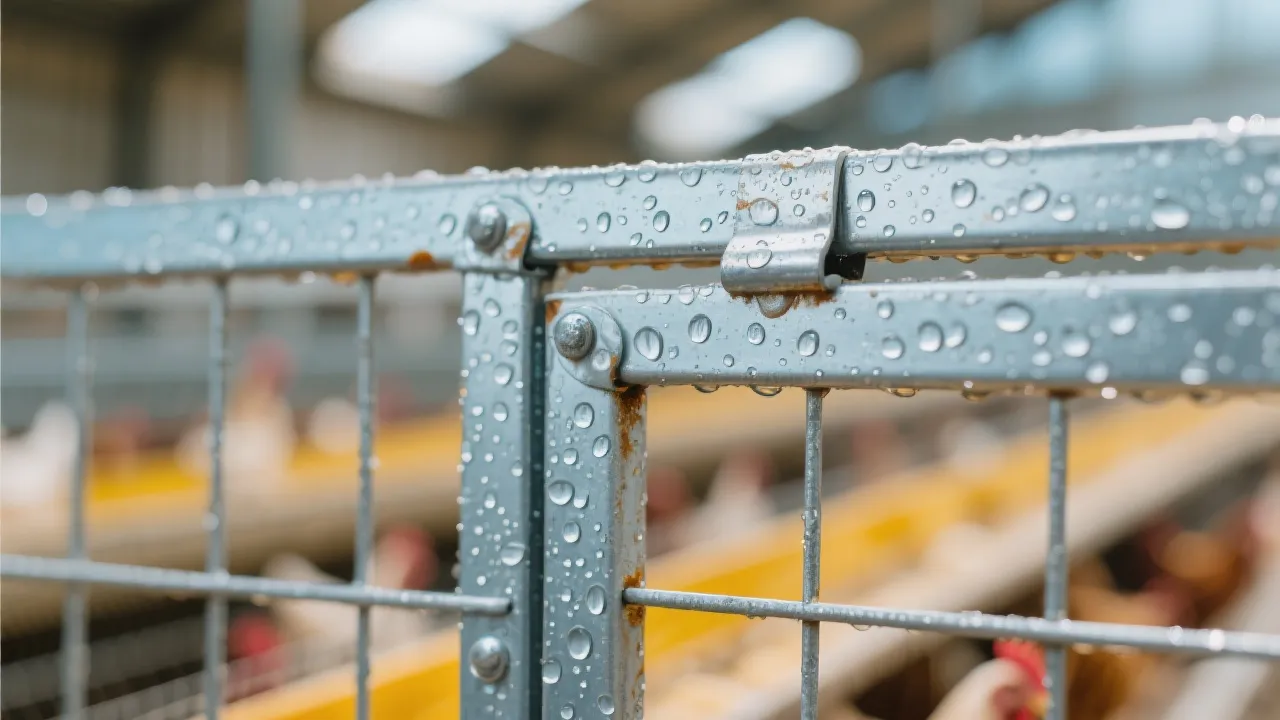
- Durable Cage Materials: Selecting corrosion-resistant materials like Q235 steel for cage frames protects equipment longevity amid high humidity and cleaning cycles typical of summer months. This durability reduces maintenance downtime and safeguards bird welfare through structural integrity.
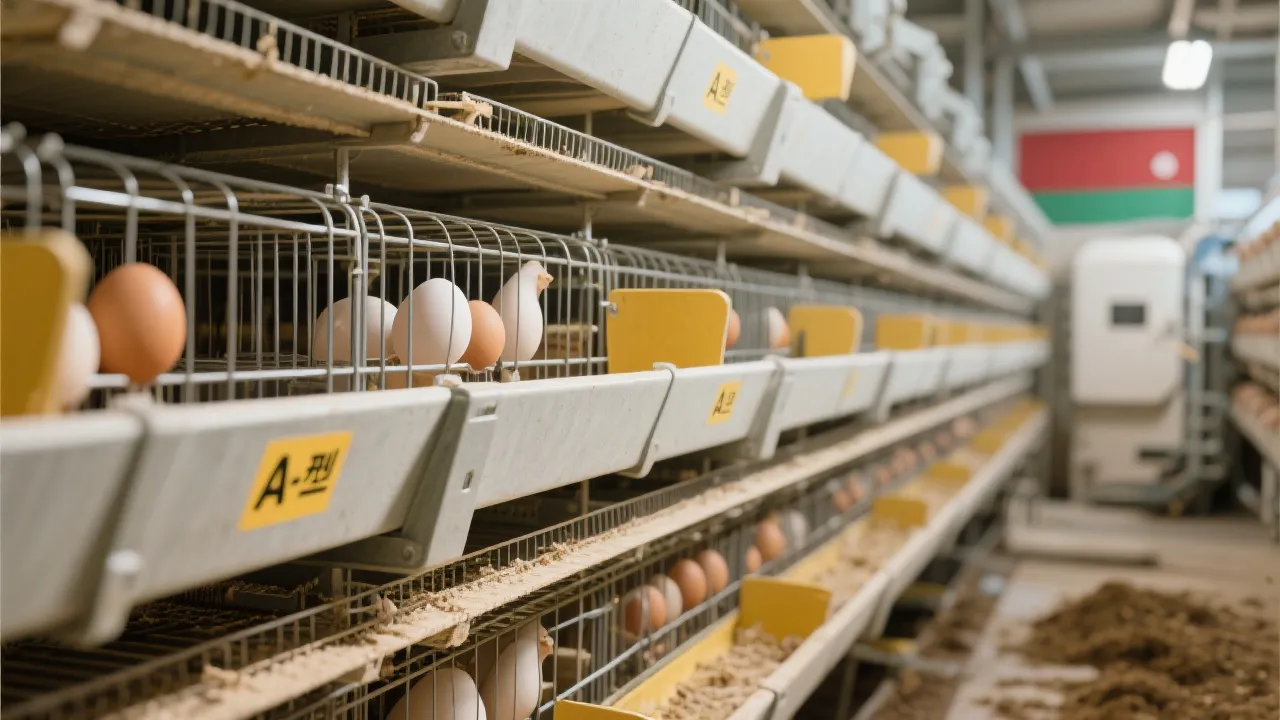
- Automated Cleaning and Egg Collection: Integration of automated manure removal and egg gathering systems curbs heat accumulation and contamination. Efficient waste management directly supports air quality and mitigates heat-related stressors.
Combining these elements builds a stable, comfortable microenvironment that allows hens to maintain their physiological functions effectively, resulting in improved egg production and overall flock health.
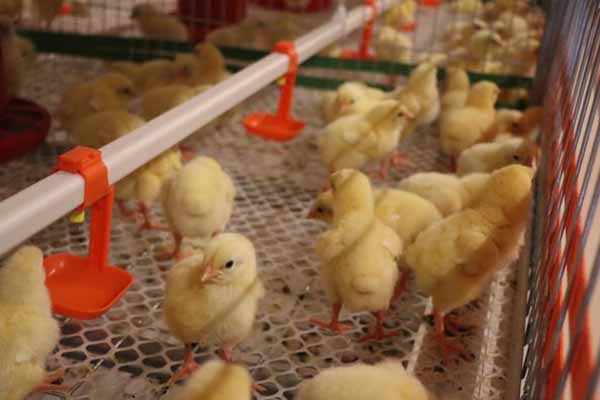
Environmental Control Best Practices: From Theory to Practice
Data-backed management yields measurable improvements. For instance, a commercial poultry farm implementing tunnel ventilation combined with automated temperature controls reported a 12% increase in average daily egg production during the peak summer months, compared to previous years without climate control systems.
Key practical tips for farm technicians and managers include:
- Regularly calibrate and maintain ventilation fans and sensors to ensure optimal function.
- Inspect cage frames for early signs of corrosion; prioritize Q235 steel cages to avoid structural degradation.
- Adjust lighting schedules to reduce metabolic heat during high-temperature periods.
- Leverage automation to minimize manual labor and maintain consistent environmental conditions.
- Employ humidity monitoring in parallel to temperature control since excess moisture exacerbates heat stress.
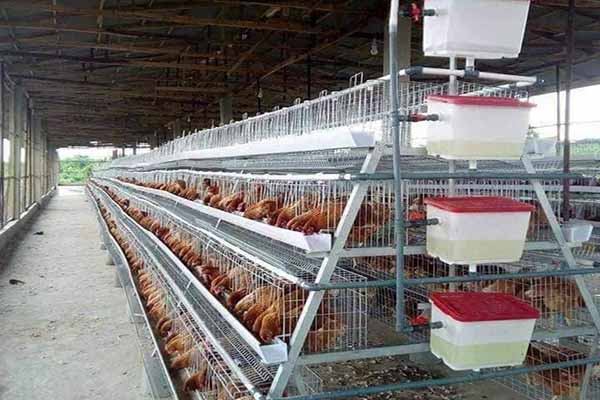
Leveraging Smart Equipment to Enhance Heat Stress Management
The integration of smart technologies such as IoT-enabled sensors and automated climate controls is rapidly becoming standard practice. These systems provide real-time monitoring and remote management capabilities, allowing precise adjustments in ventilation, cooling, and waste removal. Farms equipped with smart environmental control solutions observe not only elevated egg yield but also reduced mortality and improved feed conversion ratios.
Automation also streamlines labor demands and creates data logs that facilitate ongoing optimization and compliance with animal welfare standards.





Hot Products

.jpg?x-oss-process=image/resize,m_fill,h_800,w_800/format,webp)


Popular articles





READY TO START?
Ready to Build Your Poultry Farm?
Tell us your land size, poultry type and farming capacity. LIVI will provide a complete farm solution for your project.