


Standardized Layer Chicken Farm Optimization with H-Type Tier Cages and Remote Monitoring | Zhengzhou Liwei Machinery

Optimizing Standardized Layer Chicken Farms with Remote Data Monitoring: Practical Insights from Zhengzhou Livi Machinery
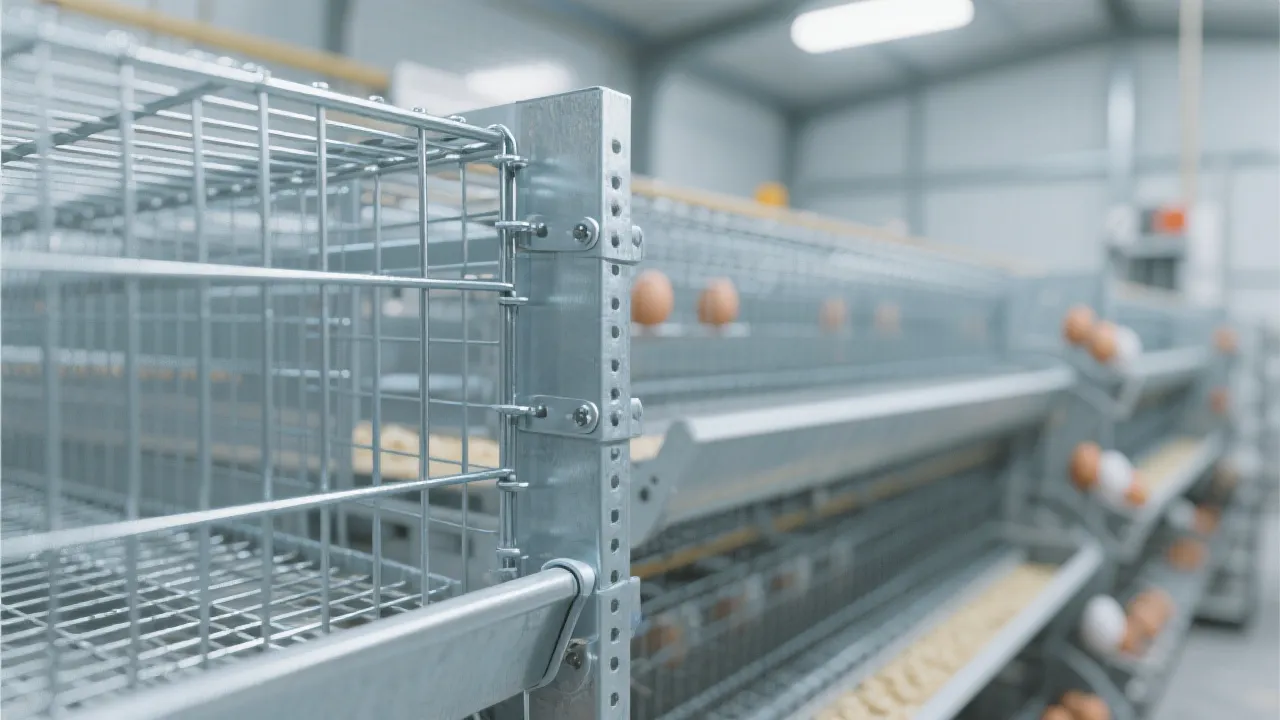
Increasing efficiency and sustainability in poultry farming is critical to meeting the rising global demand for eggs. Zhengzhou Livi Machinery has pioneered a high-efficiency H-type multi-tier layer cage system designed specifically for standardized layer chicken farms. This article delves into their innovative solutions spanning the full lifecycle of hens—from brooding and rearing to peak egg production—integrating automated management with remote monitoring technologies.
Holistic Lifecycle Management for Layer Hens
Optimizing egg production starts with a comprehensive understanding of the different physiological stages of hens. The lifecycle is generally divided into three critical phases:
1. Brooding (育雏): The first 6 weeks focusing on chick development.
2. Rearing (育成): Growth phase until sexual maturity.
3. Laying (产蛋): Peak egg production period.
Zhengzhou Livi’s H-type layer cages are engineered to deliver automated environmental control tailored to the unique needs of each phase, improving welfare and maximizing productivity. Precise adjustments of temperature (ideally 30-32°C during brooding and gradually lowered to 18-22°C during laying), humidity (maintaining 60-70%), and light exposure schedules enhance health and feed conversion.
Addressing Key Challenges with Automated Equipment
Each growth stage presents distinct challenges—brooding chicks require consistent warmth and minimal stress; rearing hens demand optimized space usage to prevent aggression; laying hens benefit from uniform lighting and ventilation to sustain egg quality. Livi’s modular H-type cage system offers flexible configurations that support adjusted stocking densities—from 7 to 10 birds per square meter depending on regulatory standards and welfare considerations—without compromising bird comfort.
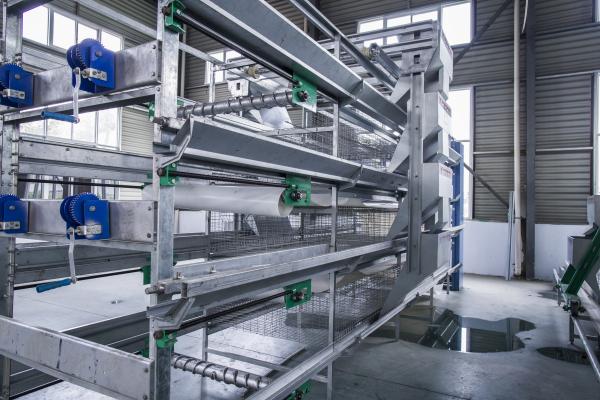
The integration of automated feeding, watering, and manure removal systems reduces manual labor by over 40%, contributing to operational efficiency and biosecurity. Such mechanization ensures continuity in feeding schedules and minimizes human error, both critical factors in disease prevention.

Leveraging Remote Data Monitoring for Superior Control
A standout feature of Zhengzhou Livi’s solution is the implementation of a platform-based remote monitoring system. Sensors continuously collect real-time data on vital environmental parameters—temperature, humidity, ammonia levels, ventilation rates, and lighting intensity. This data streams to a centralized dashboard accessible via mobile or desktop devices.
Early warning alerts allow farm managers to react promptly to deviations, reducing stress-related production declines. Farms employing remote monitoring have reported a 12-15% increase in egg production rates and a 25% reduction in mortality compared to traditional setups. Furthermore, these insights enable precise feed optimization, reducing waste by up to 8%, and contribute to sustainable farming practices.
Modular Design for Scalable and Adaptable Operations
One of the significant advantages Livi’s H-type cage system provides is modularity. Farms can start with a basic setup of 5,000 to 10,000 hens and easily scale up with minimal downtime as demand grows. The modular components allow customization based on specific operational requirements or regional regulations.
By adopting a standardized framework, farms streamline maintenance and replacement parts inventory, reducing system downtimes by approximately 20%. This flexibility is particularly beneficial for emerging markets in Africa and other developing regions, where rapid farm expansion requires adaptable infrastructure.
Environmental Optimization: The Nexus of Welfare and Productivity
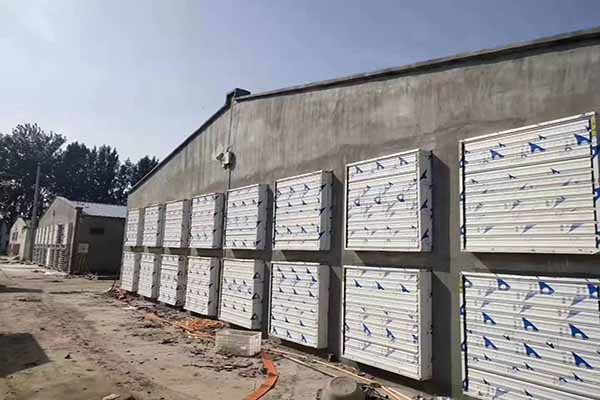
Scientific studies emphasize the critical link between stable environmental parameters and hen health. Fluctuations outside optimal temperature or humidity ranges increase the risk of respiratory diseases, reduce feed intake, and ultimately lower egg quality and quantity. Automated ventilation paired with real-time monitoring eliminates this risk through timely adjustments.
Implementing light control systems that mimic natural daylight cycles promotes consistent laying patterns, while precise manure management enhances hygiene, mitigating pathogen proliferation.
Discover How Zhengzhou Livi’s Integrated Solutions Can Transform Your Poultry Operation
For poultry producers targeting operational excellence with reduced labor, optimized feed efficiency, and improved egg yields, adopting Zhengzhou Livi’s automated H-type cage system with remote monitoring is a proven pathway. This turnkey solution supports sustainable, intelligent farming tailored to evolving market demands and regulatory landscapes.




Hot Products

.jpg?x-oss-process=image/resize,m_fill,h_800,w_800/format,webp)





READY TO START?
Ready to Build Your Poultry Farm?
Tell us your land size, poultry type and farming capacity. LIVI will provide a complete farm solution for your project.