


Establishing a Standardized Egg-Laying Cage Inspection System: Efficient Equipment Management under ISO9001

Establishing a Standardized Cage Inspection System for Layer Hens under ISO9001: Efficient Equipment Management Methodology
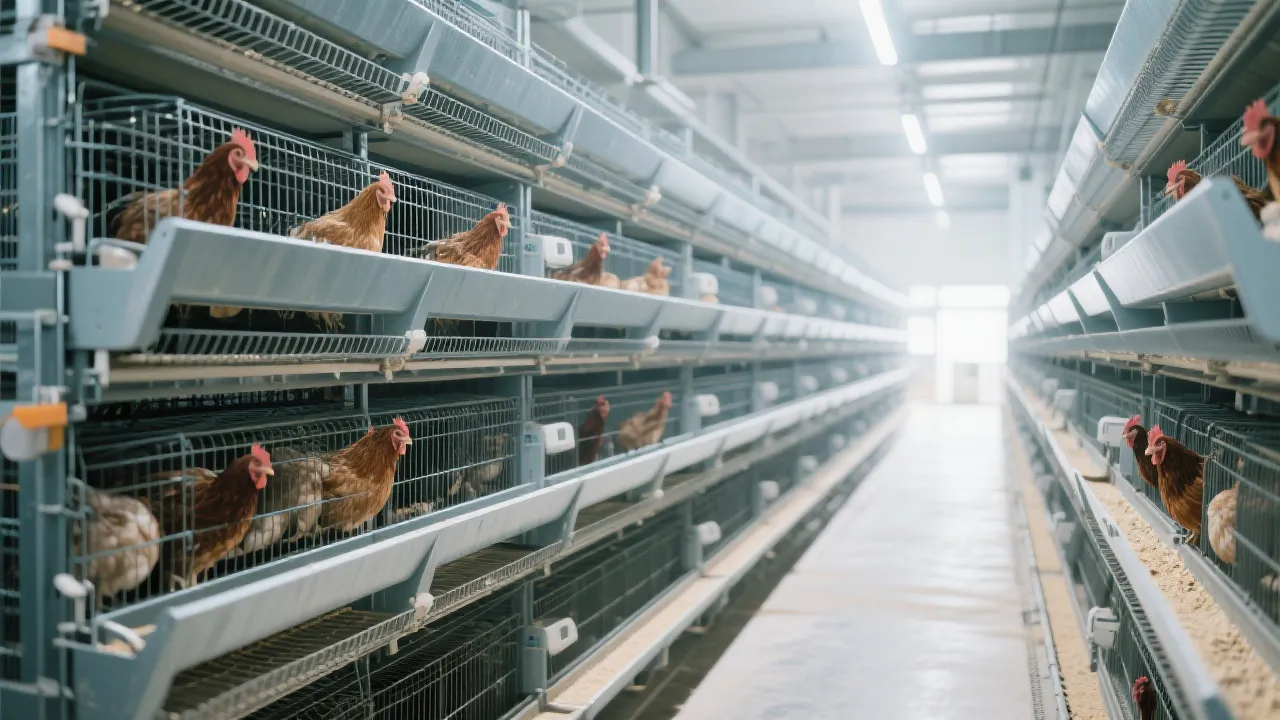
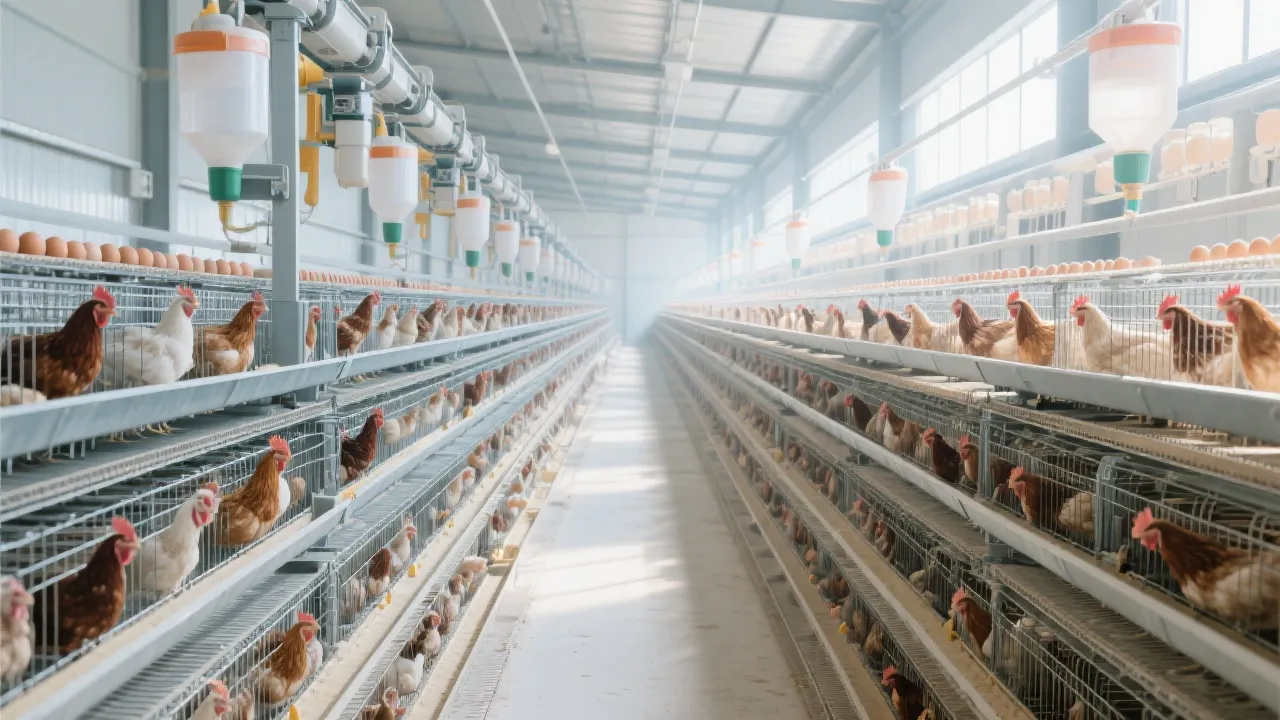
In the modern poultry industry, managing layer hen cages with strategic adherence to internationally recognized standards is paramount for sustainable production and competitiveness. Integrating ISO9001 quality management and ISO14001 environmental management systems into the inspection and upkeep of egg-laying cages not only ensures operational continuity but also enhances product safety and environmental compliance. This article systematically explores how poultry farms and equipment manufacturers can build a robust and standardized cage inspection regimen aligned with these standards and the CE safety certification.
The Foundation: ISO9001 & ISO14001 in Cage Equipment Management
ISO9001 establishes a framework for consistent quality assurance, emphasizing process control, traceability, and continual improvement. For cage equipment, this translates to strict design specifications, material traceability, and maintenance protocols that reduce risks of failure and contamination.
Complementing this, ISO14001 mandates comprehensive environmental stewardship throughout the equipment lifecycle—from raw material sourcing to end-of-life disposal. Utilizing eco-friendly materials and minimizing emissions during maintenance cycles adhere to these guidelines.
Integrating these systems ensures that the entire equipment management process is both high-quality and environmentally responsible, meeting increasingly rigorous global market demands.
CE Certification: The Seal of Safety and Global Market Access
The CE marking is a critical certification for poultry equipment exporting to Europe and other regulated markets. It signifies compliance with EU safety, health, and environmental requirements, which directly boosts the international marketability and trustworthiness of cage equipment.
From design to testing, CE certification enforces strict guidelines on structural integrity, material toxicity limits, and ergonomic criteria to minimize operator hazards. Farms and manufacturers that achieve CE marking typically observe a 15–20% increase in procurement confidence from international buyers.
Building a Scientific and Standardized Cage Inspection Procedure
Developing a systematic cage inspection program requires a detailed and repeatable workflow tailored to operational realities. Below is an effective inspection process aligned with ISO9001 standards:
- Pre-Inspection Planning: Define inspection frequency (weekly for critical points), allocate trained personnel, and prepare documentation templates.
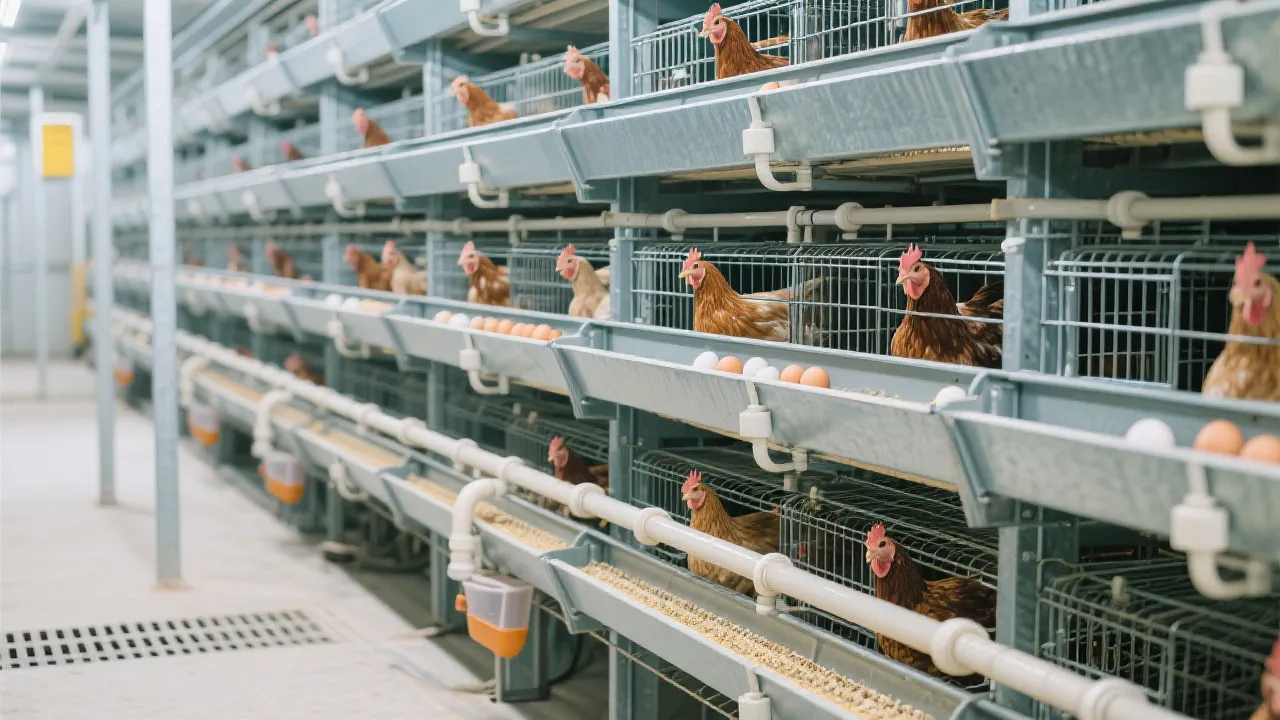
- Visual and Functional Inspection: Check for corrosion, structural cracks, bolt tightness, cage door functionality, and wear on moving parts.
- Material Integrity Assessment: Utilize non-destructive testing methods such as dye penetrant or ultrasonic testing for hidden faults.
- Environmental Compliance Check: Validate that biosecurity and waste management components meet ISO14001 criteria.
- Documentation and Reporting: Record findings, categorize issues by severity, and trigger corrective maintenance protocols.
- Review and Continual Improvement: Analyze inspection data monthly for trends, optimize maintenance schedules, and update SOPs accordingly.
Consistent implementation of this framework has shown to reduce unexpected equipment failures by approximately 30%, thus safeguarding production continuity.
Environmental Best Practices: Eco-Friendly Equipment Maintenance Checklist
Standardized Maintenance Checklist for Sustainable Operations:
- Use biodegradable lubricants and cleaning agents.
- Implement proper waste segregation and recycling of cage parts.
- Schedule maintenance during low-peak hours to reduce energy consumption.
- Monitor and document chemical usage to comply with environmental permits.
- Train maintenance staff on environmental risks and mitigation techniques.
- Introduce sensor-based monitoring to predict equipment degradation, reducing over-maintenance.
These practices enable farms to meet and exceed environmental standards, contributing to long-term sustainability and favorable public perception.
Frequently Asked Questions (FAQ)
Q1: How often should layer hen cages be inspected under ISO9001 standards?
Industry best practice recommends weekly inspections for critical structural components and monthly comprehensive audits, ensuring compliance and early issue detection.
Q2: Can ISO14001 implementation reduce operational costs?
Yes, adopting environmental management best practices often leads to improved resource efficiency, reduced waste disposal fees, and energy savings—all of which lower operational expenses.
Q3: What key documentation is required for audit readiness?
Maintain detailed inspection logs, corrective action reports, equipment maintenance histories, and environmental compliance records. These demonstrate adherence during ISO audits.

Why Invest in a Standardized Layer Hen Cage Inspection System?
Adhering to internationally recognized standards consolidates your position in the global poultry equipment market by enhancing reliability, safety, and environmental compliance. Such systems facilitate smoother ISO and CE certifications, reduce costly downtime, and elevate brand credibility across exports.

Implementing This Methodology in Your Operations
Start with a gap analysis comparing your existing cage management practices against ISO9001 and ISO14001 requirements. Engage certified auditors or consultants to guide process realignment. Equip your maintenance staff with thorough training on inspection techniques and environmental responsibilities.
Deploy digital tools for real-time monitoring and data-driven decision-making. Additionally, pursue CE marking proactively to unlock broader export opportunities and demonstrate commitment to market-leading safety standards.





Hot Products

.jpg?x-oss-process=image/resize,m_fill,h_800,w_800/format,webp)


Popular articles






READY TO START?
Ready to Build Your Poultry Farm?
Tell us your land size, poultry type and farming capacity. LIVI will provide a complete farm solution for your project.