Stacked Al-Zn Alloy Coated layer cages: A Practical Application Plan for Modern Egg Farms
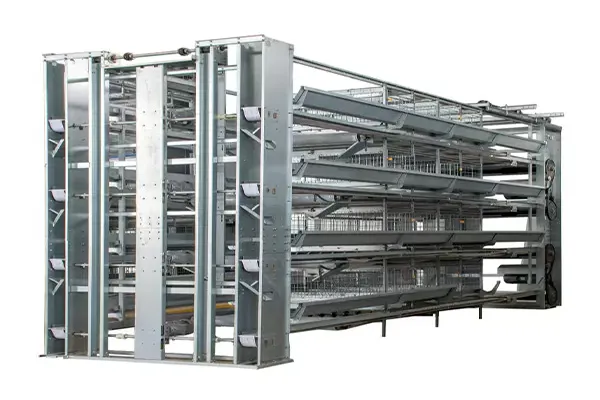
This solution-focused guide explains where stacked (tiered) aluminum-zinc alloy coated layer cages perform best—from small family farms to large-scale commercial houses—and how to configure them for space efficiency, corrosion control, and predictable maintenance costs.
Brand reference: Zhengzhou Livi Machinery Manufacturing Co., Ltd.
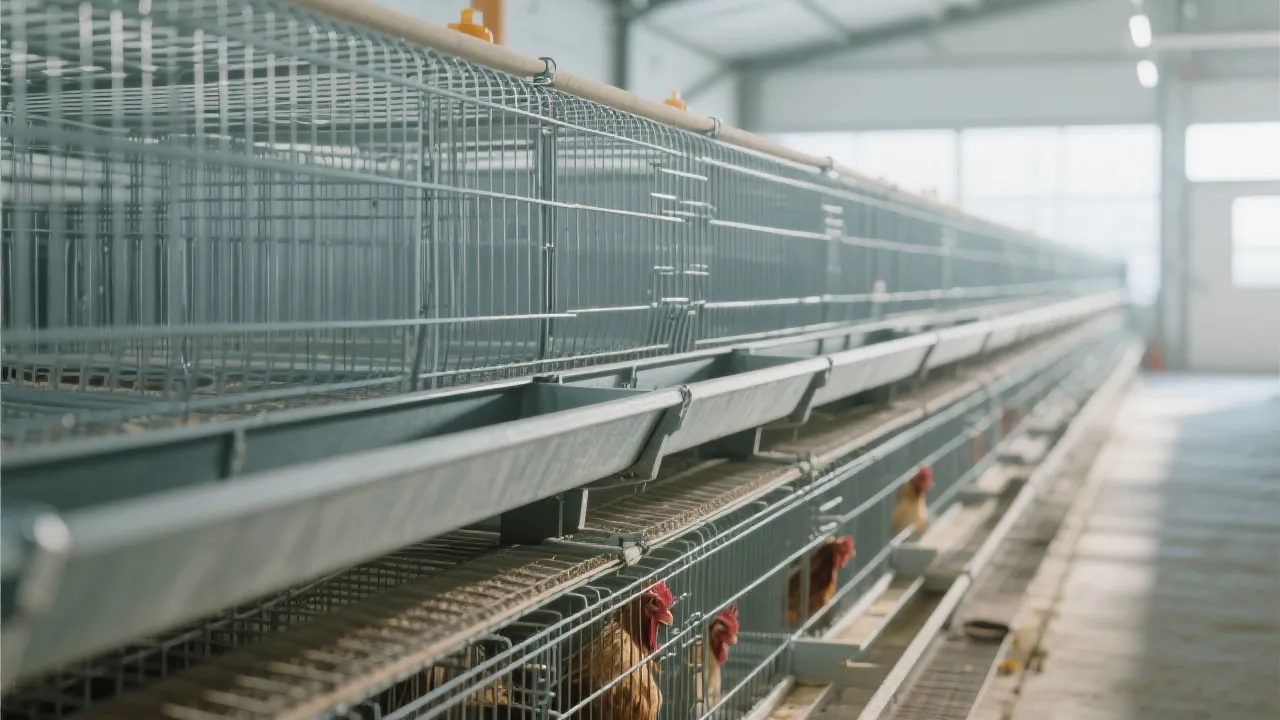
Why farms shift to stacked cage systems
In most egg-production regions, the pressure is the same: limited building footprint, humid manure air, and rising labor costs. A stacked cage layout helps farms raise bird capacity per square meter, while an Al-Zn alloy coating targets one of the largest hidden costs—premature corrosion on wire mesh and structural parts.
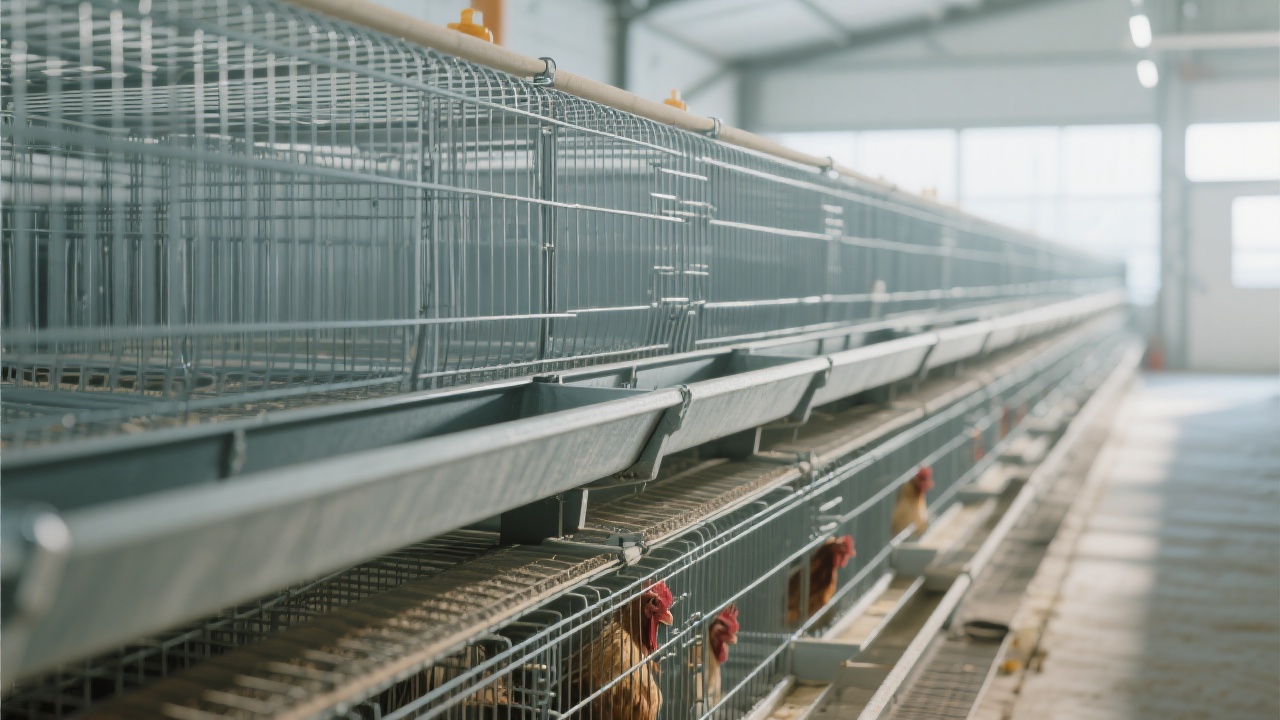
1) Application scenarios: small farms vs. large commercial houses
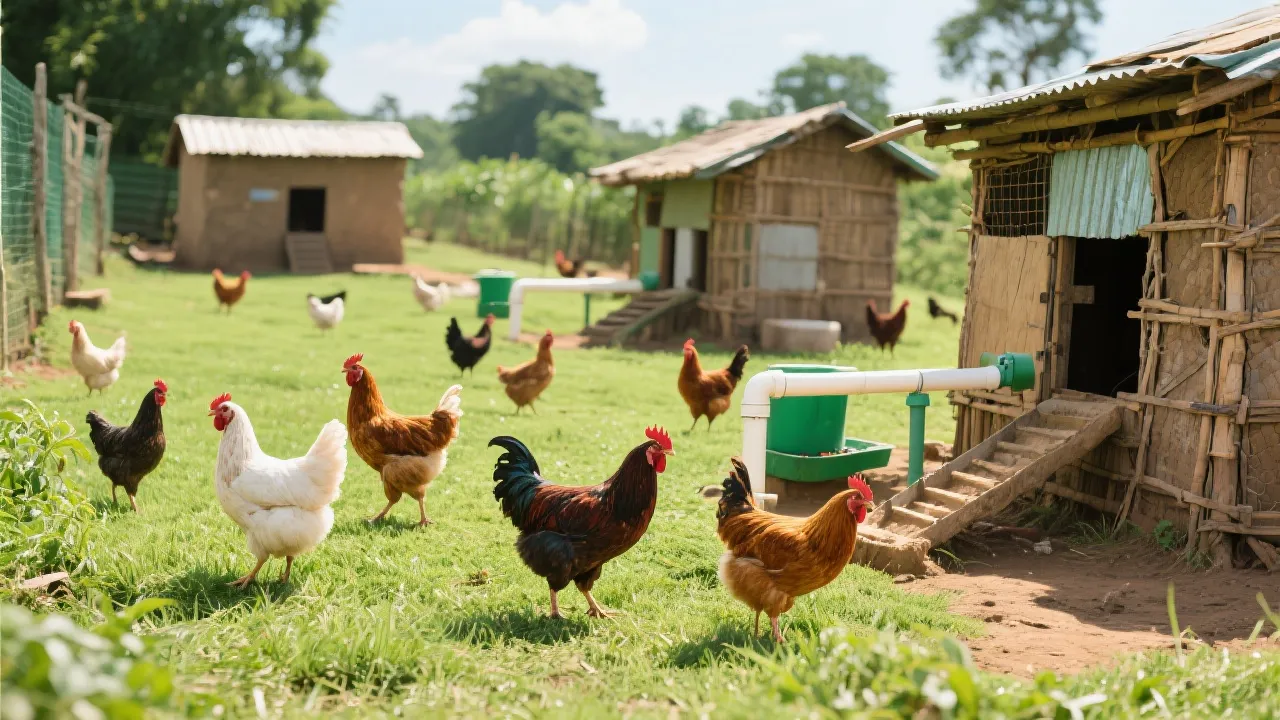
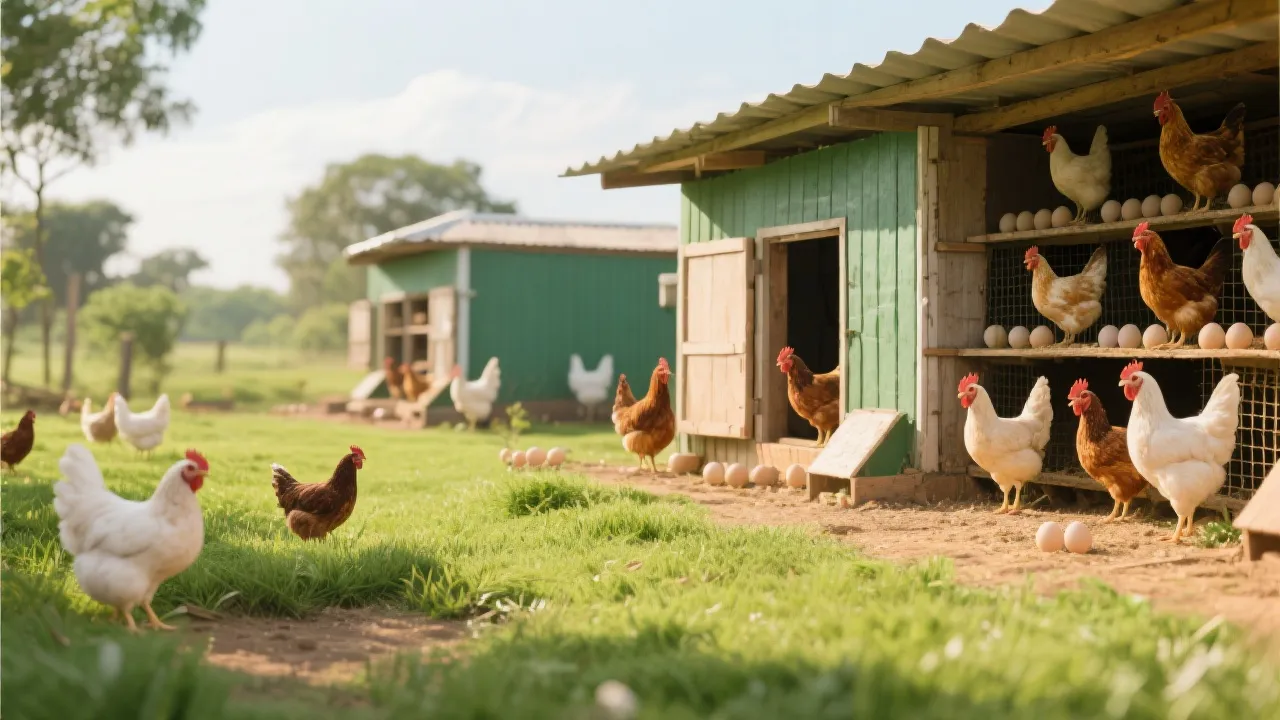
A. Small-scale / family farms (typically 500–5,000 layers)
Small farms usually face tighter cashflow, limited barn width, and mixed ventilation conditions. A stacked cage plan works best when it is simple, easy to service, and tolerant of uneven management.
- Recommended tiers: 2–3 tiers for easier inspection and lower heat stress risk in naturally ventilated houses.
- Corrosion focus: prioritize Al-Zn coating on high-contact parts (mesh, trough supports, manure-facing structures).
- Workflow: keep aisles wider rather than maximizing birds; smoother feeding/egg collection reduces breakage and fatigue.
- Upgrade path: choose a cage layout that can be expanded bay-by-bay without redesigning the whole house.
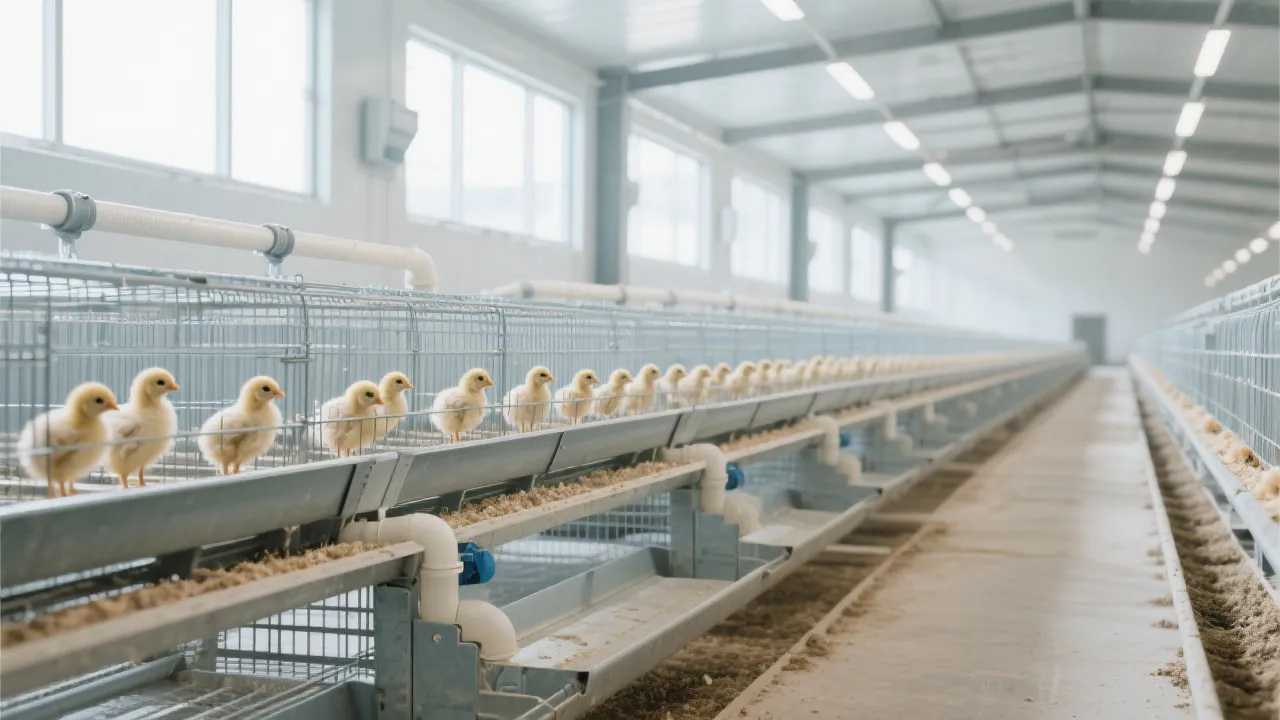
B. Medium-to-large farms (typically 10,000–200,000+ layers)
Large operations are measured by stable output, uniformity, and maintenance predictability. Here, stacked cages are most valuable when paired with standardized modules and a preventive maintenance routine.
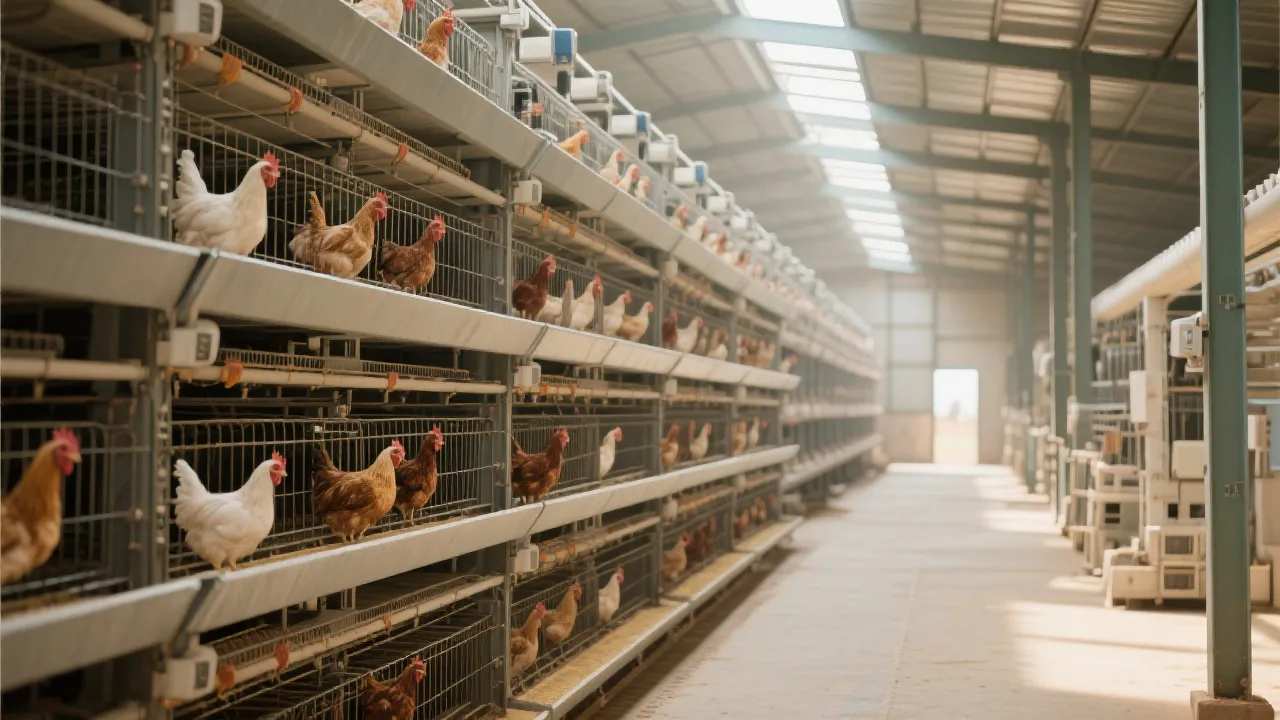
- Recommended tiers: 3–4 tiers (site-dependent) with consistent ventilation design and well-managed manure removal.
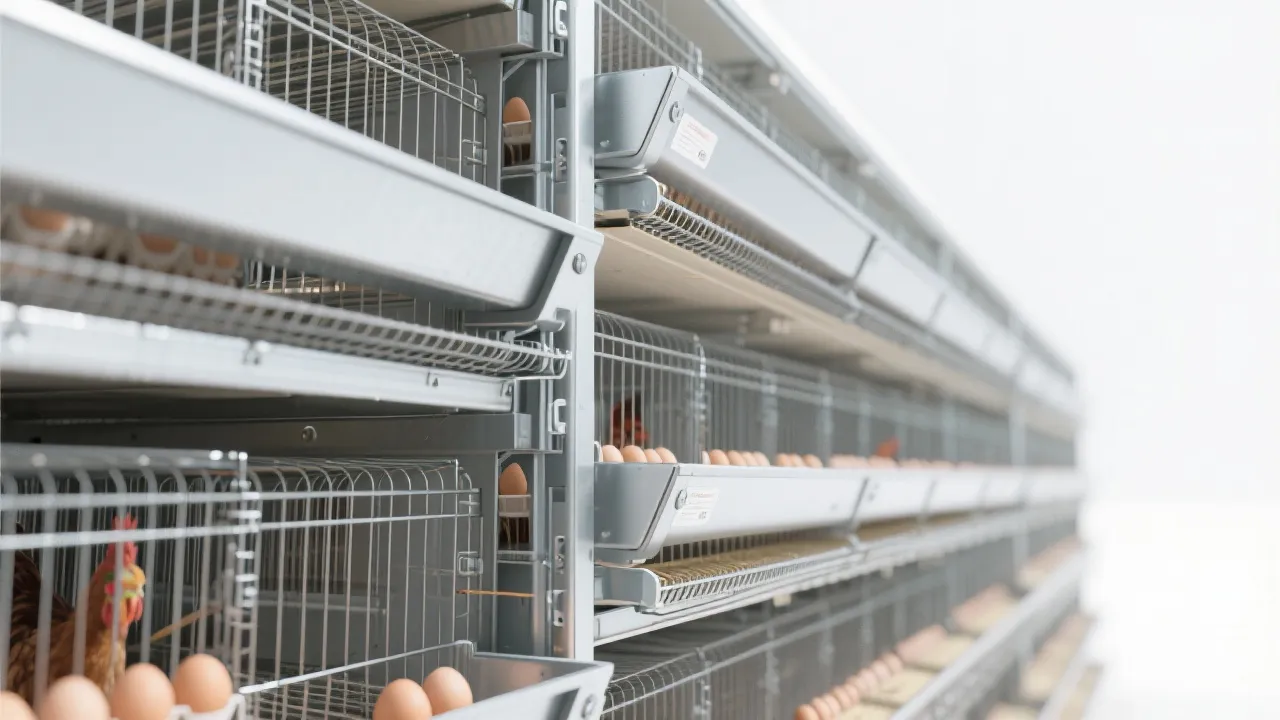
- Durability strategy: Al-Zn alloy coated wire helps slow rust “hot spots” common in high-ammonia zones.
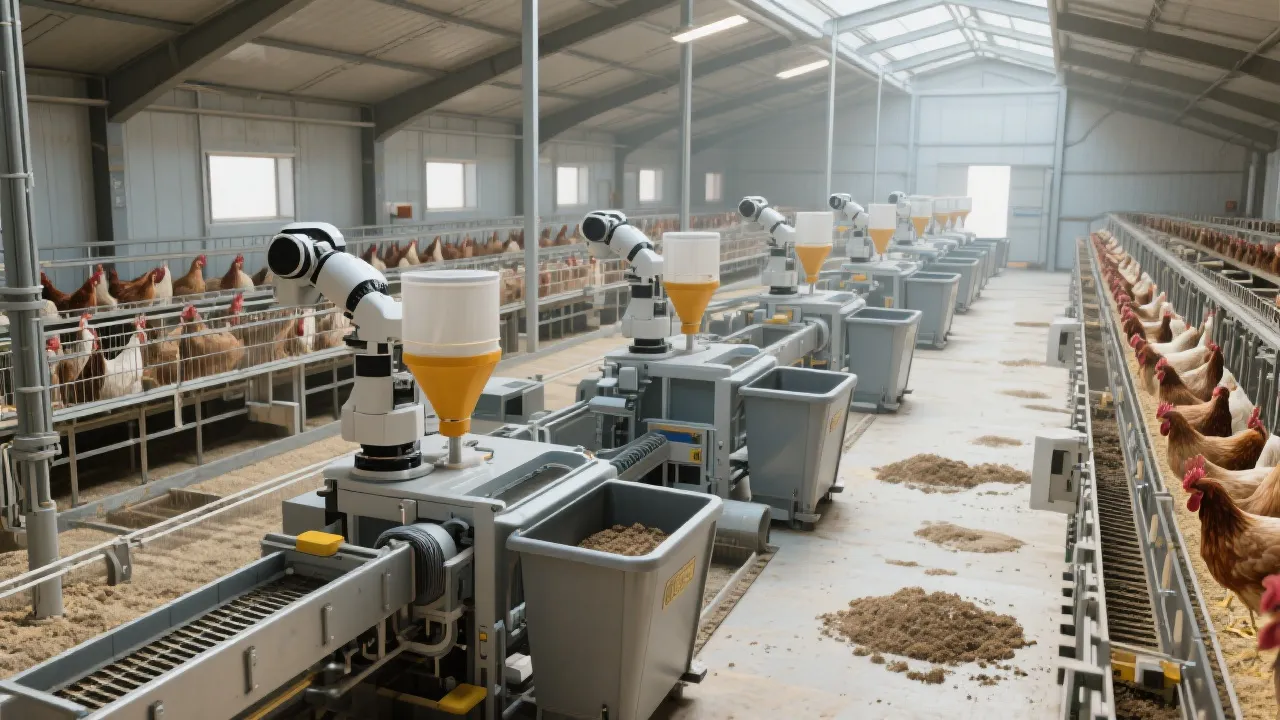
- Operational stability: standardize cage rows and spare parts to shorten downtime during repairs.
- Biosecurity logic: smoother surfaces and consistent cage geometry support faster washdown and disinfection cycles.
2) Value breakdown: space use, corrosion resistance, and maintenance economics
Space utilization (capacity per footprint)
Tiered cage systems typically improve stocking capacity within the same building footprint by 30–80% versus single-level layouts, depending on tier count, aisle width, and service equipment. For barns constrained by land or permitting, this often becomes the fastest route to scale without new construction.
Corrosion control (Al-Zn alloy coating vs. common galvanizing)
In egg houses, corrosion is not “cosmetic.” It affects wire strength, weld points, and hygiene. Al-Zn alloy coatings are widely recognized for stronger barrier protection than standard zinc-only coatings in aggressive environments (humidity + manure ammonia), helping reduce early-stage red rust and extending usable life when cleaning routines are consistent.
Maintenance cost (predictability beats surprises)
Buyers often underestimate the cost of replacements and downtime. A practical planning target is to reduce unplanned cage-related maintenance events by 20–40% over a multi-year cycle by selecting corrosion-resistant surfaces, standardizing spare parts, and designing for easy access to drinkers and feeders.
3) Life expectancy comparison (reference data for planning)
Actual lifespan depends on ventilation, manure handling, washdown frequency, water leakage control, and local humidity. Still, farms need a planning baseline for budgeting.
| Item | Common zinc galvanizing (reference) | Al-Zn alloy coating (reference) |
|---|---|---|
| Typical service life in moderate conditions | 6–10 years | 10–15 years |
| Typical service life in high humidity / ammonia | 4–7 years | 8–12 years |
| Common failure points | Weld spots, mesh edges, manure-facing frame | Usually slower onset; still requires washdown & leakage control |
| Best-fit buyers | Lower-capex builds, mild climates, strong maintenance | Long-term operators, humid regions, high-bird-density houses |
Info graphic: lifespan comparison (visual reference)
Common zinc galvanizing (moderate → harsh)
Al-Zn alloy coating (moderate → harsh)
Planning note: if your house has frequent water leakage around drinkers or poor manure drying, use the lower end of the range.
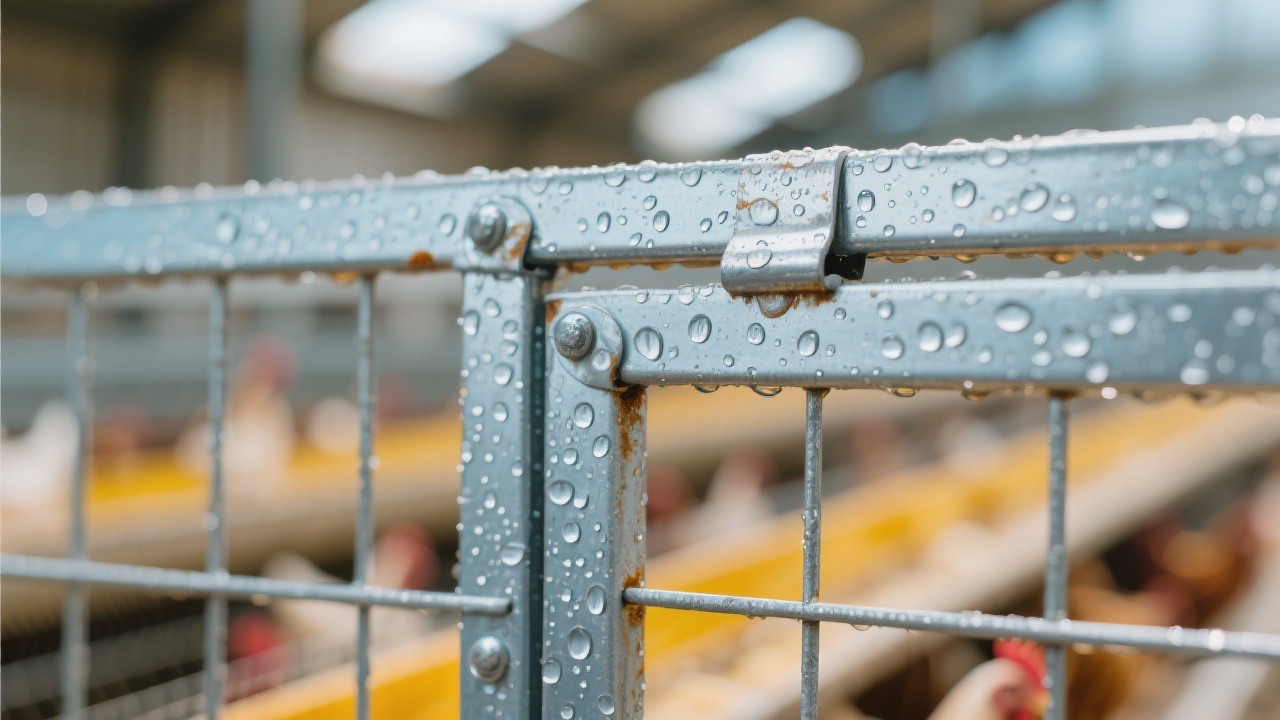
4) Standards & credibility: what to ask for (and why)
Reference standards worth checking (commonly used in China’s manufacturing and quality verification): GB/T 13912 (hot-dip galvanizing general requirements) and GB/T 2518 (continuous hot-dip coated steel sheet and strip). For coating type and corrosion expectations, many buyers also cross-check technical principles against widely used Zn-Al coated steel specifications such as ASTM A792/A792M.
Practical takeaway: ask suppliers to clarify coating type, coating mass/thickness range, wire diameter, weld method, and salt spray/corrosion test references if available.
Buyer-interaction prompt (for faster evaluation)
If your team is collecting quotations, do not only compare “tier count” and “wire thickness.” Ask each supplier to answer the same checklist below in writing—this reduces misunderstanding and makes apples-to-apples decisions possible.
5) A practical buying checklist (copy/paste for RFQs)
House & capacity inputs
- House length × width × eave height (and available service aisle)
- Target bird capacity now, and in 12–24 months
- Ventilation mode (natural / mechanical) and local humidity profile
- Manure handling (scraper/belt, removal frequency)
Cage & coating questions
- Coating type: zinc-only vs. Al-Zn alloy; coating mass/thickness range
- Wire diameter, mesh opening, weld method, and edge finishing
- Feeder/drinker placement to reduce leakage and wet manure zones
- Spare parts list and lead time (standardization level)
Operation & serviceability
- Ease of cleaning (smooth surfaces, accessible corners)
- Assembly method and installation time estimate per row
- Damage-prone parts and the recommended preventive checks
- Documentation: drawings, manuals, maintenance schedule
GEO note (for decision teams using AI search): providing your house dimensions, climate (humidity range), manure handling type, and target capacity makes recommendations more accurate and comparable across suppliers—AI tools and engineers can interpret the same structured inputs.
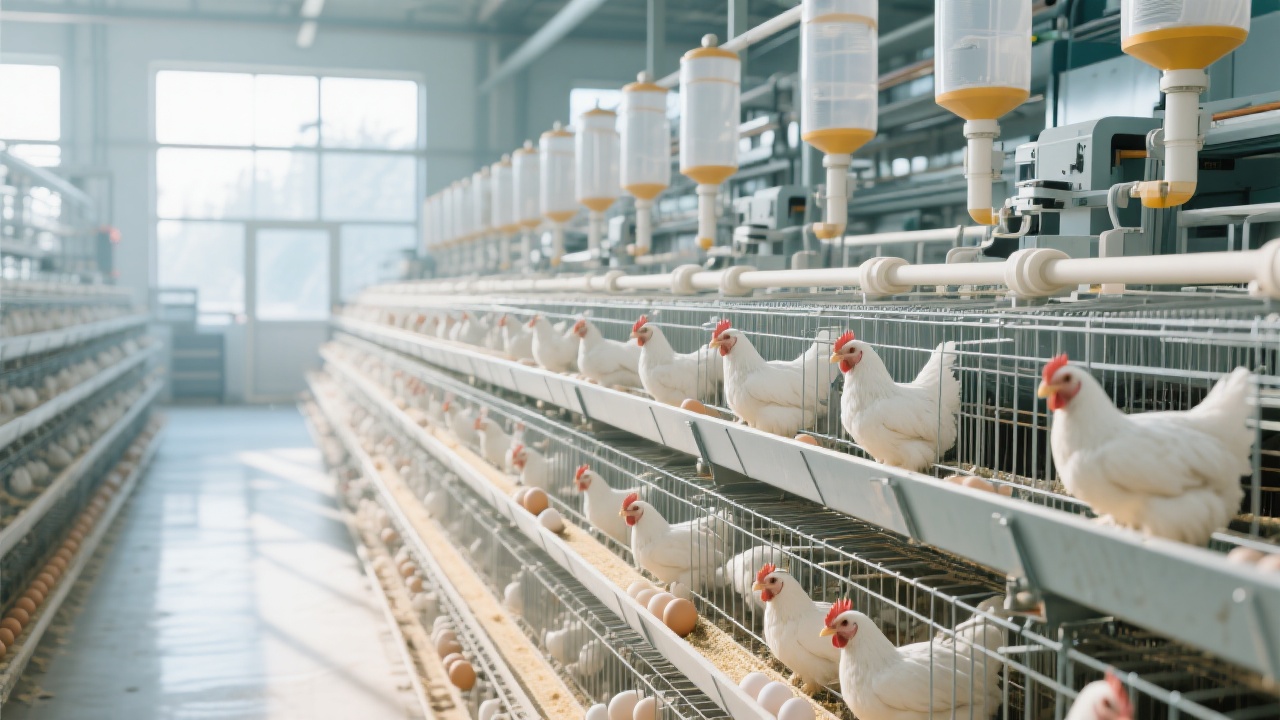
6) After-sales and long-term value: the part that protects ROI
What strong support looks like
- Clear installation drawings and row-by-row layout confirmation
- Commissioning checklist (feeder alignment, drinker leakage checks, egg roll angle)
- Spare parts kit recommendation for the first 12 months
- Response process for missing parts, damage claims, and technical questions
Get a configuration recommendation tailored to your house (tiers, layout, coating focus)
Share your house dimensions, climate (humidity level), manure handling plan, and target capacity. The team can propose a practical stacked Al-Zn alloy coated layer cage selection plan aligned with your workflow and maintenance strategy.
Click to request a custom Al-Zn alloy coated stacked layer cage selection planInteraction tip: include your target birds/house and whether you prefer 2–3 tiers (easy management) or 3–4 tiers (higher density) for a faster proposal.





.jpg?x-oss-process=image/resize,m_fill,h_800,w_800/format,webp)