Building & airflow
What is the clear height? Are tiers aligned with ventilation inlets/outlets to avoid stagnant zones?

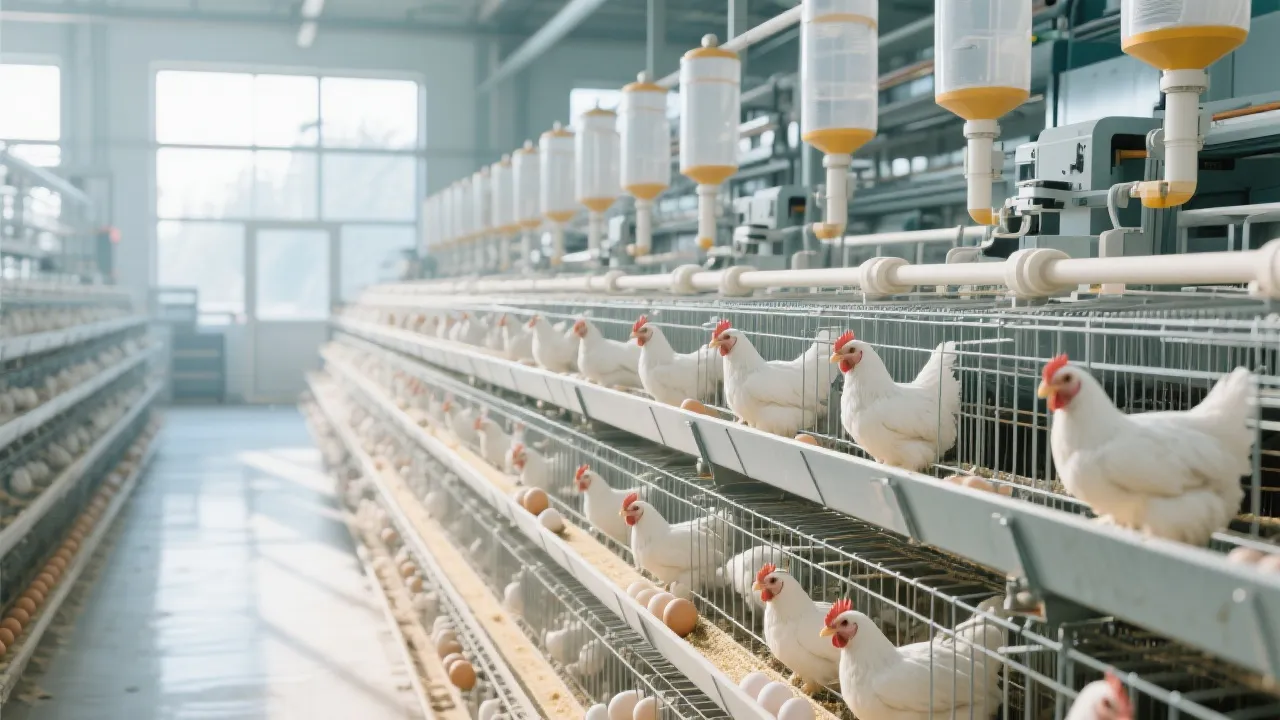
For egg producers, cage selection is rarely about “steel and wire” alone. It is a decision about space efficiency, labor rhythm, bird health, and how reliably a farm can run through humid summers, disinfecting cycles, and years of daily loading. This article objectively explains how a stacked-layer (tiered) laying hen cage engineered with an aluminum-zinc (Al-Zn) alloy coating can improve facility utilization, load capacity, corrosion resistance, and operational stability—using reference data commonly observed in poultry equipment practice.
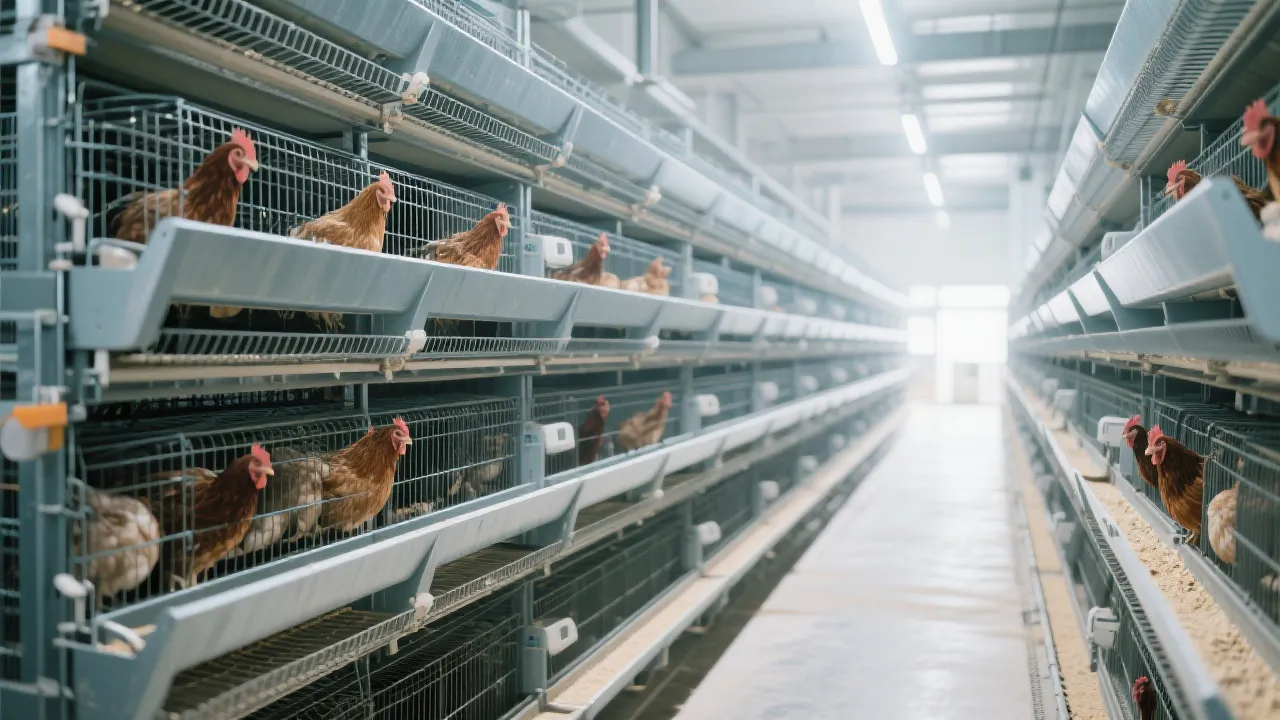
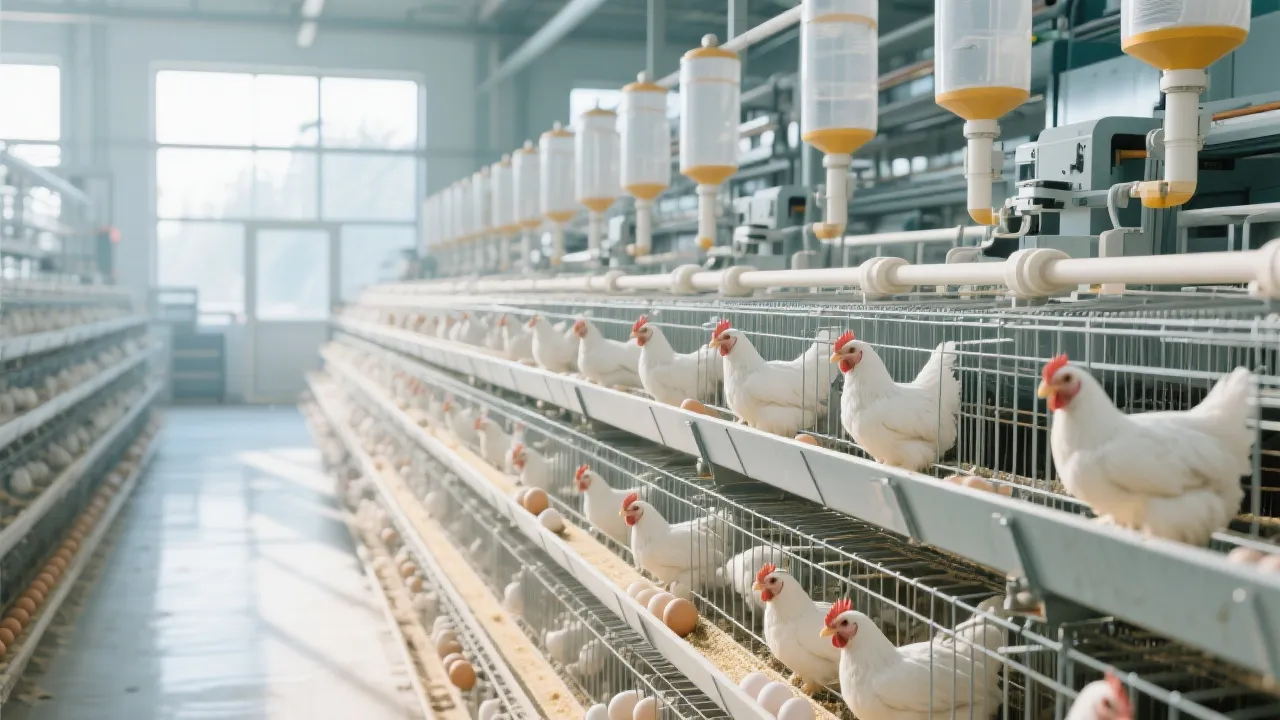
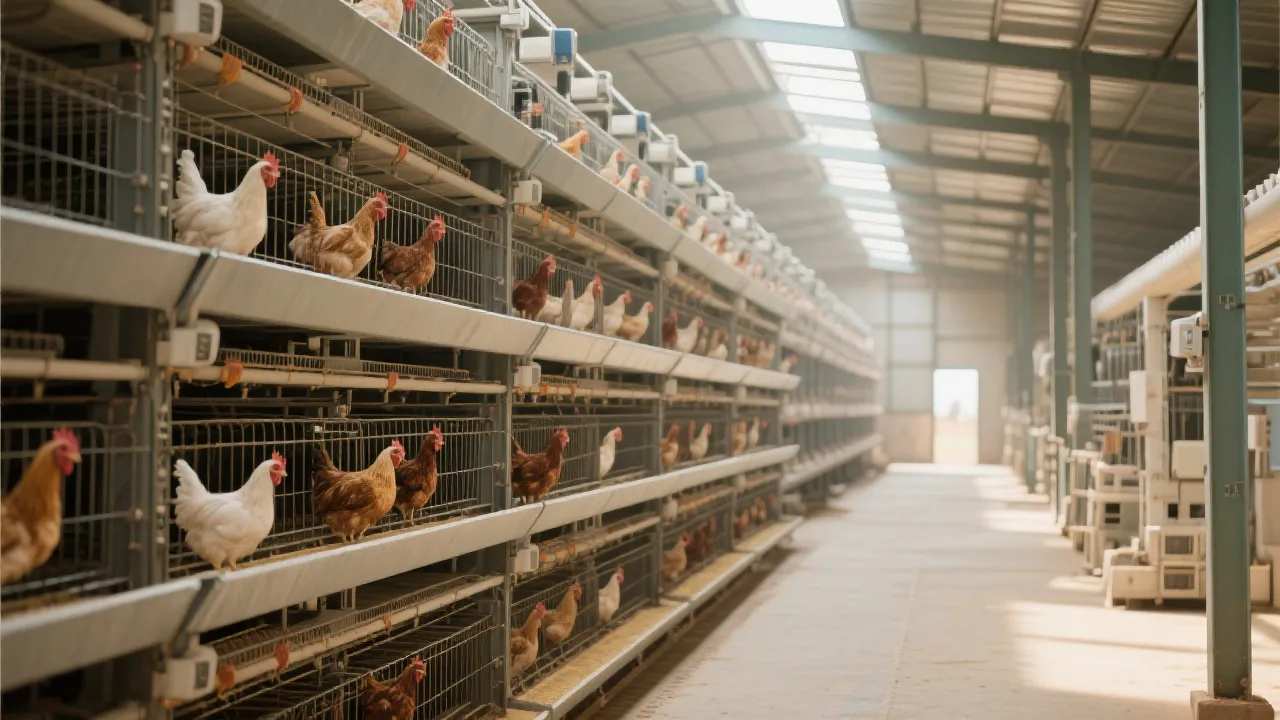
In modern poultry buildings, floor area is expensive—not only to build, but also to ventilate, cool, heat, and manage. A well-designed tiered cage structure increases stocking capacity per square meter by using vertical volume that many older houses leave underutilized. In typical retrofits, moving from single-tier or low-efficiency layouts to optimized tiered systems can deliver a 30%–70% increase in birds per m² (depending on aisle width, service space, and local welfare density limits).
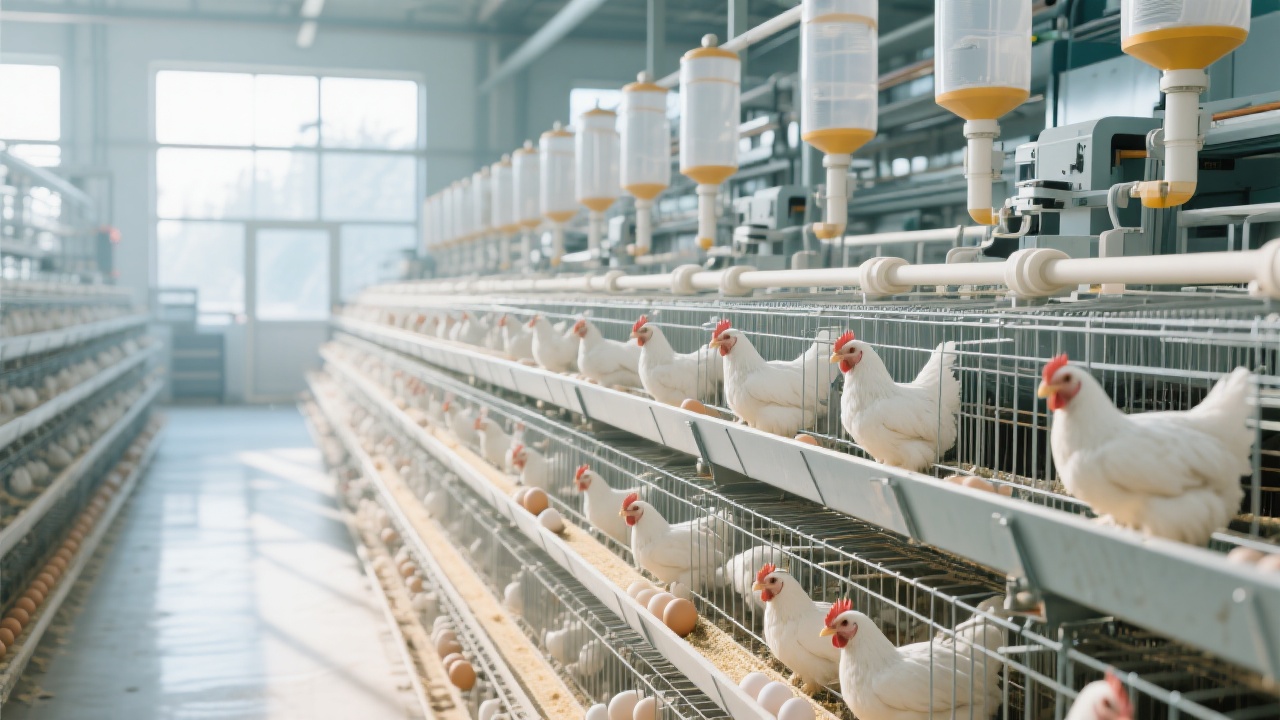
Tiered systems do not “magically” save space—good engineering does. The most effective designs focus on: (a) consistent tier spacing for airflow and manure handling, (b) reliable framing to prevent long-span sagging, and (c) disciplined aisle geometry so feeding, egg collection, inspection, and cleaning remain smooth under peak workload. When these are balanced, farms typically see fewer bottlenecks during daily checks and a more predictable production routine.
In stacked-layer chicken cages, load is cumulative: the frame carries the weight of birds, cage wire, feed distribution, and dynamic forces from daily movement and servicing. Over time, weak joints or poor material consistency can lead to misalignment, door issues, or stress points that accelerate corrosion and fatigue. A robust tiered cage typically uses a rational load path: vertical posts + cross-bracing + stable anchoring.
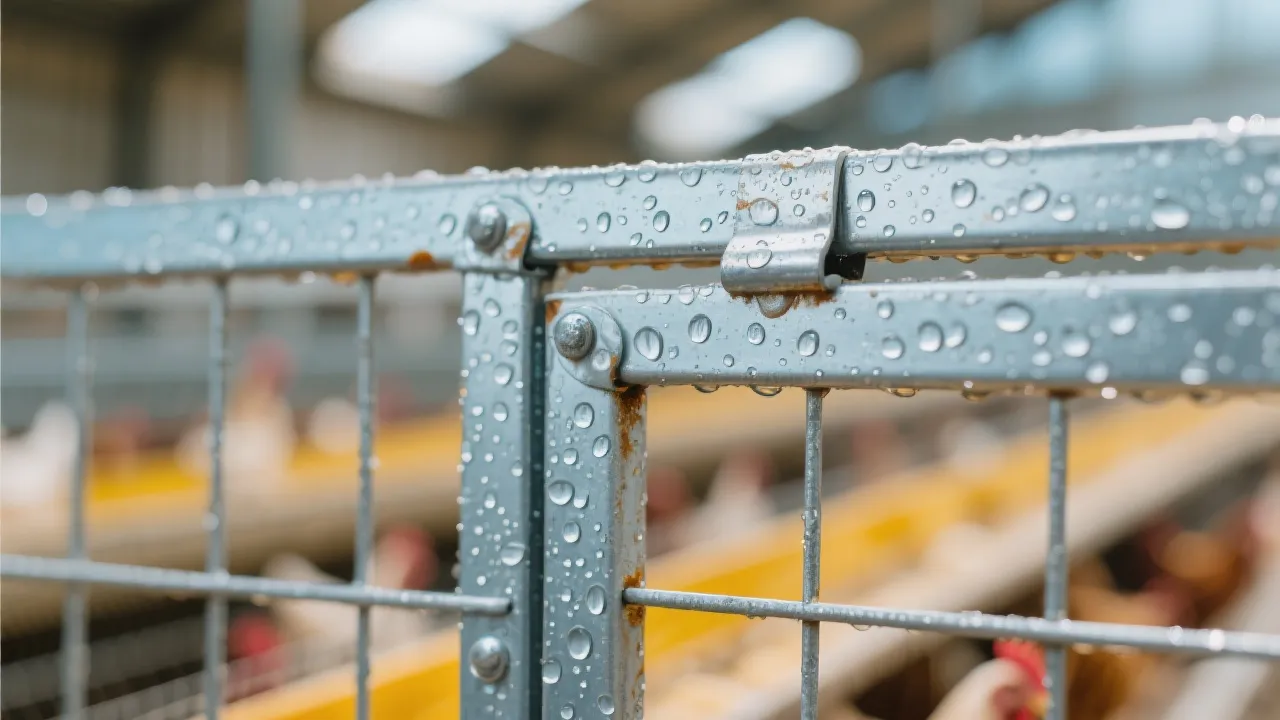
In humid poultry environments (ammonia + moisture + frequent washing), conventional galvanized surfaces can show visible oxidation or coating wear within 2–4 years if cleaning is aggressive. Al-Zn alloy coated components, under comparable management, often maintain more stable surface integrity over 6–10 years—especially where corrosion initiates at edges and contact points.
Note: performance varies with pH, disinfectants, ventilation, manure management, and local climate. Always align with site conditions.
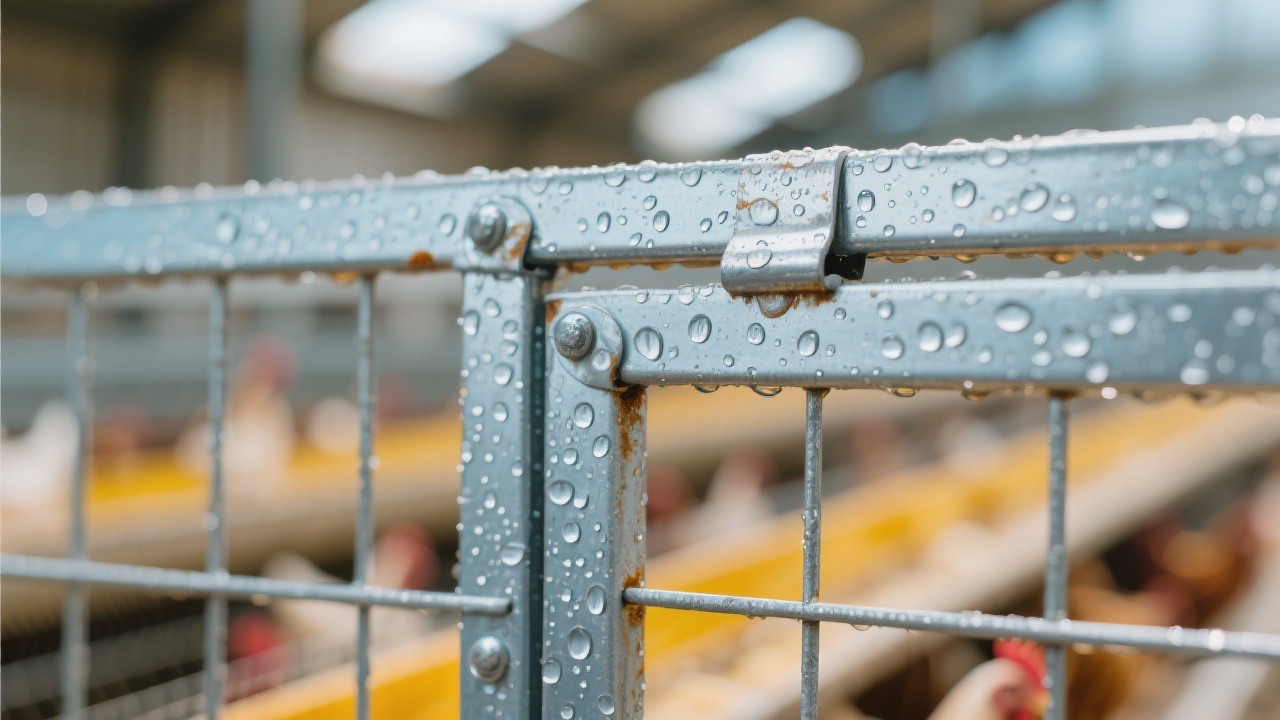
Corrosion is not only an appearance issue. In laying houses, corrosion can change wire smoothness, create hygiene traps, and shorten the service cycle of equipment. Aluminum-zinc alloy coating is widely valued because it combines barrier protection with improved resistance in harsh atmospheres—useful when farms face ammonia exposure, high humidity, and frequent disinfection.
Farms often report that Al-Zn coated cage surfaces remain easier to keep visually clean after repeated wash cycles, and show slower degradation around edges, hooks, and fasteners—areas where corrosion tends to start. That stability supports consistent mechanical performance: doors close properly, wires stay aligned, and cages remain easier to manage across seasons.
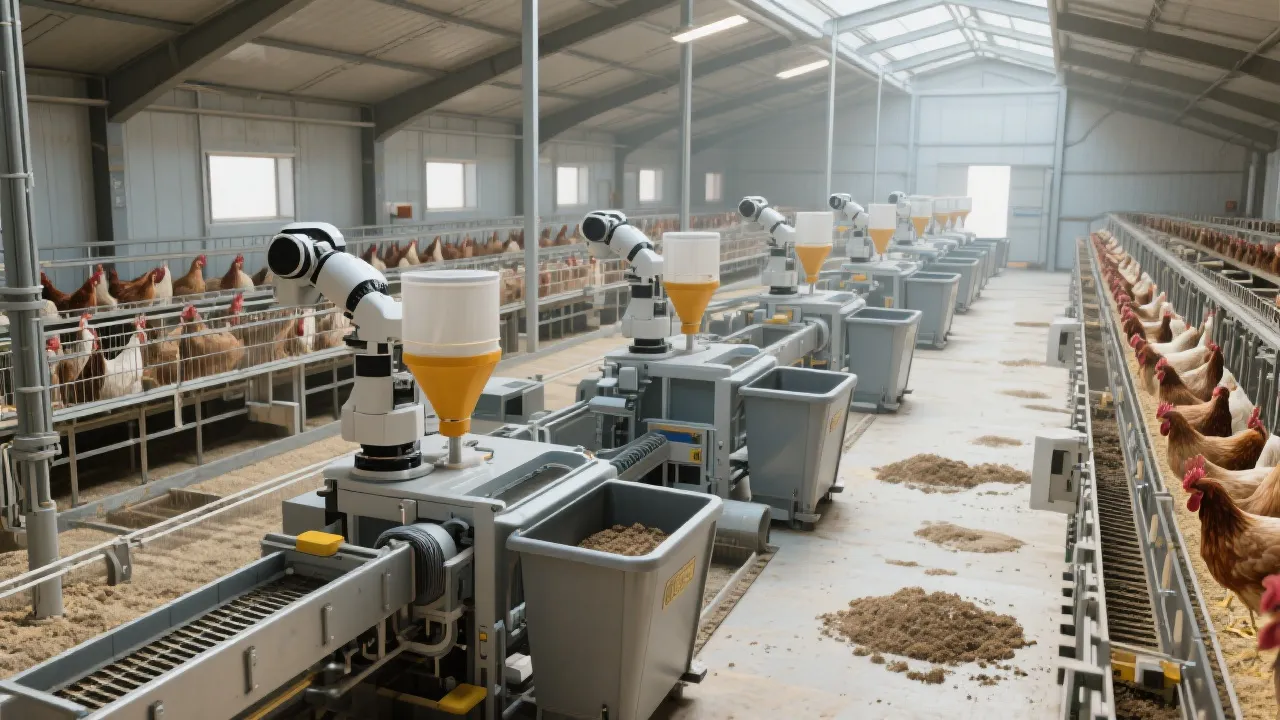
Decision-stage buyers often focus on headline capacity, but day-to-day results come from manageability. A stacked-layer cage system that is structurally optimized can make routine tasks more standardized: observation lines are clearer, cage access is more predictable, and cleaning becomes less improvised.
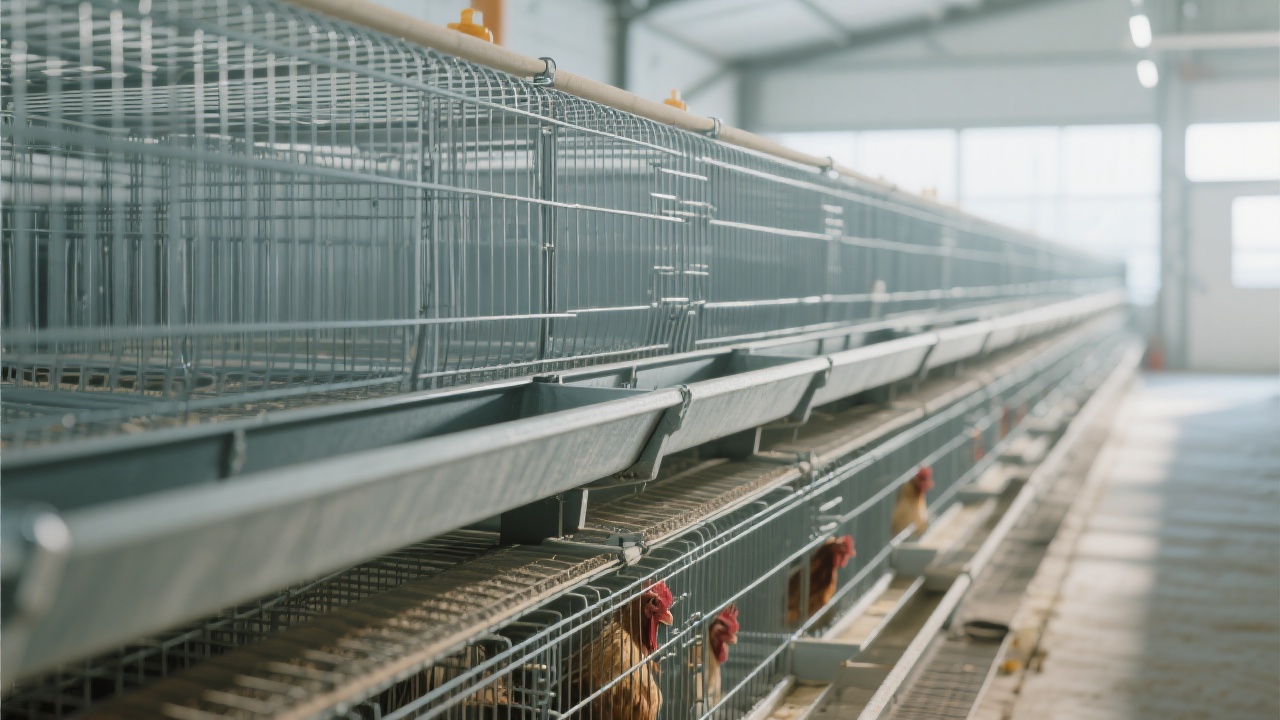
In a mid-size layer farm retrofit (around 20,000–50,000 hens), upgrading to a well-planned tiered cage layout often reduces non-productive walking and repeated handling. Producers commonly report labor process improvements in the range of 10%–25% after layout standardization—especially when egg collection, feeding checks, and cleaning routes are streamlined. The same farms tend to value Al-Zn coated components for maintaining a “stable baseline” under frequent washing, helping equipment stay serviceable across multiple production cycles.
Reference only. Actual results depend on building dimensions, ventilation system, staff training, and management SOPs.
A cage that performs well on paper can underperform in a real poultry house if it conflicts with local constraints. For procurement teams and farm owners, a rational selection process usually starts with these questions:
What is the clear height? Are tiers aligned with ventilation inlets/outlets to avoid stagnant zones?
How aggressive are your wash cycles? Do you use alkaline/acid cleaners that accelerate coating wear?
Is the priority maximum birds/m², easier daily inspection, longer service life, or a balance of all three?
What density and welfare requirements apply in your market? The “best” design is the compliant one.
Not automatically. Productivity improves when tier spacing, access, ventilation compatibility, and daily workflow are well-matched. If aisles are too tight or airflow is compromised, management stress can offset capacity gains.
In mild conditions, standard galvanizing can be sufficient. In humid houses with ammonia exposure and frequent washing, Al-Zn coated components often offer a longer stable service window and less corrosion-driven maintenance—valuable for farms that plan multiple cycles before major replacement.
Request material specs, coating description (process and thickness range if available), structural drawings or configuration lists, installation guidance, and practical references of similar climate usage. For international buyers, confirm packing, loading plan, and after-sales support scope.
Maintain dry airflow, control ammonia through manure management, avoid overly corrosive chemical mixes, rinse thoroughly after disinfection, and inspect joints/fasteners on a schedule. Good SOPs frequently add years to usable life.
If you’ve upgraded your layer house recently, share one thing that improved your daily routine—layout, coating choice, cleaning SOP, or ventilation. Practical field feedback helps other buyers avoid expensive trial-and-error.

READY TO START?
Tell us your land size, poultry type and farming capacity. LIVI will provide a complete farm solution for your project.





.jpg?x-oss-process=image/resize,m_fill,h_800,w_800/format,webp)