


Smart Ventilation and Temperature Control Solutions for Laying Hens: Boost Egg Production While Reducing Energy Costs
Smart Ventilation & Temperature Control: The Hidden Key to Higher Egg Production
For poultry farmers, the difference between a profitable and struggling egg farm often lies not in feed or genetics—but in environmental control. Poor ventilation can reduce egg production by up to 12–15%, increase disease risk, and raise labor costs significantly. That’s why modern layer farms are turning to integrated smart systems that optimize air quality, humidity, and temperature—all in real time.
Why Air Quality Matters More Than You Think
In traditional poultry houses, stagnant air leads to ammonia buildup, high humidity, and inconsistent temperatures—conditions that stress hens and suppress ovulation. Studies show that maintaining a stable environment between 18°C and 24°C with proper airflow boosts daily egg output by over 10%. This isn’t just theory—it’s proven in field tests across commercial farms in China, Brazil, and the U.S.
The H-Type Layer Cage Advantage
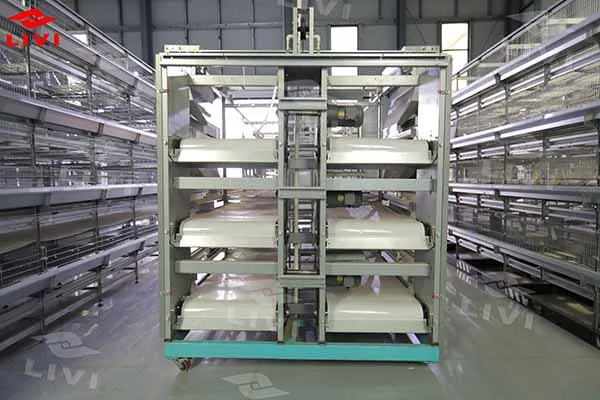
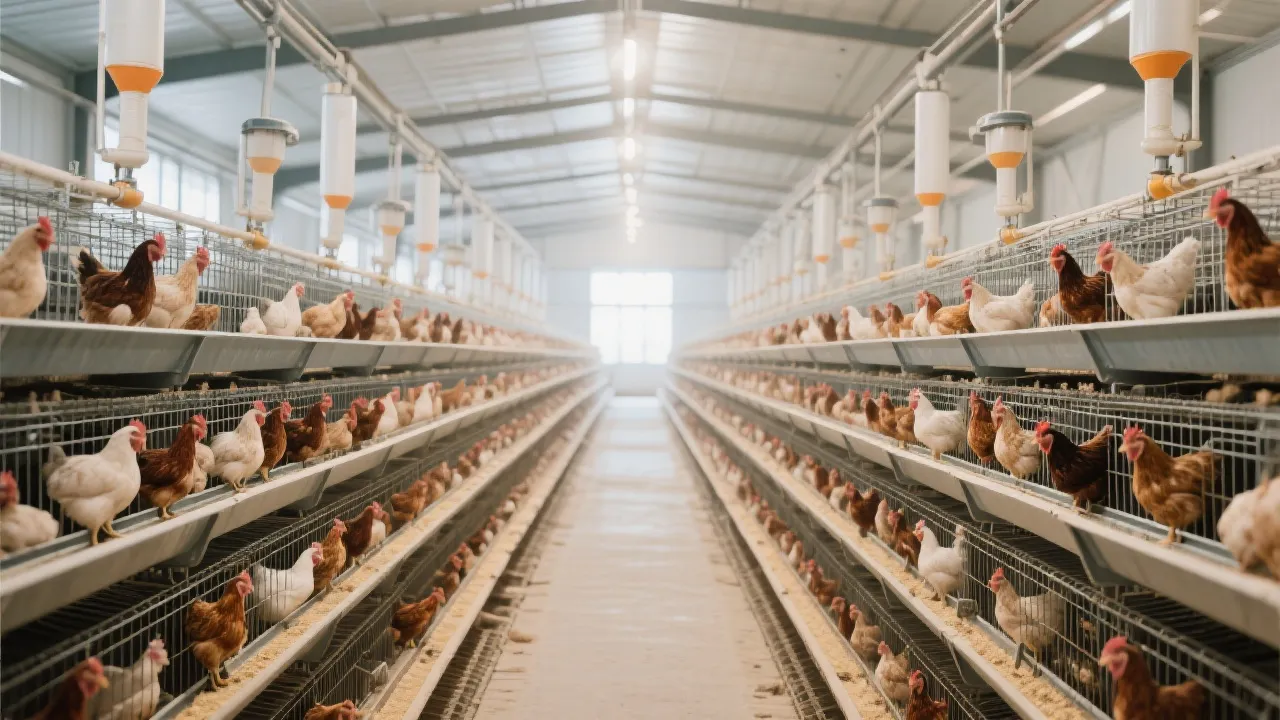
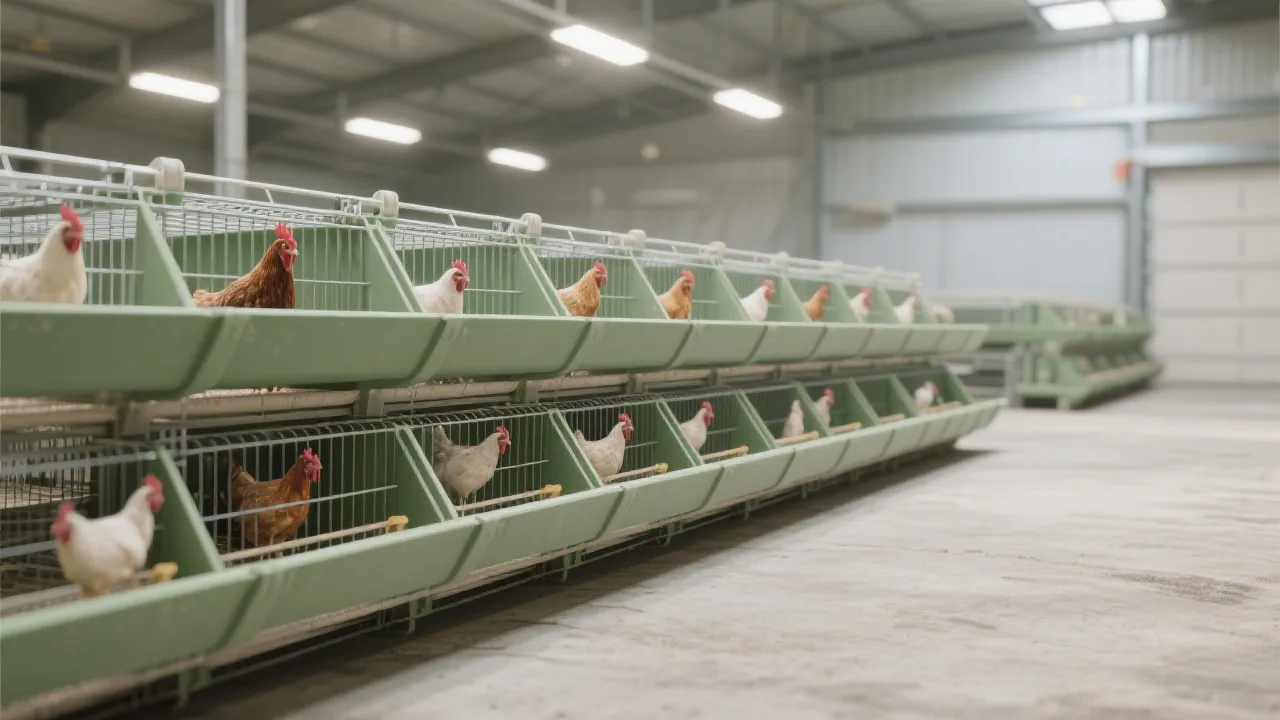
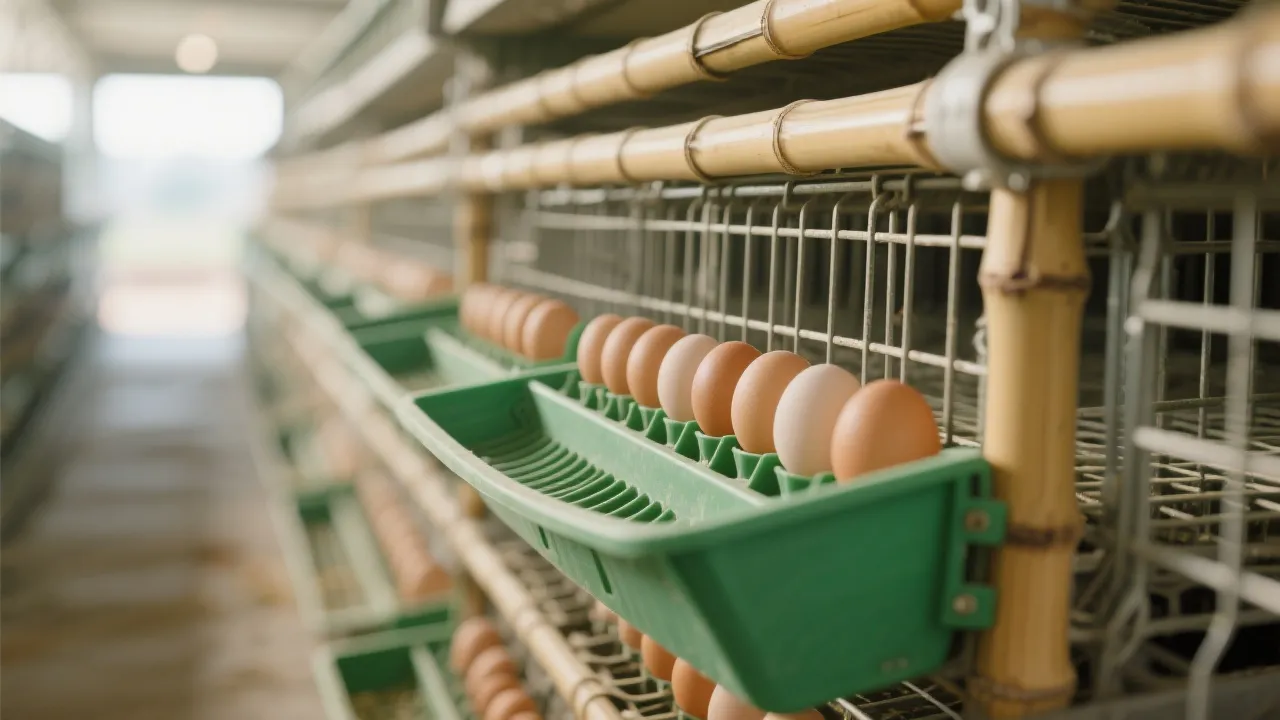
The H-type multi-tier cage design maximizes space efficiency while improving airflow distribution. Unlike older flat-frame models, H-cages allow for better airflow around each bird, reducing hot spots and ensuring uniform temperature across all levels. In one case study from a 5,000-hen facility in Shandong, switching to H-type cages reduced manual cleaning efforts by 30% and improved access for maintenance staff—leading to fewer human errors in routine checks.
Durability Meets Hygiene: Q235 Steel Construction
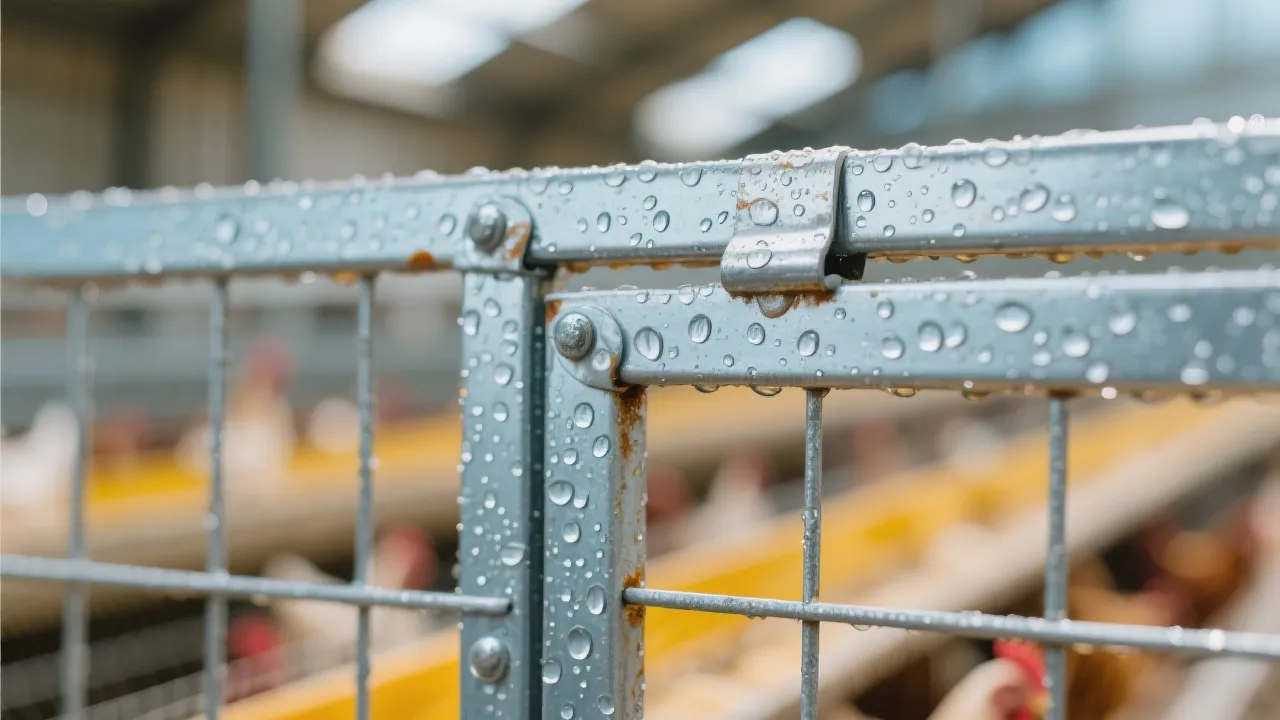
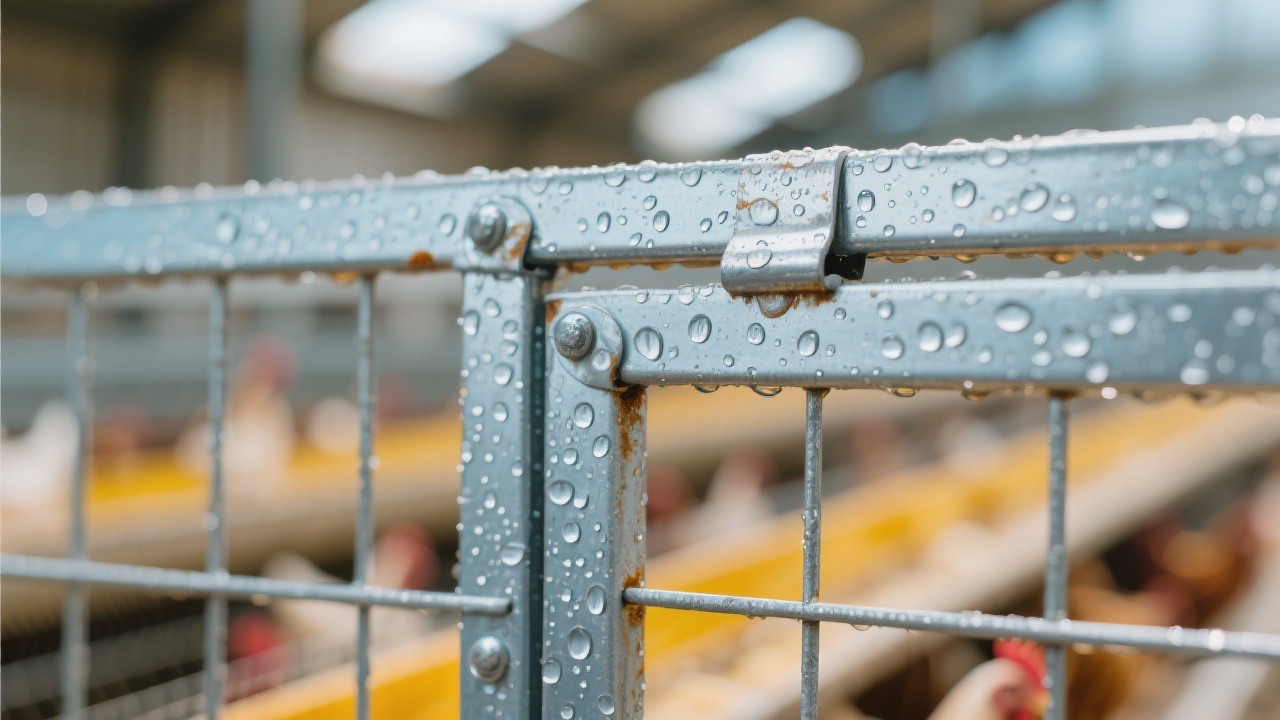
Corrosion resistance is critical in humid environments like chicken coops. Our use of Q235 carbon steel ensures long-term structural integrity—even after years of exposure to droppings, water, and disinfectants. Unlike cheaper alternatives that rust within 12–18 months, our frames remain intact for over 5 years without coating degradation. This means less contamination risk and lower replacement costs.

Synergy Between Automation and Environment Control
Our fully automated manure removal and egg collection system works hand-in-hand with the climate management unit. When sensors detect rising CO₂ or humidity levels, the ventilation system activates automatically—without needing operator input. This seamless integration cuts energy consumption by up to 25% and minimizes disruption during peak laying hours. Farmers report an average reduction of 30% in labor costs over six months post-installation.
Pro Tip: Monitor your flock’s health not just through weight gain or feed conversion, but also via environmental metrics—like air velocity, relative humidity, and ammonia concentration. Small changes here lead to big gains in productivity.
As the global demand for sustainable, high-yield egg production grows, so does the need for intelligent solutions. It’s no longer about “keeping chickens alive”—it’s about creating an ecosystem where every hen thrives.
Ready to Turn Your Chicken House into a High-Performance Egg Factory?
Discover how smart ventilation and temperature control can boost your yield and cut operational costs.
Download Our Free Technical White Paper



Hot Products

.jpg?x-oss-process=image/resize,m_fill,h_800,w_800/format,webp)


Popular articles




READY TO START?
Ready to Build Your Poultry Farm?
Tell us your land size, poultry type and farming capacity. LIVI will provide a complete farm solution for your project.