


Smart Chicken Farming Environment Control System: Boost Egg Quality and Global Competitiveness

How Smart Environmental Control Boosts Egg Quality and Global Competitiveness
Did you know? A mere 2°C temperature fluctuation in a poultry house can reduce egg production by up to 12%—and increase mortality risk by 8%. For farms aiming to export premium eggs, this isn’t just a management issue—it’s a competitive edge.
The Hidden Link Between Airflow, Temperature & Egg Yield
In commercial layer operations, ventilation efficiency directly impacts flock health, feed conversion, and ultimately, shell quality. According to a 2023 study from the University of Georgia, poorly designed air systems lead to elevated ammonia levels (above 25 ppm), which correlates with a 15% drop in eggshell strength—a major red flag for international buyers.
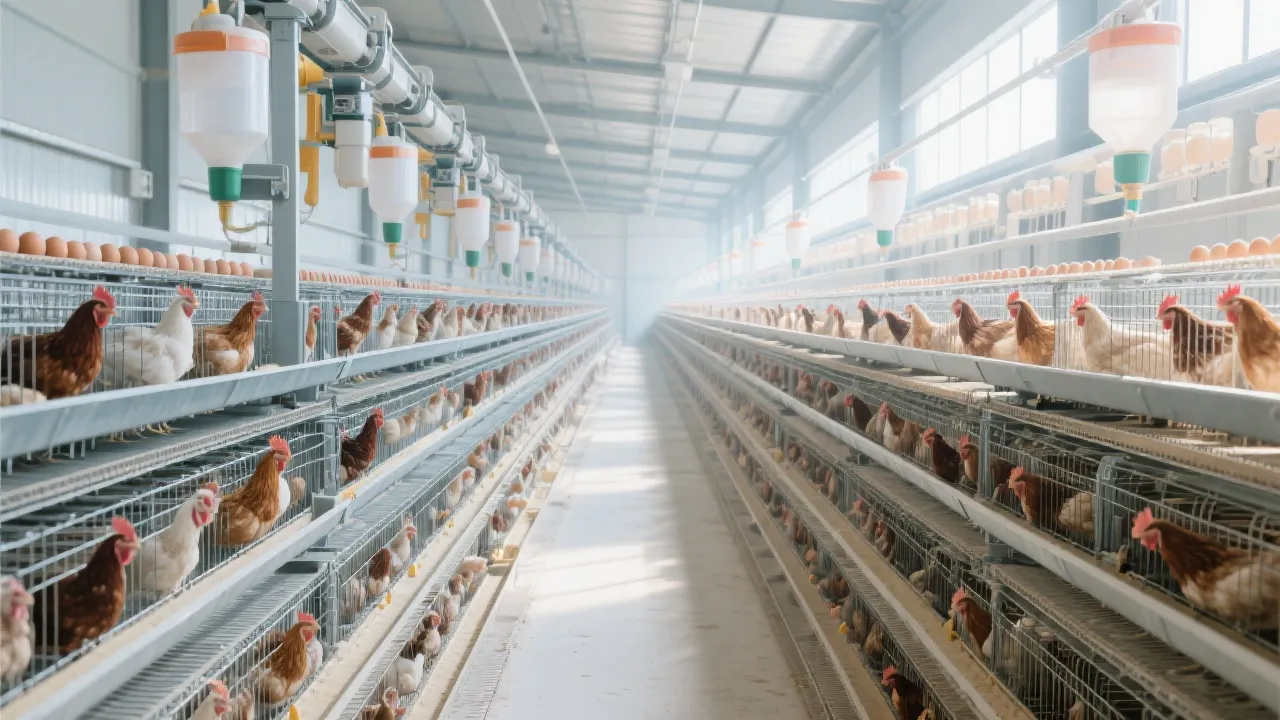
Compare two setups: natural cross-ventilation vs. automated side-wall fans. Data shows that farms using smart airflow control see a 20% lower respiratory disease rate and 10–15% higher daily egg output compared to traditional methods.
Why Cage Material Matters More Than You Think
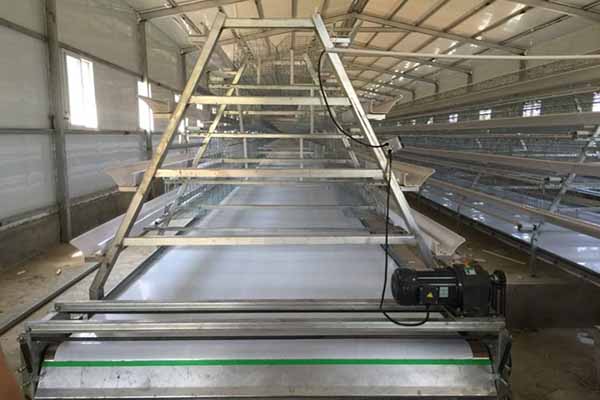
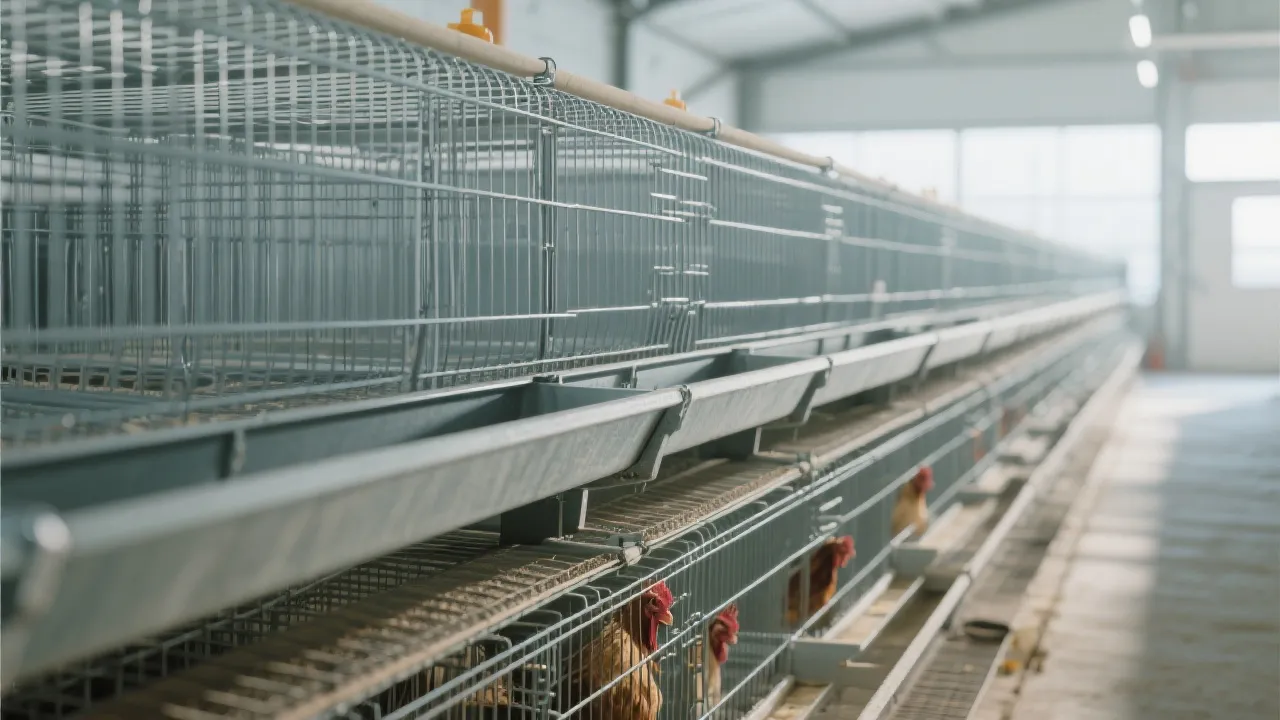
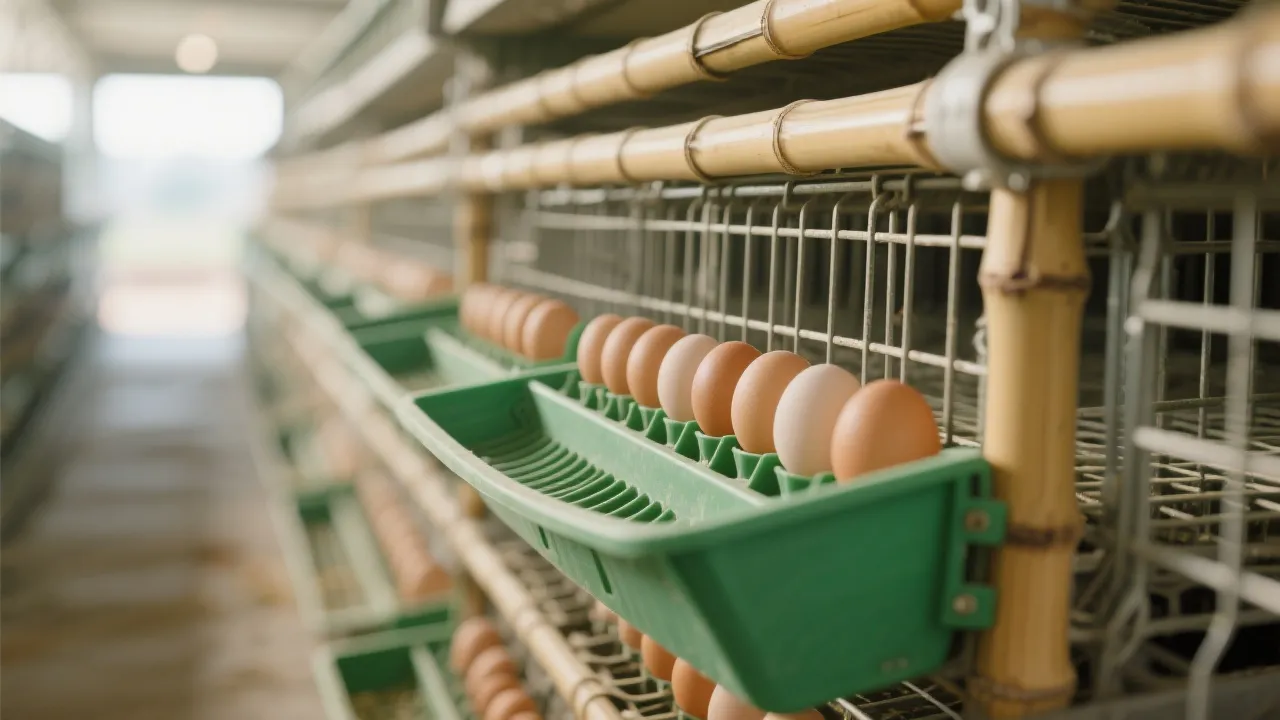
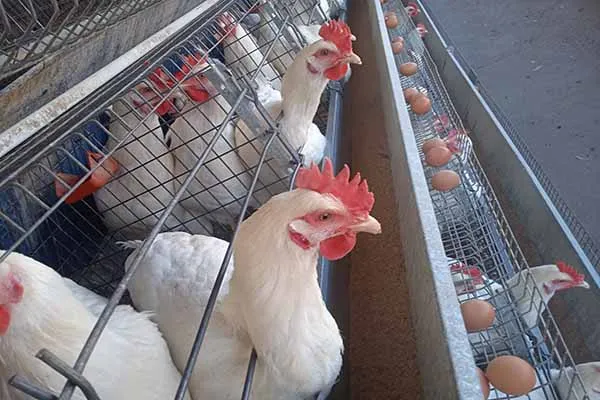
Many operators overlook how cage construction affects hygiene and longevity. H-type cages made from Q235 carbon steel—with anti-corrosion coating—offer not only structural durability but also easier cleaning cycles. In one case study from a Thai exporter, switching to corrosion-resistant cages reduced bacterial load by 40%, leading to fewer culls and higher compliance with EU egg standards.
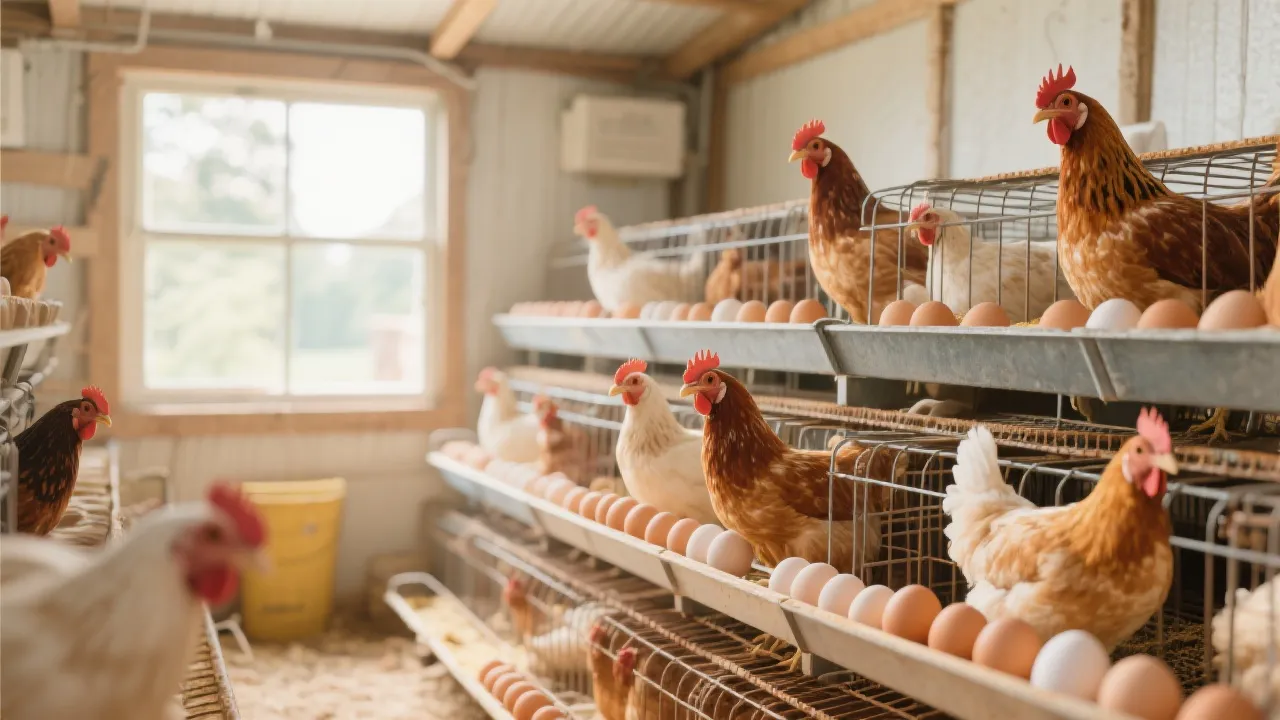
Remember: clean cages = less stress = better egg quality. This is especially critical when targeting markets like Germany or Japan, where food safety audits are stringent.

Automation Isn’t Just Convenient—It’s Strategic
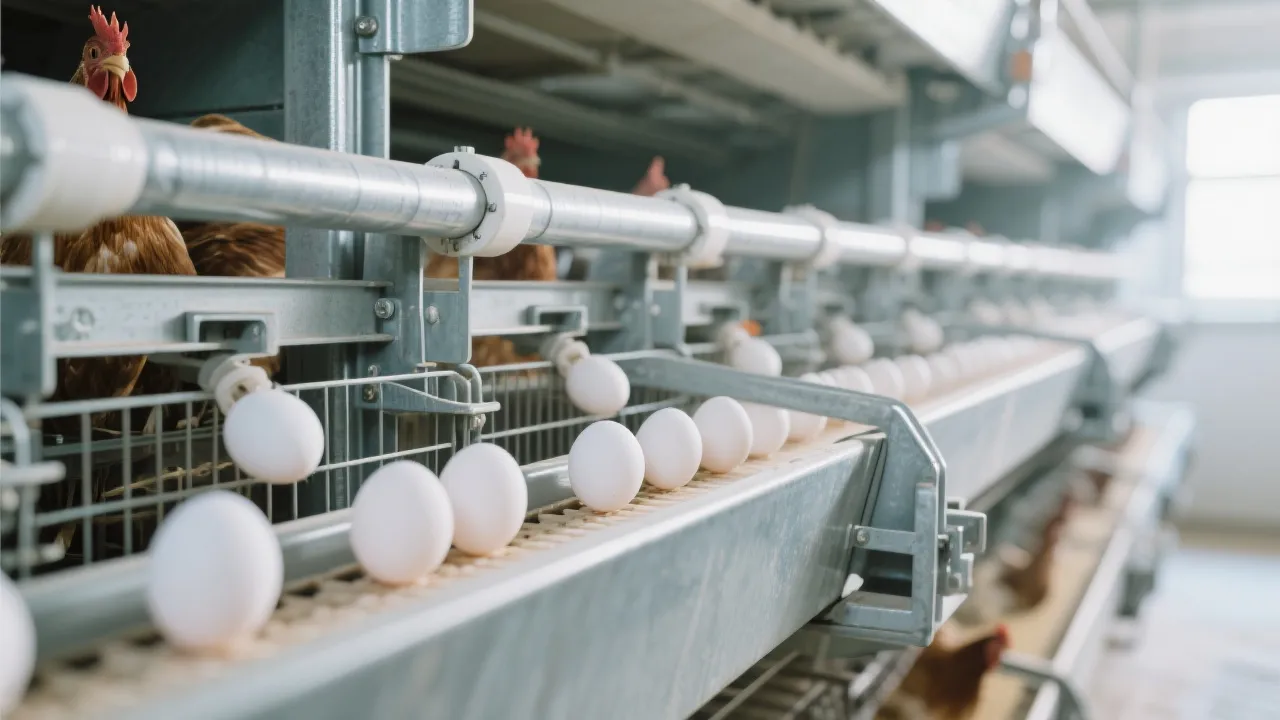
When integrated correctly, automatic egg collection and manure removal systems cut labor costs by 30% while minimizing human interference during peak laying hours. But here’s what most miss: these systems must sync with environmental controls. For example, turning off fans during high humidity periods without adjusting ventilation can create stagnant zones—leading to heat stress even if the average temperature seems fine.
Pro tip: Use IoT-enabled sensors to monitor CO₂, NH₃, and relative humidity in real time. Farms that do this report 25% fewer emergency interventions and smoother seasonal transitions—especially vital for summer heatwaves or winter cold snaps.
Quick quiz: What’s the most overlooked ventilation blind spot in your barn? Is it under the roof ridge? Near nest boxes? Share your answer below—we’ll feature top responses in our next newsletter!
Download Now: Free Chicken House Environment Checklist PDF — Includes seasonal tips for spring respiratory prevention and summer heat stress mitigation. Perfect for farm managers preparing for export certification.
Get Your Free Checklist →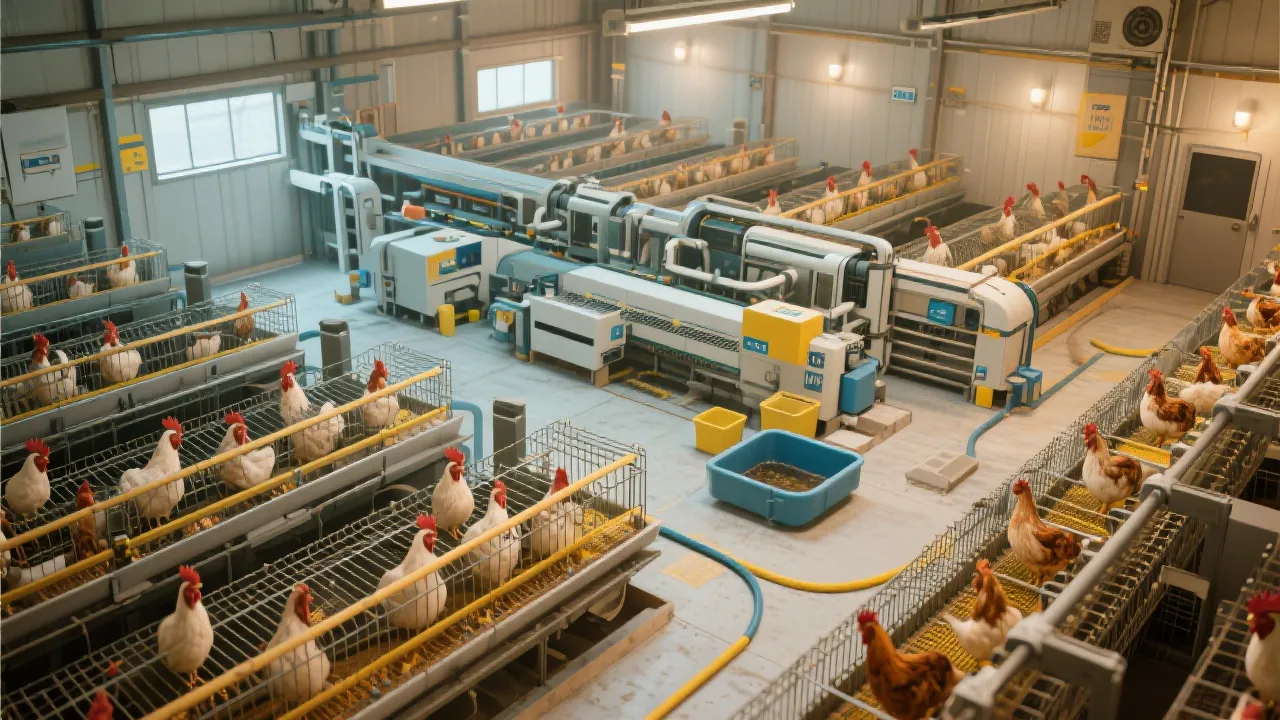



Hot Products

.jpg?x-oss-process=image/resize,m_fill,h_800,w_800/format,webp)


Popular articles


READY TO START?
Ready to Build Your Poultry Farm?
Tell us your land size, poultry type and farming capacity. LIVI will provide a complete farm solution for your project.