


Research on the Operational Stability and Egg Integrity Rate of Automatic Egg Collection Systems in Intelligent Farming Environments

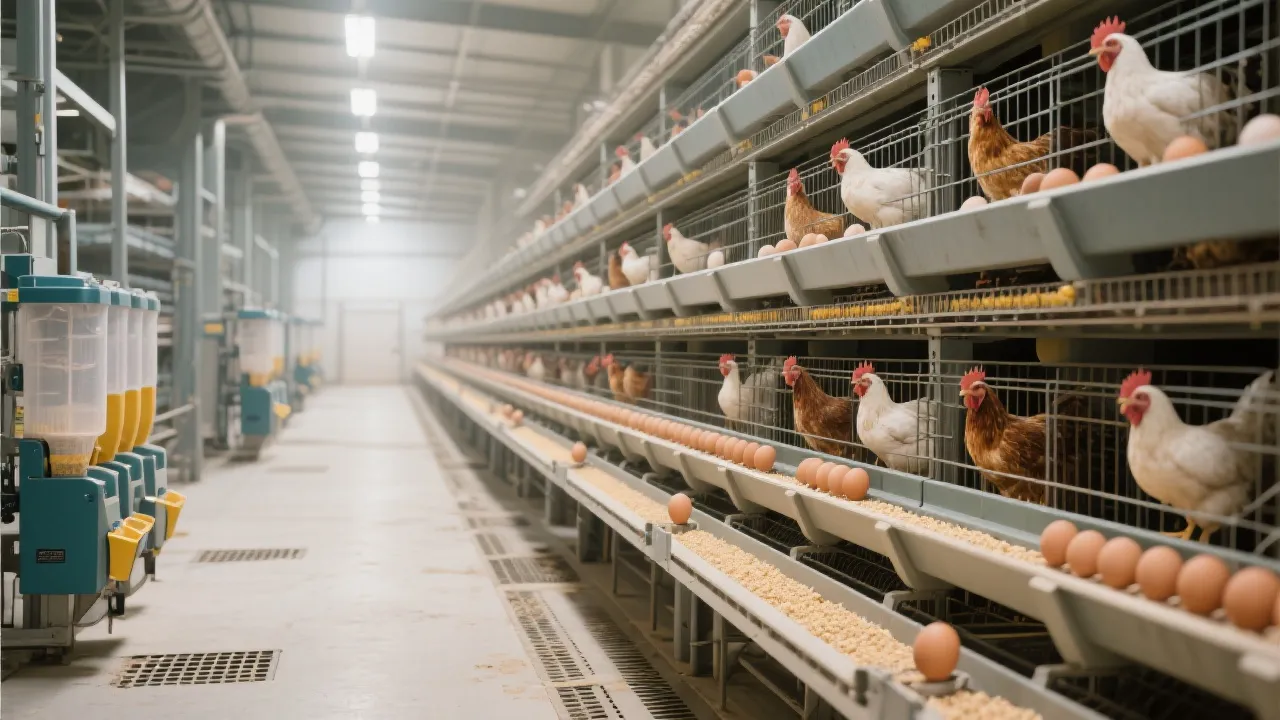
The Practical Application of Automatic Egg Collection Systems in Commercial Laying Hen Farming
In the realm of commercial laying hen farming, the traditional method of manual egg collection has long been a pain point for farmers. Manual egg collection is not only inefficient but also comes with a high risk of egg breakage and significant hygiene concerns. These issues can lead to increased costs and reduced profitability for farmers.
The Pain Points of Manual Egg Collection
Let's take a closer look at the problems associated with manual egg collection. Firstly, the efficiency is extremely low. A worker can only collect a limited number of eggs per hour, usually around 300 - 500 eggs. This means that in a large - scale farm with thousands of hens, a large number of workers are required, which significantly increases labor costs.
Secondly, the breakage rate is high. Due to human error and the fragility of eggs, the breakage rate during manual collection can reach up to 5% - 10%. This not only results in direct economic losses but also creates additional cleaning and disposal work.
Finally, there are serious hygiene risks. Workers' hands may carry various bacteria, which can contaminate the eggs during the collection process. This can affect the quality and shelf - life of the eggs, and in some cases, may even pose a threat to consumer health.
The Technical Principle of the Automatic Egg Collection System
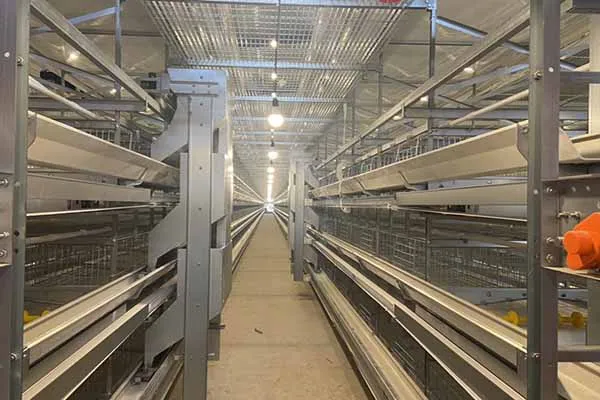
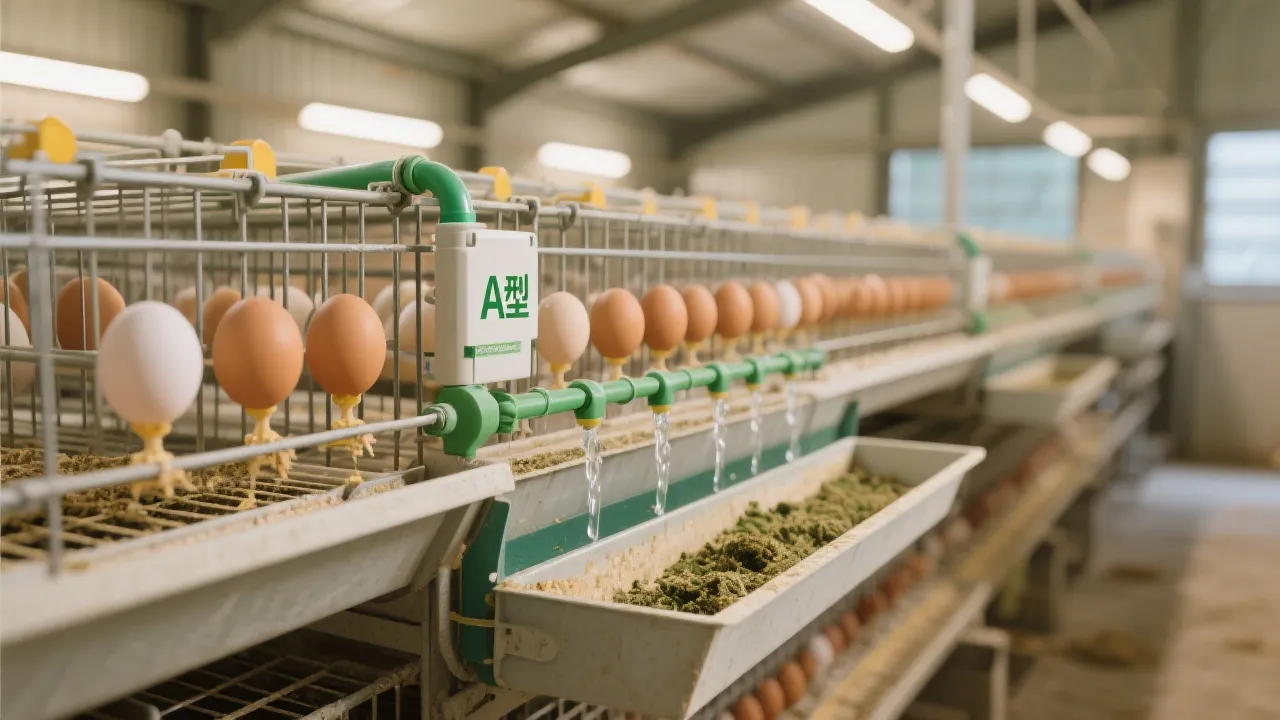
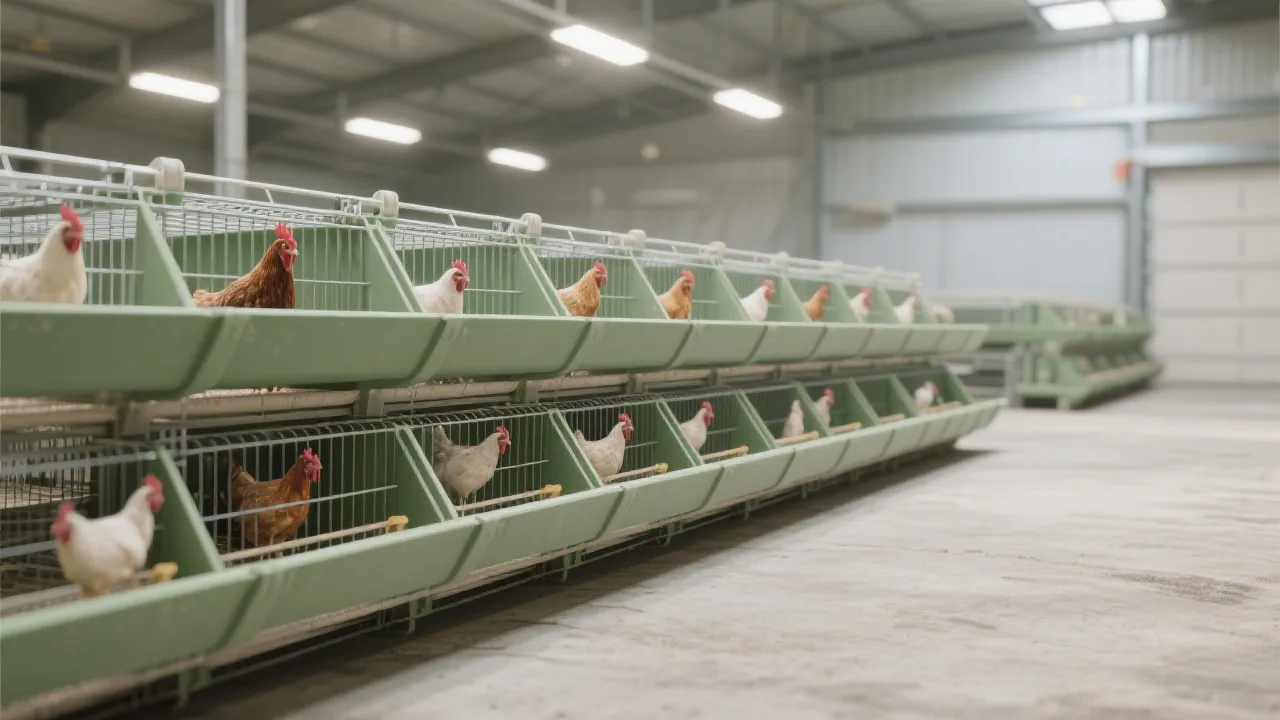
The automatic egg collection system, especially the one配套 with H - type layer hen cages, offers a revolutionary solution. It consists of a combination of a roller conveyor belt, an induction recognition device, and a sorting module.
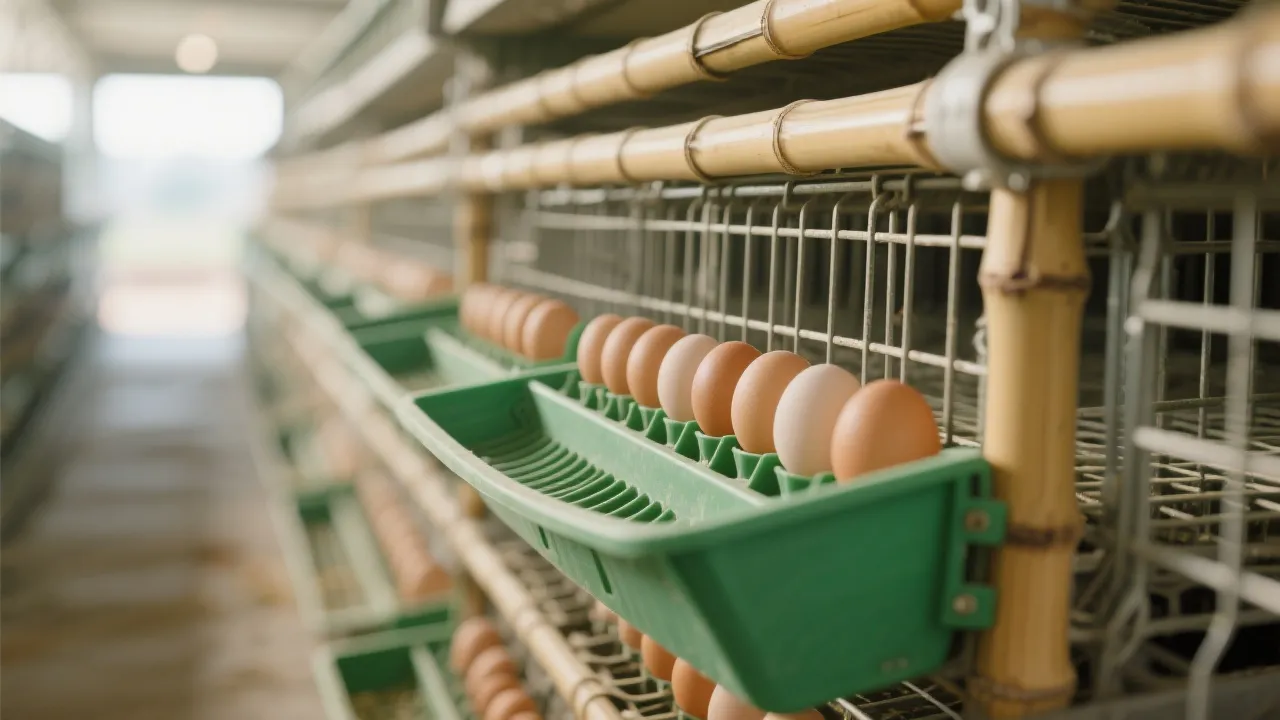
The roller conveyor belt is responsible for transporting the eggs from the cages to the collection point. The induction recognition device can identify the size, shape, and integrity of the eggs, and the sorting module can separate the qualified eggs from the unqualified ones. This combination works seamlessly with the H - type structure of the cages, ensuring a smooth and efficient egg collection process.
Data - Supported Operational Stability
To evaluate the operational stability of the automatic egg collection system, tests were conducted under different stocking densities. In a farm with a stocking density of 5000 hens, the system showed a failure rate of less than 1% over a continuous operation of 24 hours. When the stocking density increased to 30000 hens, the failure rate was still maintained at around 2%.
| Stocking Density | Continuous Operation Time | Failure Rate |
|---|---|---|
| 5000 hens | 24 hours | Less than 1% |
| 30000 hens | 24 hours | Around 2% |
Quantifiable Improvement in Egg Integrity Rate
The automatic egg collection system significantly improves the egg integrity rate. By reducing human intervention by more than 70%, the breakage rate can be reduced to less than 1%. This means that farmers can sell more high - quality eggs, increasing their revenue.
Impact on Hen Comfort
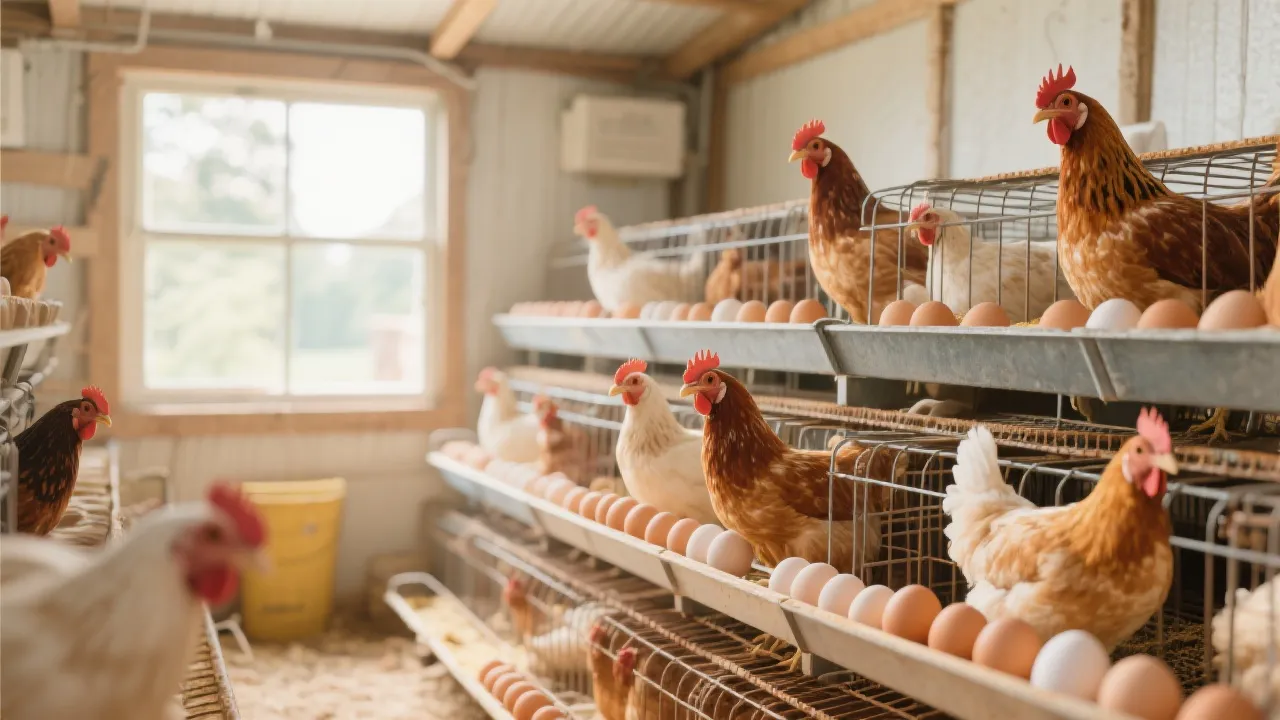
In addition to improving egg collection efficiency and quality, the automatic egg collection system also has a positive impact on hen comfort. The system optimizes ventilation in the hen house and creates a low - interference environment. This can reduce stress on the hens, leading to an increase in egg - laying performance. Studies have shown that hens in farms with automatic egg collection systems can increase their egg - laying rate by about 5% - 10%.
The Future of Poultry House Automation
With the trend of smart agriculture, the automatic egg collection system is becoming an essential part of future poultry houses. Governments around the world are promoting the development of smart agriculture, and the use of automatic egg collection systems can help farmers meet the requirements of modern farming and improve their competitiveness in the market.
If you are interested in learning more about smart farming solutions and how the automatic egg collection system can transform your laying hen farm, please click here to find out more. We also encourage you to leave your questions and comments below, and our experts will be happy to answer them.



Hot Products

.jpg?x-oss-process=image/resize,m_fill,h_800,w_800/format,webp)


Popular articles






READY TO START?
Ready to Build Your Poultry Farm?
Tell us your land size, poultry type and farming capacity. LIVI will provide a complete farm solution for your project.