


Recommended High - quality Large - scale Laying Hen Cage Equipment: Efficient and Durable Farming Solutions and Case Analysis
Key Considerations for Selecting Large-Scale Laying Hen Cage Equipment
In the modern large-scale laying hen farming industry, the demand for improving farming efficiency and controlling costs is increasing. Choosing efficient and durable laying hen cage equipment has become a critical decision. This article will delve into the key factors that large-scale laying hen farms should consider when selecting cage equipment, aiming to provide valuable guidance for farmers.
1. Rationality of Structural Design
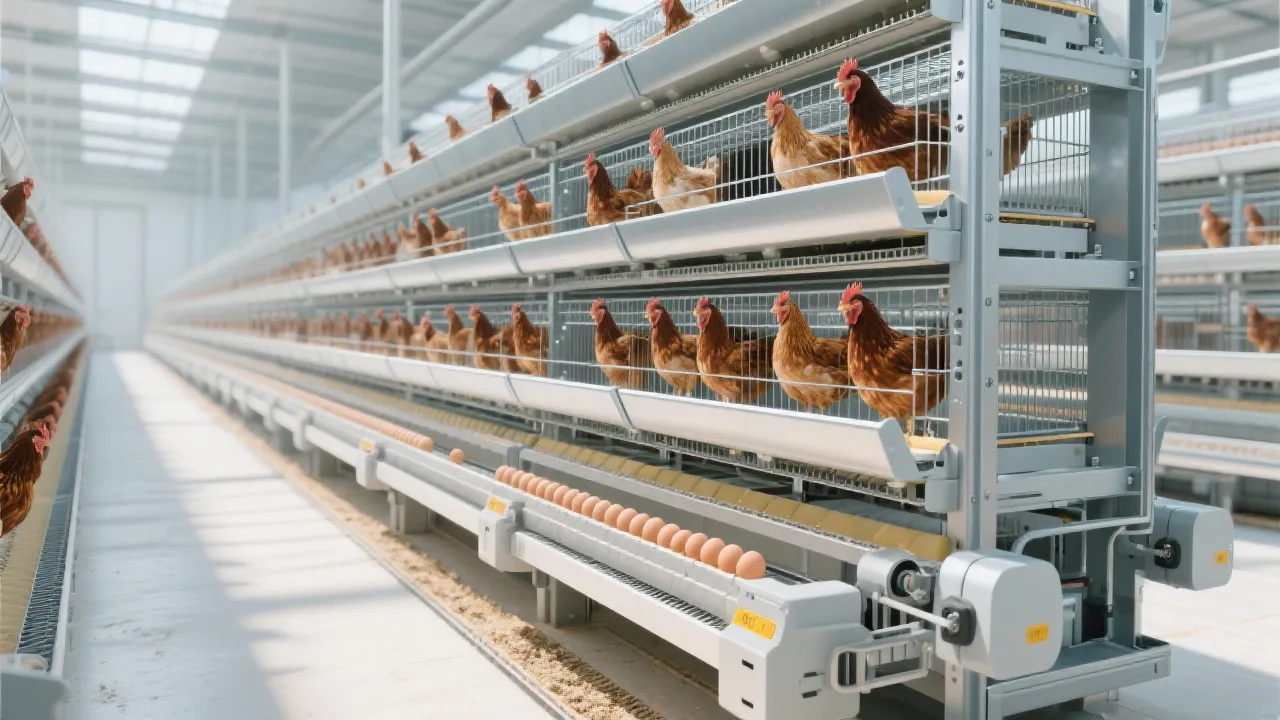
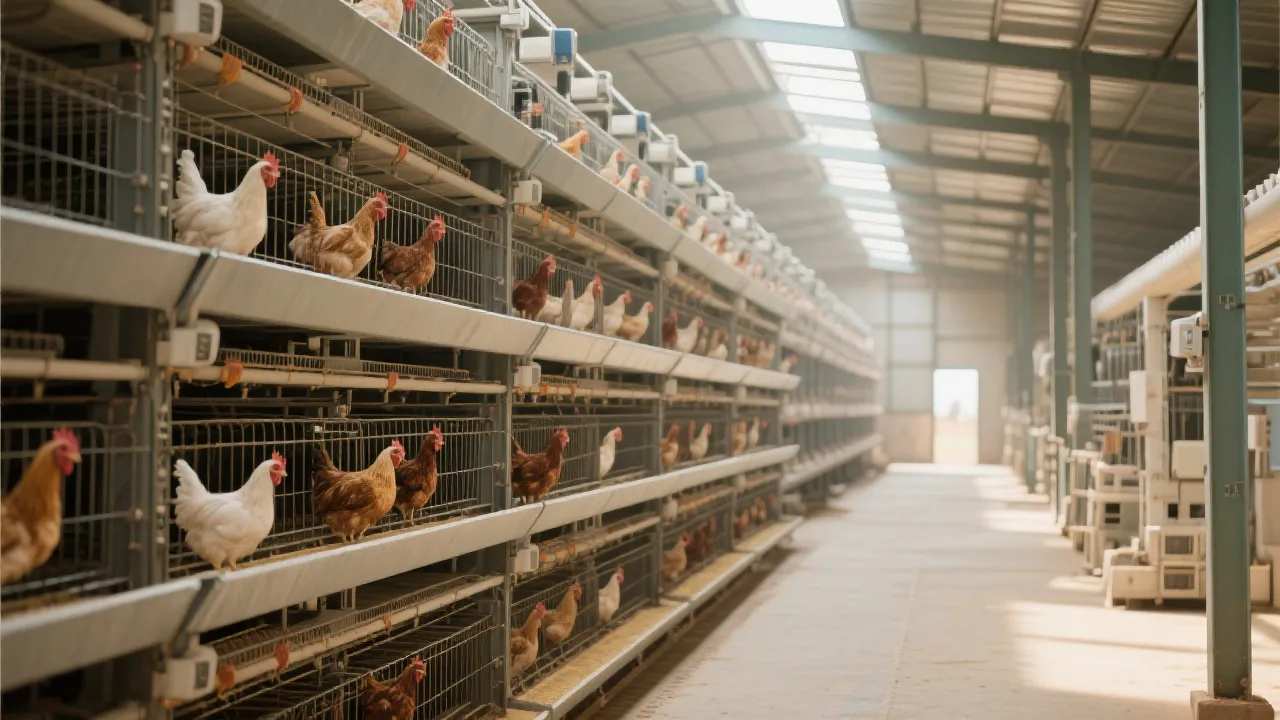
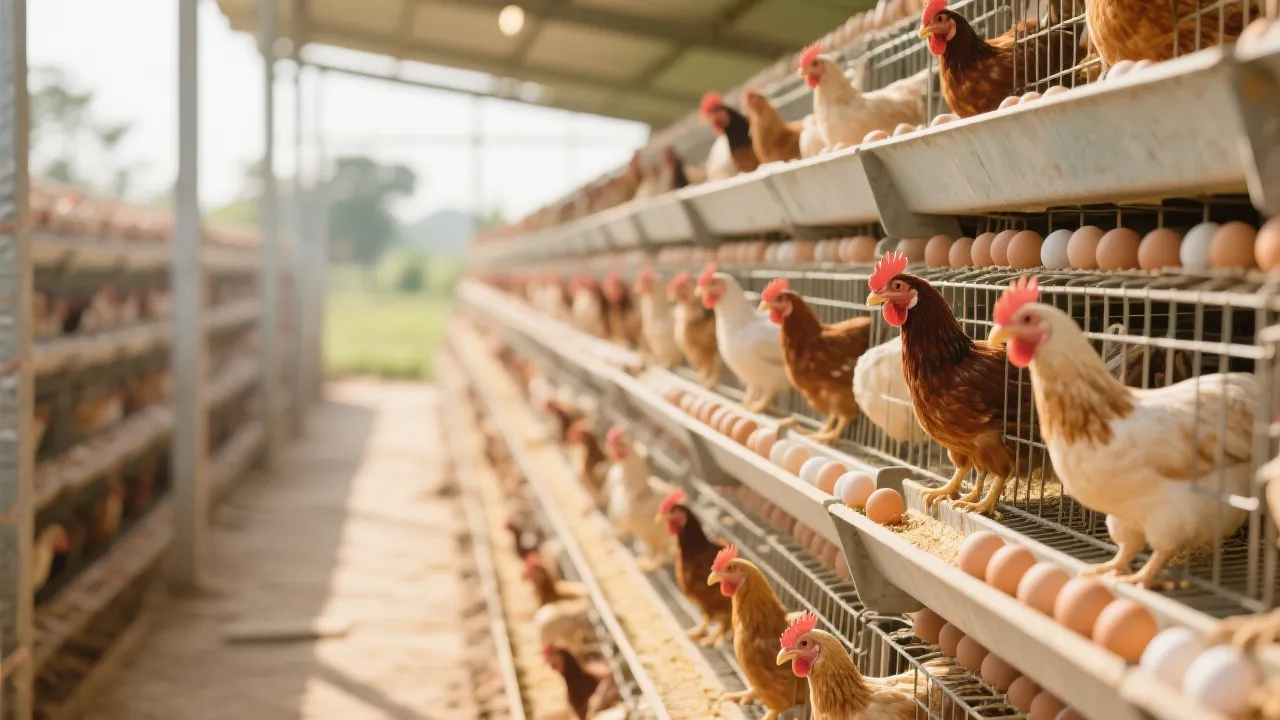
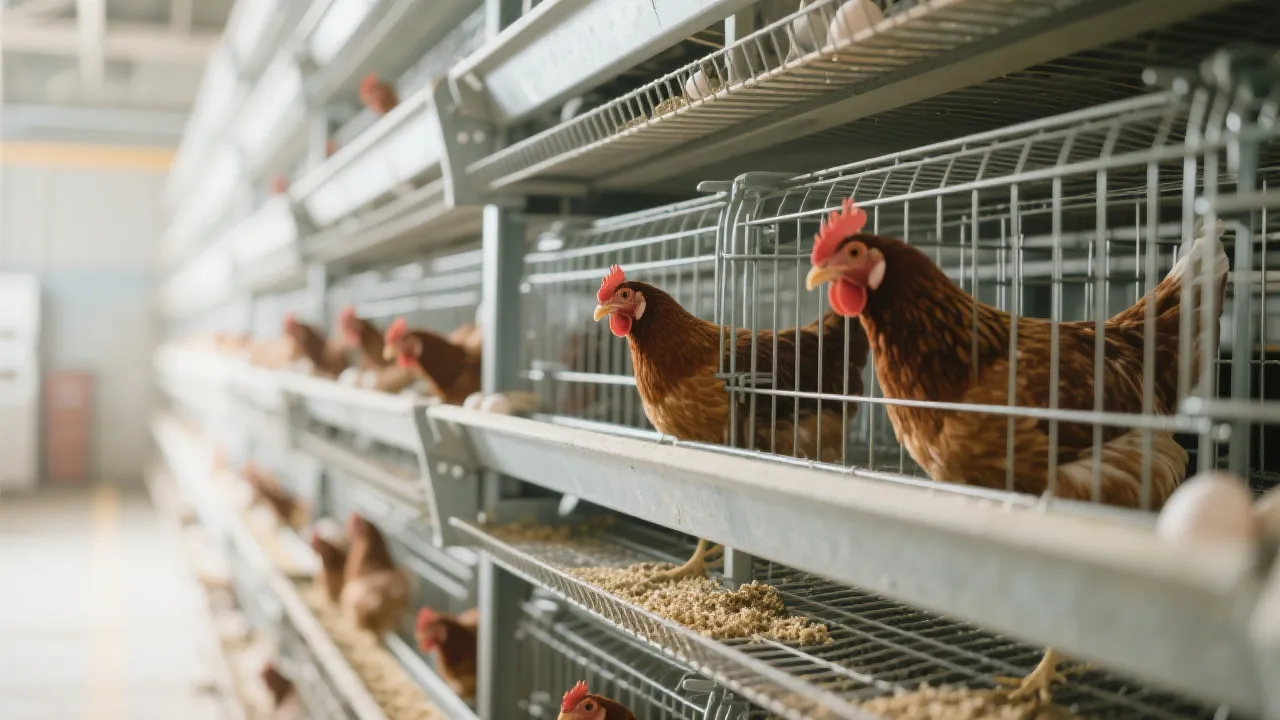
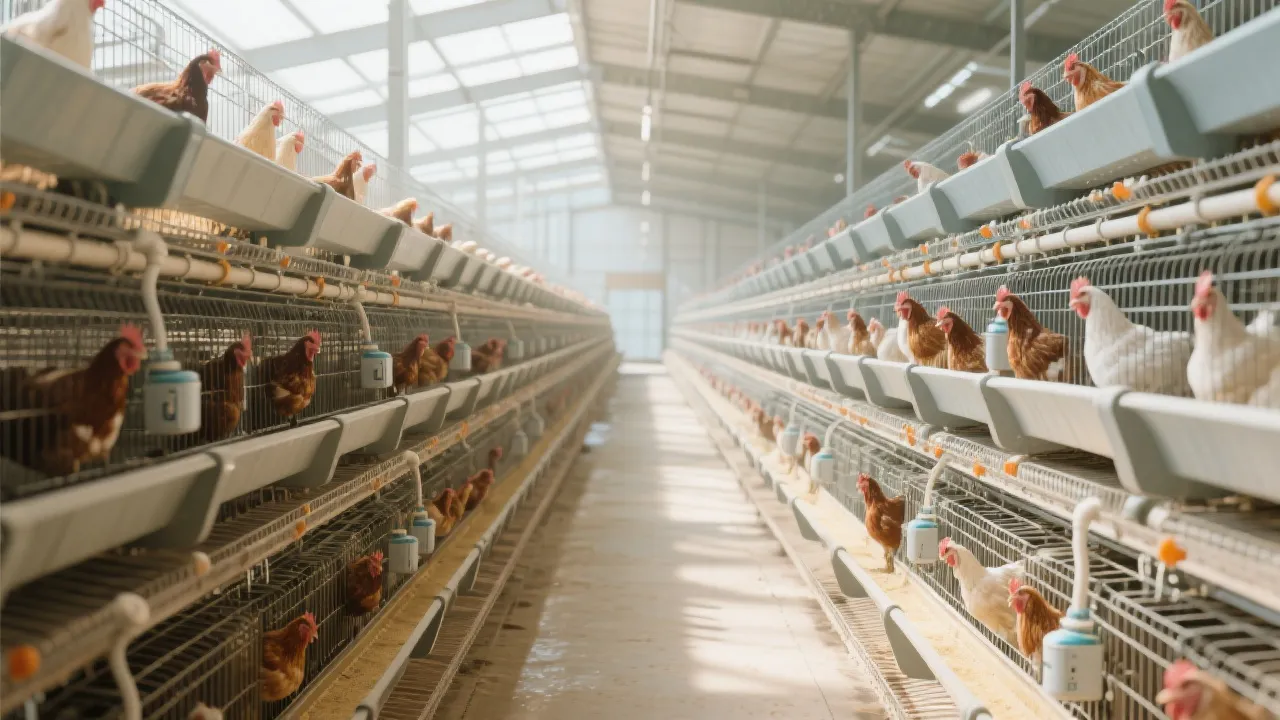
The structural design of laying hen cages directly affects the living environment of hens and the efficiency of farming operations. A well-designed cage can optimize space utilization and improve the comfort of hens. For example, compared with traditional cages, some modern large-scale laying hen cages use a tiered structure, which can increase the number of hens per unit area by up to 30%. This not only saves space but also facilitates unified management.
In terms of ventilation, a new type of cage design features better air circulation channels. Studies have shown that in these cages, the ammonia concentration in the hen house can be reduced by about 20%, which is beneficial to the health of hens and can reduce the incidence of respiratory diseases.
2. Durability of Materials and Surface Treatment Technology
The durability of cage materials is related to the service life of the cages and the frequency of replacement. High-quality materials can withstand the long - term corrosion of feces and cleaning agents. For instance, some cages are made of galvanized steel, which has a service life of up to 15 - 20 years, while traditional iron cages may only last for 5 - 8 years.
Surface treatment technology also plays an important role. A good surface treatment can prevent rust and corrosion, protecting the health of hens. For example, cages with electrostatic powder coating have better anti - corrosion performance and can provide a more hygienic living environment for hens.
3. Automated Management System
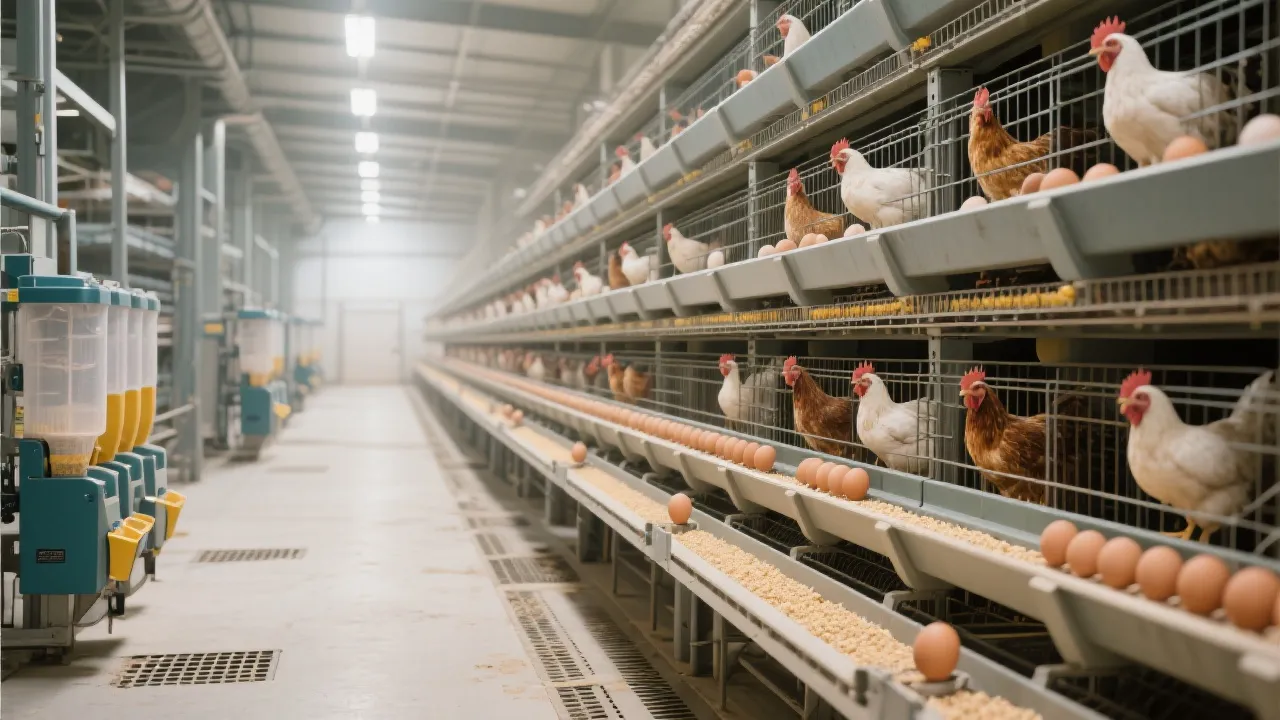
The application of automated management systems in laying hen cages can significantly improve farming efficiency and reduce labor costs. An automated feeding system can ensure that hens are fed regularly and quantitatively, improving feed utilization. According to statistics, using an automated feeding system can reduce feed waste by about 15%.
In addition, an automated egg - collection system can quickly and efficiently collect eggs, reducing the breakage rate. The egg breakage rate in traditional manual egg - collection methods is about 5%, while the automated system can reduce it to less than 1%.
Real - world Case Analysis
Let's take a large - scale laying hen farm in the United States as an example. This farm replaced traditional laying hen cages with a new generation of automated cages. After one year of operation, the farm achieved a 25% increase in egg production, a 30% reduction in labor costs, and a 20% improvement in the survival rate of hens. The data clearly show the advantages of the new - type cages.
Industry Development Trends
In the future, the laying hen cage industry will continue to develop towards high - tech, automation, and environmental protection. The integration of technologies such as the Internet of Things and artificial intelligence will make cage management more intelligent and precise, further improving farming efficiency and product quality.
Are you interested in learning more about the advanced technologies and solutions in large - scale laying hen cage equipment? If so, click here to access in - depth technical information or subscribe to our white paper.



Hot Products

.jpg?x-oss-process=image/resize,m_fill,h_800,w_800/format,webp)


Popular articles




READY TO START?
Ready to Build Your Poultry Farm?
Tell us your land size, poultry type and farming capacity. LIVI will provide a complete farm solution for your project.