


Q235 Steel Chicken Cages for Long-Lasting Poultry Housing | Corrosion Resistance & Efficiency
Why Corrosion-Resistant Cages Matter in Modern Poultry Farms
In commercial egg production, the environment inside a poultry house is more than just air and temperature—it’s a complex ecosystem where every component affects productivity. One often overlooked factor? The cage material itself.
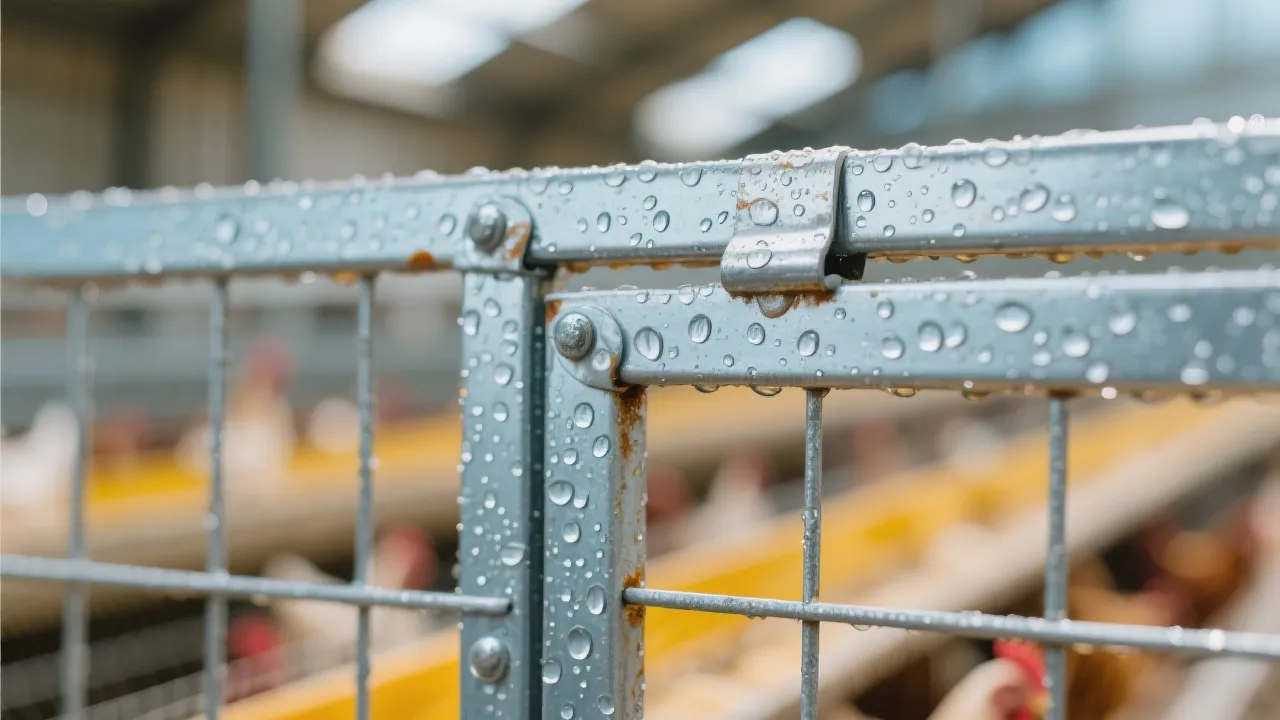
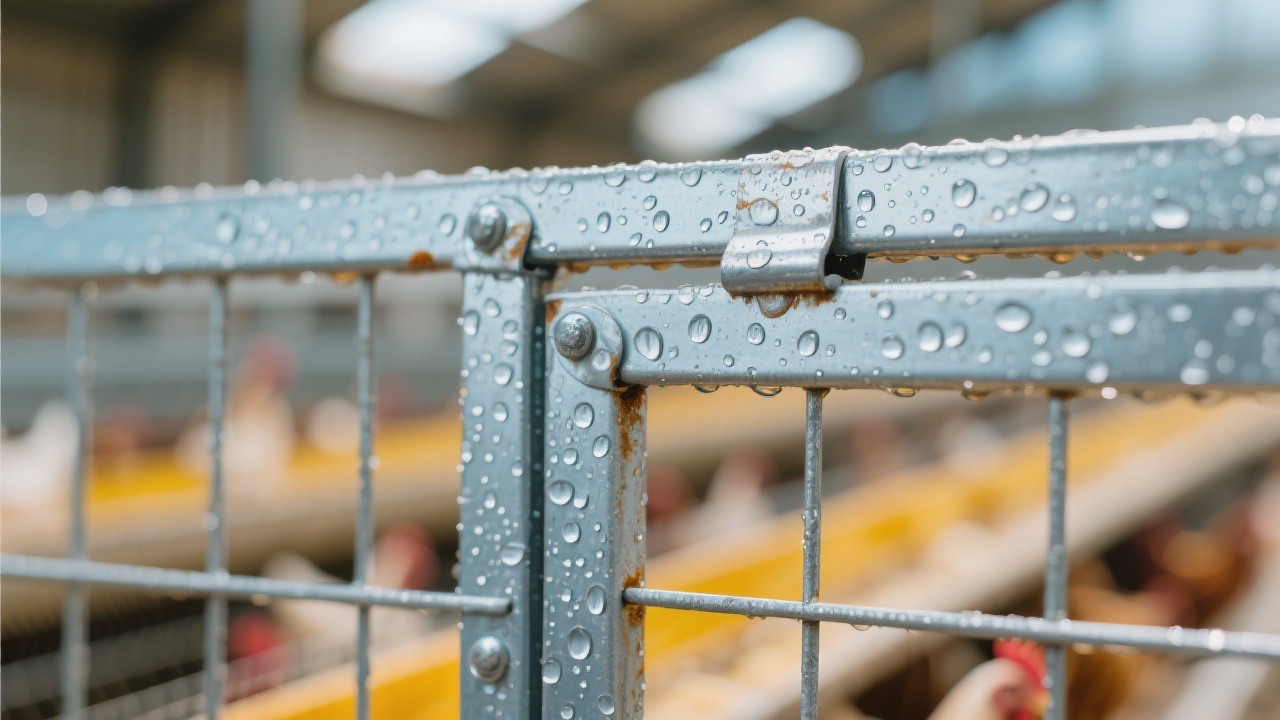
Traditional iron cages rust quickly in humid conditions—especially in regions like Southeast Asia or South America where moisture levels exceed 70% year-round. This leads to frequent replacements, increased labor costs, and even disease outbreaks due to contaminated surfaces. But here's what many farm managers don’t realize: using Q235 steel with proper surface treatment can extend cage life from 5–7 years to 15–20 years—without compromising hygiene or safety.
The Science Behind Long-Lasting Cage Durability
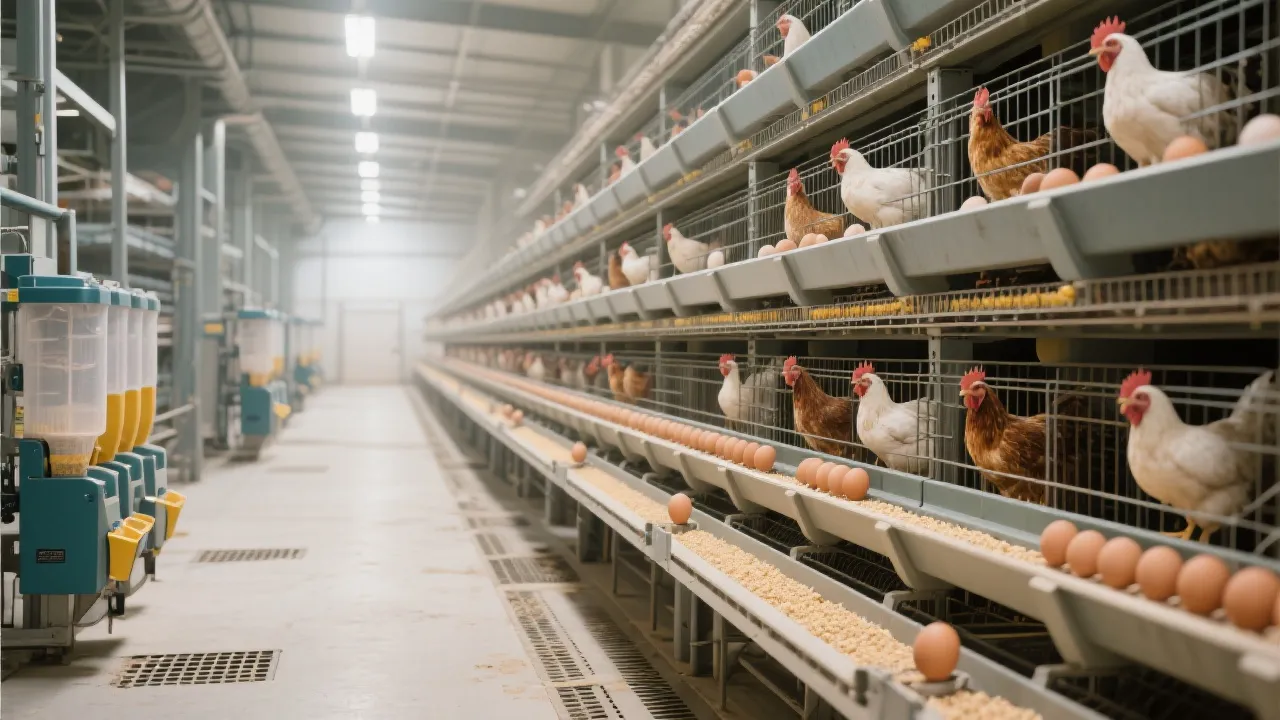
Q235 carbon steel offers excellent tensile strength (around 400 MPa) and weldability—making it ideal for multi-tiered layer cages. However, its real value lies in how it’s protected against corrosion:
- Hot-dip galvanizing: Creates a zinc-rich barrier that resists acidic droppings and cleaning agents.
- Aluminum-zinc alloy coating: Provides up to 3x better protection than standard galvanization in high-humidity environments.
A study by the International Poultry Health Association found that farms using coated Q235 cages reported 40% fewer maintenance issues and 12% higher egg yields over three years compared to those with untreated metal frames.
How Environment Controls Amplify Hardware Performance
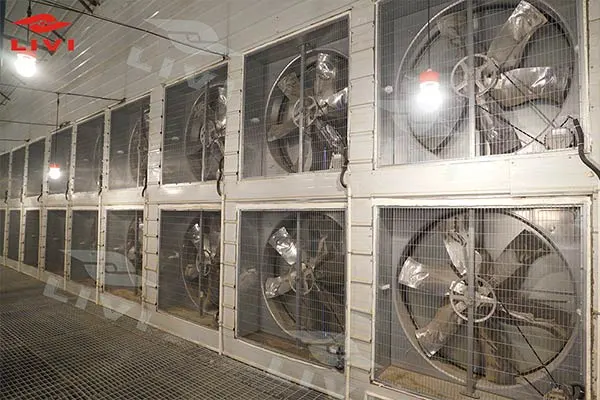
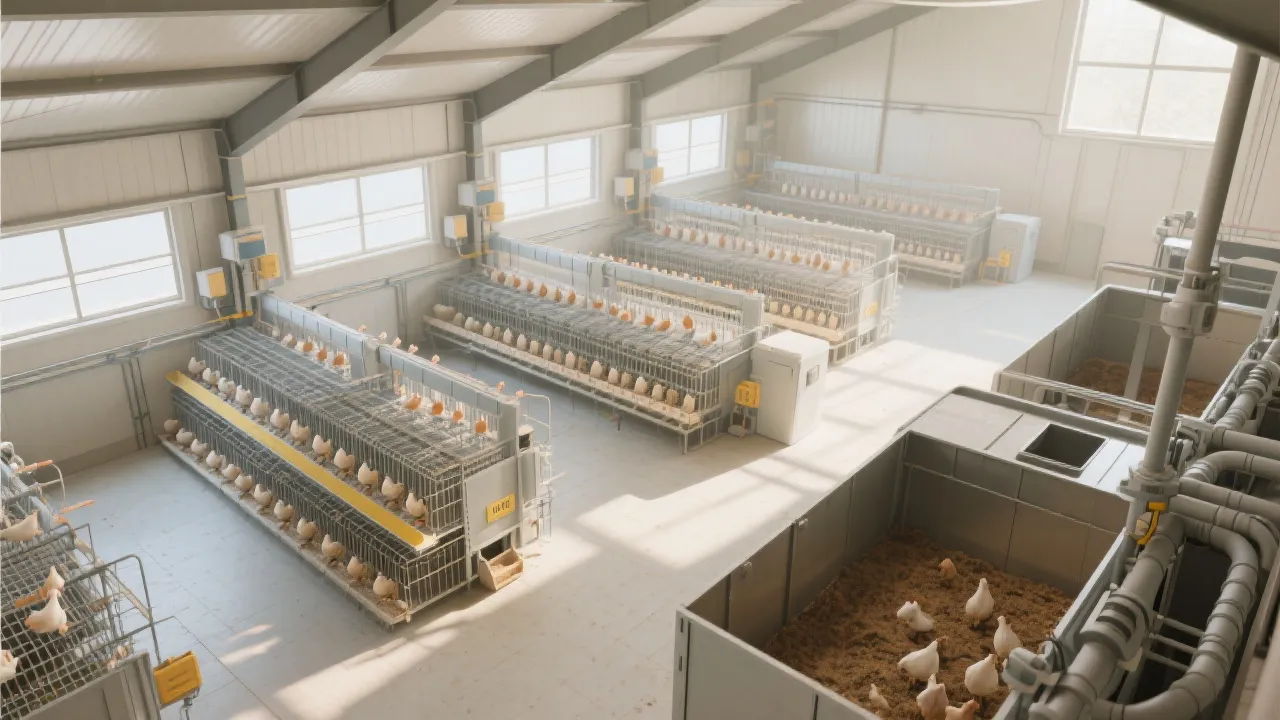
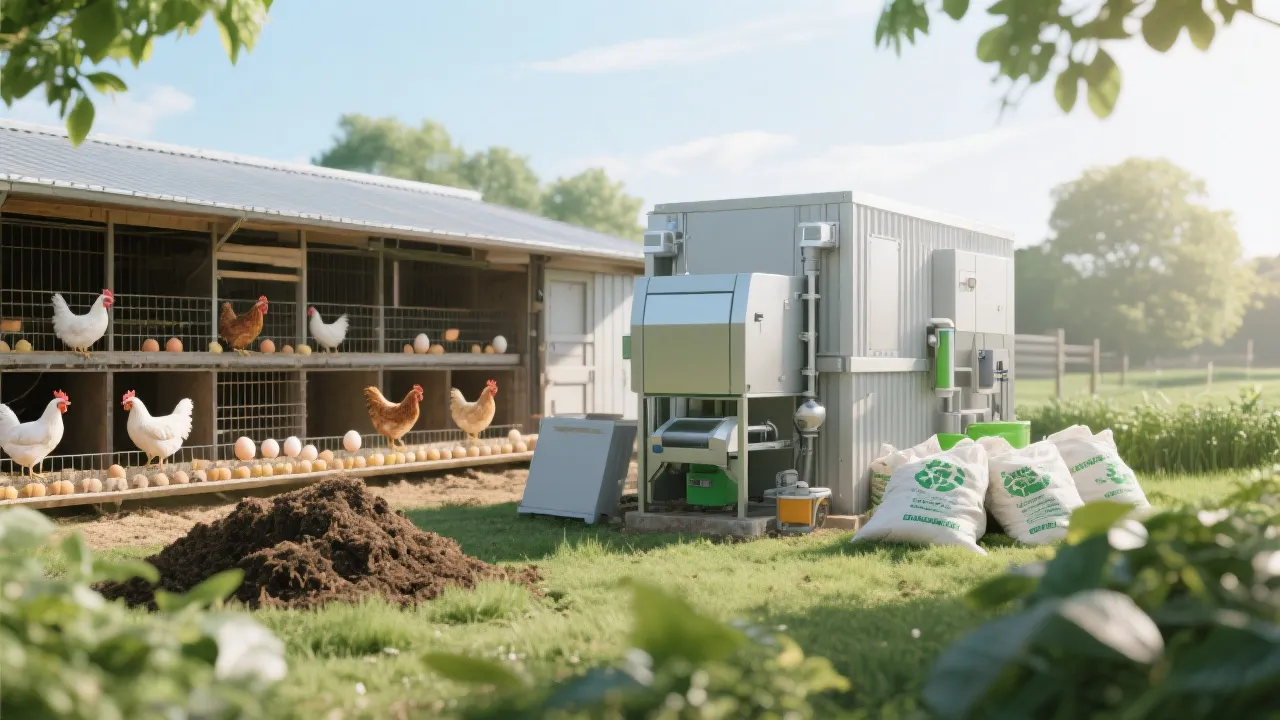
It’s not just about the cage—it’s about integration. When you pair durable materials with smart ventilation, automated manure removal, and climate control systems, you create a positive feedback loop:
- Less rust = cleaner surfaces = lower pathogen risk
- Better airflow = reduced ammonia = improved bird health
- Automated systems = less manual handling = lower labor cost
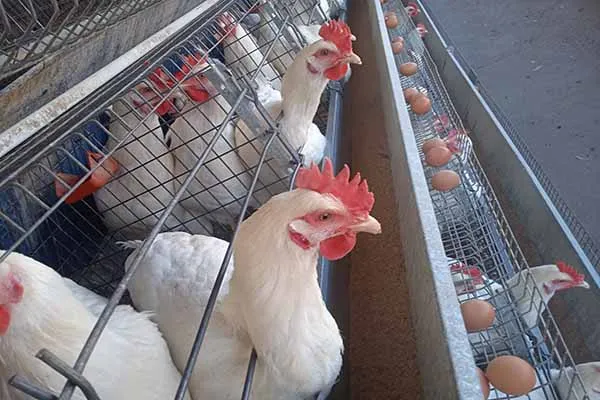
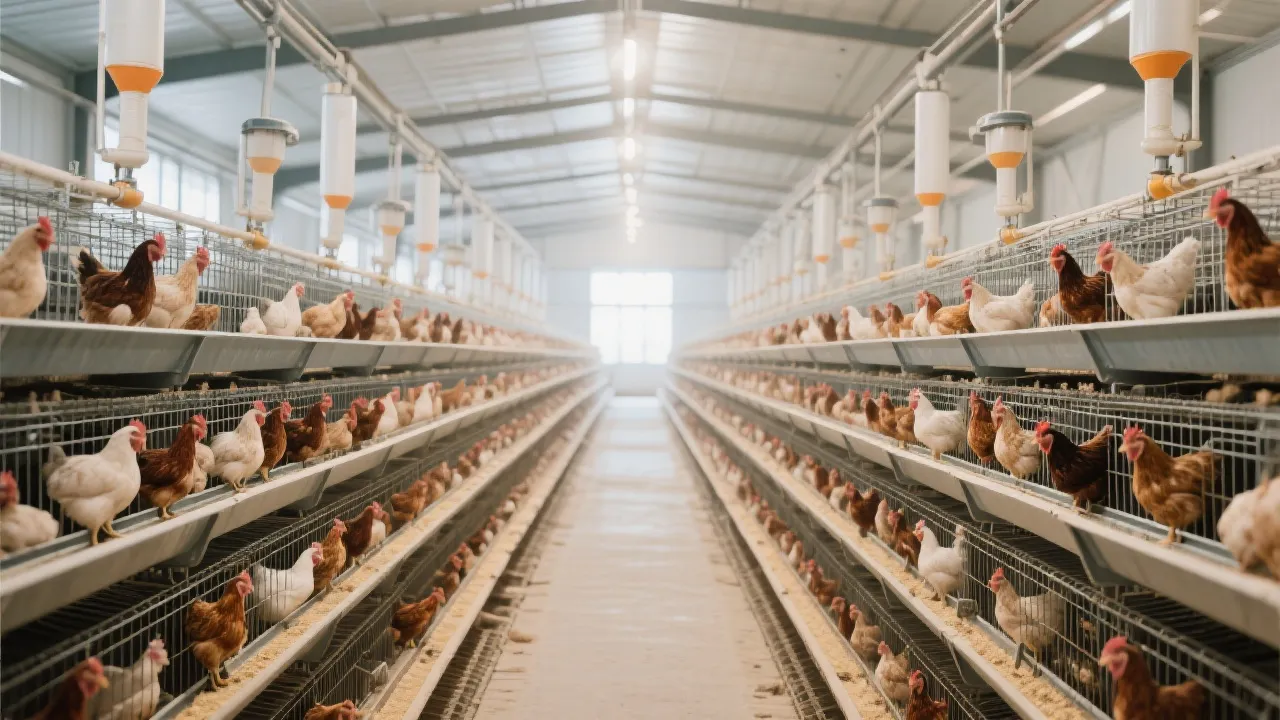
For example, a 10,000-bird farm in Brazil saw a 25% drop in veterinary expenses after switching to H-type layer cages made from Q235 steel with dual-layer protective coatings—from郑州利维机械 (Zhengzhou Livi Machinery).
Pro tip: Regularly inspect cage joints and drainage points every 6 months. Even minor wear can lead to faster degradation if left unchecked.
Quick Poll: Has your poultry house experienced cage corrosion issues recently?
Share your experience—we’re collecting real-world insights to help others optimize their operations.



Hot Products

.jpg?x-oss-process=image/resize,m_fill,h_800,w_800/format,webp)


Popular articles



READY TO START?
Ready to Build Your Poultry Farm?
Tell us your land size, poultry type and farming capacity. LIVI will provide a complete farm solution for your project.