


Q235 Steel Chicken Cages: Corrosion Resistance Enhances Longevity and Hygiene in Layer Farms
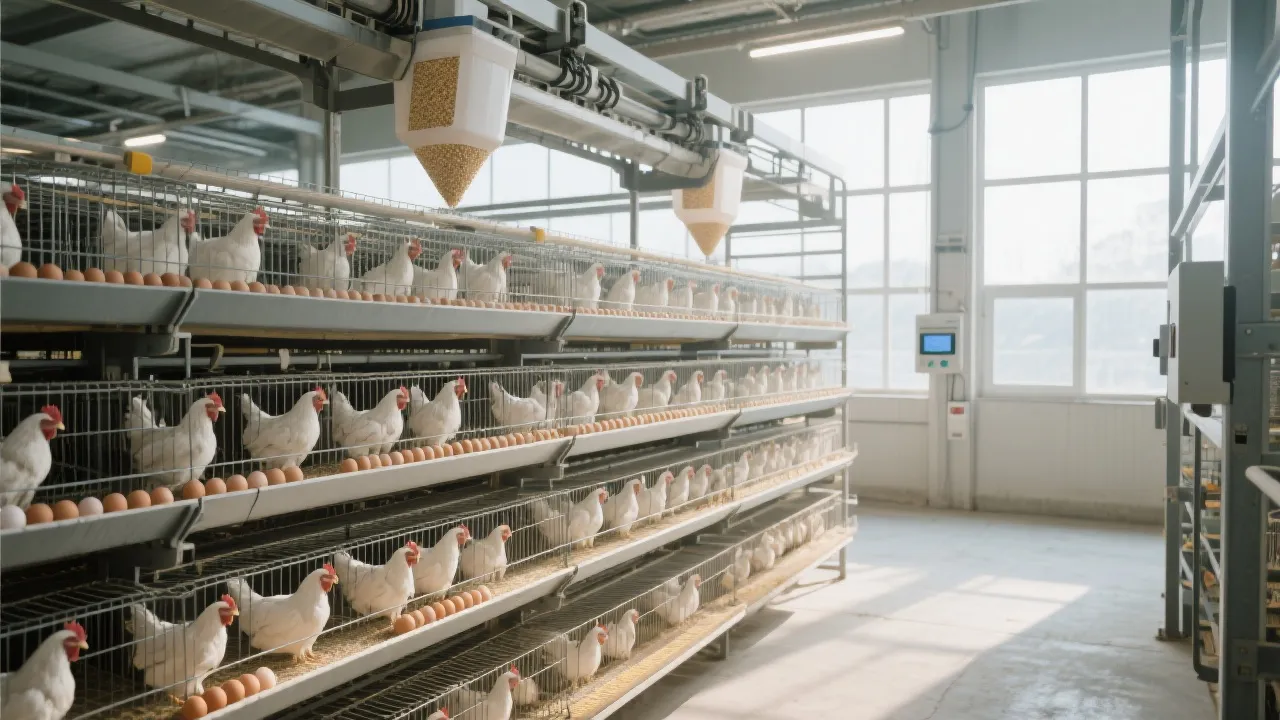
Why Q235 Steel Chicken Cages Are Revolutionizing Egg Production Facilities
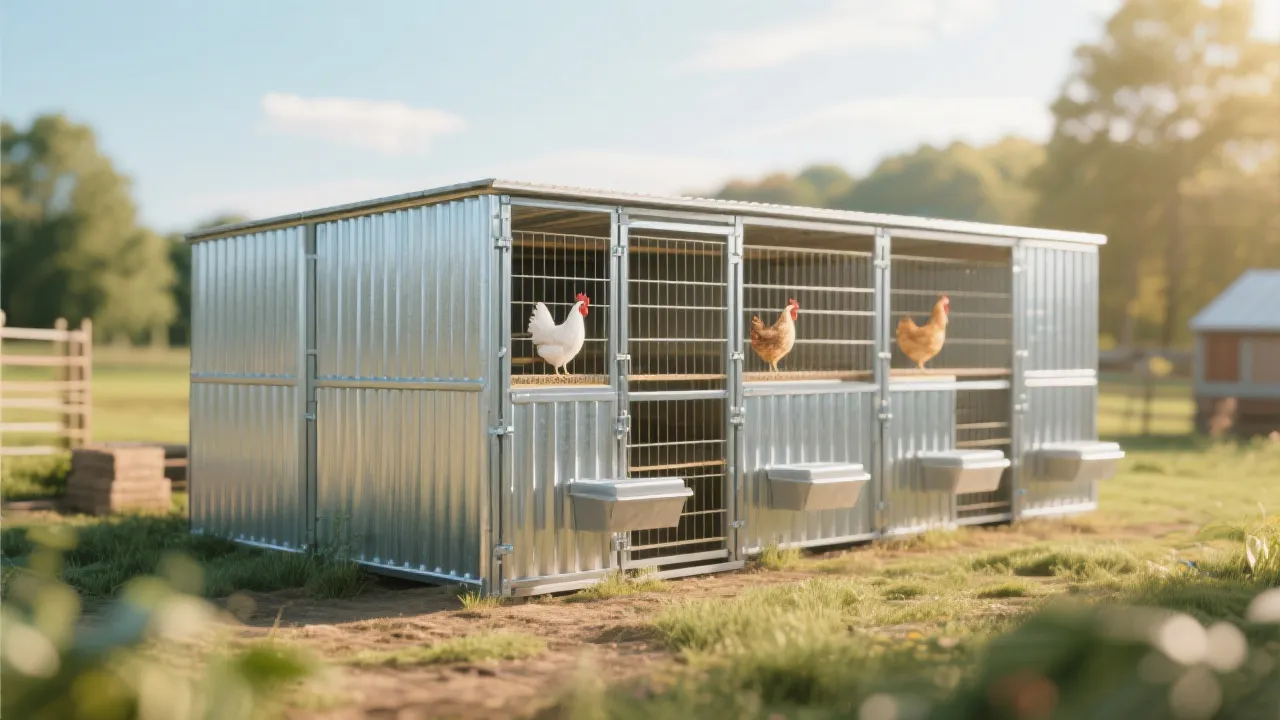
In modern poultry farming, the choice of cage material isn't just about durability—it's a strategic decision that directly impacts animal health, operational efficiency, and long-term ROI. For egg producers aiming to optimize their facilities, Q235 steel chicken cages have emerged as a proven solution for enhancing both hygiene and structural longevity in high-density housing systems.
The Hidden Cost of Poor Cage Materials
A 2023 study by the International Poultry Research Institute found that farms using standard carbon steel cages experienced up to 30% faster corrosion rates in humid environments—leading to frequent replacements, increased labor costs, and higher disease transmission risks. In contrast, Q235-grade steel, with its controlled carbon content (0.12–0.20%) and enhanced surface treatment options, resists rust even under continuous exposure to ammonia-rich air and moisture from bird waste.
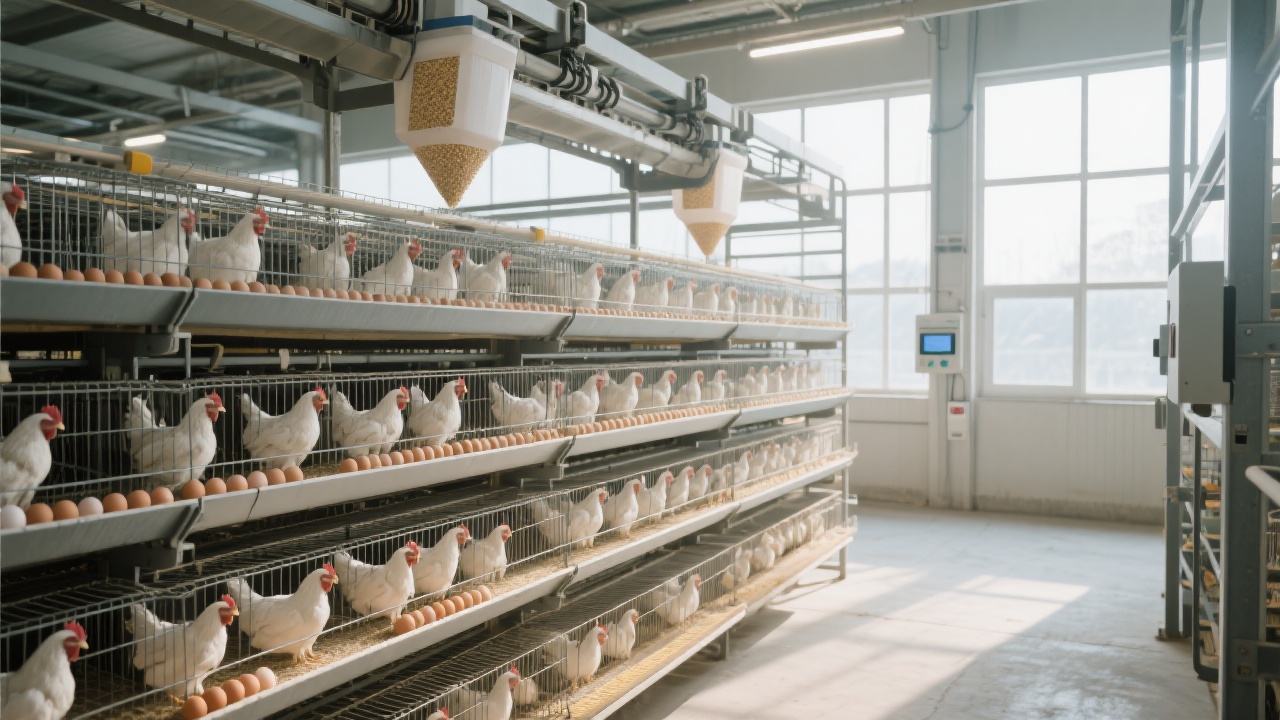
How Corrosion Resistance Translates to Real-World Benefits
Farmers who switched to Q235 steel cages reported:
- Up to 40% longer lifespan compared to untreated mild steel cages (based on field data from 50+ farms across Southeast Asia)
- Reduced cleaning frequency due to smoother surfaces that prevent biofilm buildup
- Lower mortality rates linked to fewer sharp edges and consistent wire integrity
This isn’t just about materials—it’s about creating an environment where chickens thrive. When cages remain structurally sound and hygienic, ventilation systems work more efficiently, temperature control becomes predictable, and automated feeding/watering units operate without interference from debris or rust flakes.

Integrated Design = Smarter Operations
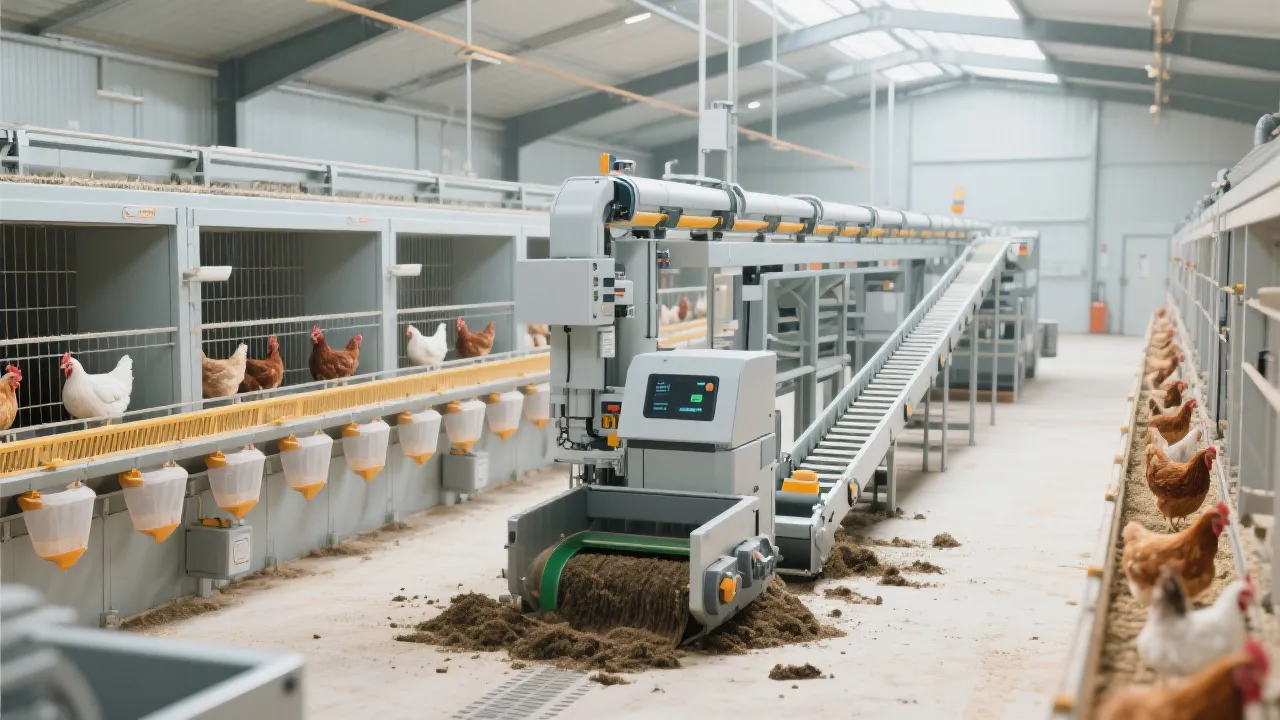
The real power of Q235 cages lies in how they integrate with other farm technologies. Modern designs allow seamless compatibility with:
- Automated manure removal systems
- Climate-controlled ventilation modules
- Smart monitoring sensors for feed consumption and egg output
When these components work together—thanks to a stable, non-reactive cage base—farmers see measurable improvements in productivity. One large-scale operation in Thailand saw a 7.2% increase in daily egg production within six months of upgrading to Q235-based systems, alongside a 15% drop in veterinary interventions.
Want to see how your facility can benefit? Download our free white paper: "Optimizing Poultry Housing with Q235 Steel: A Technical Guide for Modern Producers".
Download Now – Free Technical White PaperWhether you're managing a small family-run farm or a multi-unit commercial operation, investing in corrosion-resistant infrastructure is no longer optional—it's essential for sustainable growth and competitive advantage in global markets.






Hot Products

.jpg?x-oss-process=image/resize,m_fill,h_800,w_800/format,webp)


Popular articles


READY TO START?
Ready to Build Your Poultry Farm?
Tell us your land size, poultry type and farming capacity. LIVI will provide a complete farm solution for your project.