


Q235 Steel Cage Advantages in International Layer Chicken Farming: Case Studies and Environmental Optimization
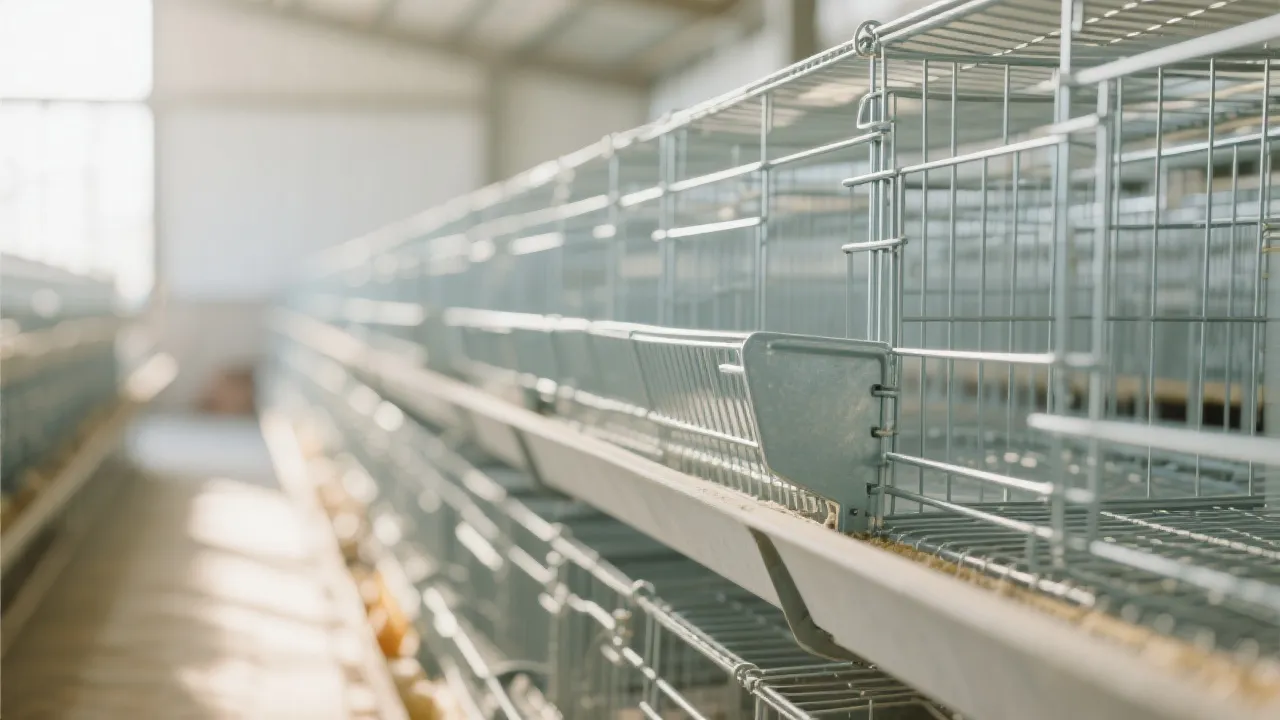
How Q235 Steel Cage Systems Are Transforming Global Poultry Farming Efficiency
Did you know that poor environmental conditions in poultry farms can reduce egg production by up to 15% annually? According to a 2023 study published in the Journal of Animal Science and Technology, inconsistent temperature control, inadequate ventilation, and substandard housing materials directly impact flock health and productivity—especially in high-density egg-laying operations.
The Hidden Power of Q235 Steel in Modern Egg Production
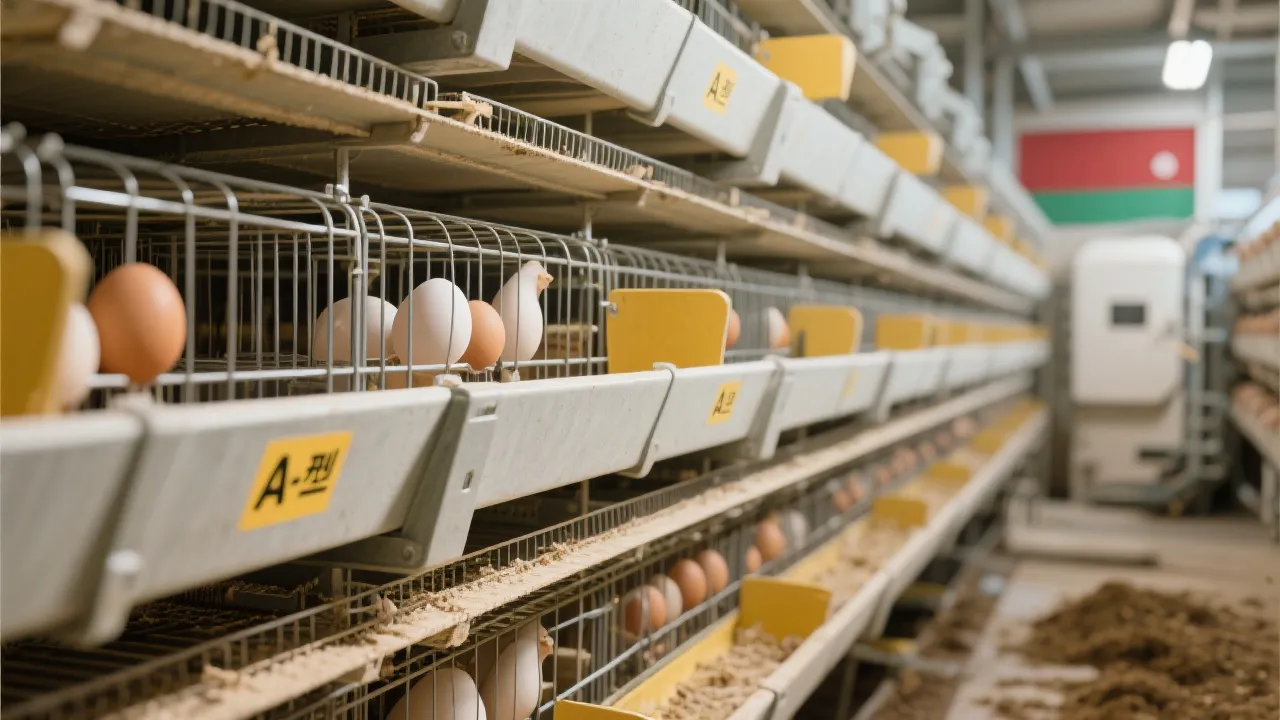
While many farms focus on automation or feed quality, few recognize that the foundation of a healthy flock lies in durable, corrosion-resistant cage systems. Q235 steel—a low-carbon structural steel widely used in industrial applications—is now gaining traction in global egg production due to its superior mechanical properties and long-term cost efficiency.
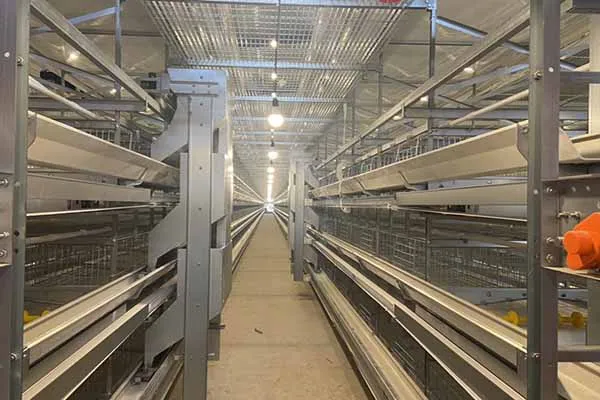
Unlike cheaper galvanized alternatives that degrade within 2–3 years under humid farm conditions, Q235 cages maintain structural integrity for over 7 years with minimal maintenance. A case study from a 12,000-hen farm in Thailand showed a 9.2% increase in daily egg yield after switching to Q235-based cages, primarily because the stable environment reduced stress-induced drops in laying performance.
Synergy Between Ventilation, Temperature Control & Material Quality
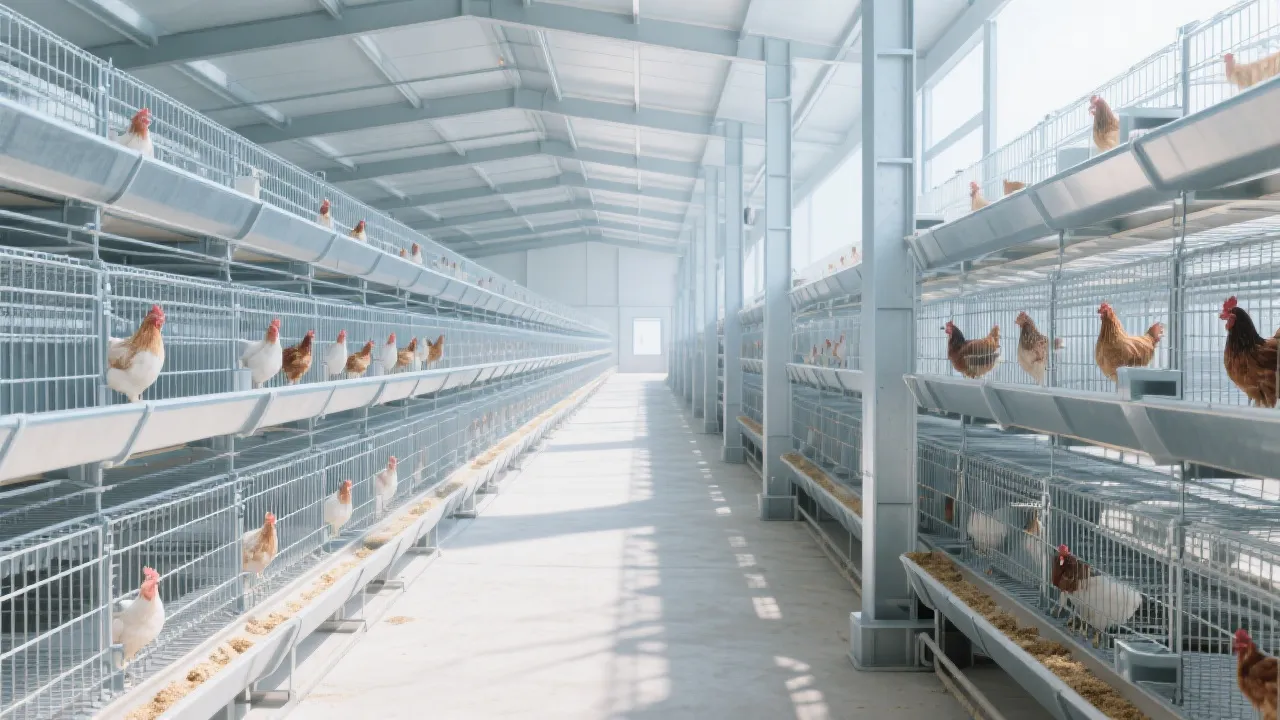
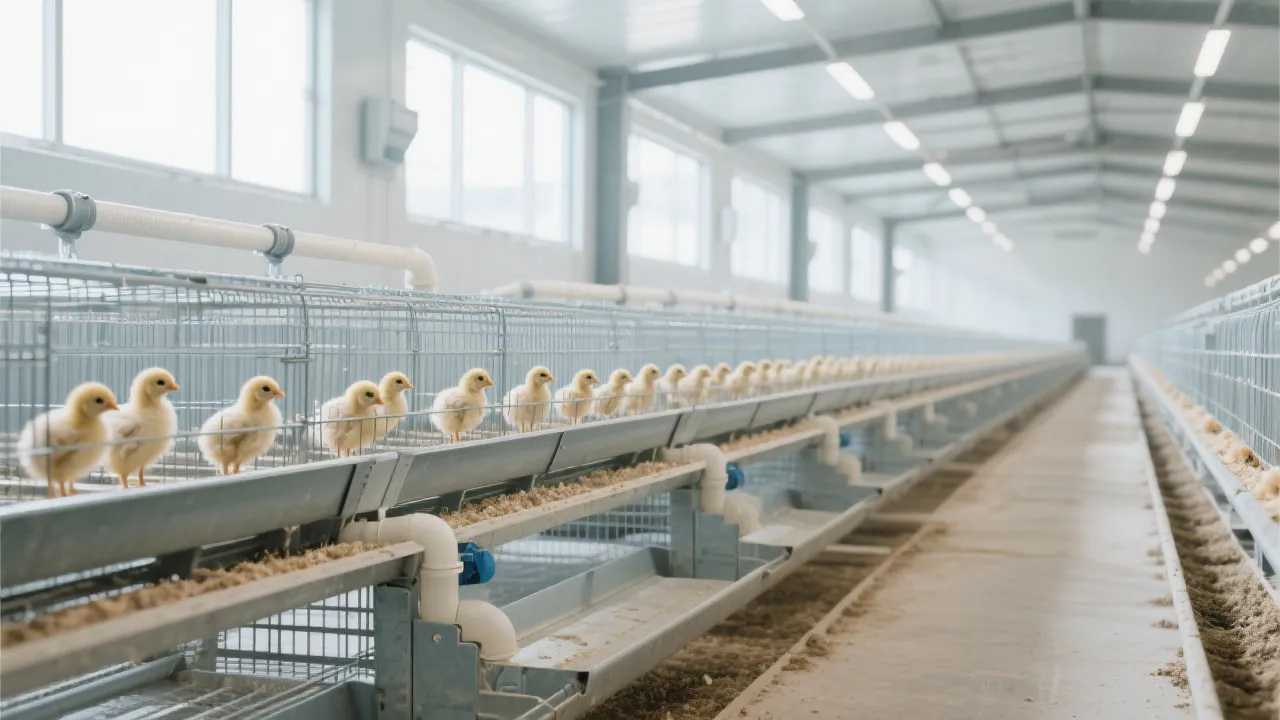
Optimal air flow (≥0.5 m/s) and humidity levels (50–60%) are critical for reducing respiratory diseases in hens. When combined with a well-designed ventilation system and a stable temperature range of 18–24°C, Q235 steel cages act as a reliable platform for consistent climate management.
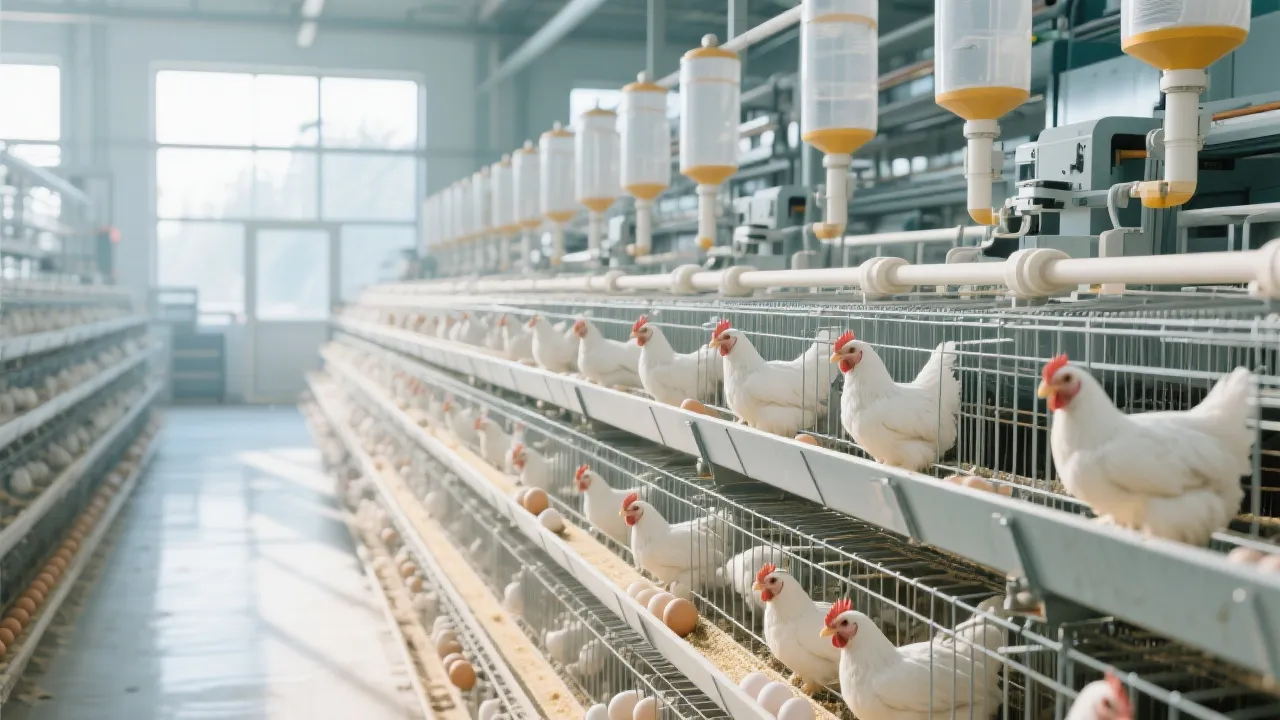
“It’s not just about the cage—it’s how it supports the entire ecosystem,” says Dr. Ahmed El-Sayed, Senior Poultry Engineer at AgriTech Solutions. “We’ve seen farms using Q235 cages alongside automated manure removal and egg collection systems achieve 20% lower labor costs while improving hygiene standards significantly.”
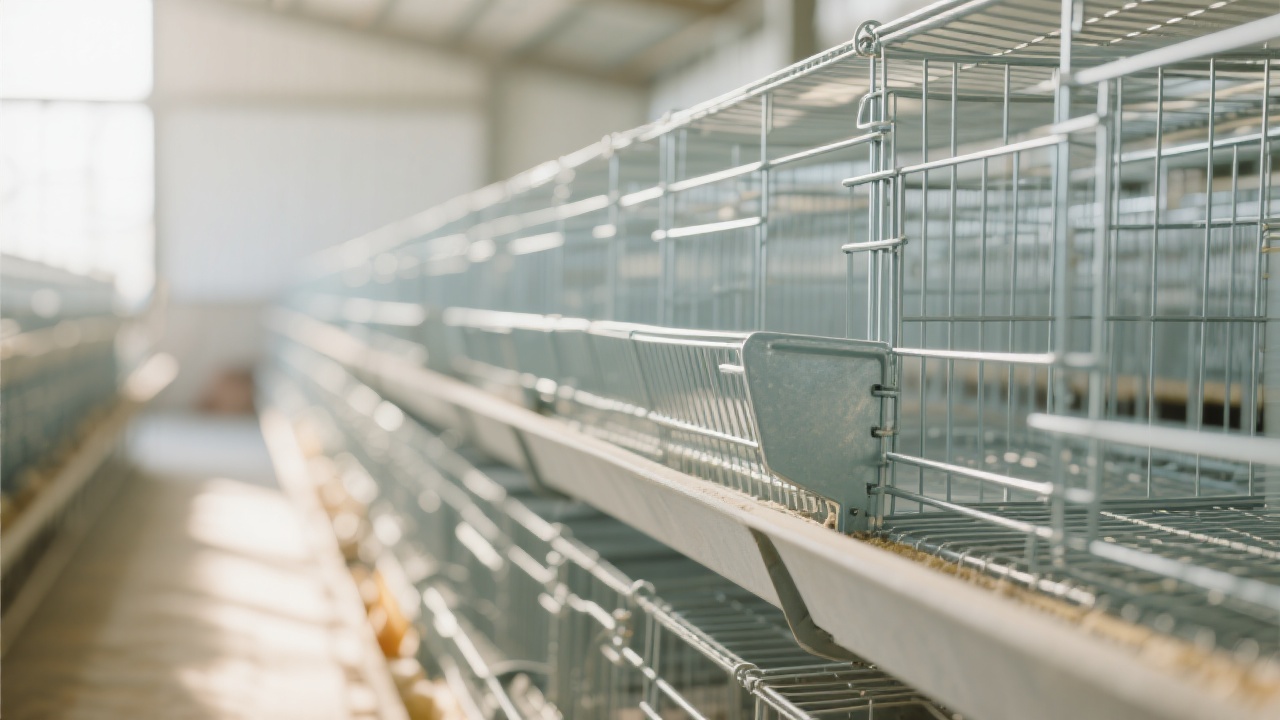
From Data to Action: Practical Steps for Farmers
If your farm is still using aging or poorly maintained equipment, consider these actionable insights:
- Conduct monthly inspections of cage frames for rust or deformation—especially near feeding zones.
- Pair Q235 cages with smart sensors to monitor microclimate changes in real-time.
- Invest in integrated cleaning systems that reduce manual handling and cross-contamination risks.
The result? Fewer disease outbreaks, higher egg quality, and better compliance with international food safety standards like ISO 22000 and HACCP.
Ready to Upgrade Your Farm’s Environment?
Download our free whitepaper: "Smart Cage Design for High-Yield Egg Farms" — packed with data-driven strategies, real-world examples, and implementation checklists tailored for global producers.
Get the Free Whitepaper Now →Remember: in modern poultry farming, the smallest detail often makes the biggest difference. Whether you're managing a small family operation or a large-scale commercial facility, investing in the right infrastructure pays off—not just in eggs, but in sustainability, profitability, and peace of mind.





Hot Products

.jpg?x-oss-process=image/resize,m_fill,h_800,w_800/format,webp)


Popular articles





READY TO START?
Ready to Build Your Poultry Farm?
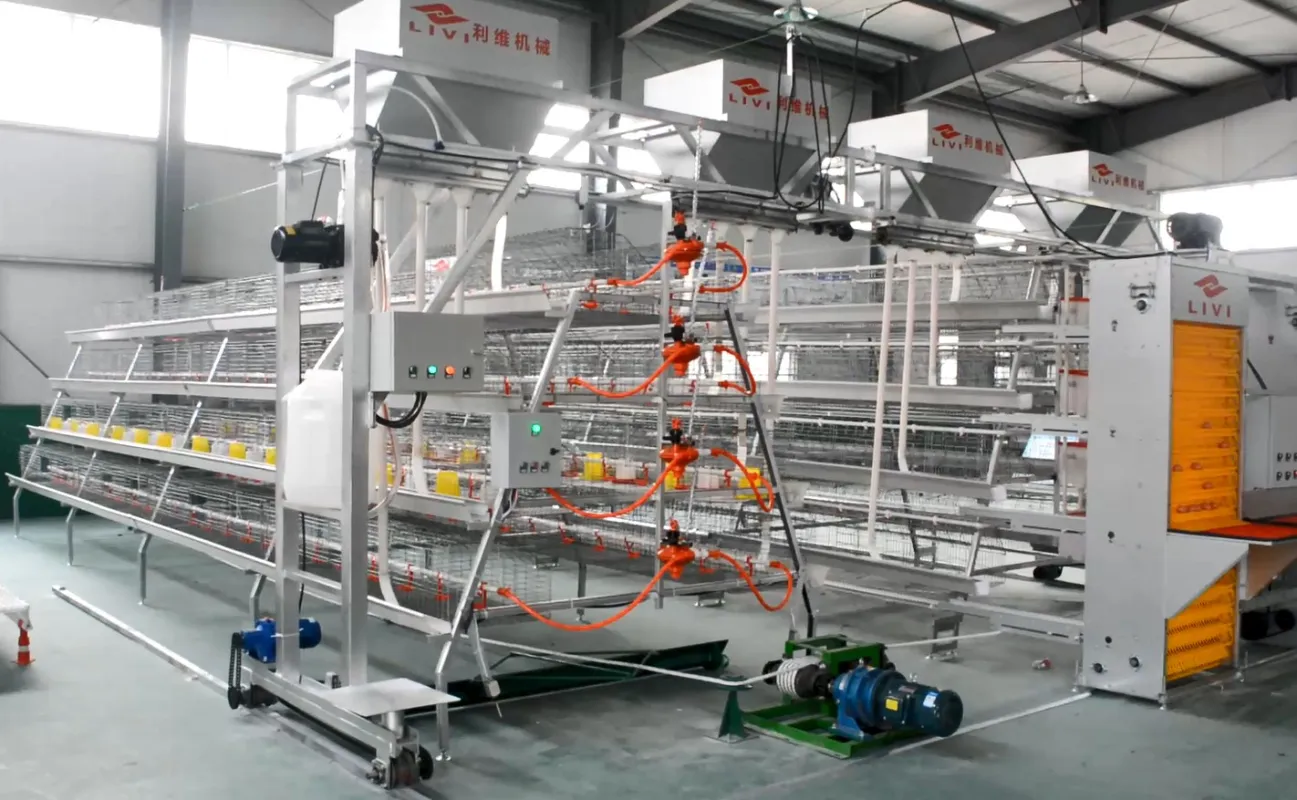
Tell us your land size, poultry type and farming capacity. LIVI will provide a complete farm solution for your project.