


Prevent Egg Drop in Hens During Heat Stress | Scientific Ventilation Solutions for Poultry Farms

How Heat Stress Impacts Laying Hens — And How Smart Ventilation Boosts Egg Production
In commercial egg production, even a few degrees above optimal temperature can lead to significant drops in laying performance. According to research from the University of Georgia, when ambient temperatures exceed 27°C (80°F), hens begin experiencing heat stress — resulting in up to 15% lower egg production within just 48 hours. This isn’t just about comfort; it’s about profitability.
The Science Behind Effective Airflow Management
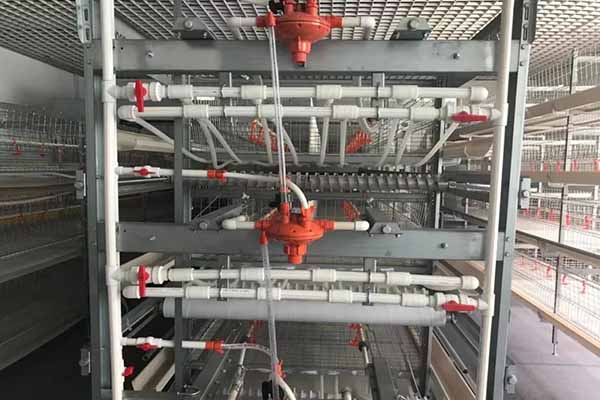
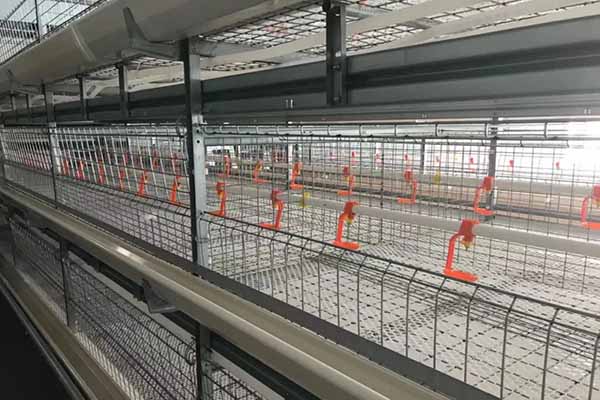
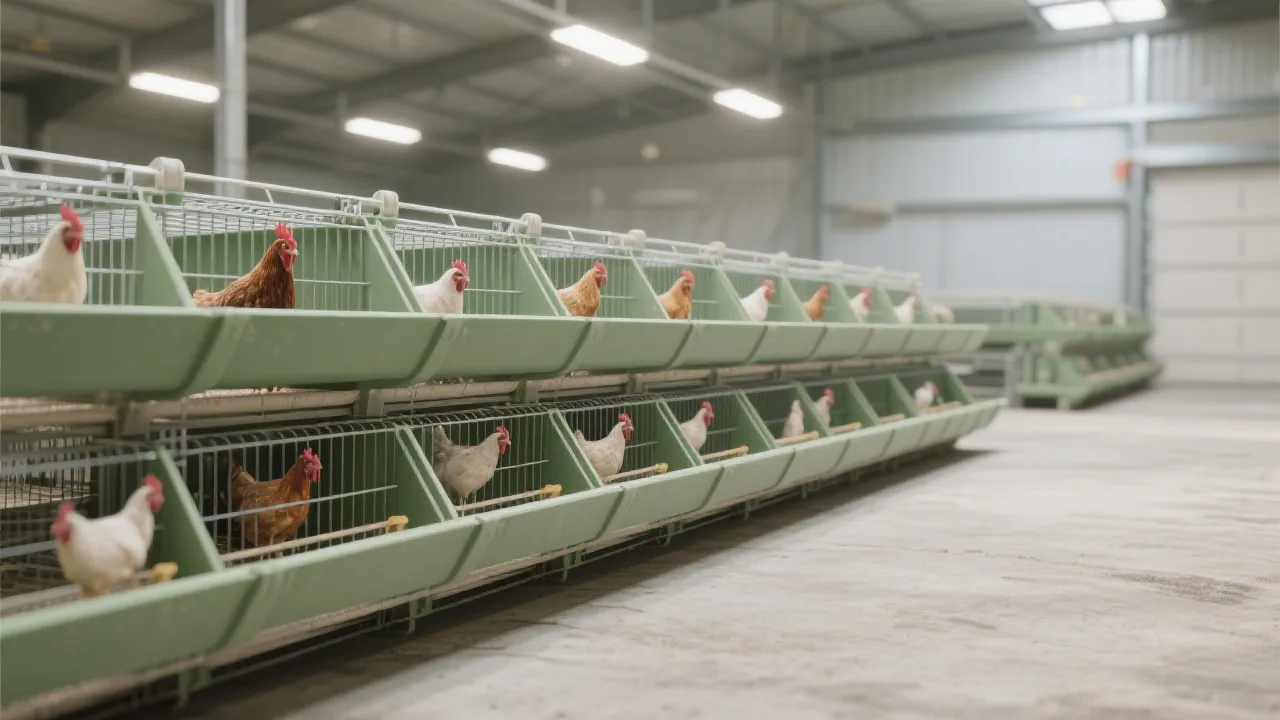
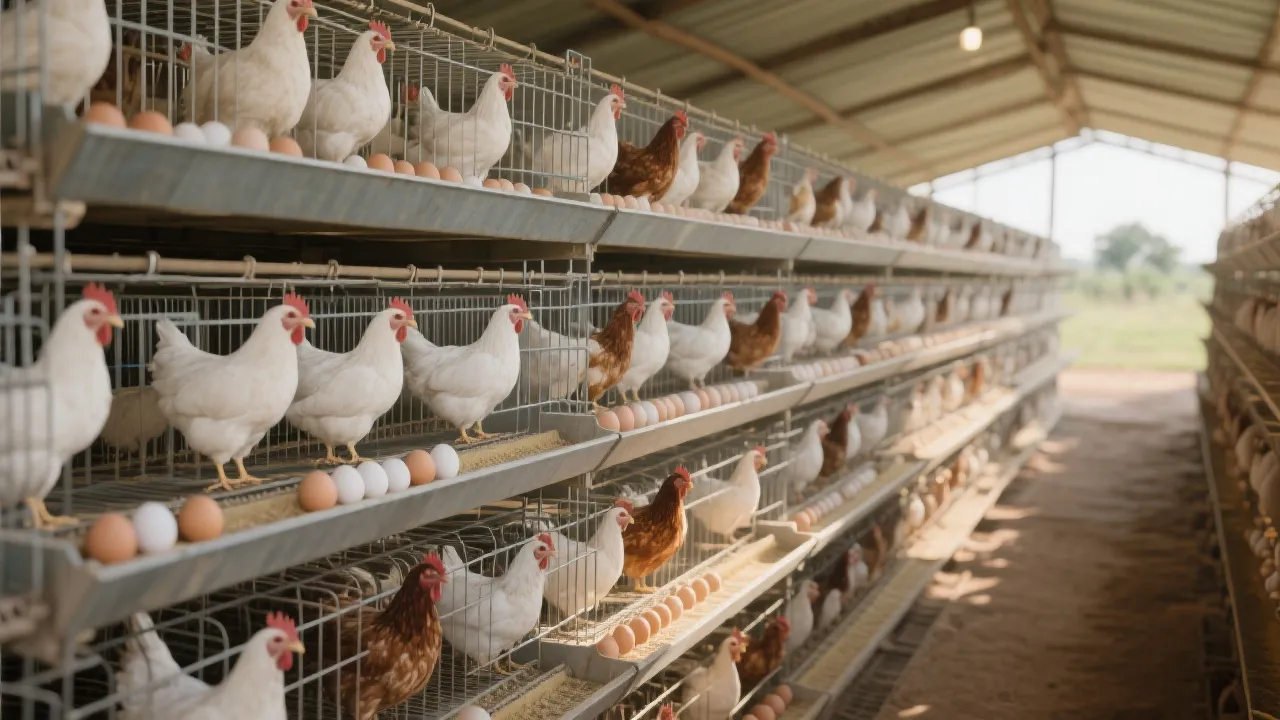
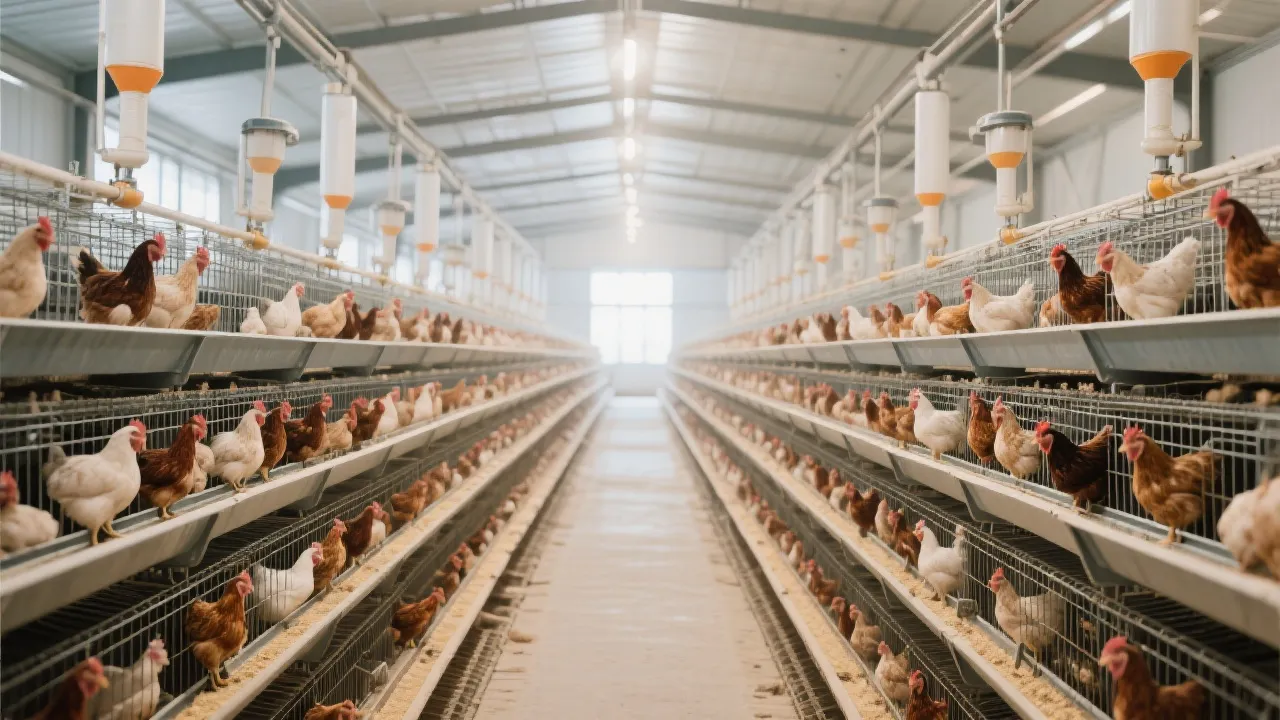
Proper ventilation is not just about moving air — it's about controlling humidity and maintaining consistent microclimates inside the poultry house. A well-designed system like the H-type laying hen cage by Zhengzhou Livi Machinery uses side-wall intake combined with top exhaust to create laminar airflow that minimizes hot spots and ensures uniform cooling across all tiers.
This approach has been validated in field trials conducted at farms in Henan Province, China. One facility reported a 9.4% increase in daily egg output after installing the H-type cage system with optimized air distribution — while also reducing feed conversion ratio by 7%. These results were achieved without increasing electricity costs, thanks to smart airflow design rather than brute-force cooling.
Durability Meets Performance: Why Aluminum-Zinc Coating Matters
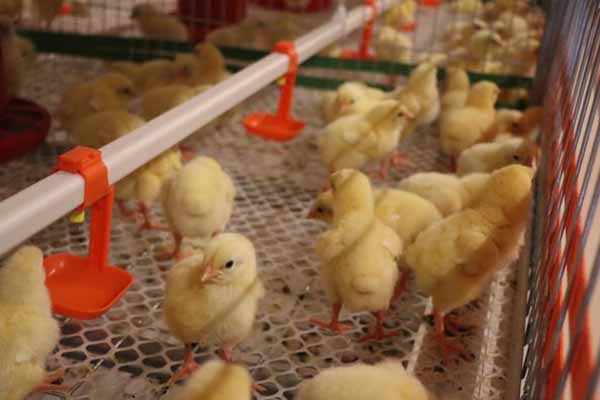
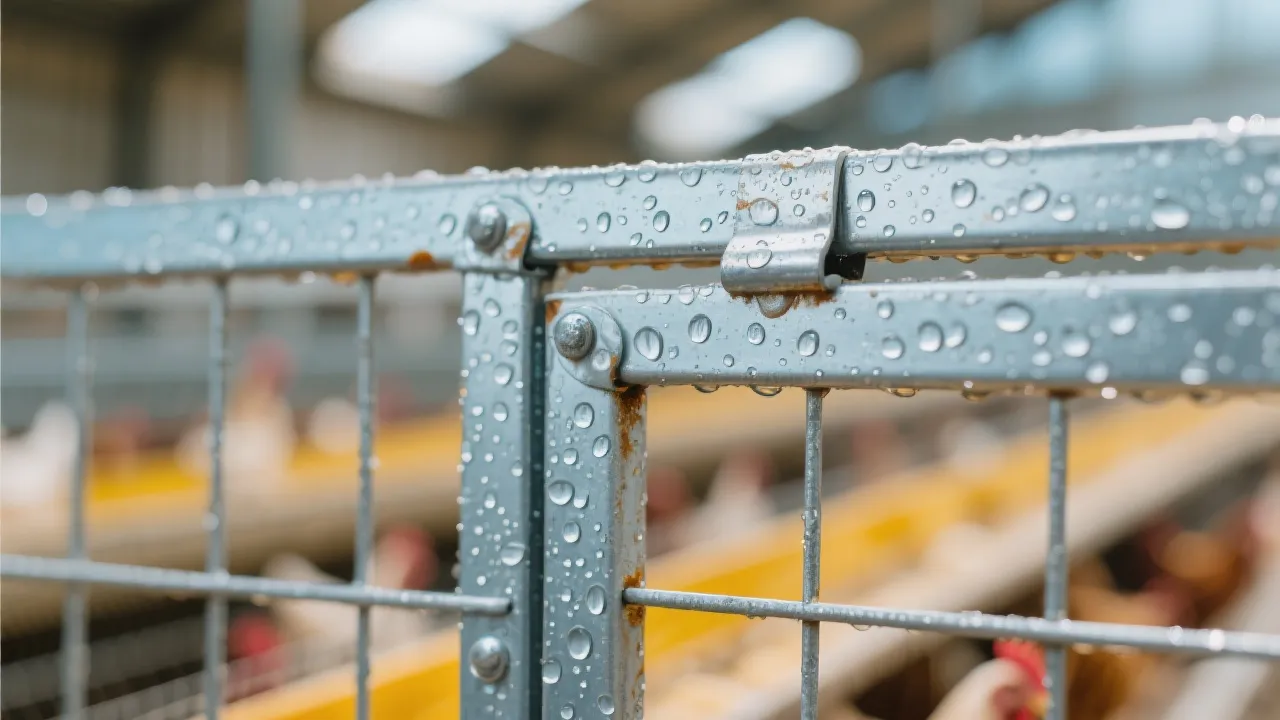
High humidity and ammonia exposure accelerate corrosion in traditional steel cages. That’s where aluminum-zinc alloy coating comes in — offering superior protection against rust and chemical degradation. In a 12-month durability test at a large-scale farm in Shandong, cages with this coating maintained structural integrity and smooth operation, while untreated units showed visible wear and required maintenance every 3 months.
For producers aiming for long-term efficiency, equipment longevity directly impacts ROI. A single breakdown due to rust-induced mechanical failure can cost thousands in lost production — making material choice as critical as airflow design.
Practical Tips for Monitoring & Maintenance
You don’t need expensive sensors to manage your environment effectively. Use a simple thermometer-hygrometer placed at bird level to monitor real-time conditions. Ideal range: 20–24°C (68–75°F) and 55–65% relative humidity. Check fans weekly for dust buildup, and clean ducts monthly to maintain airflow efficiency.
One Australian breeder shared how implementing these practices helped him reduce heat-related mortality by 40% over two seasons — simply by adjusting fan timing based on actual readings instead of relying on guesswork.
If you're serious about maximizing egg yield during summer months or managing climate variability year-round, understanding how airflow interacts with hen physiology is essential. Whether you’re upgrading existing facilities or building new ones, smart ventilation is no longer optional — it’s foundational.
Ready to Optimize Your Poultry Environment?
Explore our full suite of H-type egg layer cages designed for efficient airflow, durability, and productivity. Get expert advice tailored to your farm’s unique setup — no pressure, just actionable insights.
Discover the Efficient Ventilation Solution


Hot Products

.jpg?x-oss-process=image/resize,m_fill,h_800,w_800/format,webp)


Popular articles




READY TO START?
Ready to Build Your Poultry Farm?
Tell us your land size, poultry type and farming capacity. LIVI will provide a complete farm solution for your project.