


Ventilation & Temp Control in Chicken Houses | Boost Egg Yield with H-Type Cages

Why Proper Ventilation and Temperature Control Are Critical for Egg Production
In commercial poultry farming, even a 2–3°C rise in temperature can reduce egg production by up to 10%, according to data from the Poultry Science Association (2022). This isn't just about comfort—it's about performance. When hens experience thermal stress, their metabolism shifts away from egg formation, leading to fewer eggs, lower quality shells, and increased feed costs per dozen.
The Smart Design Behind H-Type Cage Ventilation Systems
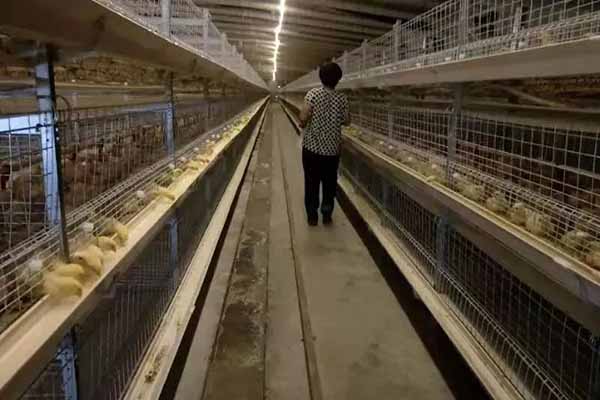
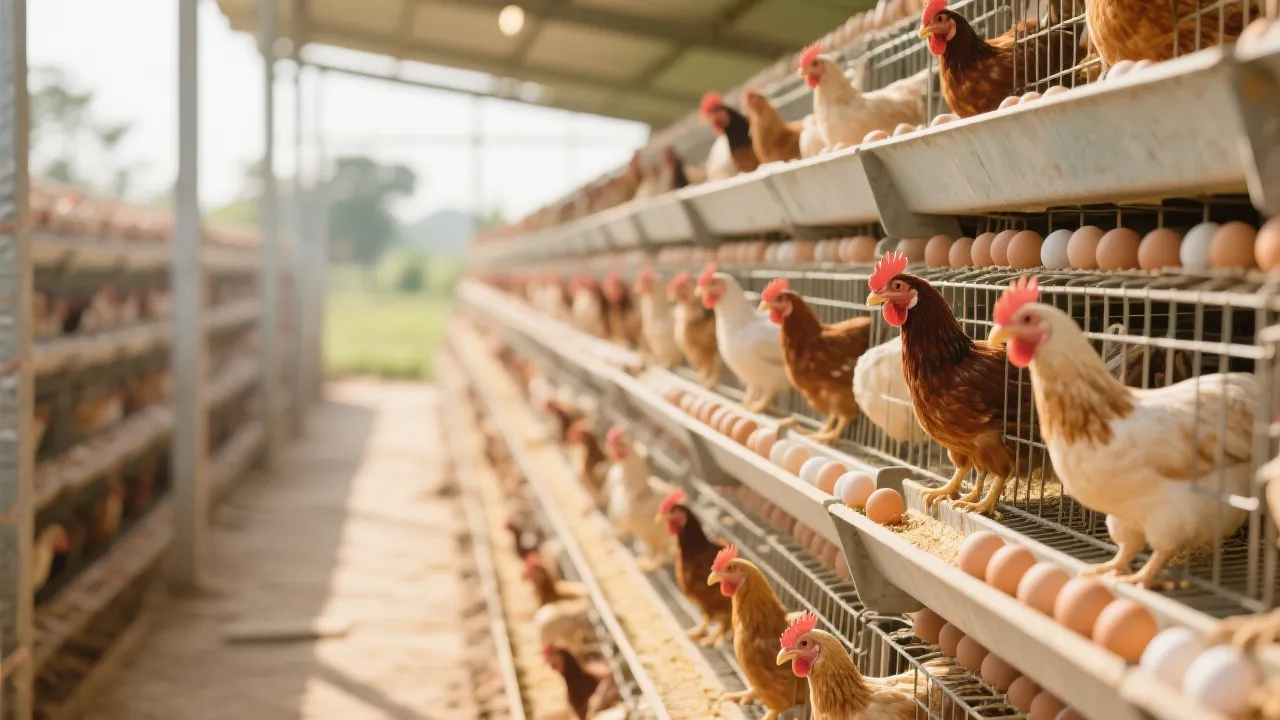
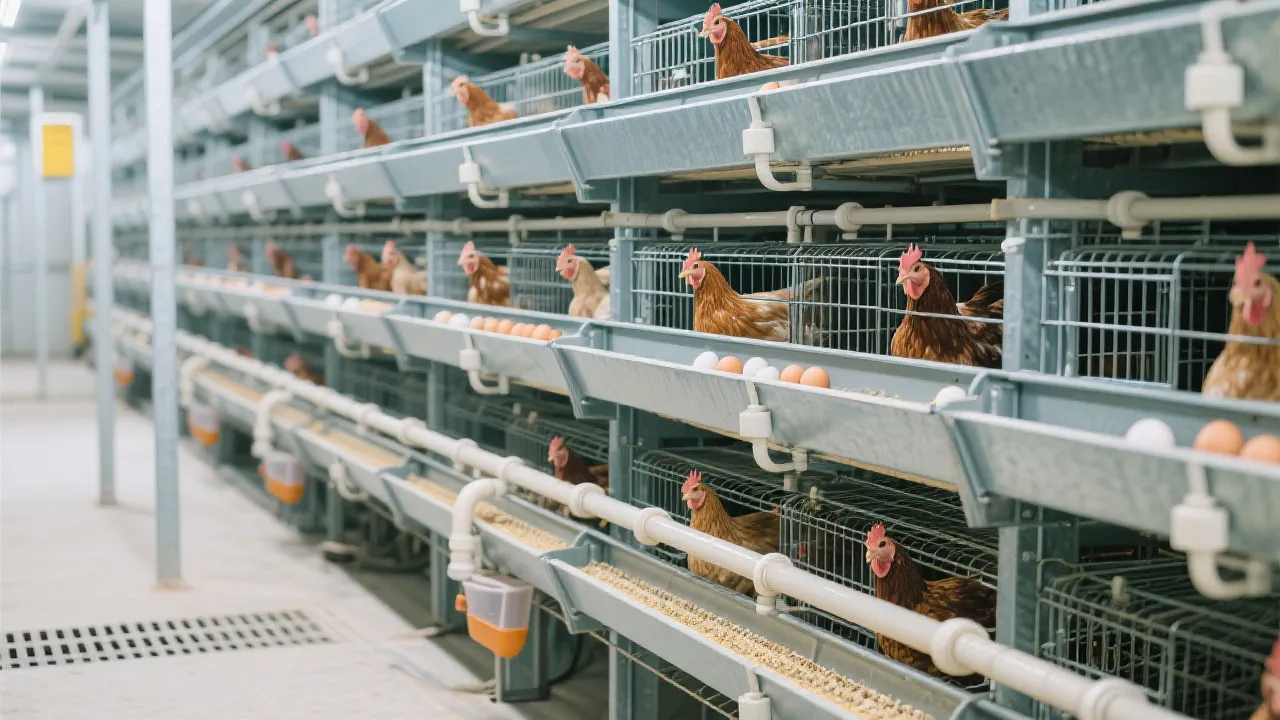
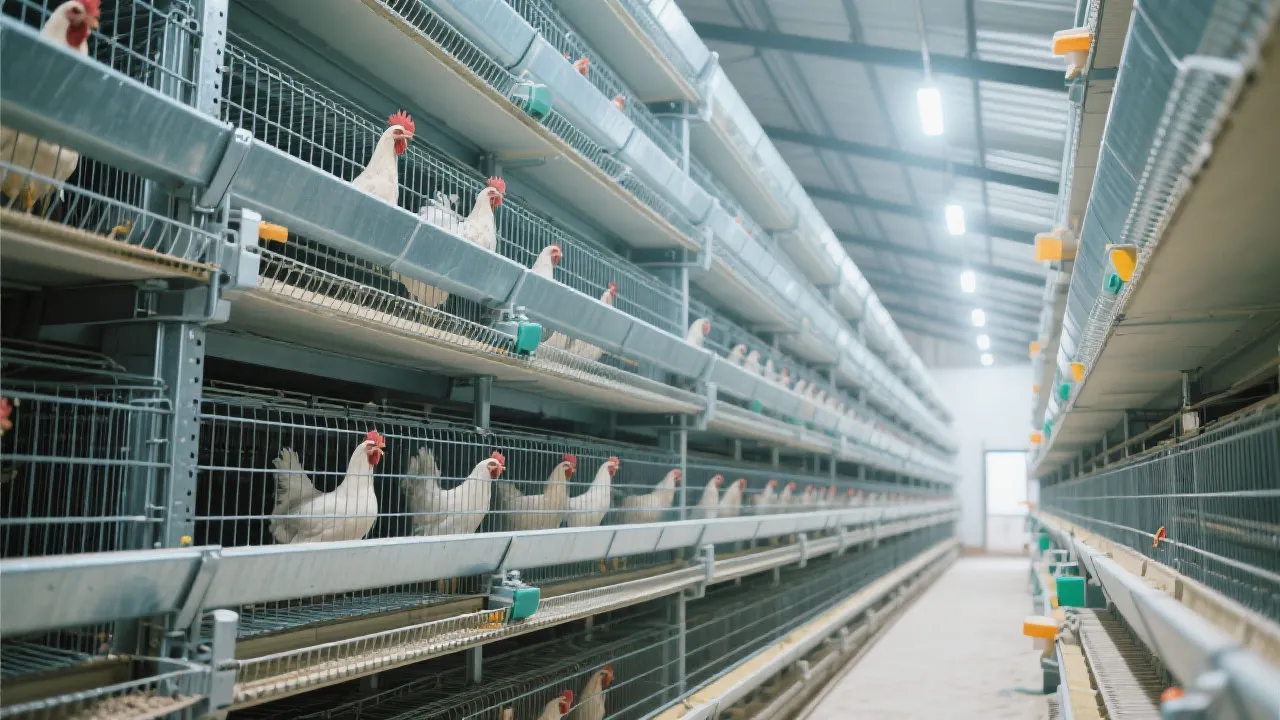
Modern H-type chicken cages are engineered not only for space efficiency but also for airflow optimization. By combining side-wall intake with top exhaust vents, these systems create a laminar air movement pattern that ensures consistent temperature and humidity across all tiers—critical for uniform egg output.
For example, one farm in Texas reported a 7% increase in daily egg yield after installing our H-type cage ventilation system. The owner noted: “We used to lose 5–8 eggs per 100 hens during summer heatwaves. Now, we see steady production year-round.”
Durability Matters: Why Aluminum-Zinc Coating Makes a Difference
High humidity and ammonia buildup in poorly ventilated sheds accelerate metal corrosion. That’s where aluminum-zinc alloy coatings come in—they offer 3x better rust resistance than standard galvanized steel, as confirmed by independent lab tests at the University of Nebraska-Lincoln (2021).
Farmers who switched to this coating saw reduced maintenance downtime and extended equipment life by over 5 years on average. One client from Brazil said: “It’s not just about saving money—it’s about peace of mind knowing your system won’t fail mid-cycle.”

Practical Tips for Daily Monitoring & Maintenance
You don’t need expensive sensors to manage your environment effectively. Here’s what works:
- Check temperature and humidity every morning using a digital hygrometer (ideal range: 20–24°C, 50–65% RH).
- Inspect fans and air inlets weekly for dust accumulation or blockage.
- Record daily egg counts alongside weather data—this helps identify patterns and adjust ventilation timing proactively.
“If you’re serious about maximizing egg production, start with the basics: airflow, stability, and consistency.” — Dr. Maria Lopez, Poultry Environmental Specialist
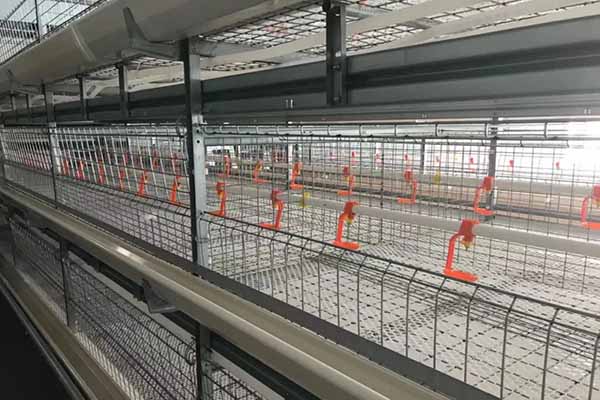
Understanding how your ventilation system supports hen health is the first step toward smarter management—and higher profits.
Explore More Efficient Ventilation Solutions




Hot Products

.jpg?x-oss-process=image/resize,m_fill,h_800,w_800/format,webp)


Popular articles




READY TO START?
Ready to Build Your Poultry Farm?
Tell us your land size, poultry type and farming capacity. LIVI will provide a complete farm solution for your project.