


Poultry House Ventilation & Temperature Control: Boost Egg Production and Reduce Heat Stress | Expert Guide

How Proper Ventilation in Layer Hen Houses Boosts Egg Production
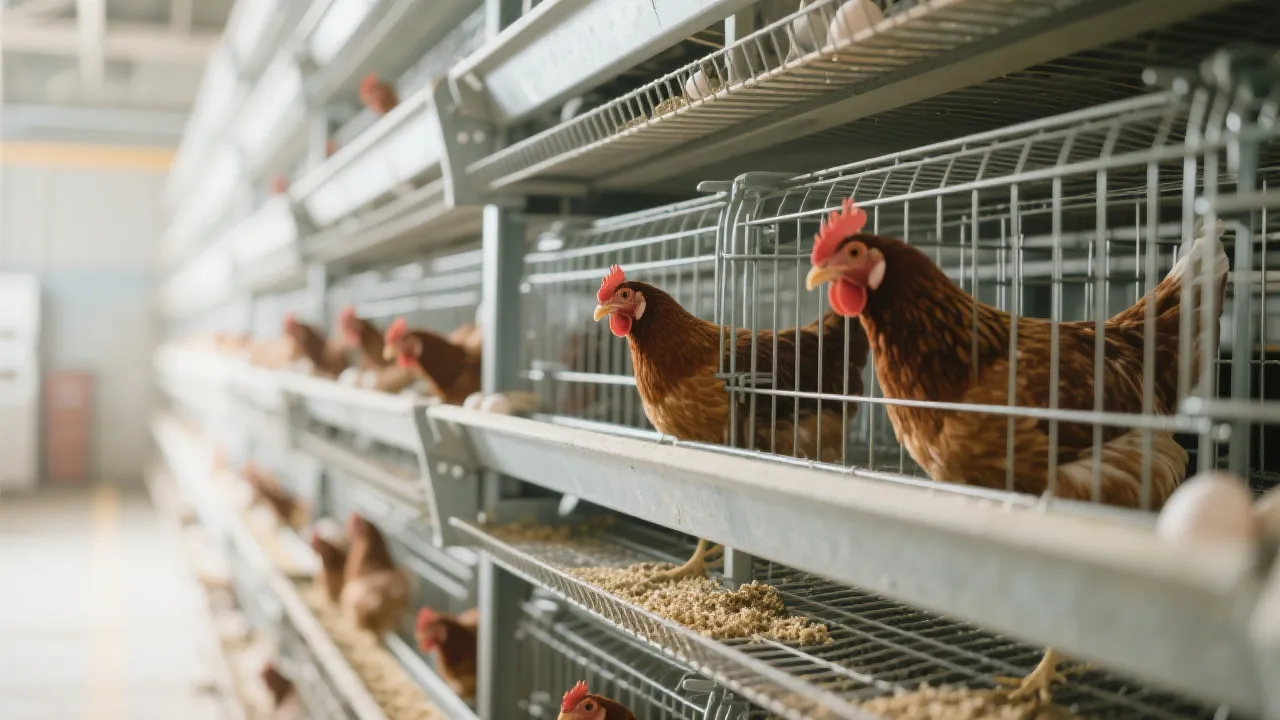
In commercial poultry farming, even minor fluctuations in temperature and airflow can significantly impact egg yield—and the key lies not just in keeping chickens comfortable, but in understanding how ventilation directly influences their physiology.
The Science Behind Airflow & Egg Output
Research from the University of Georgia (2022) shows that when ambient temperatures exceed 27°C (80°F), hens experience heat stress—a condition that reduces feed intake by up to 25% and lowers daily egg production by 5–10%. This isn’t just about comfort—it’s a measurable economic loss. For example, a flock of 10,000 birds losing 7% egg output due to poor ventilation could mean an annual revenue drop of over $12,000 at average market prices.
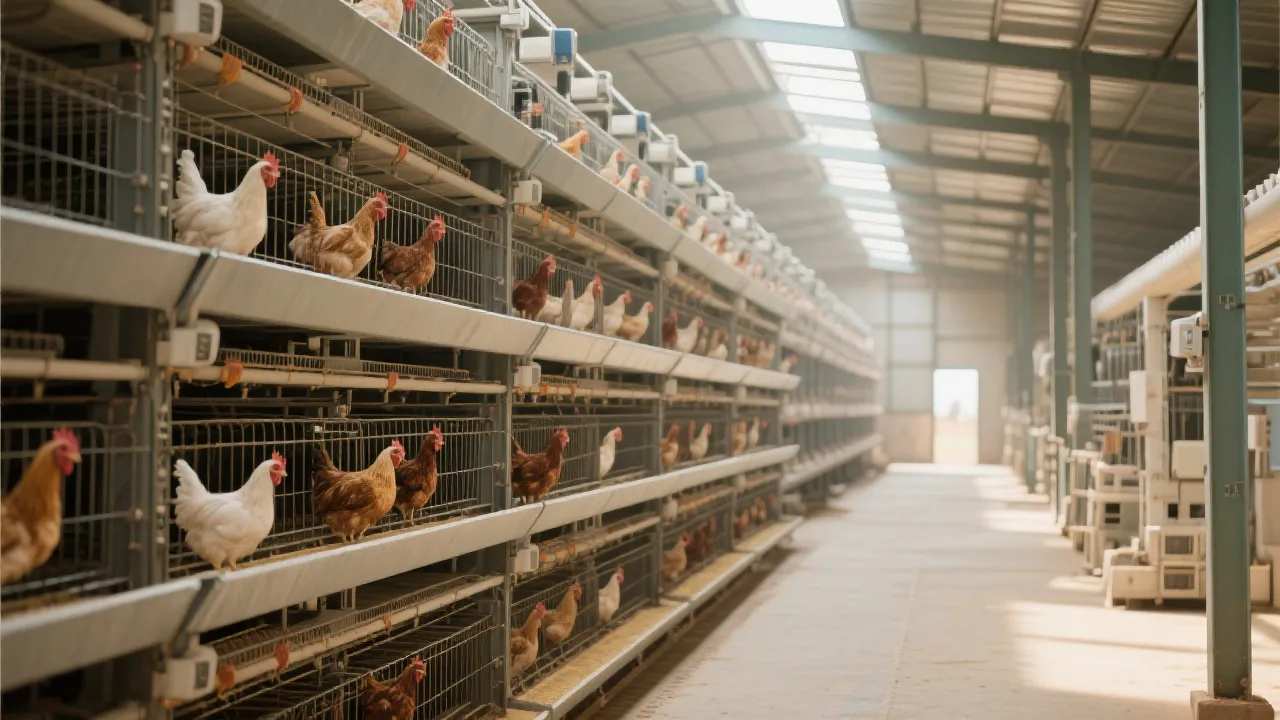
Effective air management—especially through strategic side-wall intake and top exhaust systems—can maintain stable humidity (60–70%) and consistent airflow velocity (0.5–1 m/s), minimizing thermal shock and supporting optimal metabolic function in laying hens.
Real-World Impact: Case Study from Zhengzhou
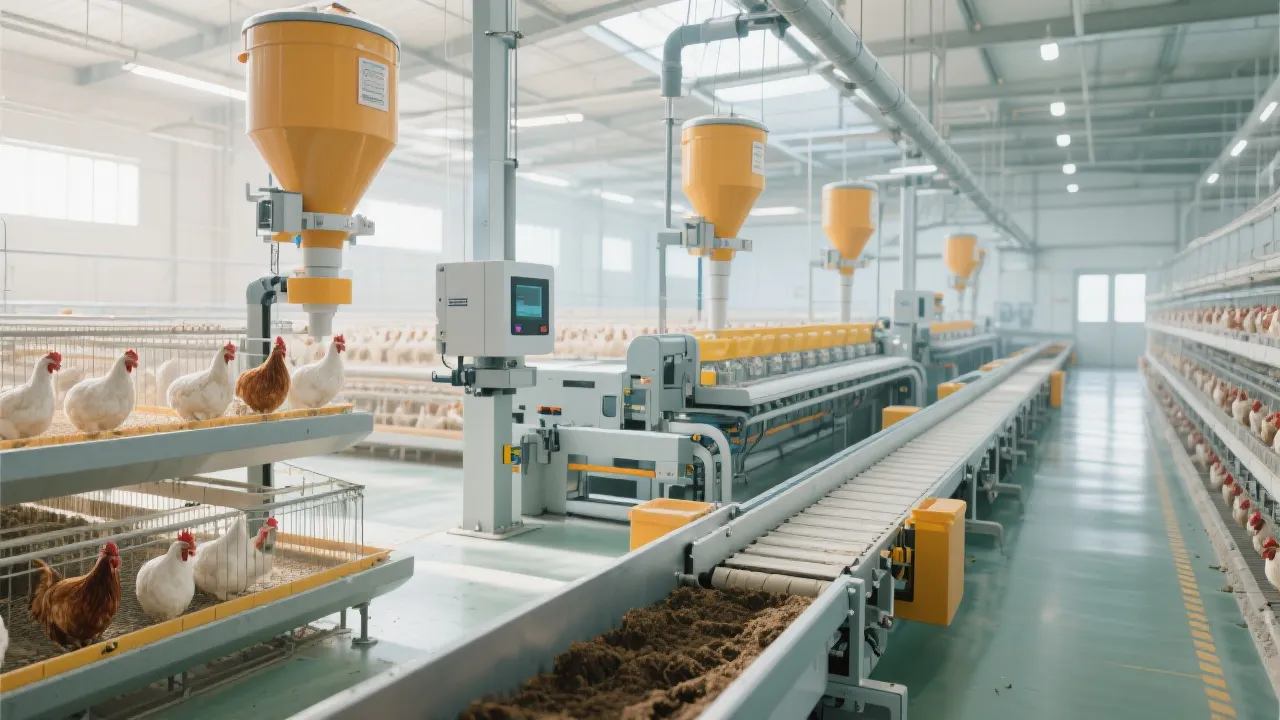
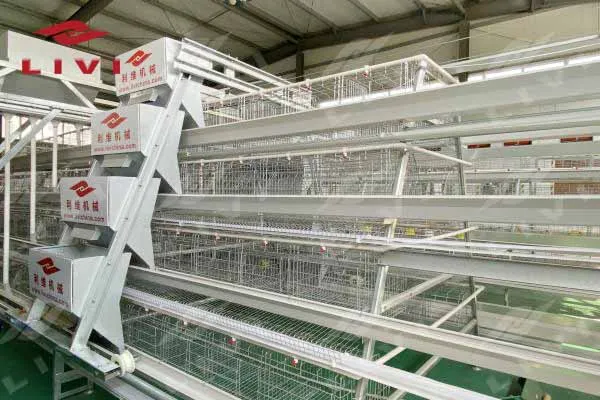
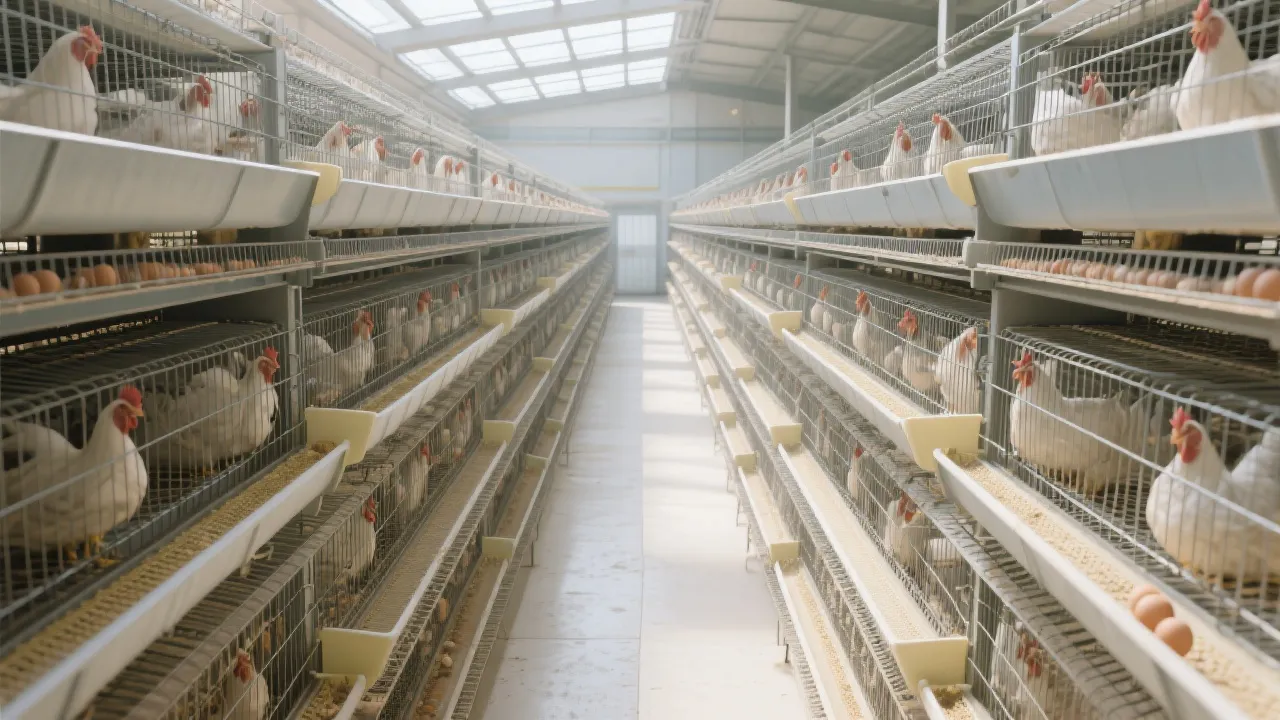
A large-scale layer farm in Henan Province adopted H-type cage systems with optimized airflow design from Livi Machinery. Within six weeks, they reported a 9.3% increase in daily egg production, along with a noticeable reduction in mortality during summer months. The owner noted: “Before the upgrade, we had to manually open windows every morning. Now, our automated system keeps the house balanced without constant intervention.”

Why Material Matters: Aluminum-Zinc Coating for Longevity
Beyond airflow design, durability matters. Standard steel cages corrode faster under high humidity, leading to structural failure and increased maintenance costs. Livi’s aluminum-zinc alloy coating provides superior corrosion resistance—tested to last over 15 years in humid environments—reducing downtime and ensuring consistent performance across seasons.
Simple Monitoring Tips for Daily Management
You don’t need advanced tools to monitor your environment. Use a basic thermometer-hygrometer placed at bird level (not near walls or fans). Check readings twice daily—morning and afternoon. If temperature swings exceed ±2°C between these times, it’s a sign your ventilation strategy needs adjustment.
Also, inspect air inlets monthly for blockages from dust or debris. Even small obstructions reduce airflow efficiency by up to 30%, which can be costly over time.
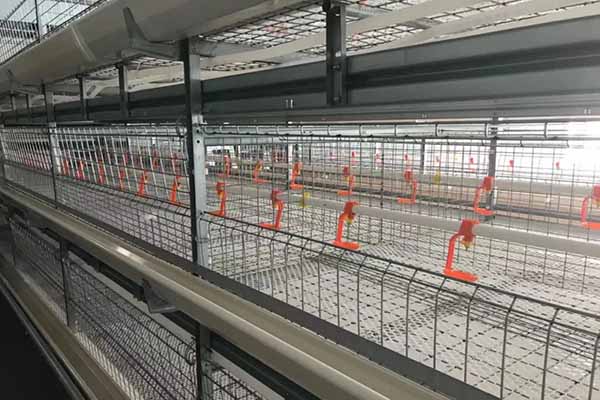
For farmers looking to optimize productivity while reducing operational stress, the link between ventilation quality and egg production is clear—not just theoretical, but proven in real-world conditions.
Ready to Upgrade Your Poultry Environment?
Explore how Livi’s H-type layer cages and smart ventilation solutions are helping farms worldwide improve egg yields and reduce heat-related losses.
Get Expert Advice on Optimizing Your Hen House Climate




Hot Products

.jpg?x-oss-process=image/resize,m_fill,h_800,w_800/format,webp)


Popular articles




READY TO START?
Ready to Build Your Poultry Farm?
Tell us your land size, poultry type and farming capacity. LIVI will provide a complete farm solution for your project.