


Guide to Standard Management of Poultry Farming Equipment: Key Points for Overseas Compliance Export from the Perspective of CE Certification

The Current Pain Points in the Poultry Farming Equipment Industry
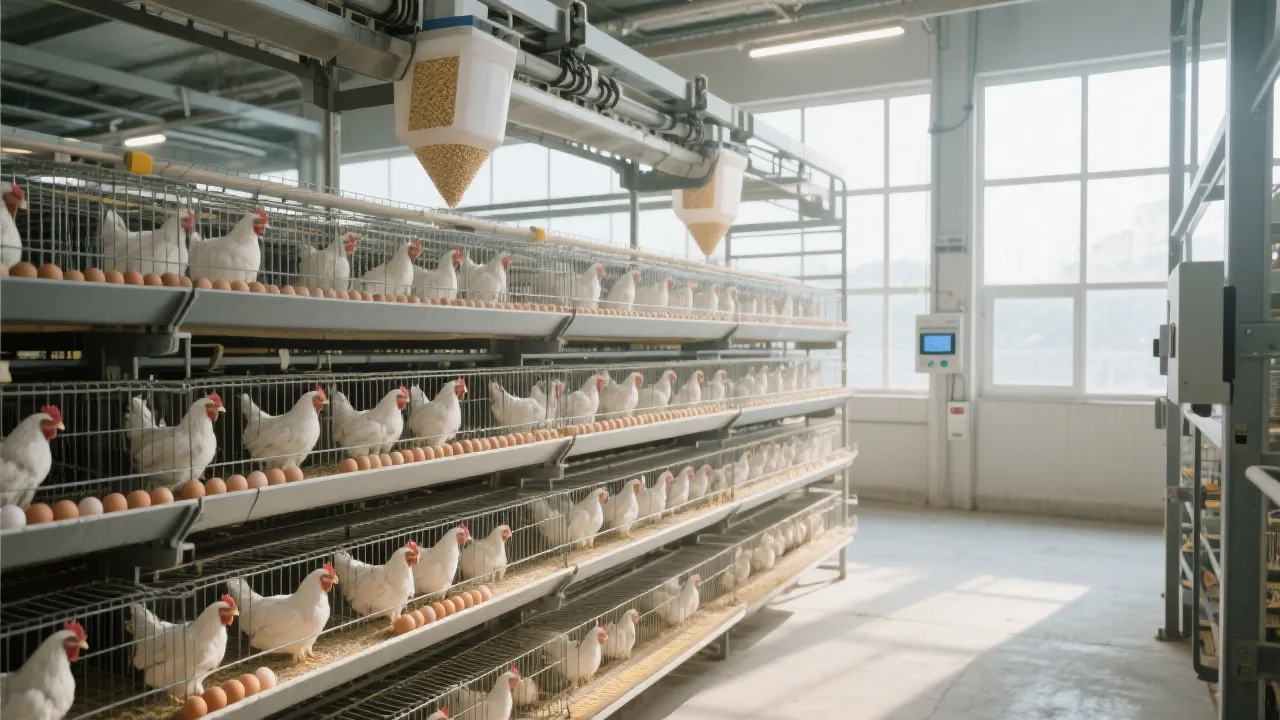
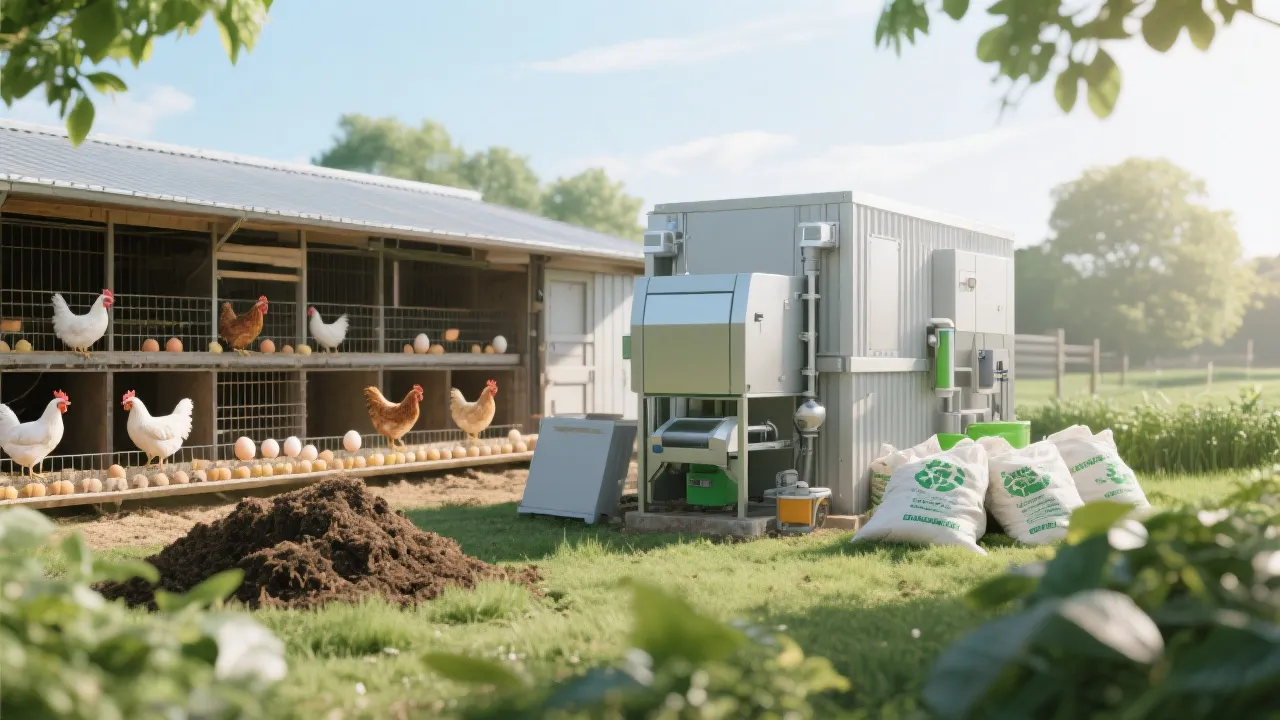
In the current poultry farming landscape, many large - scale farms face significant challenges when purchasing equipment. There are often compliance blind spots and operational risks. For example, some farms may buy equipment without fully understanding international standards, which can lead to non - compliance issues during overseas trade. These problems not only affect the smooth operation of the farm but also pose potential threats to the long - term development of the business.

ISO9001: Ensuring Stable Performance of Laying Hen Cages
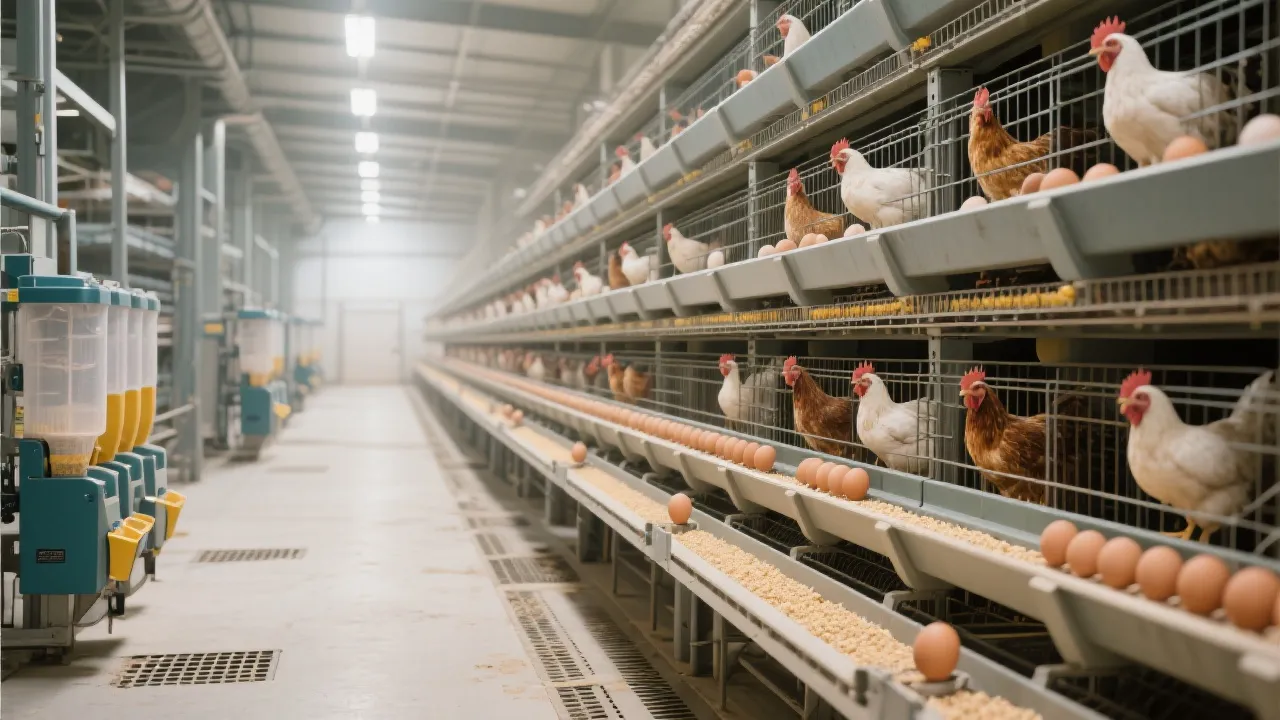
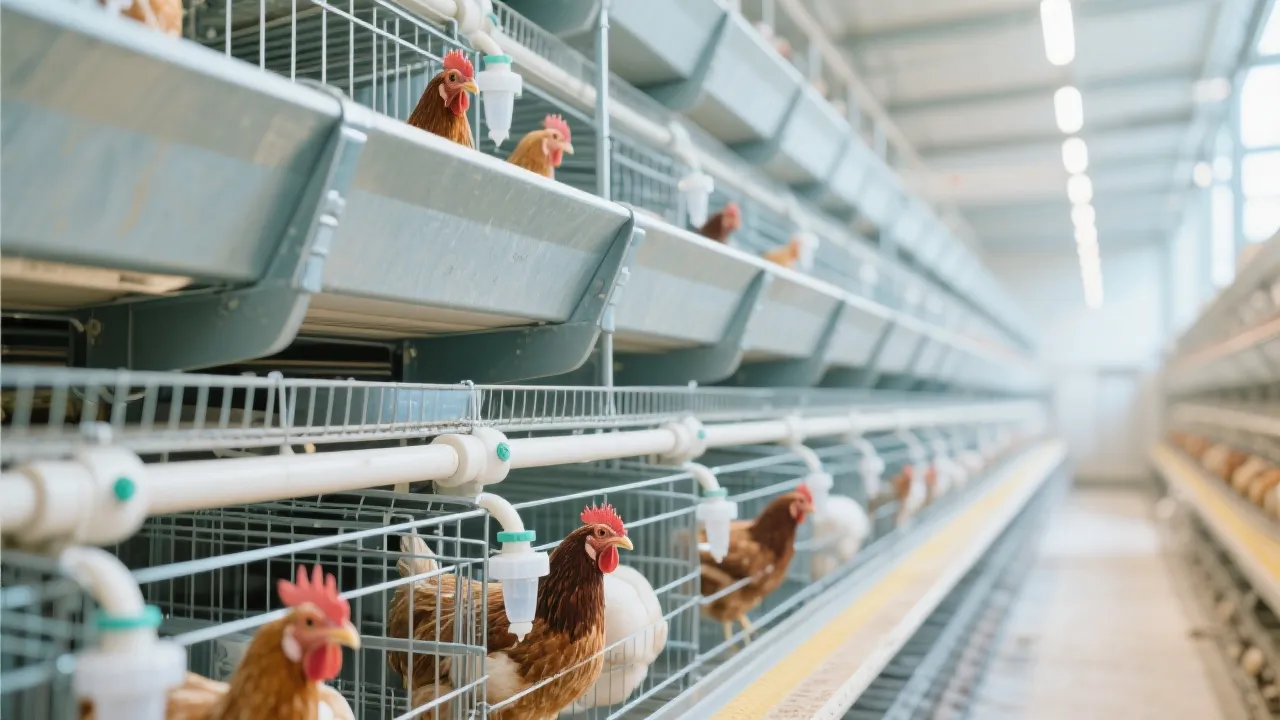
ISO9001 is a crucial quality management system that permeates every stage of the laying hen cage's life cycle, from design and manufacturing to installation. By adhering to ISO9001, manufacturers can ensure that the laying hen cages have stable performance. For instance, during the design phase, strict quality control measures are taken to optimize the structure of the cages to ensure they can withstand the daily activities of the hens. In the manufacturing process, every component is inspected to meet the set quality standards, which guarantees the durability and reliability of the cages.
ISO14001: Promoting Green Poultry Farming
The ISO14001 environmental management system has a profound impact on the poultry farming equipment industry. It influences material selection, coating processes, and waste disposal. When it comes to material selection, ISO14001 encourages the use of sustainable and environmentally friendly materials. For the coating process, it requires the use of non - toxic and low - pollution coatings. In terms of waste disposal, the system promotes proper handling of waste generated during the production and use of the equipment, which helps to achieve green poultry farming. As a result, farms can reduce their environmental impact while also meeting the growing demand for sustainable products in the international market.
CE Certification: The Key to International Market Access
CE certification is a mandatory requirement for many products sold in the European market. For poultry farming equipment, CE certification has specific safety standards, including electrical safety, structural strength, and protection levels. Electrical safety ensures that the equipment does not pose a risk of electric shock to the operators. Structural strength guarantees that the equipment can withstand normal use and potential external forces. Protection levels are set to prevent accidental contact with dangerous parts of the equipment. By meeting these CE certification standards, farms can significantly reduce the compliance threshold for overseas customers and gain easier access to the international market.

Practical Tools for Poultry Farms
To help farms better manage their equipment, we provide practical tool templates. The "Standardized Inspection Checklist for Laying Hen Cages" allows farms to regularly check the condition of the cages, including the integrity of the structure, the smoothness of the feeding and drinking systems, etc. The "Environmental - friendly Equipment Maintenance Checklist" helps farms maintain their equipment in an environmentally friendly way, such as proper lubrication to reduce energy consumption and correct disposal of waste materials. These checklists enhance the operability of the equipment management process.
Case Studies and Data
Numerous case studies and data support the benefits of following these international standards. For example, farms that use laying hen cages compliant with ISO and CE standards have reported an average 20% increase in the service life of the cages. This not only reduces the frequency of equipment replacement but also saves costs. In addition, the labor cost has decreased by about 15% due to the more efficient design of the equipment. Moreover, the egg - laying rate has increased by approximately 10%, which directly improves the economic benefits of the farms.

In conclusion, by understanding and implementing ISO9001, ISO14001, and CE certification requirements, poultry farms can not only ensure the quality and environmental friendliness of their equipment but also gain a competitive edge in the international market. If you want to learn more about how to achieve compliant and efficient poultry farming, click here for more information.




Hot Products

.jpg?x-oss-process=image/resize,m_fill,h_800,w_800/format,webp)


Popular articles





READY TO START?
Ready to Build Your Poultry Farm?
Tell us your land size, poultry type and farming capacity. LIVI will provide a complete farm solution for your project.