


Introduction to Poultry Farming Equipment Solutions Based on Quality and Environmental Management Standards
Introduction to Poultry Farming Equipment Solutions Based on Quality and Environmental Management Standards
In the global poultry farming industry, the demand for high - quality, environmentally - friendly, and compliant equipment is on the rise. This article focuses on layer chicken cages that comply with ISO9001 and ISO14001 international certification standards, aiming to provide large - scale layer chicken farms with scientific equipment procurement and operation and maintenance solutions.
Implementation of ISO9001 and ISO14001 Standards in Layer Chicken Cage Design and Operation
ISO9001 is an international standard for quality management systems, while ISO14001 pertains to environmental management systems. Applying these standards to layer chicken cage design and operation can significantly improve the quality and environmental performance of the equipment.
According to industry data, cages designed and produced in line with ISO9001 standards can reduce equipment failure rates by up to 30%. This is mainly because high - quality materials are used in the production process. For example, by using corrosion - resistant steel, the service life of the cage can be extended from 5 years to over 10 years, effectively reducing the long - term cost for farmers.
In the field of environmental protection, ISO14001 standard - compliant cages can improve the internal environment of the farm. For instance, proper ventilation design can reduce ammonia emissions in the farm by 25%, improving the air quality inside the chicken house and the health of the chickens. This also helps in reducing the use of drugs, making the eggs produced more environmentally friendly and healthy.
Role of CE Certification in Layer Chicken Cage Equipment
CE certification is a mandatory safety certification for products sold in the European market, indicating that the product meets the safety, health, and environmental protection requirements of EU laws. For layer chicken cage equipment, CE certification not only ensures the safety of the equipment but also enhances its international market access.
Statistics show that products with CE certification have a 20% higher chance of being accepted in the European market. This is because CE - certified equipment has passed strict safety inspections, such as ensuring that there are no sharp edges on the cage to prevent injury to chickens, and the structure is strong enough to withstand normal use and external forces.
Establishment of Standardized Inspection and Environmental Operation and Maintenance Systems
In addition to standard - compliant design and production, establishing a standardized inspection and environmental operation and maintenance system is also crucial. A clear checklist and operating instructions can help farmers better manage and maintain the equipment, improving production efficiency and environmental protection levels.
For example, a daily inspection checklist that includes checking the integrity of the cage structure, the operation of feeding and watering systems can help farmers detect and solve problems in a timely manner. Regularly cleaning and disinfecting the cages can reduce the spread of diseases, and proper waste management can effectively reduce the environmental impact of the farm.
FAQ
Q: What benefits can ISO - certified layer chicken cages bring to my farm?
A: ISO - certified cages can reduce equipment failure rates, extend service life, improve the internal environment of the farm, reduce ammonia emissions, and decrease drug use, thus improving egg quality and farm efficiency.
Q: Is CE certification necessary for non - European markets?
A: Although CE certification is mandatory for the European market, it also reflects the high safety and quality of the product. It can enhance the competitiveness of the product in other international markets and increase the trust of customers.
Q: How difficult is it to establish a standardized inspection and maintenance system?
A: With clear checklists and operating instructions, it is not difficult to establish such a system. It mainly requires the farmer's regular and careful implementation, and the initial establishment can be carried out with the guidance of professionals.
The application of standards such as ISO9001, ISO14001, and CE certification in layer chicken cage equipment can bring many benefits to large - scale layer chicken farms. By establishing a standardized inspection and environmental operation and maintenance system, farms can achieve both production efficiency and environmental protection goals, enhancing the international competitiveness and brand credibility of the equipment.
Upgrade Your Poultry Farming with Certified Equipment!
Explore Our ISO and CE Certified Layer Chicken Cages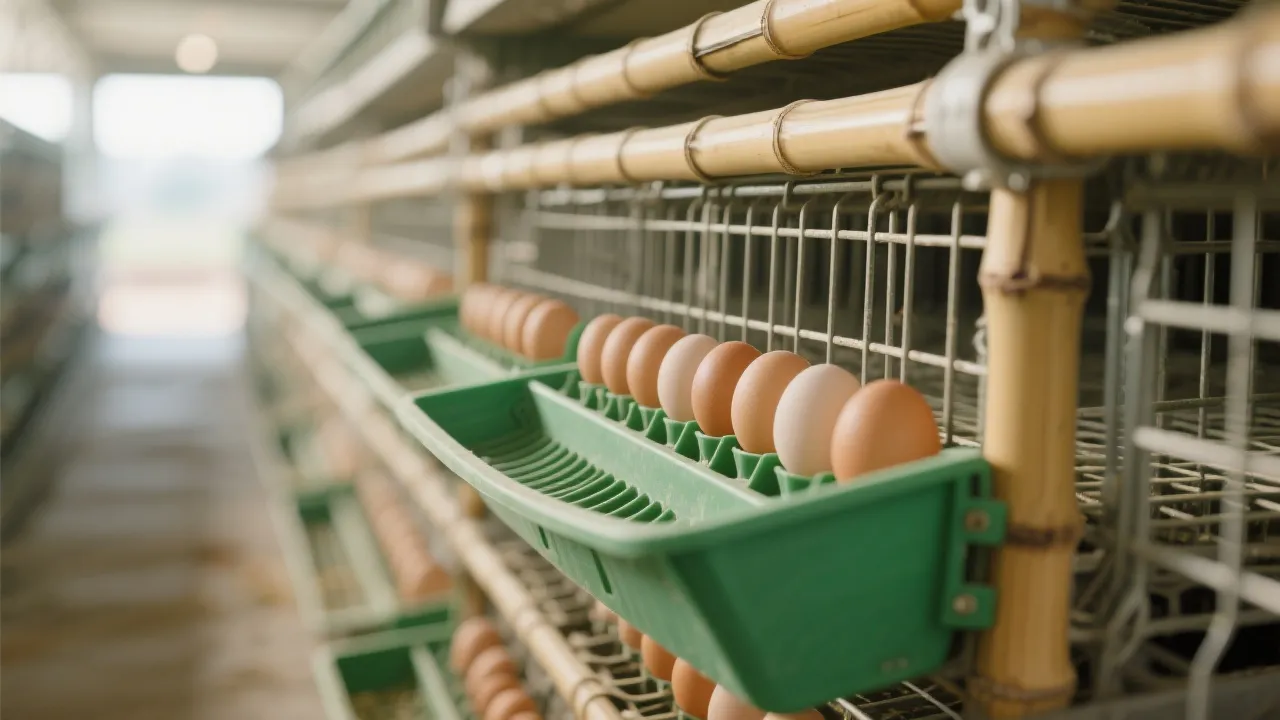





Hot Products

.jpg?x-oss-process=image/resize,m_fill,h_800,w_800/format,webp)


Popular articles





READY TO START?
Ready to Build Your Poultry Farm?
Tell us your land size, poultry type and farming capacity. LIVI will provide a complete farm solution for your project.