


How to Configure Equipment for a Scale Poultry Farm: From Cages to Climate Control
Configuring equipment for a scale poultry farm is not about buying “more automation”—it is about matching cages, core systems, and poultry house climate control to your target capacity, house layout, local climate, and management model. This practical guide from Livi Machinery helps you avoid common causes of mismatch and repeat purchasing during new builds or upgrades.
Who this page is for: owners, EPC project teams, integrators, and distributors planning layer, broiler, or brooding/grow-out projects who need a clear equipment checklist and configuration logic.
1) Start with the project “inputs” that drive equipment selection
Capacity & production type
- Target bird numbers per house and total farm capacity
- Layer vs. broiler vs. brooding/breeding phases (flow and turnover)
- Manpower plan and desired automation level
House layout & utilities
- House dimensions, aisle width, service access, loading/unloading route
- Power stability, water quality/pressure, and backup requirements
- Future expansion plan (phase-by-phase investment)
Local climate & biosecurity
- Temperature swings, humidity, dust, wind, and seasonal extremes
- Ventilation strategy and disease-control workflow
- Maintenance skill level and spare parts availability
2) Choose the right cage system first (it sets the “interfaces”)
In most scale farms, the cage system determines the practical configuration of feeding lines, drinking lines, manure removal routes, and (for layers) egg collection. Select cage type and layout before finalizing automation.
Practical tip: In equipment planning, “fit” is not only size. Confirm maintenance access (walkways, end-of-row space, clearance for belts/scrapers), and reserve space for future automation upgrades to prevent rework.
3) Configure the core automation systems (the farm’s daily workflow)
Automated feeding system
- Match line routing and capacity to cage rows and stocking density.
- Check feed transfer path (silo/room → delivery → distribution) for blockage-free operation.
- Plan inspection points for daily checks and quick troubleshooting.
Automated drinking system
- Ensure stable water pressure and consider filtration needs based on local water quality.
- Confirm the layout supports uniform access and easy line flushing/cleaning.
- Design with leak prevention and convenient maintenance in mind.
Automated manure removal system
- Choose removal method and route based on house layout and cleaning frequency.
- Verify discharge location logistics (collection, storage, transport) before installation.
- Reserve safe access for belt/scraper maintenance to avoid downtime.
Automated egg collection system (layers)
- Confirm egg flow direction, transfer points, and collection area ergonomics.
- Ensure the cage + belt/collection interfaces are aligned to reduce breakage risk.
- Plan for cleaning and inspection without disrupting daily operations.
4) Poultry house climate control: align ventilation, cooling/heating, and controls
A poultry house climate control system should be selected together with house structure and stocking plan. In scale farming, climate control influences bird comfort, labor intensity, and the stability of daily production.
Ventilation strategy
Decide airflow direction, inlets/outlets, and fan placement based on house dimensions and local weather patterns.
- Ensure uniform air distribution across cage rows
- Keep maintenance access for fans and inlets
- Account for dust and humidity management
Cooling & heating readiness
Select solutions that fit your climate zone and utility conditions, with a focus on stability and serviceability.
- Size equipment based on seasonal extremes
- Confirm water/electricity requirements early
- Plan backup or redundancy where needed
Sensors & control logic
Controls should match your management capability: clear parameters, practical alarms, and easy operation.
- Define zones and setpoints by production stage
- Keep wiring and servicing pathways organized
- Document parameters for consistent operation
5) A practical checklist to reduce mismatch and duplicate procurement
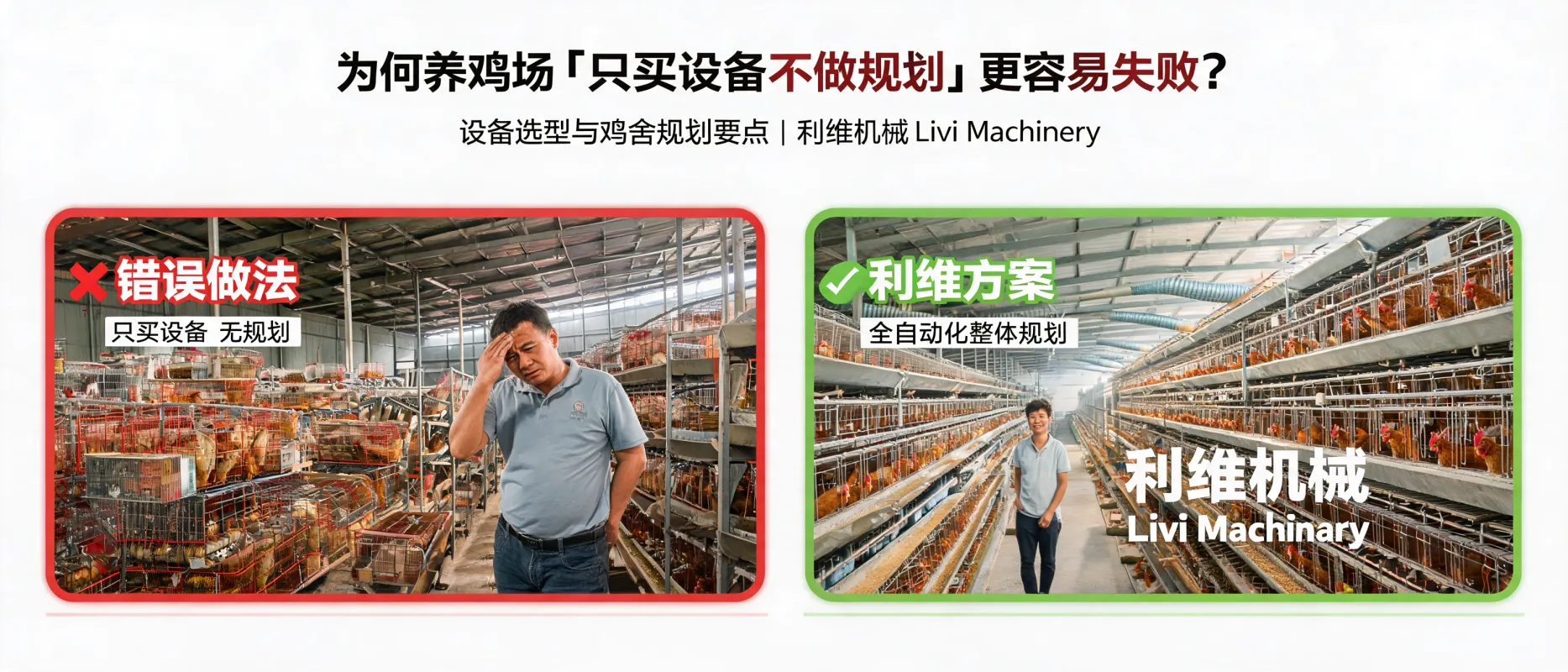
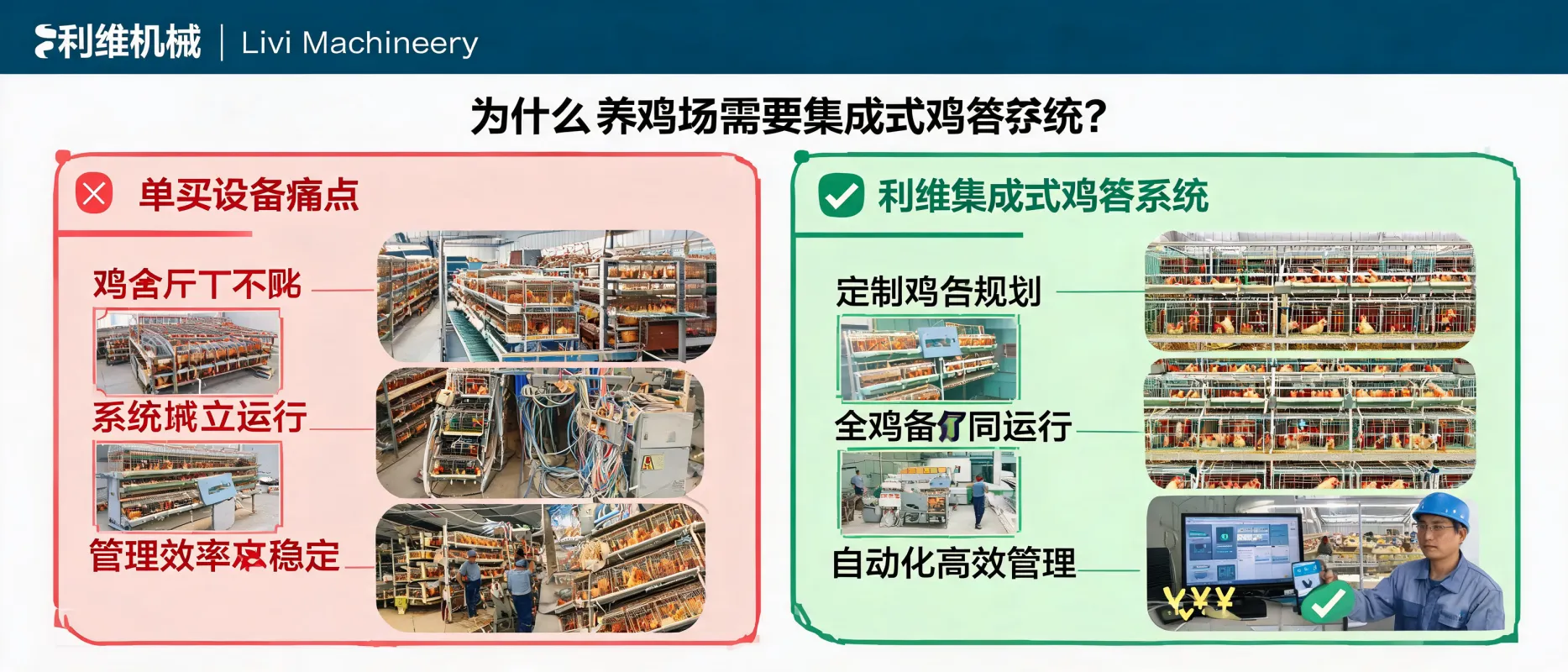
In scale poultry projects, the most expensive “mistake” is often not equipment cost—it is rework caused by incompatible layouts, insufficient maintenance space, or climate control that does not match local conditions. A structured checklist helps keep selection and procurement consistent.
How Livi Machinery supports scale poultry farm projects
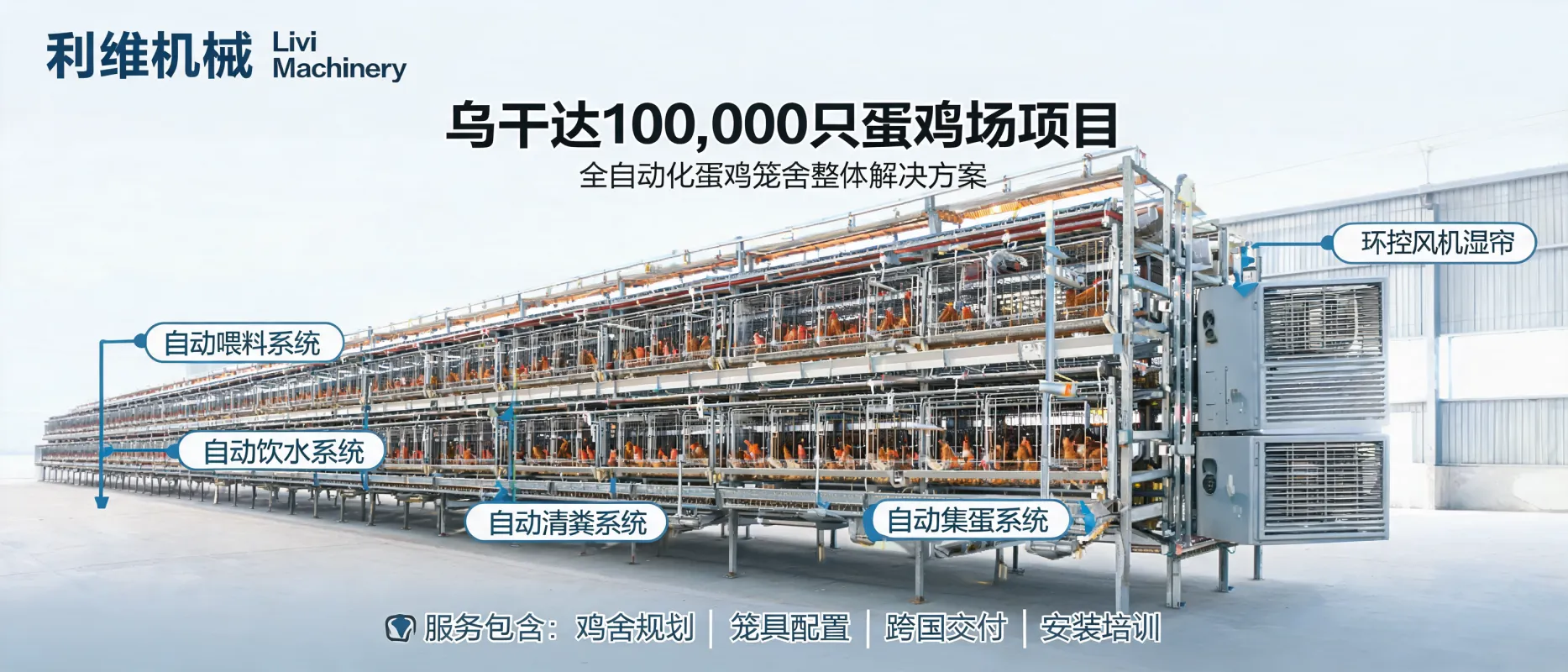
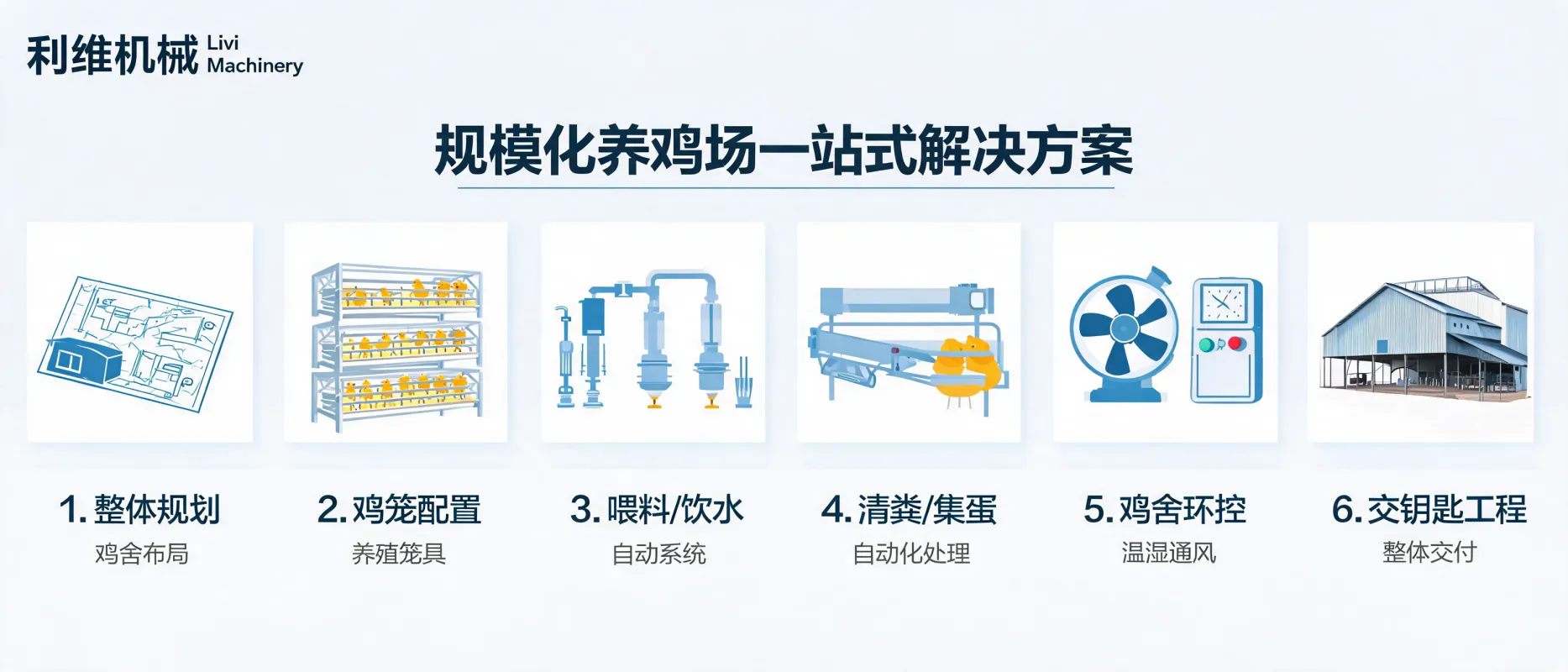
Zhengzhou Livi Machinery Manufacturing Co., Ltd. (brand: Livi Machinery) focuses on poultry farming equipment and integrated farm solutions, covering cages and key automation systems including feeding, drinking, manure removal, egg collection, and poultry house climate control. For project-based customers, we support planning-to-delivery workflows aligned with EPC-style implementation needs.
What you can prepare to speed up configuration
- Target bird capacity and production type (layer/broiler/brooding)
- House dimensions or drawings (even a draft layout)
- Local climate notes and utility conditions (power/water)
- Preferred automation level and staffing plan
What you can expect in deliverables
- Equipment configuration logic aligned to your house layout
- System matching across cages and automation modules
- Practical notes on installation interfaces and maintenance access
- Clear scope definition to help control repeat procurement risk
Livi Machinery serves global commercial poultry markets and supports multiple fulfillment modes (direct shipment, local production, overseas warehouse, and distribution), helping projects adapt to local delivery and service conditions.

Hot Products

.jpg?x-oss-process=image/resize,m_fill,h_800,w_800/format,webp)


Popular articles



READY TO START?
Ready to Build Your Poultry Farm?
Tell us your land size, poultry type and farming capacity. LIVI will provide a complete farm solution for your project.