


Why Poultry Farming Equipment Without ISO14001 Certification Is Rejected by Middle East Clients: Understanding Environmental Compliance Requirements

Why Non-ISO14001 Certified Poultry Equipment Faces Rejection in the Middle East: The Compliance Logic Behind Environmental Material Requirements
In the increasingly globalized market for poultry farming equipment, meeting international certification standards has become not just a mark of quality but a crucial gateway for market access. Particularly in the Middle Eastern markets, the absence of ISO14001 certification has led to frequent rejections of egg-laying poultry equipment, raising questions around the intrinsic value of this environmental management standard in the industry.
The Role of ISO9001, ISO14001, and CE Certifications in Poultry Equipment
Globally recognized certifications such as ISO9001 (Quality Management Systems), ISO14001 (Environmental Management Systems), and the CE marking (European conformity) serve as benchmarks for durability, safety, and eco-friendly manufacturing of poultry equipment. While ISO9001 governs consistent product quality and CE ensures compliance with European safety standards, ISO14001 plays a critical role in verifying that the equipment manufacturer adheres to robust environmental management practices.
Without ISO14001, the production processes and materials used in equipment manufacturing might not sufficiently minimize environmental impact, compromising sustainable farming efforts especially valued in the Middle East's regulatory environment.
Regulatory Challenges and Market Barriers in the Middle East
Middle Eastern countries increasingly enforce strict import criteria focused on environmental compliance. Poultry equipment lacking ISO14001 certification often encounters multiple hurdles:
- Customs clearance delays and potential refusal due to incomplete environmental conformity documentation.
- End-user skepticism leading to outright rejection from farm operators prioritizing sustainable practices.
- Higher long-term maintenance costs and legal liabilities as non-certified products may underperform environmental safety benchmarks.
| Certification Status | Average Service Life | Maintenance Frequency | Operator Health Risk |
|---|---|---|---|
| ISO14001 Certified | 10+ Years | Annual | Low – Compliant with materials safety |
| Non-Certified | 5–7 Years | Biannual or more frequent | Moderate to High – Potential for toxic exposure |
Key Technical Parameters Reinforcing Compliance
To satisfy ISO14001 and related environmental standards, poultry equipment must meet rigorous technical specifications. Key parameters include:
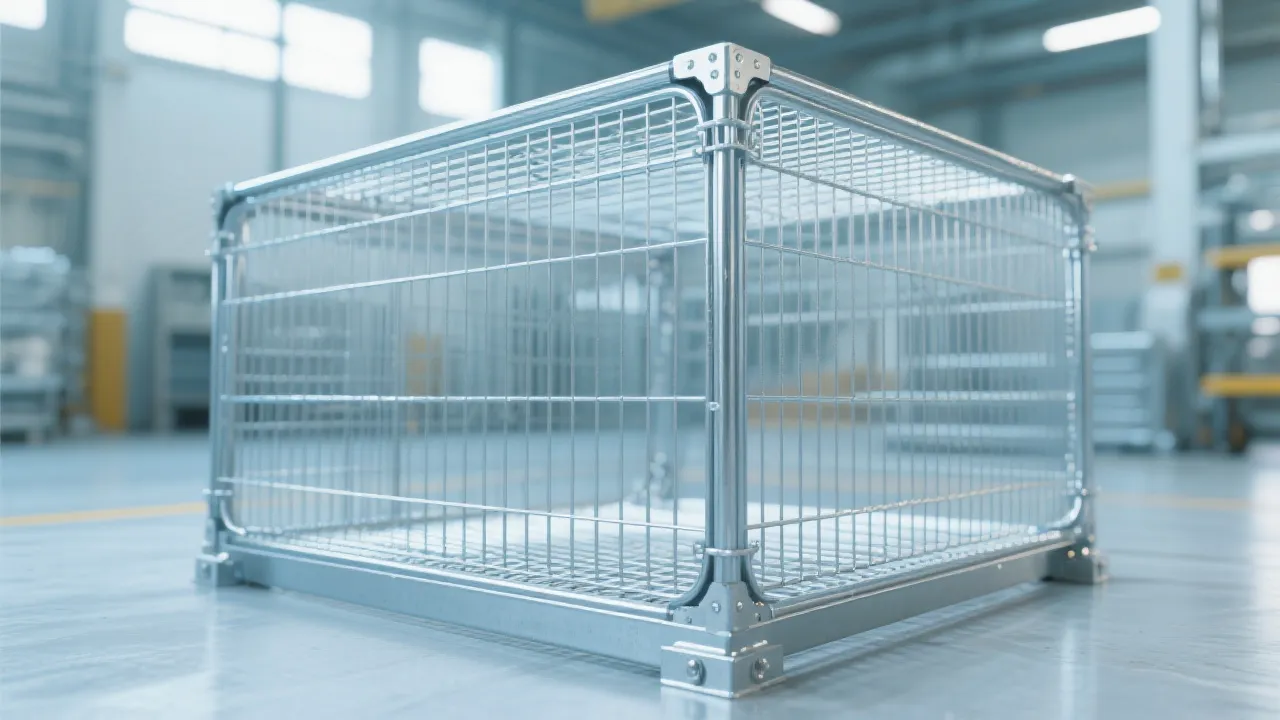
- Hot-dip galvanization thickness ≥ 85μm: Enhances corrosion resistance extending equipment lifespan and reducing maintenance frequency.
- Noise control ≤ 65 dB: Mitigates operator hearing risk and animal stress, aligning with occupational health requirements.
- Eco-compatible materials: Use of recyclable, non-toxic, and biodegradable substances lowers environmental footprint significantly.
Adherence to these standards not only ensures durability but also establishes a quantifiable environmental commitment that resonates with strict importers and eco-conscious consumers.
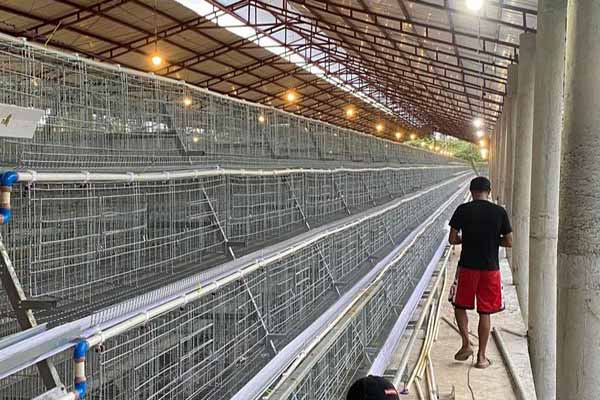
Case Study: Certified vs. Non-Certified Equipment in Middle Eastern Operations
Consider a comparative study of two poultry farms in the Gulf region. The farm utilizing ISO14001 certified equipment reported a 30% reduction in unexpected downtime over 3 years and a 40% decrease in regulatory non-compliance penalties. Conversely, the farm equipped with non-certified machinery incurred frequent maintenance disruptions and fines related to environmental compliance failures.

This real-world evidence underscores the critical linkage between certifications like ISO14001 and not just regulatory approval, but operational efficiency and reputation enhancement in sensitive markets.
Strategic Insights for Poultry Equipment Suppliers and Farm Managers
For manufacturers targeting export to regions such as the Middle East, investing in ISO14001 certification is becoming indispensable. Buyers' emphasis on environmental stewardship requires that suppliers:
- Integrate environmental risk assessments within product design and production.
- Utilize eco-compliant materials to meet sustainability criteria.
- Document processes and validate compliance transparently to facilitate smooth customs clearance.
Farm managers, on the other hand, benefit by selecting certified equipment to avoid costly interruptions, protect workforce health, and uphold their commitment to sustainable agriculture practices.

Elevate Your International Poultry Equipment Compliance
Download our International Egg-Laying Poultry Equipment Compliance Self-Checklist (PDF) to navigate ISO and CE certification essentials, avoid costly market rejections, and secure your global trade success.
Download Now


Hot Products

.jpg?x-oss-process=image/resize,m_fill,h_800,w_800/format,webp)


Popular articles



READY TO START?
Ready to Build Your Poultry Farm?
Tell us your land size, poultry type and farming capacity. LIVI will provide a complete farm solution for your project.