


International High-Quality Steel and Surface Treatment Technologies in Poultry Cage Systems for Cost-Effective Maintenance
Why Smart Egg Cage Design Matters for Large-Scale Poultry Farms
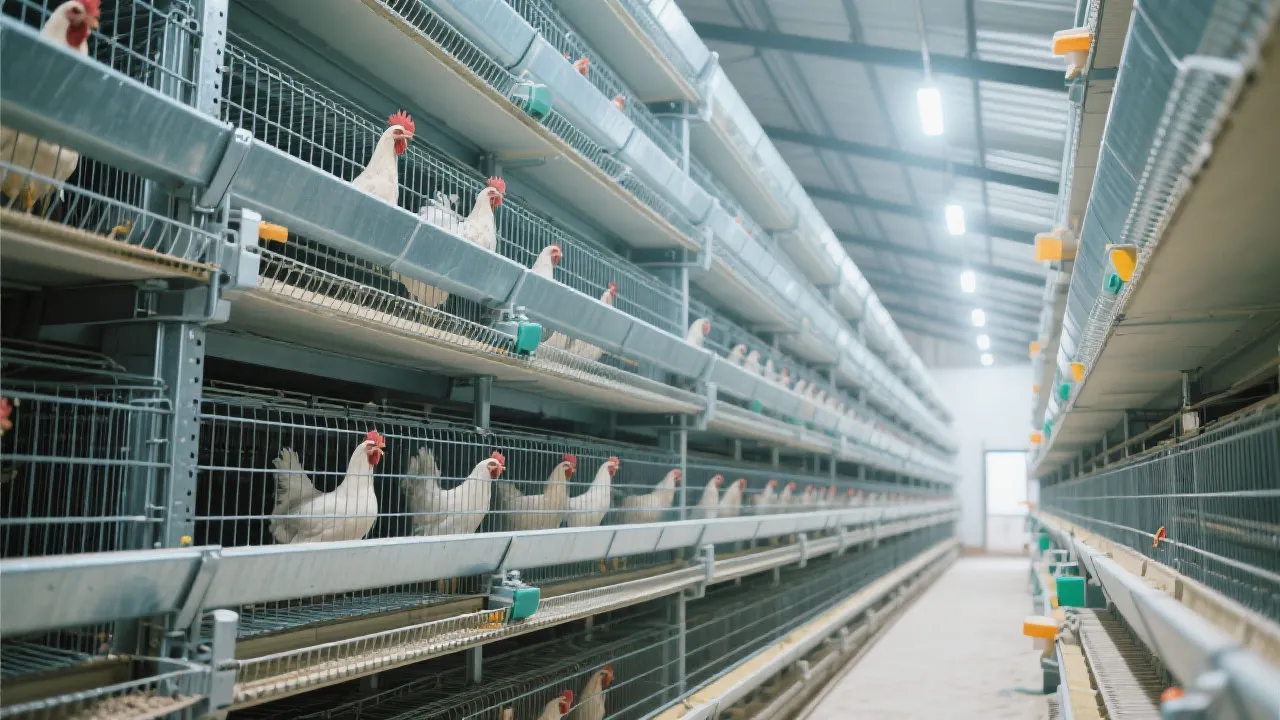
In the competitive world of commercial egg production, choosing the right equipment isn’t just about upfront cost—it’s about long-term value, animal welfare, and operational efficiency. For large-scale farms, investing in high-quality egg cage systems with advanced materials and automation can reduce maintenance by up to 40% over a 5-year period, according to a 2023 study by the International Poultry Association (IPA).
Material Science Meets Farm Realities
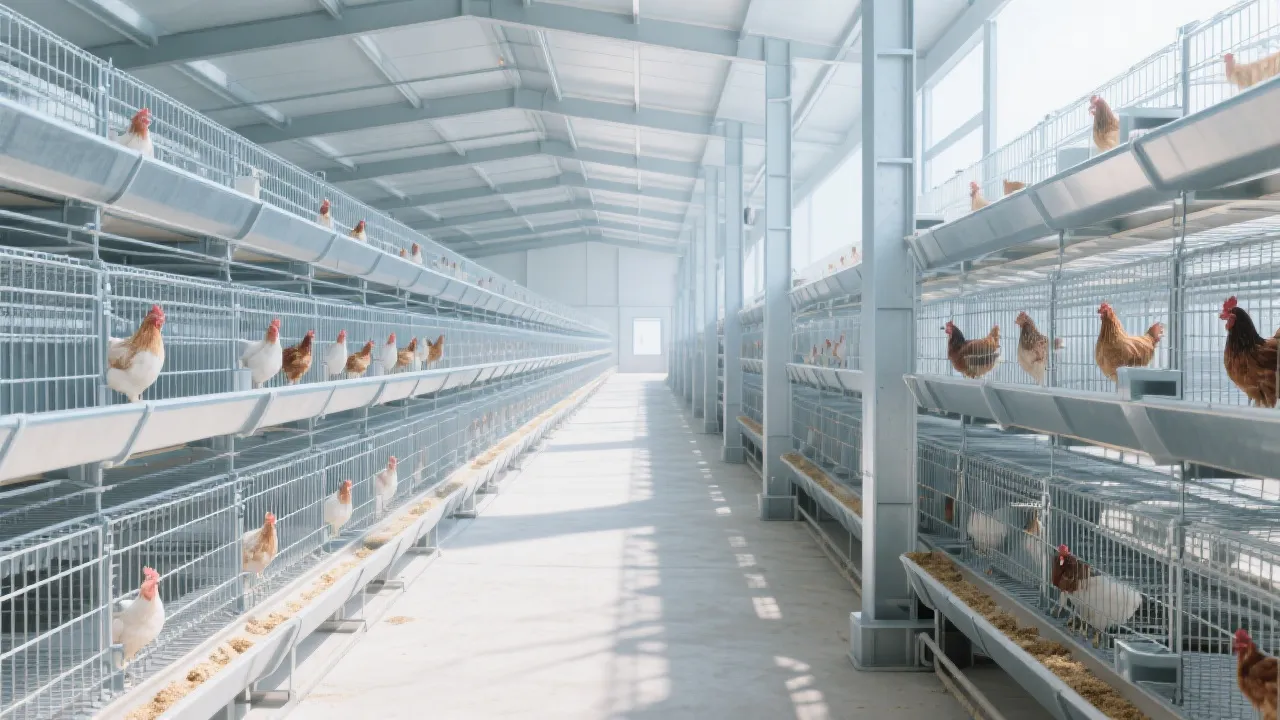
Many older egg cages use low-grade carbon steel that corrodes quickly under humid conditions—a common issue in poultry houses. In contrast, modern systems built from international-grade Q235 steel—certified to ISO 9001 standards—are significantly more durable. When combined with hot-dip galvanizing or aluminum-zinc alloy coatings (like ZAM®), these cages resist rust even in high-moisture environments, extending their lifespan from 5–7 years to over 12 years.
A case study from a 15,000-hen farm in the Netherlands showed a 35% reduction in replacement costs after switching to coated Q235 cages. The initial investment was higher, but payback came within 18 months due to fewer repairs and less downtime.
Automation Isn't Just a Trend—It's a Necessity
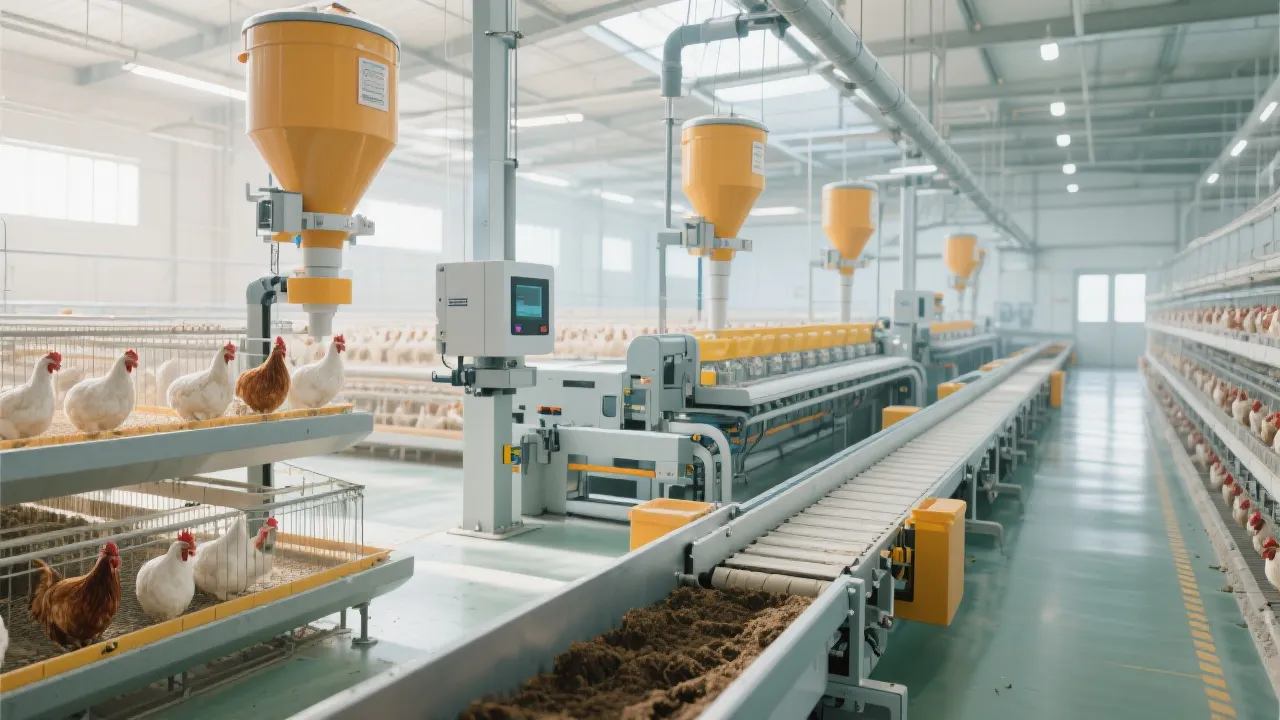
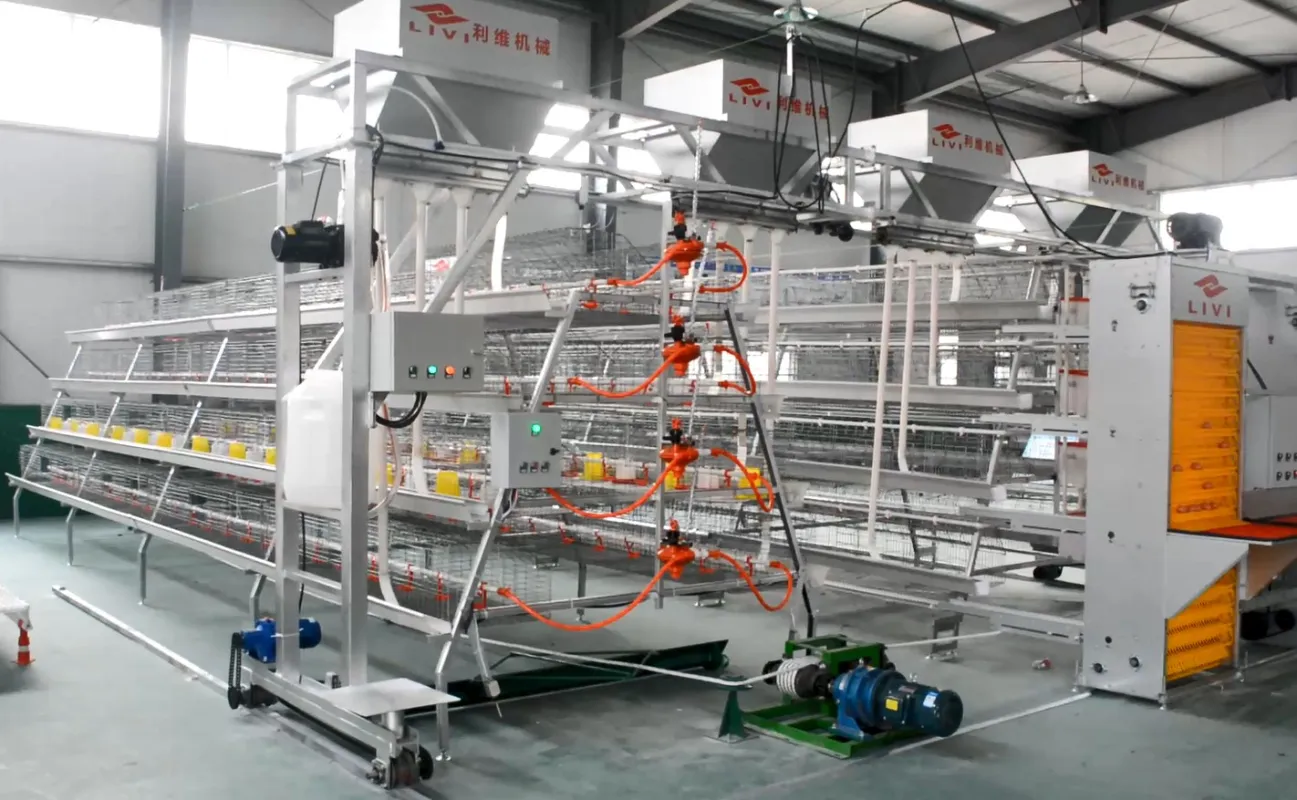
Manual egg collection and waste removal are not only labor-intensive but also increase stress on birds, which can lower egg production by up to 8%. Automated systems integrated into new cage designs improve hygiene, reduce human error, and free up staff for higher-value tasks like health monitoring.
One U.S.-based farm reported a 12% increase in daily egg yield within three months of installing automated collection and manure removal. With an average labor cost of $18/hour in North America, this translates to savings of over $2,500/month per 10,000 hens.
Ventilation + Temperature Control = Healthier Birds
Birds thrive in stable climates. Poor ventilation leads to ammonia buildup, respiratory issues, and reduced feed conversion ratios. Modern egg cages now integrate with smart climate control units that maintain optimal temperature (between 18°C–24°C) and humidity levels (60–70%), directly improving egg quality and bird longevity.
Farms using such systems see a 15% drop in mortality rates compared to traditional setups, as confirmed by a 2022 report from the European Layer Federation (ELF).
Future-Proofing Your Operation
As global regulations tighten around animal welfare (e.g., EU Directive 2010/65/EU) and environmental sustainability, forward-thinking farmers are prioritizing equipment that meets CE certification and supports circular economy principles. This includes recyclable components, minimal water usage in cleaning systems, and energy-efficient motors.
Choosing equipment aligned with these trends ensures compliance today—and prepares your farm for tomorrow’s expectations, whether it’s from consumers, regulators, or investors.
Explore our full range of certified, high-performance egg cage systems designed for scalability, durability, and smart integration. Let us help you build a healthier, more profitable flock—without compromising on ethics or sustainability.
Get Your Free Equipment Assessment Today



Hot Products

.jpg?x-oss-process=image/resize,m_fill,h_800,w_800/format,webp)


Popular articles




READY TO START?
Ready to Build Your Poultry Farm?
Tell us your land size, poultry type and farming capacity. LIVI will provide a complete farm solution for your project.