


Poultry Cage System Explained: Components, Types, and Automation in Modern Farms

What a Poultry Cage System Is (and Why It Matters in Modern Farms)
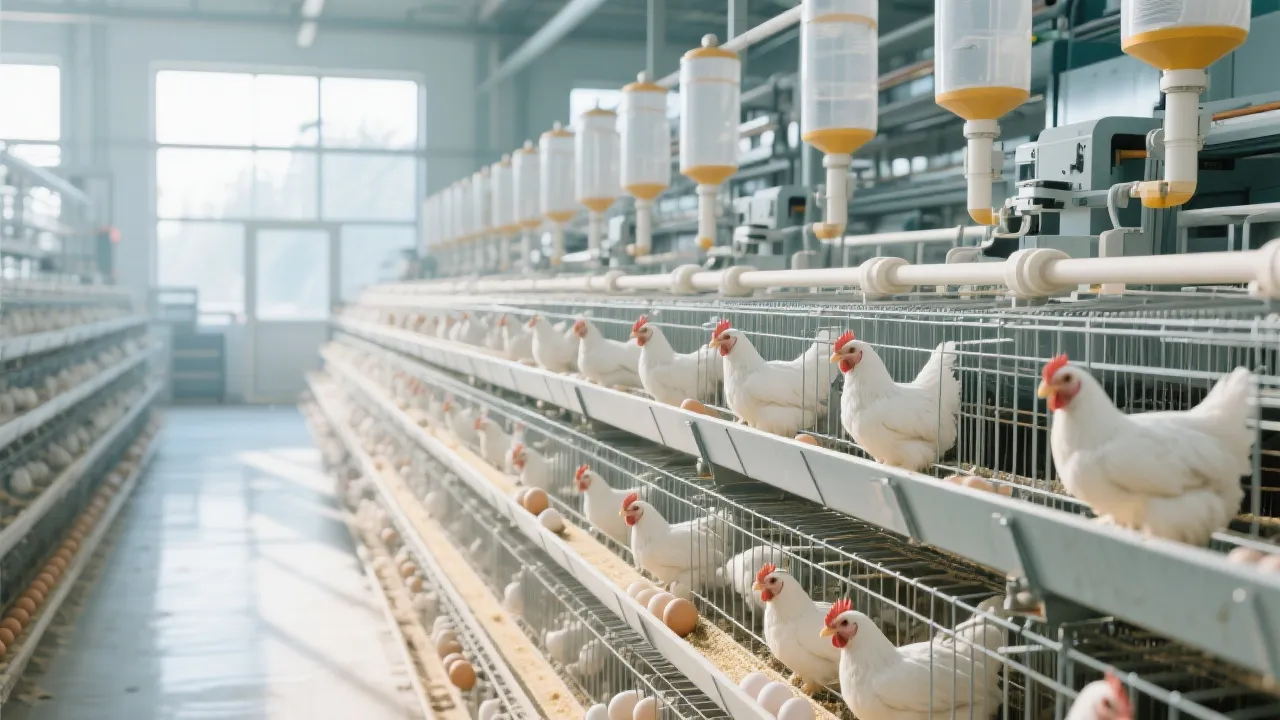
In a modern poultry farm, a poultry cage system is not just the cages. It is an integrated housing and automation system designed to standardize daily work—feeding, watering, manure removal, and (for layers) egg collection—inside a poultry house.
At Zhengzhou Livi Machinery Manufacturing Co., Ltd. (Livi Machinery), we supply fully automated poultry cage equipment and support poultry house planning as a complete solution for layer, broiler, pullet/brooding, and floor-raising projects—helping customers move from layout decisions to installation, training, and stable operation.
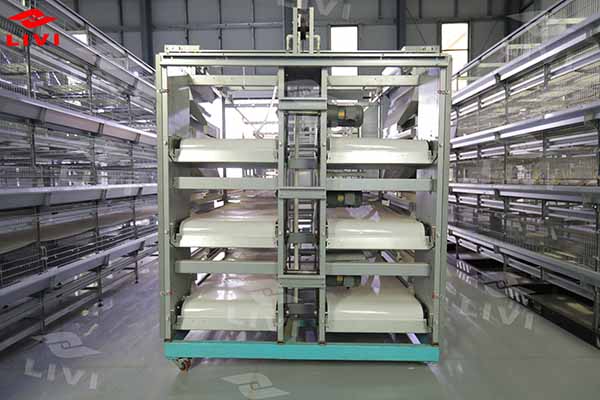
Practical definition: A poultry cage system = cages + supporting automatic poultry equipment + a layout that makes these subsystems work together in one poultry house.
Core Components of a Poultry Cage System
While exact configurations depend on bird type, house size, climate, and automation goals, modern cage solutions typically include the following building blocks:
Cage rows & structure
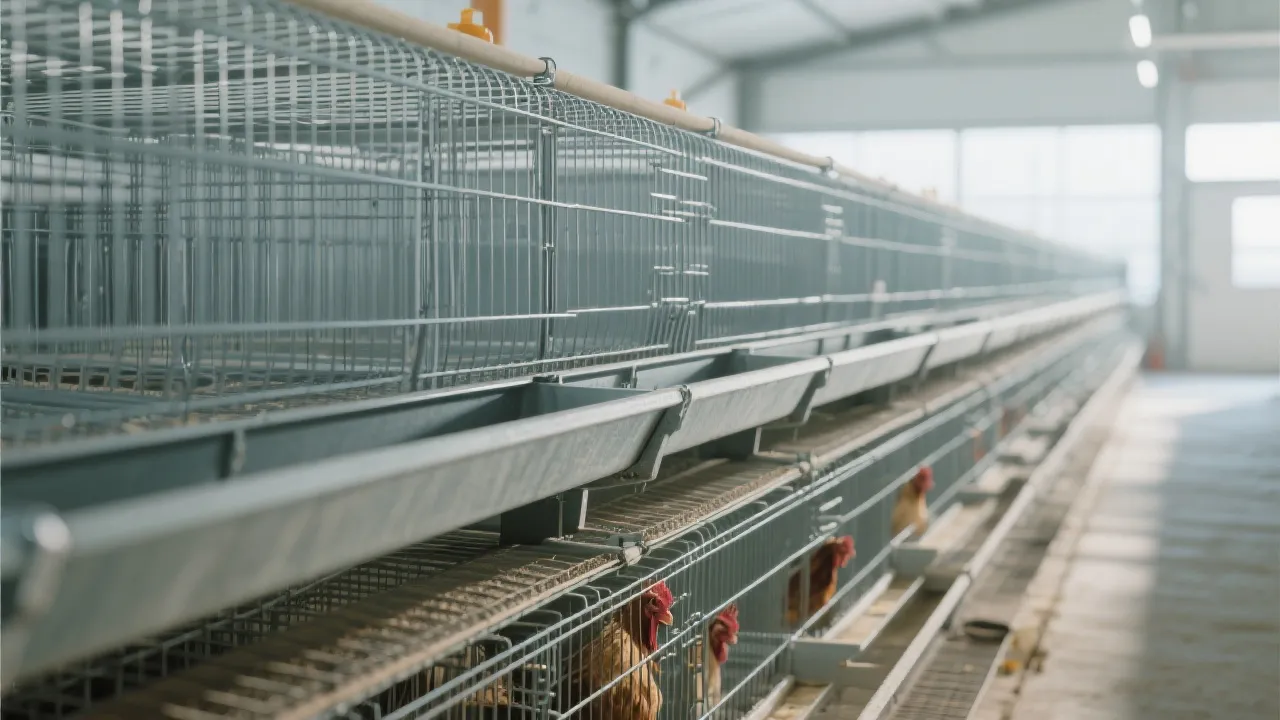
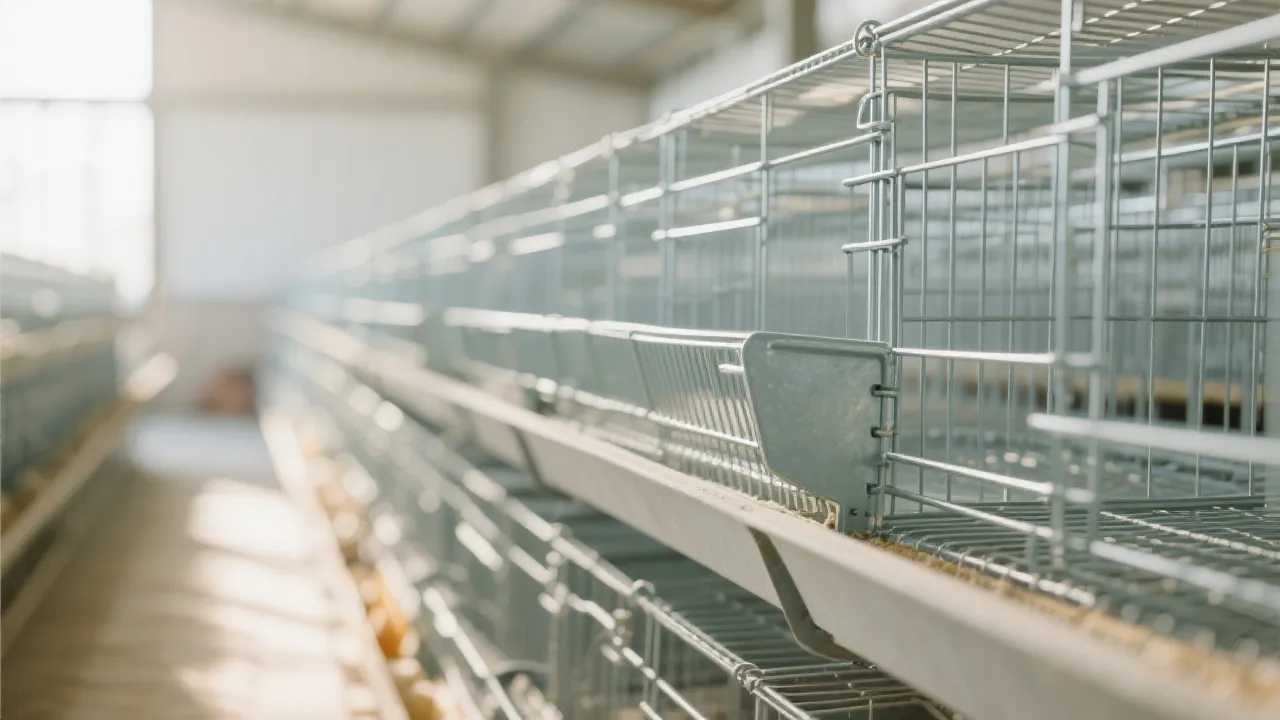
Cage frames, tiers, row spacing, and access corridors. Structure decisions impact capacity, workflow, and maintenance access.
Feeding system (automation-ready)
Feeding lines distribute feed to troughs or pans in a repeatable, controllable process aligned with cage layout.
Drinking system
Nipple drinking lines with filtration and pressure control to help reduce leakage and keep the house drier.
Manure removal
Manure belts/scrapers help move manure out of the house on schedule—supporting hygiene and daily labor reduction.
Egg collection (layers)
For layer cage systems, automatic egg collection supports centralized handling and reduces manual picking workload.
Poultry house environment control
Ventilation and climate equipment (e.g., fans, cooling pads, air inlets) paired with sensors/controllers for more consistent management.
Planning tip: When components are selected independently, mismatches in aisle width, tier height, service routes, or power/water routing can increase rework. A system-level design reduces these risks.
Types of Poultry Cage Systems: Layer vs. Broiler (and Beyond)
“Poultry cage system” often refers to either a layer cage system or a broiler cage system. The correct choice depends on bird category, production goals, and how you want automation to work in the house.
| System type | Typical focus | Automation often integrated | Planning considerations |
|---|---|---|---|
| Layer cage system | Stable laying management and routine standardization | Feeding, nipple drinking, manure removal, egg collection, environment control | Egg handling route, collection layout, aisle widths, service access |
| Broiler cage system | Batch management and labor reduction during grow-out | Feeding, nipple drinking, manure removal, environment control | Stocking/harvest workflow, cleaning/maintenance access, ventilation matching |
| Brooding / pullet cage system | Early-stage stability and easier grouping/transfer | Feeding, drinking, manure removal, heating/insulation as needed | Temperature control, house zoning, bird transfer route |
| Floor raising (non-cage) + automation | Ground management with standardized feeding/watering and climate control | Feeding lines, drinking lines, environment control equipment | Litter/ground conditions, ventilation distribution, equipment routing |
Note: In practice, the same farm may combine different system types across houses (e.g., pullet + layer) based on production planning.
How Automatic Poultry Equipment Works Together in One House
Automation is most effective when it is designed as a process chain rather than separate machines. A typical daily operating logic in a cage house looks like this:
- Feeding: feed is delivered along the planned line route to each row/tier according to schedule.
- Watering: birds drink from nipple lines with regulated pressure and filtration, supporting cleaner conditions.
- Manure removal: belts/scrapers remove manure routinely to reduce humidity and improve hygiene management.
- Egg collection (layers): eggs are gathered and routed for centralized handling in a more organized workflow.
- Environment control: ventilation/cooling/inlets and sensors support consistent house conditions based on local climate needs.
System-level takeaway: A poultry cage system is easier to operate when cage type, automation level, and poultry house layout are designed as one integrated plan.
How to Evaluate a Cage Solution for Poultry House Planning
If you are comparing solutions, focus on fit (house + climate + target production) and operability (how people will run the farm every day). The checklist below is commonly used during planning and procurement discussions:
1) Layout compatibility
- House length/width/height and usable space
- Aisle width and maintenance access
- Row and tier configuration (A-type or H-type where applicable)
2) Automation completeness
- Feeding and drinking line routing
- Manure removal method and schedule feasibility
- Egg collection route (for layer cage systems)
3) Local condition adaptation
- Climate (heat, humidity, cold seasons)
- Power and water supply conditions
- Operational habits and staffing model
4) Delivery & support plan
- Installation guidance and commissioning approach
- Operator training for daily use and maintenance
- Clear equipment list and documentation for internal approvals
Livi Machinery’s Approach: Fully Automated Cage Equipment + Whole Poultry House Solution
Livi Machinery focuses on fully automated poultry cage equipment and whole poultry house solutions that can be implemented on site. For B2B customers building or upgrading farms, we support a practical path from concept to operation—centered on system matching rather than isolated products.
Integrated system design
Cage type selection, automation modules, and maintenance access are planned together to support long-term operability.
Project-oriented delivery
From planning to installation guidance and training—supporting a smoother transition to production startup.
Quality-first manufacturing mindset
Quality control is emphasized from raw material selection through product inspection prior to shipment.
If you are planning a new poultry house or evaluating an upgrade, align the poultry cage system type (layer or broiler), the automatic poultry equipment package, and the house layout early—this is usually where project feasibility and long-term management efficiency are decided.


Hot Products

.jpg?x-oss-process=image/resize,m_fill,h_800,w_800/format,webp)


Popular articles





READY TO START?
Ready to Build Your Poultry Farm?
Tell us your land size, poultry type and farming capacity. LIVI will provide a complete farm solution for your project.