


Pakistan 50,000 Chicks H-Type Pullet Cage System Farming Solution

Pakistan Chicks Farming Project
50,000 Chicks Poultry Farm in Pakistan with H-Type Pullet Cage System
To raise 50,000 chicks in Pakistan, the recommended solution is a fully automatic H-type pullet cage system with automatic feeding, nipple drinking, manure removal, ventilation, cooling pad and environment control. This design is suitable for brooding and pullet rearing before the birds are transferred to layer cages.
50,000 chicks / pullets
Livi H-Type Pullet Cage System
2 houses, about 50m × 12m × 4m each
Uniform growth, labor saving and easier batch control
What Is the Recommended Solution for 50,000 Chicks in Pakistan?
A 50,000 chicks poultry farm in Pakistan should focus on four points: stable temperature, clean drinking water, uniform feeding and fast manure removal. For a commercial pullet-rearing project, cage design affects chick survival rate, body weight uniformity, vaccination management and future laying performance.
Livi Machinery usually recommends an H-type pullet cage layout because it uses vertical space efficiently and can be matched with a closed chicken house, cooling pad, exhaust fans and intelligent control cabinet.

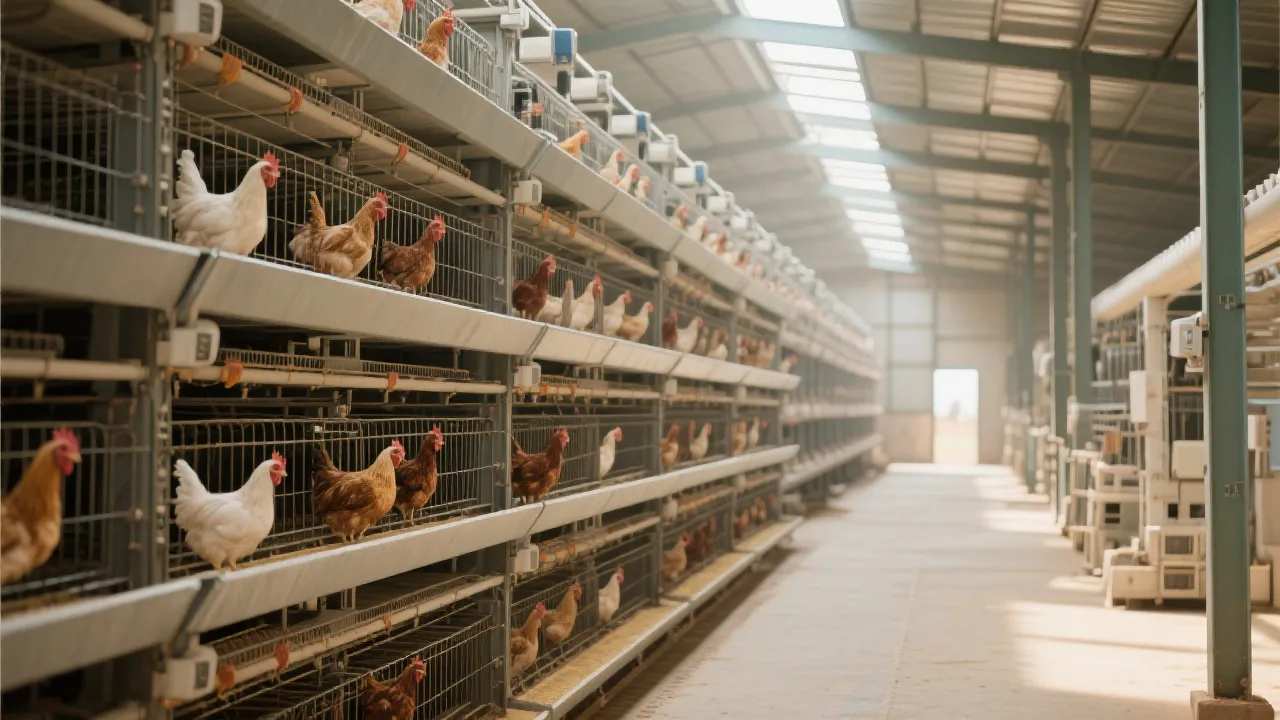
Reference layout for a 50,000 pullets cage farming project with automatic poultry equipment.
Why Choose H-Type Pullet Cages for 50,000 Chicks in Pakistan?
Pakistan has hot summers, dusty air in many regions and high requirements for ventilation control during brooding. Compared with floor brooding, H-type pullet cages make chick observation, manure control, feeding and vaccination easier. The cage system also reduces direct contact between chicks and manure, which helps improve hygiene during the sensitive early growth stage.
For a commercial H type pullet cage system for 50000 chicks, the main value is the ability to keep chicks in a more controllable and cleaner environment from brooding to pullet transfer.
How Many H-Type Pullet Cage Sets Are Needed?
The cage quantity is calculated by the formula: Total chicks ÷ chicks per set = required cage sets. For this Pakistan project, Livi Machinery recommends the H-type pullet cage model with about 208 chicks per set.
How Many Chicken Houses Should Be Built?
For 50,000 chicks, two chicken houses are usually more practical than one large house. A two-house design supports batch separation, easier disease control, better ventilation zoning and lower operational risk if one house needs cleaning or maintenance.
Recommended Layout
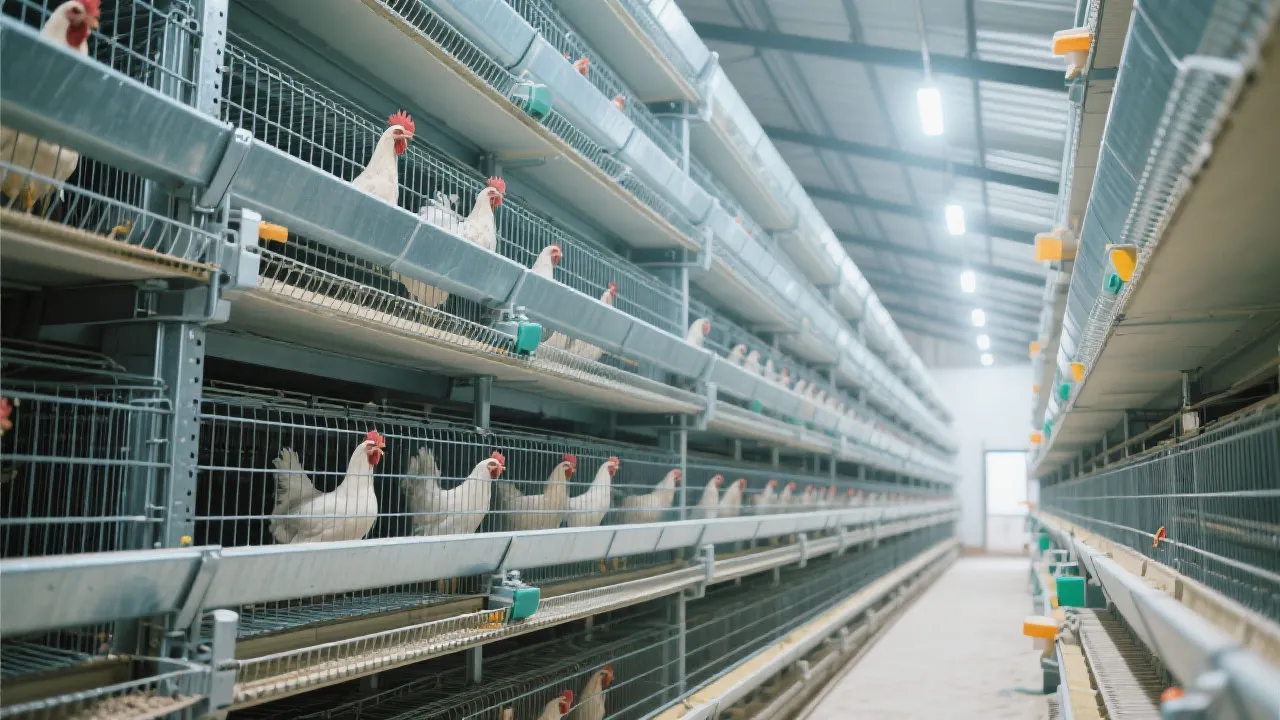
2 houses × about 50m × 12m × 4m each. Each house can place about 124 sets of H-type pullet cages, with automatic feeding, drinking, manure removal and ventilation control.

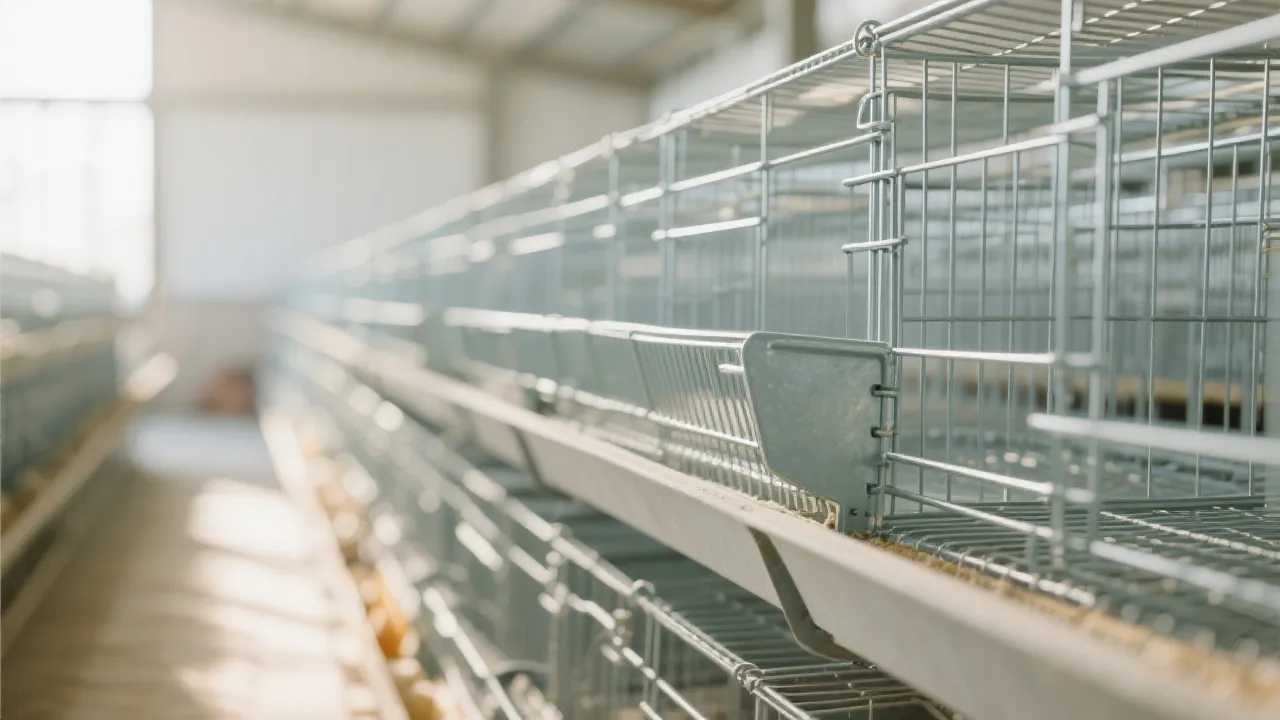
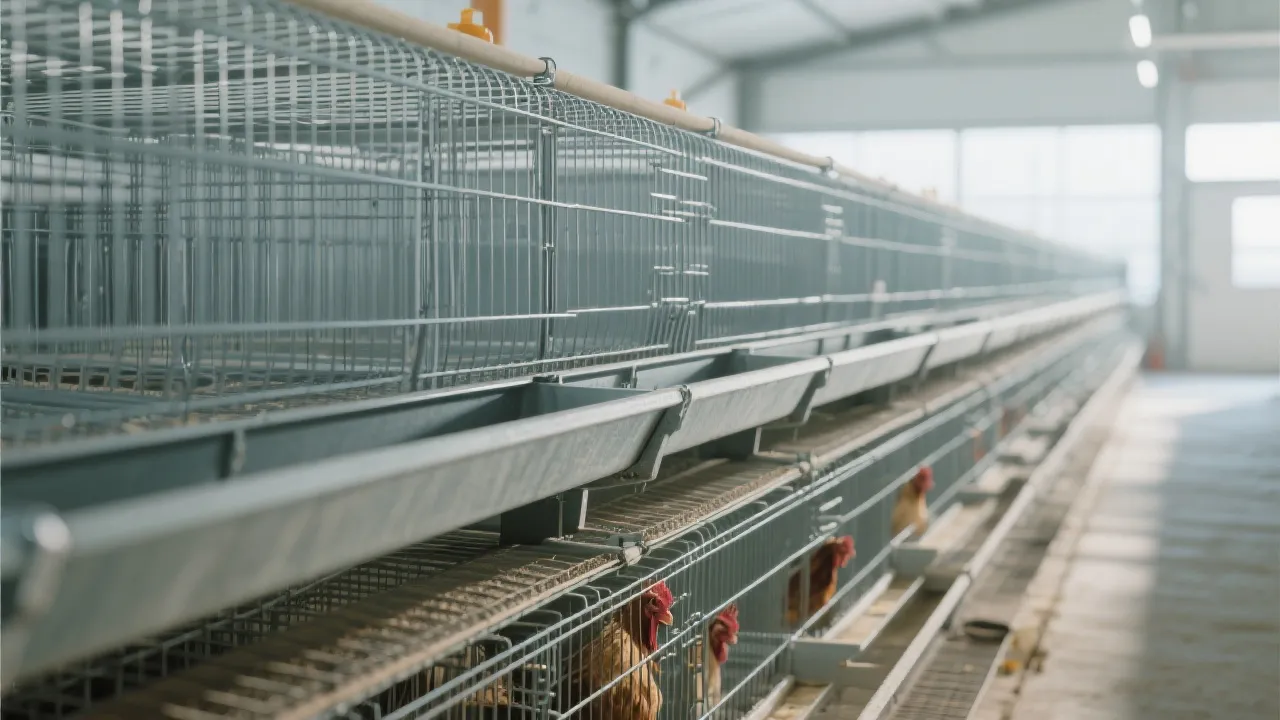
Cage layout reference for poultry house planning and equipment selection.
What Automatic Equipment Is Required for 50,000 Chicks?

Automatic poultry cage equipment reference for feeding, drinking and manure removal layout.
A chick-rearing farm needs a different equipment focus from a layer production farm. Automatic egg collection is not required during chick and pullet rearing. The key equipment should focus on feed supply, water safety, manure removal, temperature control and ventilation precision.
For an automatic chick brooding cage system in Pakistan, Livi Machinery can configure the cage, house layout, feeding line, water line, manure belt and ventilation system as one complete solution.
How Should Ventilation Be Designed for Pakistan Climate?
Pakistan’s climate requires both brooding heat preservation and summer cooling. During the first weeks, chicks need stable temperature and low air speed at bird level. As the birds grow, the system should gradually increase ventilation volume to remove heat, moisture, dust and ammonia.
Brooding Stage
Use minimum ventilation to remove harmful gas while keeping the house warm. Air leakage should be reduced, and heating should be evenly distributed.
Growing Stage
Increase fan operation, improve air exchange and keep body weight uniform. Ventilation should be adjusted by temperature, humidity and bird age.
Hot Season
Use cooling pads and tunnel ventilation to reduce heat stress. Backup power is recommended because ventilation failure is high-risk in hot weather.
How to Build the 50,000 Chicks Farm Step by Step?
- Confirm production target: Decide whether the chicks will be raised to pullets for your own layer farm or sold to other farms.
- Measure land size: Record land length, width, road access, power supply and water source.
- Choose house quantity: For 50,000 chicks, two houses are recommended for batch management.
- Design cage layout: Match cage rows, house width, aisles, manure outlet and feed silo location.
- Configure automation: Add automatic feeding, drinking, manure removal, ventilation, cooling and controller.
- Install and test equipment: Test feed delivery, water pressure, manure belt, fans, cooling pads and alarms before chick placement.
- Start batch operation: Follow temperature, feeding, lighting, vaccination and cleaning SOP from day 1.
A professional poultry farm layout for pullet rearing should be completed before civil construction starts. This avoids wrong column positions, narrow aisles, poor ventilation layout and later equipment installation problems.
How Much Does a 50,000 Chicks Poultry Farm Cost?
The total cost depends on cage model, automation level, chicken house type, local construction cost, shipping, installation and ventilation requirements. For Pakistan projects, the largest cost differences usually come from steel structure house design, cooling system configuration and whether the farm uses full automation or semi-automation.
What Is the Daily Operation SOP for 50,000 Chicks?
Daily management decides whether the equipment value can be fully used. For a 50,000-chick farm, the SOP should focus on temperature, water, feed, mortality, manure, ventilation and vaccination records.
FAQ About 50,000 Chicks Poultry Farm in Pakistan
How many workers are needed for 50,000 chicks?
With a full automatic cage system, a 50,000-chick farm usually needs about 3–5 workers for daily operation, depending on house quantity and management level. Workers mainly check feed, water, temperature, manure belts, chick health and records.
Is H-type pullet cage better than A-type cage?
For 50,000 chicks, H-type pullet cages are usually more suitable because they provide higher density, better land saving and easier automatic manure removal. A-type cages can work for smaller farms or farms with lower investment budgets.
What chicken house size is recommended?
A practical recommendation is two chicken houses of about 50m × 12m × 4m each, with 4 cage rows and about 124 cage sets per house. The final house size should be confirmed after checking cage model, aisle width and ventilation design.
Is automatic egg collection needed for chick rearing?
No. Automatic egg collection is used for laying hen farms, not for chick or pullet rearing farms. For this 50,000-chick project, the priority systems are automatic feeding, nipple drinking, manure removal, ventilation, cooling and environment control.
What information is needed before farm design?
Before making a design, Livi Machinery needs the target chick quantity, land size, planned house quantity, chick age range, local temperature, power condition, water source, automation requirement and whether the farm will expand later.
Get a Customized 50,000 Chicks Farm Design for Pakistan
If you are planning to build a 50,000 chicks or larger pullet-rearing farm in Pakistan, Livi Machinery can provide customized cage layouts, automatic equipment configuration, chicken house planning, ventilation design and installation guidance according to your land size, climate and investment plan.
automatic poultry equipment configuration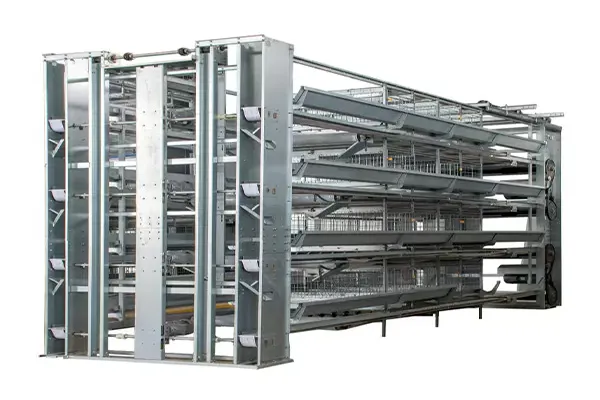


Hot Products

.jpg?x-oss-process=image/resize,m_fill,h_800,w_800/format,webp)


Popular articles




READY TO START?
Ready to Build Your Poultry Farm?
Tell us your land size, poultry type and farming capacity. LIVI will provide a complete farm solution for your project.