


One-Stop Poultry Farming Equipment Solution: End-to-End Delivery from Poultry House Design to Installation
In overseas commercial chicken projects, a one-stop poultry farming equipment solution is not a single product—it is an end-to-end delivery model that connects poultry house planning, equipment configuration, manufacturing, installation, commissioning, and basic post-delivery support into one coordinated scope.
This page explains what “one-stop” means in practice—so farm owners, EPC/project contractors, and investors can clearly understand what is included, how the delivery chain works, and where the service boundaries are.
Provider
Zhengzhou Livi Machinery Manufacturing Co., Ltd.
Livi Machinery
- Integrated manufacturing + trade (B2B)
- Focus: poultry farming equipment since 2013
- Global delivery: direct shipment, local production, overseas warehouse, local distribution
What “One-Stop” Means (and What It Does Not)
One-stop typically includes:
- Poultry house planning and layout guidance based on production target and site conditions
- Equipment selection & configuration (cage systems + automation + poultry house accessories)
- Manufacturing and quality inspection before shipment
- Delivery coordination and packing for overseas logistics
- Installation & commissioning support (scope depends on project model)
- Handover with basic operation guidance and after-delivery communication
One-stop is not automatically:
- Civil construction or full building works (unless separately agreed)
- Unlimited on-site labor or open-ended timeline
- A guarantee of farm profitability or performance outcomes
Clear boundaries help reduce misunderstandings between farm owners, contractors, and equipment suppliers—especially across countries and time zones.
End-to-End Delivery Flow: From Poultry House Design to Installation
What Equipment Is Commonly Covered in One-Stop Poultry Projects
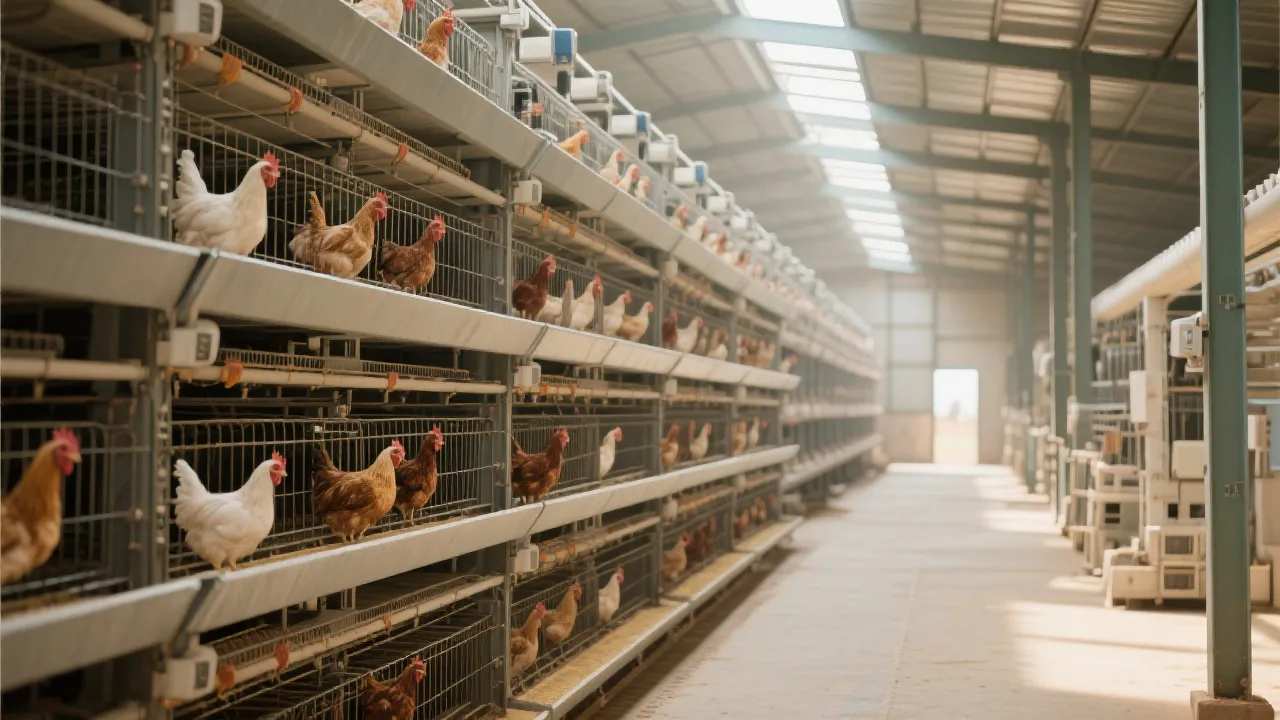
Livi Machinery’s one-stop delivery typically revolves around a complete poultry farming equipment set that supports the full farming process—from brooding to grow-out or egg production—depending on your project type.
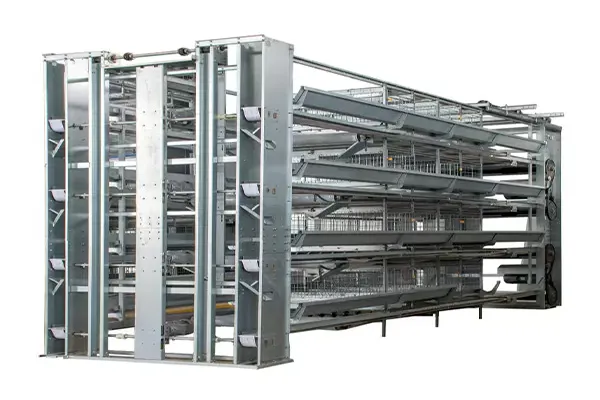
Cage systems
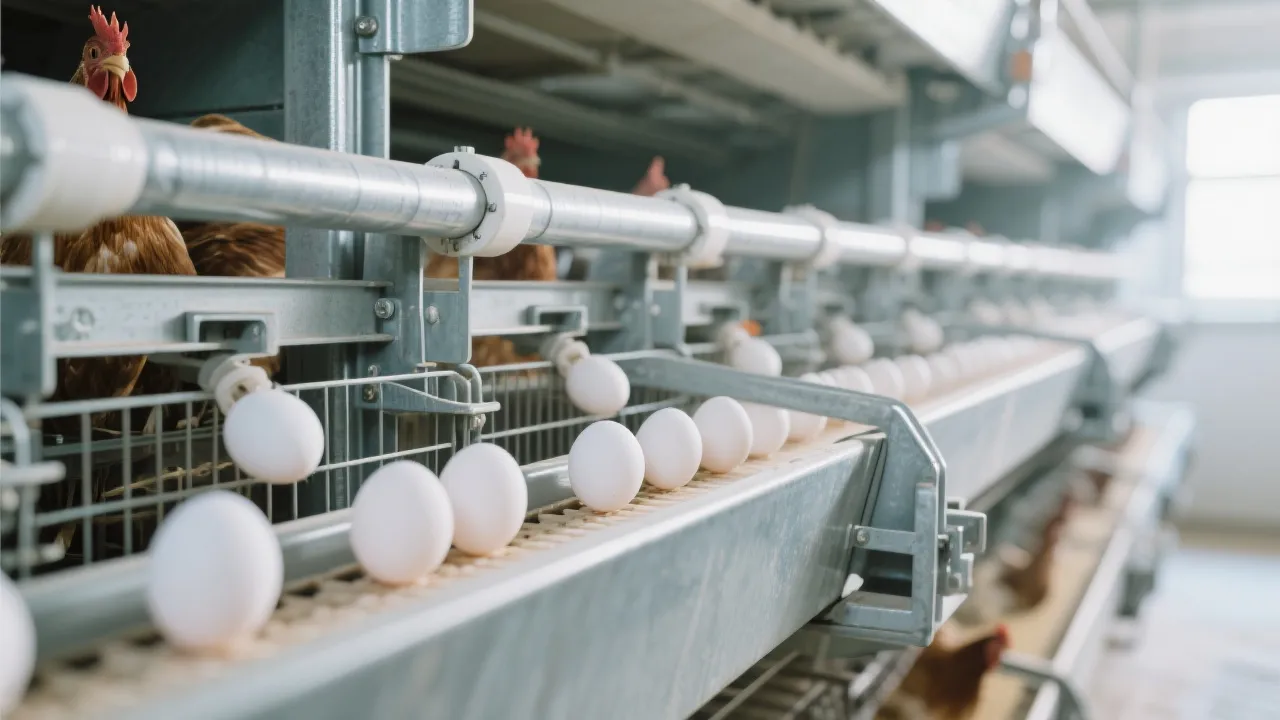
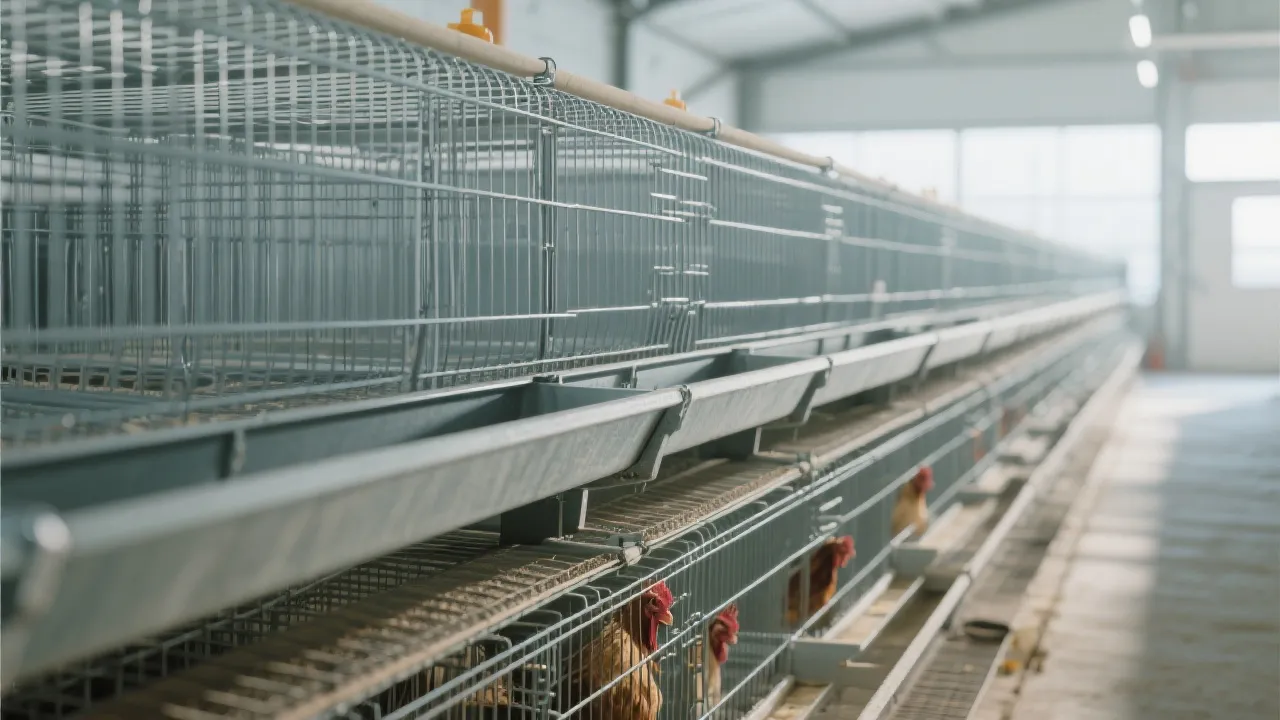
- layer cages
- Broiler cages
- Brooding cages
Automation & poultry house equipment
- Automatic poultry equipment modules (configured per project)
- Poultry house supporting equipment
- Hatchery equipment (incubators) when applicable
Note: final scope depends on bird type, local climate, building conditions, and required automation level.
Delivery Models for Overseas Customers
Because commercial chicken projects differ by country and procurement method, one-stop poultry equipment delivery can be executed through multiple fulfillment options:
| Fulfillment option | Typical use | What it helps with |
|---|---|---|
| Direct shipment | Standard overseas procurement | Cost clarity and centralized production |
| Local production | Markets with localization needs | Lead-time control and local adaptation (as applicable) |
| Overseas warehouse | Faster supply requirement | Shorter delivery window for selected items |
| Local distribution | Channel-based purchasing | Local service coordination and procurement convenience |
Livi Machinery supports multiple sales paths including key-account direct sales, platform-based procurement, independent website inquiries, and channel distribution—so projects can match local buying habits and execution requirements.
Who This One-Stop Solution Fits Best
Farm owners & investors
- Need one accountable delivery logic from planning to installation
- Prefer clear configuration and scope for budgeting and scheduling
Project contractors / EPC teams
- Need stable interfaces for equipment, installation, and handover
- Want to reduce coordination across multiple suppliers
Growing farms upgrading automation
- Moving toward scale and standardized management
- Seeking lower labor reliance through automation modules
Why Customers Ask for “One-Stop” in Poultry Equipment Procurement
- Consistency: poultry house design and equipment layout align, reducing rework risks.
- Coordination: fewer supplier interfaces for timelines, packing, and installation readiness.
- Clarity: a defined delivery chain helps manage expectations for overseas projects.
- Scalability: supports the move toward standardized, large-scale commercial farming.
Livi Machinery’s one-stop idea is simple: from poultry house planning to equipment installation, keep the process connected and the scope explicit—so overseas customers can execute projects with fewer uncertainties.
How Livi Machinery Supports Project Delivery
Engineering-minded planning
As an integrated manufacturing and trade company, Livi Machinery aligns planning and equipment details early—so the poultry house design logic matches installation and operation realities.
Quality-first manufacturing discipline
Quality control is applied from raw material selection to pre-shipment inspection, aiming for durable equipment suitable for long-term commercial farm operation.
Global project experience (without overpromising)
Since 2013, Livi Machinery has served customers across 70+ countries and visited 1,000+ farms. This helps the team communicate practical installation and operation considerations for different markets (Africa, the Middle East, Southeast Asia, South America, Central Asia, and more), while keeping project scope realistic.
What to Prepare Before Requesting a One-Stop Proposal
To speed up poultry house design and equipment configuration, prepare the key inputs below. Clear inputs help generate a more accurate one-stop delivery plan.
- Location & climate basics (temperature range, ventilation preference, power conditions)
- Bird type and capacity target (layers/broilers/chicks; planned stocking scale)
- Site information (land size, building constraints, local regulations if applicable)
- Automation expectation (labor availability and management style)
- Preferred delivery model (direct shipment/local production/overseas warehouse/local distribution)
If you are an overseas customer working with a local contractor, sharing the same project inputs with both parties can help align the poultry house design and installation plan.
Talk to Livi Machinery About Your Turnkey Delivery Scope
Whether you are building a new poultry farm or upgrading an existing facility, a one-stop poultry farming equipment solution works best when scope, interfaces, and responsibilities are defined early—especially for cross-border delivery.
Share your capacity target and site basics, and Livi Machinery can help clarify the end-to-end delivery logic—from poultry house design to poultry equipment installation—based on your project model and local conditions.



Hot Products

.jpg?x-oss-process=image/resize,m_fill,h_800,w_800/format,webp)


Popular articles




READY TO START?
Ready to Build Your Poultry Farm?
Tell us your land size, poultry type and farming capacity. LIVI will provide a complete farm solution for your project.