


Nigeria 100000 Layers H Type Layer Cage System Full Automatic Poultry Farm Solution

Nigeria 100,000 Layers Project Solution
100,000 Layers Poultry Farm in Nigeria With Fully Automatic H-Type Layer Cage System
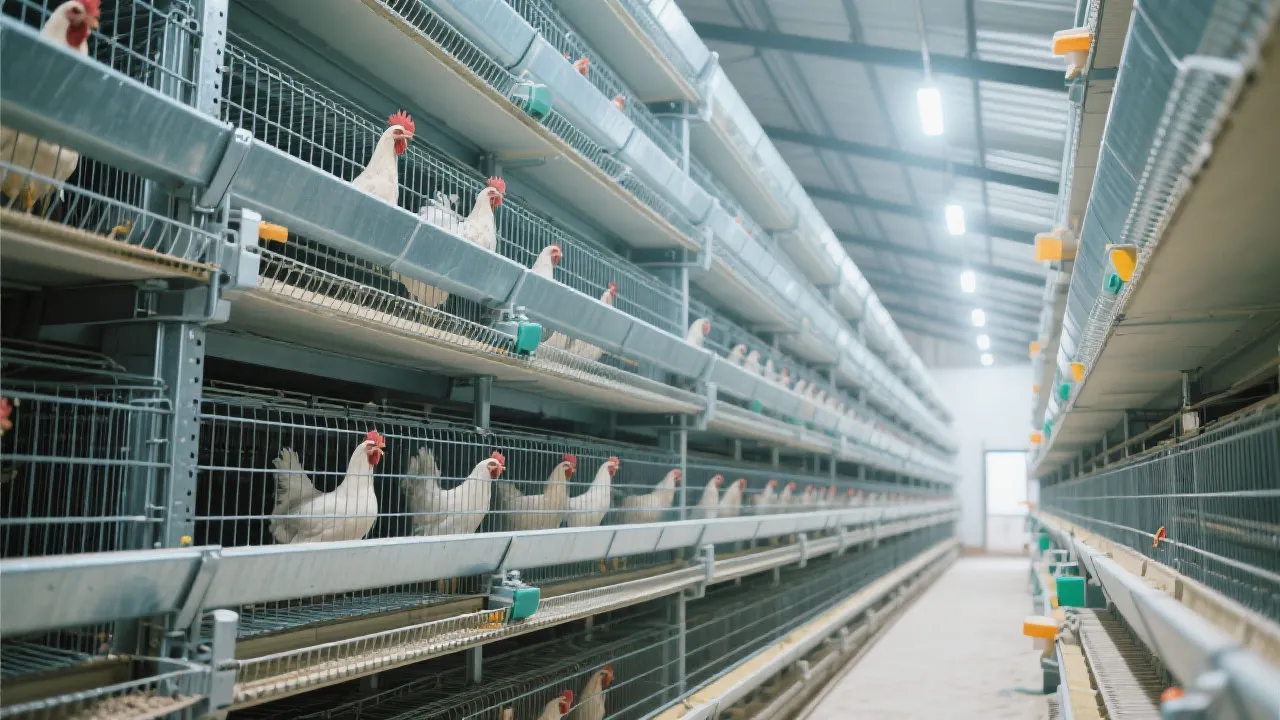
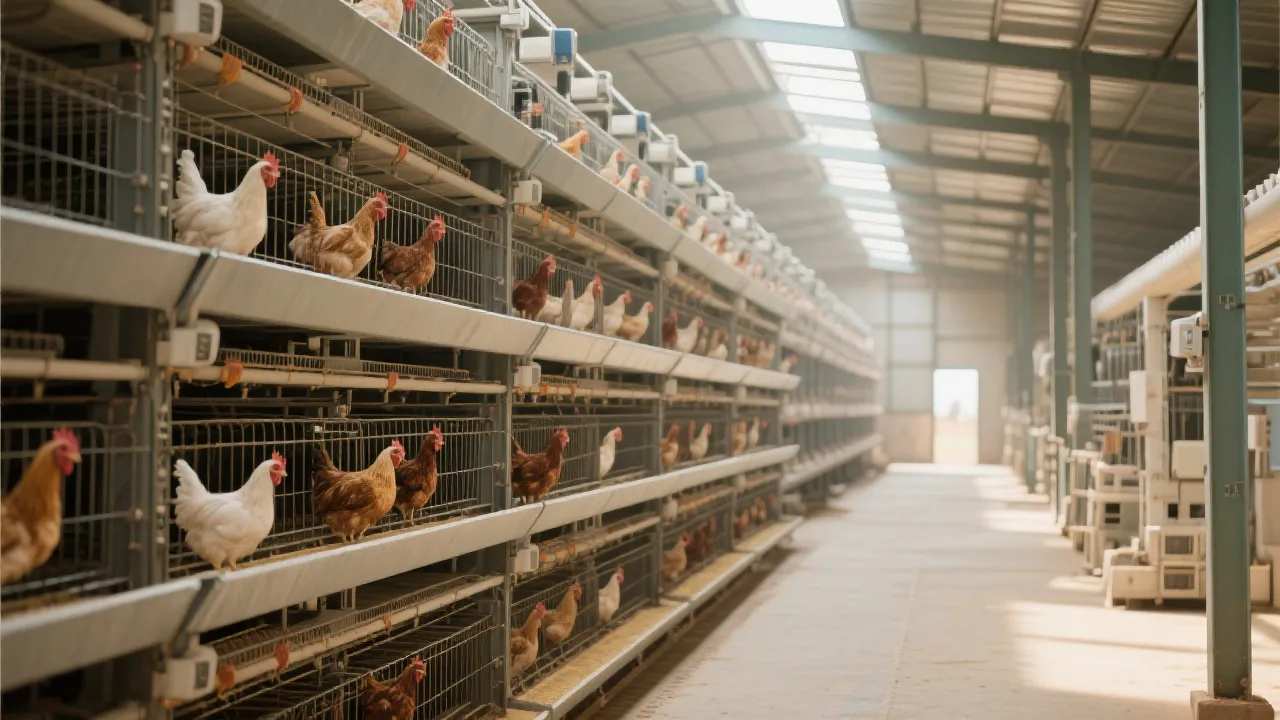
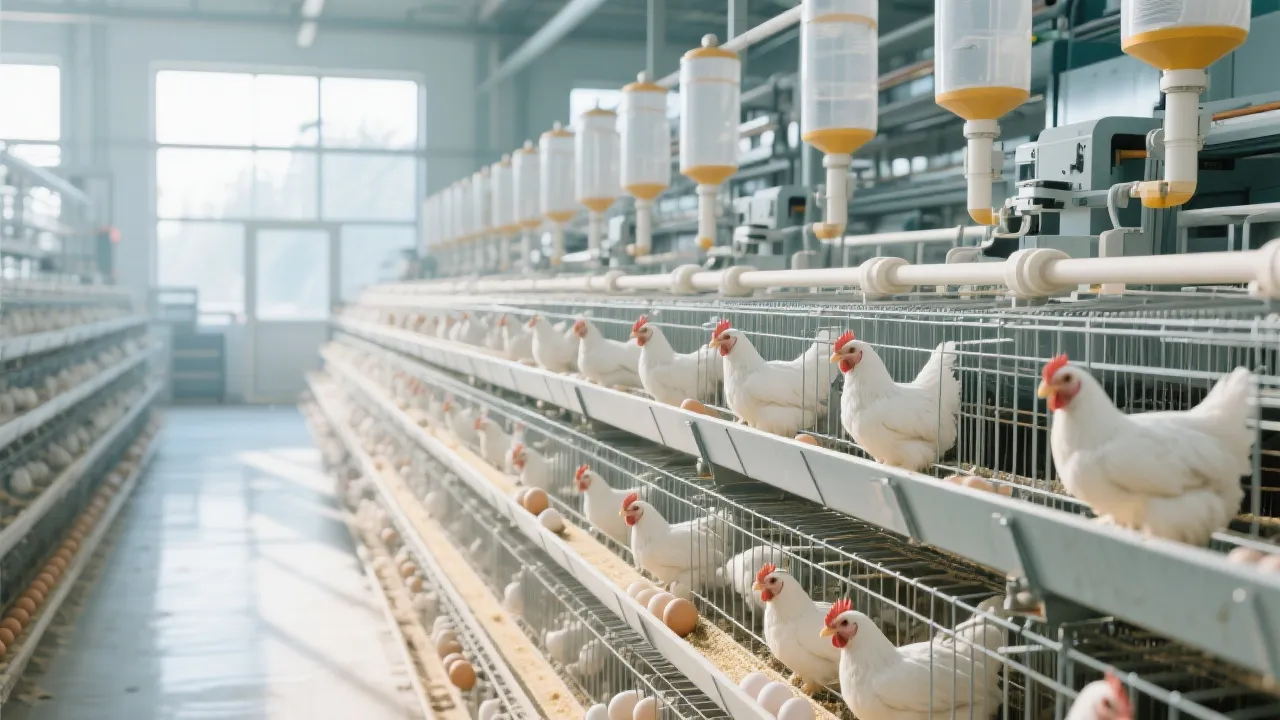
To build a 100,000 layers poultry farm in Nigeria, the recommended solution is a fully automatic H-type layer cage system with automatic feeding, nipple drinking, belt manure removal, automatic egg collection, cooling pad ventilation, and intelligent environment control.
For a large commercial egg production farm, Livi Machinery recommends using the Livi H-Type Cage System because it saves land, reduces labor, improves daily management efficiency, and supports stable egg collection for high-density layer farming.
Farm Capacity
100,000 layers
Recommended Cage
4-tier H-type layer cage
Automation Level
Full automatic system

What Is the Recommended Solution for a 100,000 Layers Farm in Nigeria?
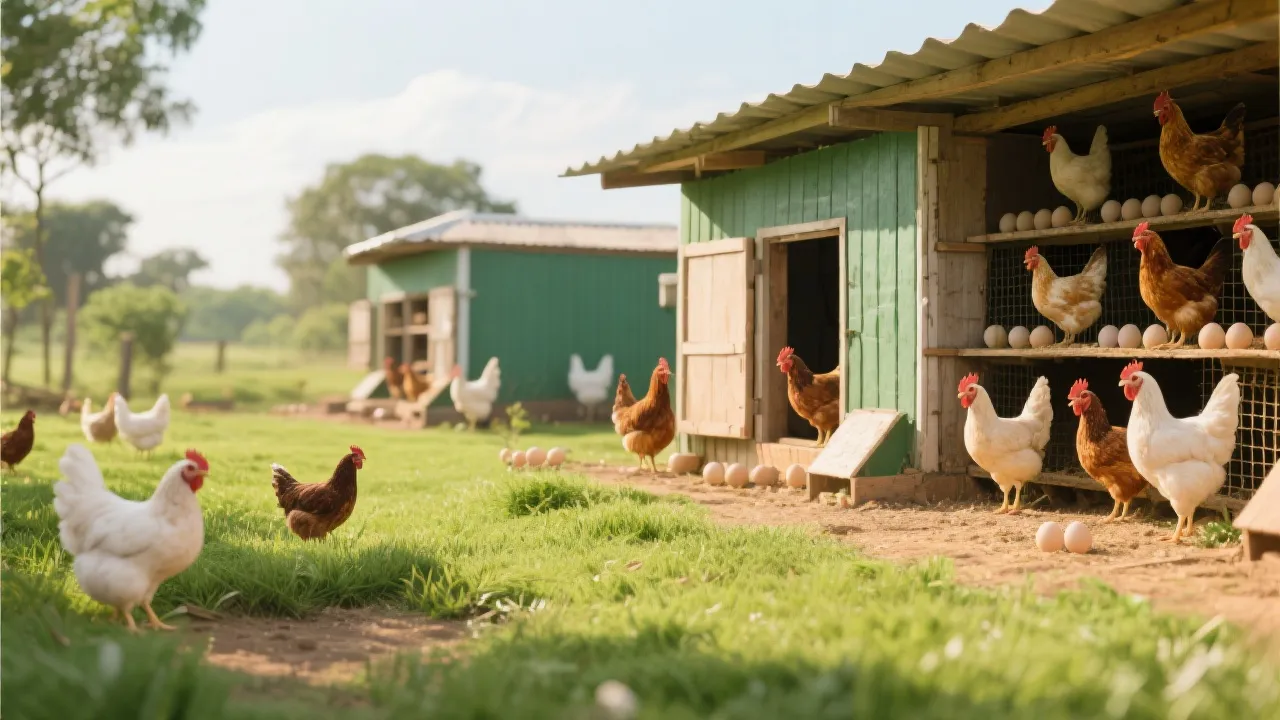
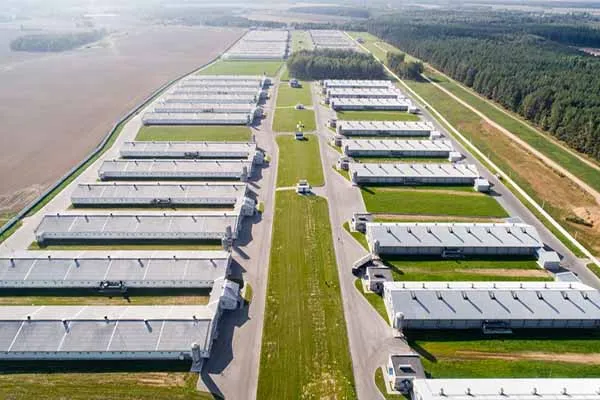
The recommended solution is to divide the project into two closed chicken houses, each designed for about 50,000 layers. Each house can use 4-tier H-type layer cages, automatic feeding lines, nipple drinking lines, belt manure removal, egg collection equipment, exhaust fans, cooling pads, side air inlets, and an environment controller.
This layout is suitable for a 100,000 layers poultry farm in Nigeria because it balances land use, ventilation performance, construction cost, and daily operation efficiency.
Why Choose H-Type Layer Cages for 100,000 Layers in Nigeria?
For 100,000 layers, H-type cages are more suitable than A-type cages because they provide higher stocking density and better compatibility with automatic egg collection and belt manure removal. This is important for Nigerian commercial farms that want to reduce land use and control labor costs.
How Many H-Type Cage Sets Are Needed for 100,000 Layers?
Using the Livi 4-tier 4-door H-type layer cage, each set can raise 192 layers. The basic calculation is: Total Birds ÷ Birds Per Set = Required Cage Sets.
100,000 layers ÷ 192 birds/set ≈ 521 sets
For project planning, 522 sets are recommended, with a designed capacity of about 100,224 layers.
How Many Chicken Houses Should Be Built?
For a 100,000 layers project in Nigeria, two closed chicken houses are recommended. Each house can raise about 50,000 layers. This design makes ventilation easier to control and reduces production risk compared with putting all birds in one very large house.
The final Livi Poultry Farm Layout Solution should be adjusted according to land width, road access, egg room position, manure discharge direction, water source, electricity supply, and future expansion area.
What Automatic Equipment Is Required for This Project?
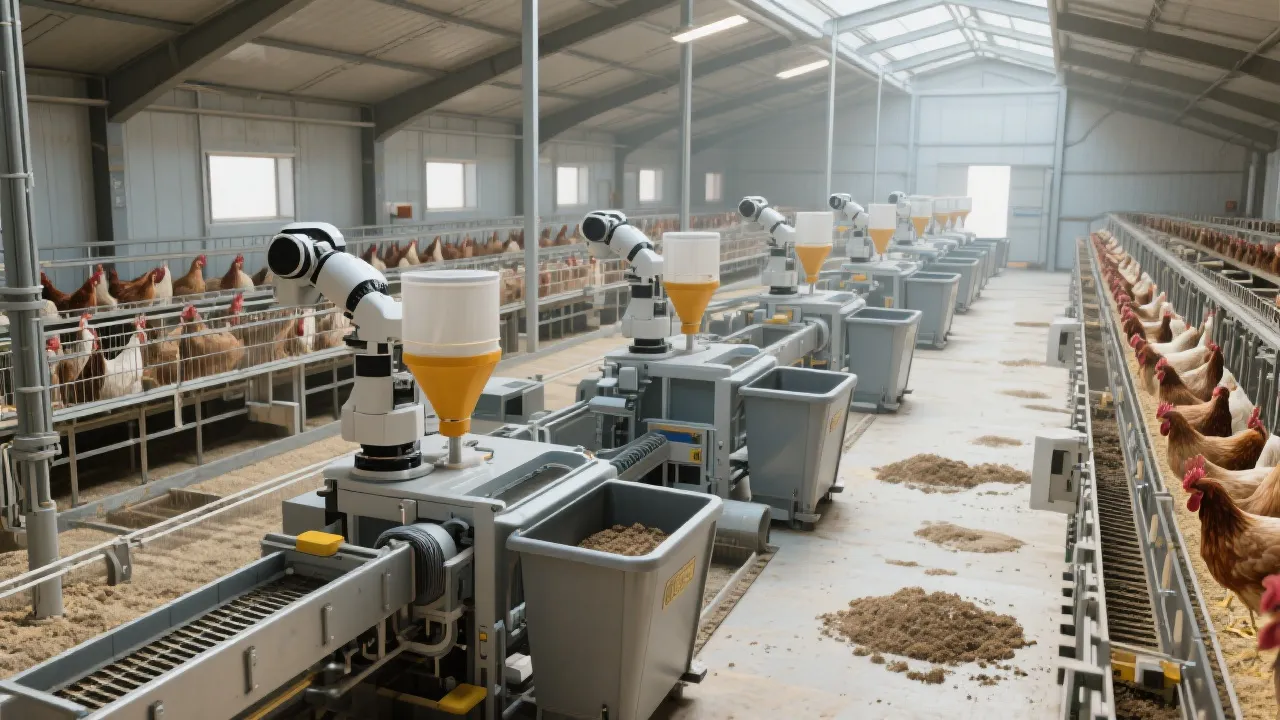
A 100,000-layer farm should not rely on manual feeding, manual manure cleaning, or manual egg collection. The recommended automatic poultry equipment configuration includes feeding, drinking, manure removal, egg collection, ventilation, cooling, lighting, and environment control.
For investors planning an automatic poultry farm design in Nigeria, these systems should be planned together before house construction to avoid later modification costs.

How Should Ventilation Be Designed for Nigeria Climate?
Nigeria has many hot and humid regions, so ventilation should be designed before cage installation. The Livi Ventilation Design Standard usually combines negative-pressure ventilation, cooling pads, exhaust fans, side air inlets, and automatic sensors.
Key Ventilation Goals
- Remove heat and moisture from the chicken house.
- Reduce ammonia concentration from manure.
- Maintain stable airflow across cage rows.
- Reduce heat stress during hot seasons.
Recommended Equipment
- Cooling pads at one end or side of the house.
- Exhaust fans installed according to house length.
- Air inlet windows for controlled fresh air supply.
- Automatic controller for fan and cooling pad operation.

How to Build the Farm Step by Step?
A 100,000-layer farm should be built through a systematic process rather than purchasing cages first. The layout, civil work, electricity, water system, ventilation direction, egg room, manure handling area, and future expansion area should be confirmed before production.
- Confirm land size, climate, power supply, and target capacity.
- Choose the cage model and calculate required cage sets.
- Design chicken house size, cage rows, service aisles, and egg room.
- Prepare civil foundation, drainage, and equipment reserved points.
- Install cages, feeding system, drinking system, manure system, and egg collection system.
- Install fans, cooling pads, air inlets, lighting, and controller.
- Test equipment operation before placing birds.
- Train workers for daily feeding, inspection, egg handling, and maintenance.
How Much Does a 100,000 Layers Poultry Farm Cost in Nigeria?
The cost depends on cage model, automation level, chicken house structure, ventilation standard, local civil construction cost, transport cost, installation method, and whether the project includes feed storage, egg room, manure treatment, generator, or solar power.
Before quoting an H type layer cage system for 100000 chickens, Livi Machinery usually needs the land size, house drawings, target automation level, bird age, local temperature range, and whether the customer needs chicken house design.
What Is the Daily Operation SOP for a 100,000 Layers Farm?
A large-scale farm should use a fixed daily SOP. The purpose is to keep feeding, water supply, egg collection, manure removal, ventilation, and equipment inspection stable every day.
FAQ About Nigeria 100,000 Layers Automatic Poultry Farm
How many workers are needed for 100,000 layers?
With full automation, a 100,000-layer farm usually needs fewer workers than a manual farm. The exact number depends on management level, egg grading, manure handling, feed storage, and biosecurity requirements. In most designs, workers focus on inspection, egg handling, equipment monitoring, cleaning, and records instead of carrying feed or collecting eggs manually.
Is H-type cage better than A-type cage for this project?
Yes. For 100,000 layers, H-type cages are more suitable because they support higher stocking density, better space utilization, automatic egg collection, and belt manure removal. A-type cages are more commonly used for small and medium farms, while H-type cages are more suitable for commercial egg production at 30,000 to 300,000+ layers.
How many cage sets are needed?
If the farm uses 4-tier 4-door H-type layer cages with 192 birds per set, about 522 cage sets are recommended for 100,000 layers. The final quantity may be adjusted according to house length, row layout, service aisle width, egg conveyor position, and whether the customer wants a small capacity reserve.
Is automatic egg collection necessary?
For 100,000 layers, automatic egg collection is strongly recommended. Manual collection requires more labor, takes more time, and increases egg handling risk. The Livi Automatic Egg Collection System can collect eggs from cage rows and transfer them to a central line, improving efficiency and supporting standardized daily egg records.
What information is needed before farm design?
Before designing a commercial egg production farm layout, Livi Machinery needs the land size, planned capacity, house quantity, local climate, power condition, water source, target automation level, manure discharge direction, and whether future expansion is required. These details help avoid design changes during construction.
Need a 100,000 Layers Poultry Farm Design for Nigeria?
If you are planning to build a 10,000–100,000+ layers poultry farm in Nigeria, Livi Machinery can provide customized cage layouts, automatic equipment configuration, chicken house planning, ventilation design, and installation guidance according to your land size, climate, and investment plan.
The solution can include Livi H-Type Cage System, Livi A-type layer cage, Livi Automatic Egg Collection System, Livi Poultry Farm Layout Solution, and Livi Ventilation Design Standard for commercial egg production.
automatic poultry equipment configuration




Hot Products

.jpg?x-oss-process=image/resize,m_fill,h_800,w_800/format,webp)


Popular articles



READY TO START?
Ready to Build Your Poultry Farm?
Tell us your land size, poultry type and farming capacity. LIVI will provide a complete farm solution for your project.