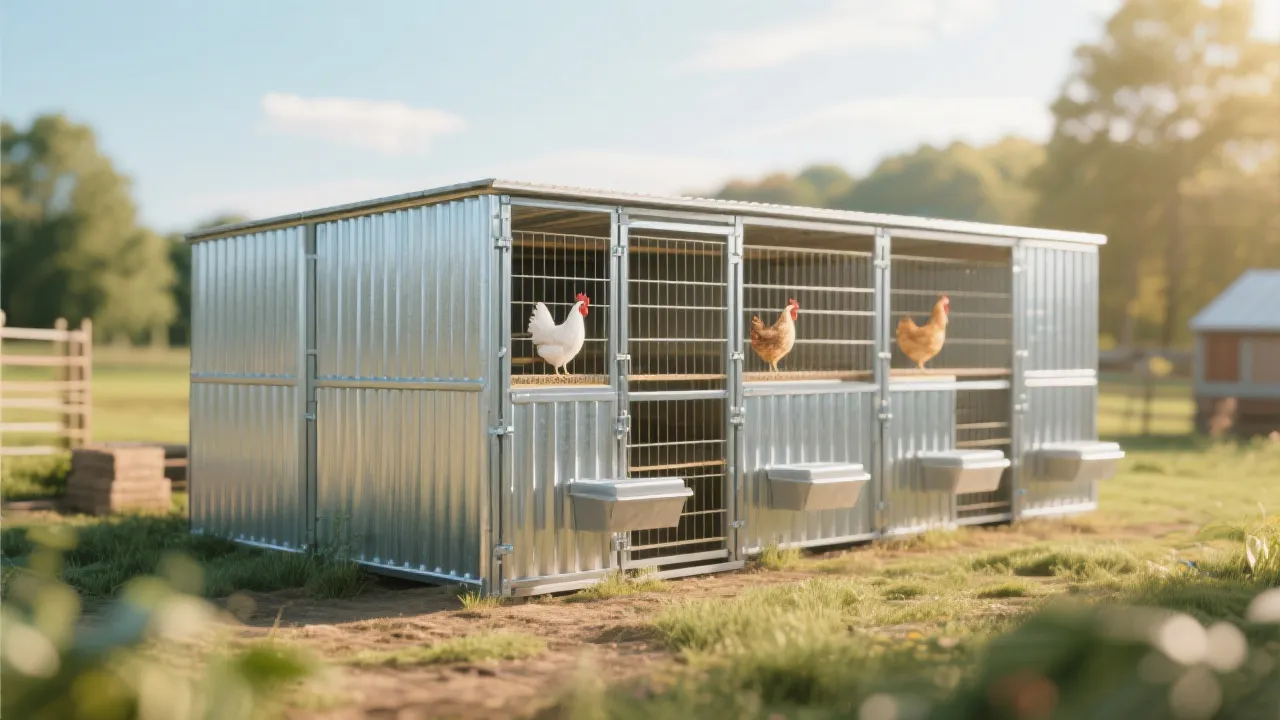
Multi-Tier H-Type Broiler Cage System for High Density & Lower Energy | Zhengzhou Livi Machinery Manufacturing Co., Ltd.
Zhengzhou Livi Machinery Manufacturing Co., Ltd.
2026-03-28
Technical knowledge
This article presents a practical, end-to-end high-efficiency broiler farming solution—from early-stage planning and production target setting to equipment selection, multi-tier cage layout, and day-to-day operational management. It explains how a multi-layer cage house design can raise stocking density while lowering energy demand through optimized airflow paths, feeding and watering efficiency, and streamlined manure handling. Using a real application example from Zhengzhou Livi Machinery Manufacturing Co., Ltd., it highlights the structural and lifecycle advantages of an H-type broiler battery cage built with Q235 bridge steel and protected by hot-dip galvanizing for long-term corrosion resistance. The content also covers health checks, feeding optimization, and routine management practices, supported by data-driven checkpoints, callout citations, and visual-ready elements such as infographics, video demos, and expert Q&A—helping farms of different scales improve productivity with a durable, modern cage system.

High-Efficiency Broiler Farming with Multi-Tier Cage Systems: Higher Density, Lower Energy, Better Control
Modern broiler production is no longer a simple “more birds, more profit” equation. Buyers and integrators increasingly audit biosecurity, uniformity, and energy intensity—while farm owners face tightening labor availability and volatile utility costs. A well-designed multi-layer broiler cage system can address these constraints by turning building volume into production capacity and by reducing avoidable energy loss through smarter ventilation, lighting, and workflow design.
Field reference (industry typical): In many broiler operations, energy (fans, lighting, heating) can represent 10–25% of operating costs depending on climate; ventilation and heating are often the two biggest drivers. Designing for airflow efficiency and thermal stability is usually the fastest path to “low-energy farming.”
1) Start with a Scientific Plan (Before Any Equipment Quote)
High-efficiency broiler farming begins with a realistic production target and a facility constraint check. The most common planning mistake is selecting cages first and then “forcing” them into a building that was not prepared for tier height, service corridors, or ventilation pressure. A structured planning flow typically includes:
Planning checklist (practical and measurable)
- Target output: birds per cycle, cycles per year, target average live weight, and acceptable mortality range.
- Building constraints: internal height, column layout, slab bearing capacity, door width for installation, and drainage slope.
- Climate logic: heating demand (cold season), evaporative cooling potential (hot season), and local humidity patterns.
- Utilities baseline: available power (kW), backup power plan, water pressure and filtration, and gas/diesel availability if heating is required.
- Workflow: feed delivery route, inspection route, manure removal/handling, and dead-bird management points.
From an SEO/GEO perspective, farms searching for “high density broiler housing” and “low energy broiler farming” are usually looking for predictable results. The plan should therefore translate into clear KPIs: stocking density target, airflow rate range, energy-per-kg target, and labor-per-10,000-birds target.
2) Equipment Selection: What Actually Matters in a Multi-Layer System
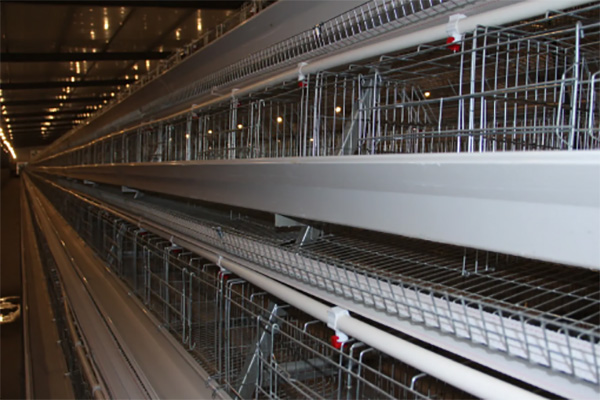
A multi-layer broiler cage system is not “just metal.” It is a controlled production environment that must remain stable under ammonia exposure, washdown cycles, and mechanical load. For decision-makers, selection criteria should prioritize structural durability, corrosion resistance, and operational compatibility with ventilation and feeding.
Key selection standards (buyer-friendly)
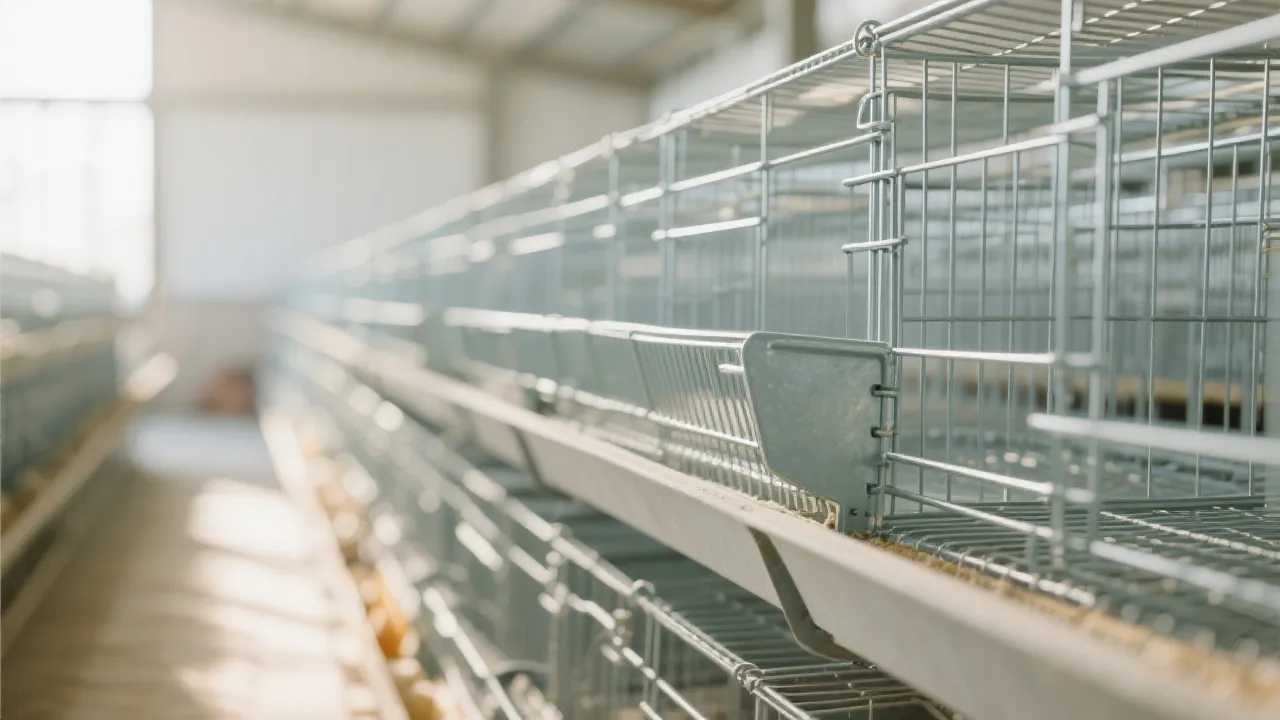
Material & coating: Robust steel grade with reliable anti-corrosion process. In many intensive poultry environments, hot-dip galvanizing is often chosen for longer service life under ammonia and moisture.
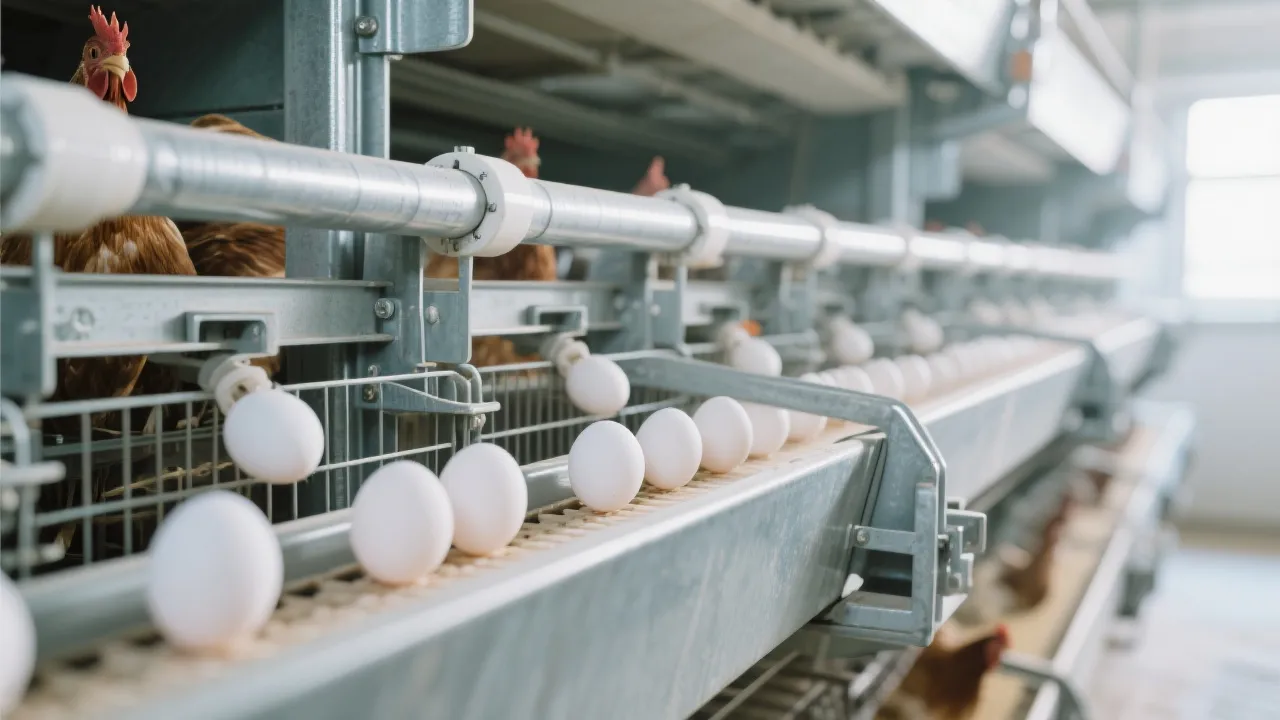
System design: stable tiers, safe access, and consistent feed/water distribution to reduce bird stress and improve uniformity.
Cleanability: surfaces and layouts that reduce residue retention and support routine sanitation.
Expandability: predictable modular expansion without re-engineering the whole house.
For farms aiming to scale, the real value is not only higher capacity—it's the ability to standardize operations. Standardization improves training, reduces errors, and makes production performance easier to diagnose.
3) How Multi-Tier Layout Increases Density—and Can Reduce Energy Waste
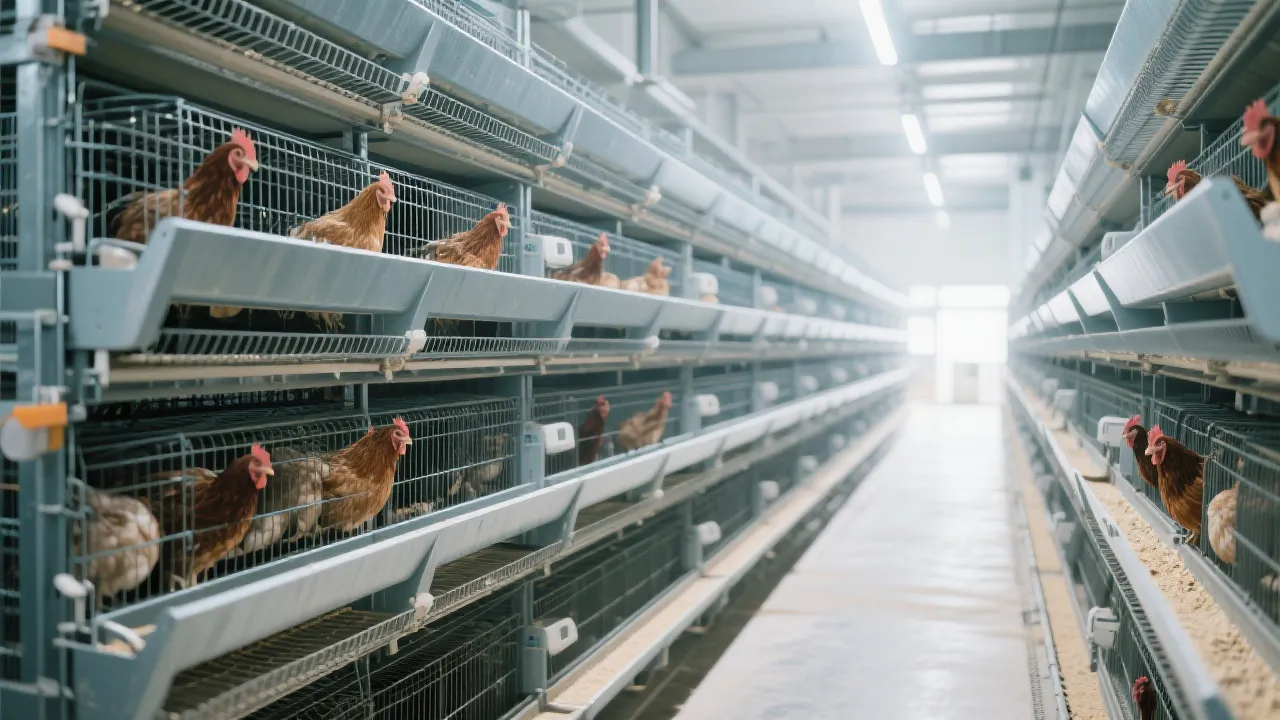
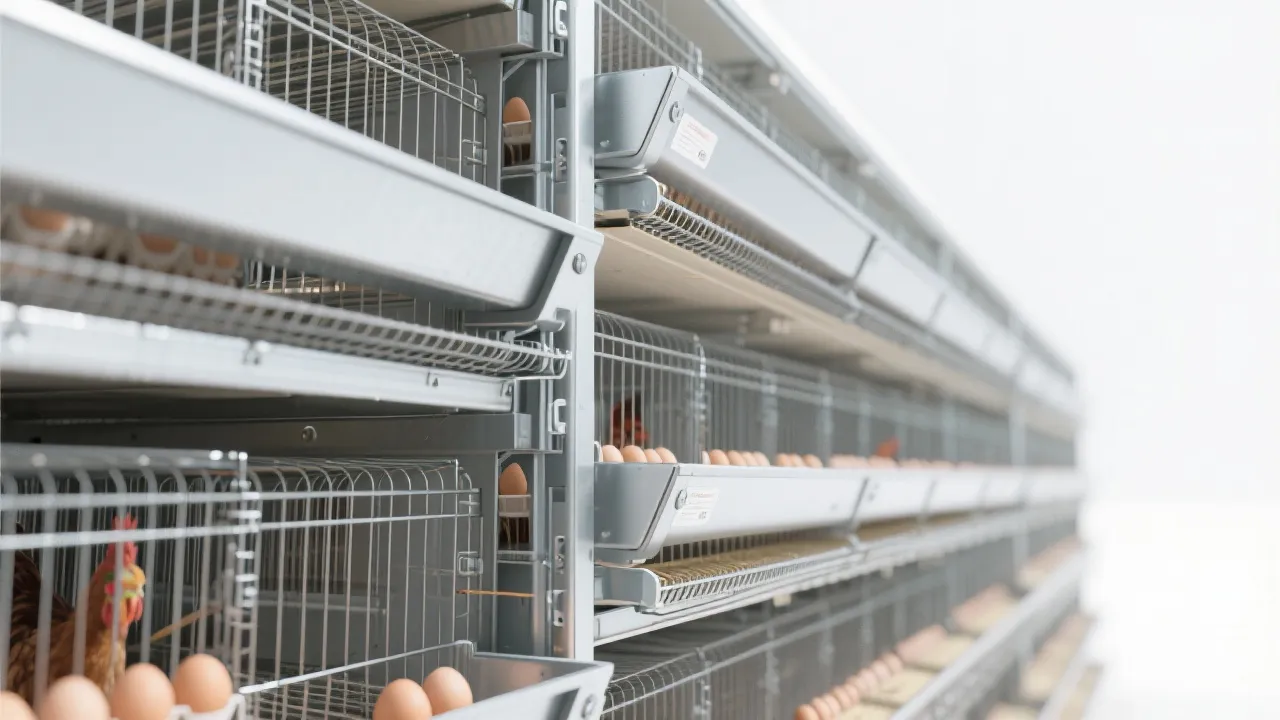
Multi-layer cages convert unused vertical space into usable production area. But density should never be pursued at the expense of air quality or temperature stability. The best-performing farms treat layout and ventilation as one integrated system.
Density uplift (where it really comes from)
Multi-tier systems typically increase capacity by using the building’s height, while keeping service lanes and equipment corridors organized. In many practical designs, farms can see a 1.5× to 3× increase in birds per building footprint versus single-level setups (the exact result depends on tier count, lane width, and local welfare requirements).
Energy logic (why “more birds” can mean “less energy per kg”)
When airflow is balanced and heat is retained effectively, higher stocking capacity can reduce energy per kg of live weight—because fixed losses (building heat leakage, baseline fan power) are shared across more output. In well-managed houses, farms often target a 5–15% reduction in energy intensity after optimizing ventilation control, lighting, and heat management.
Design principle: “Adopting an advanced multi-layer cage system can significantly improve stocking density and operational efficiency—an informed choice for modern broiler production.” The “significant” part becomes real only when layout supports uniform airflow, consistent feeding, and fast daily inspection.
| Optimization lever |
What to check |
Expected impact (reference) |
| Airflow zoning |
Dead zones, pressure balance, inlet placement |
Lower ammonia pockets; more uniform growth |
| Lighting control |
Lux consistency across tiers; dimming schedule |
Reduced stress; potential energy saving 3–8% |
| Feed/water uniformity |
Flow consistency; clogging risk; line height |
Improved FCR stability; fewer weak birds |
| Thermal stability |
Insulation, leakage, brooding zone control |
Lower heating waste; fewer early losses |
4) Case in Point: H-type broiler battery cages by Zhengzhou Livi Machinery Manufacturing Co., Ltd.
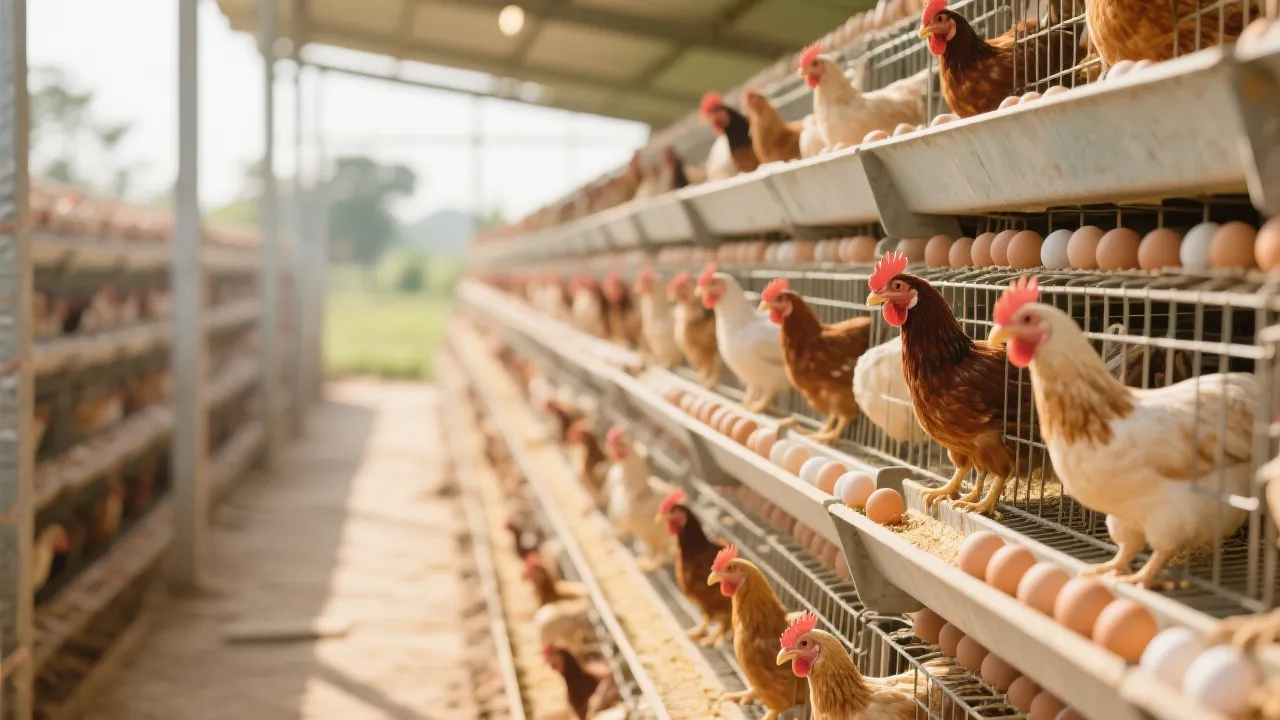
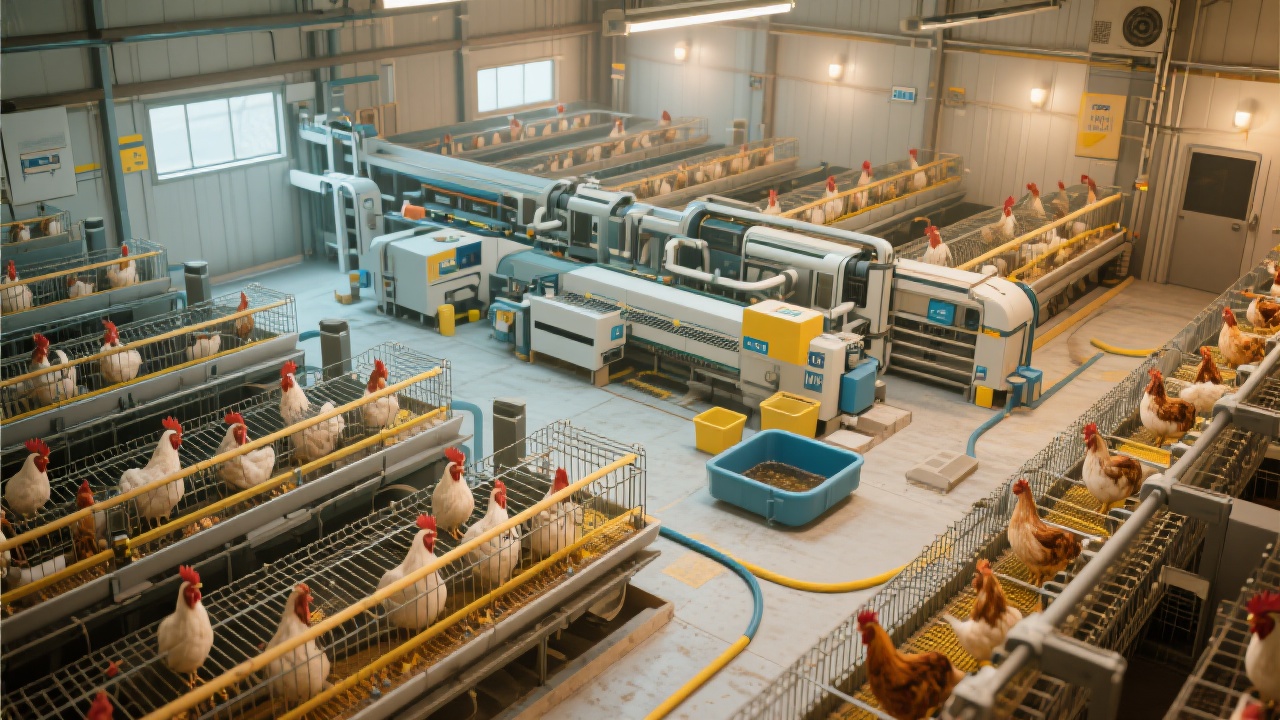
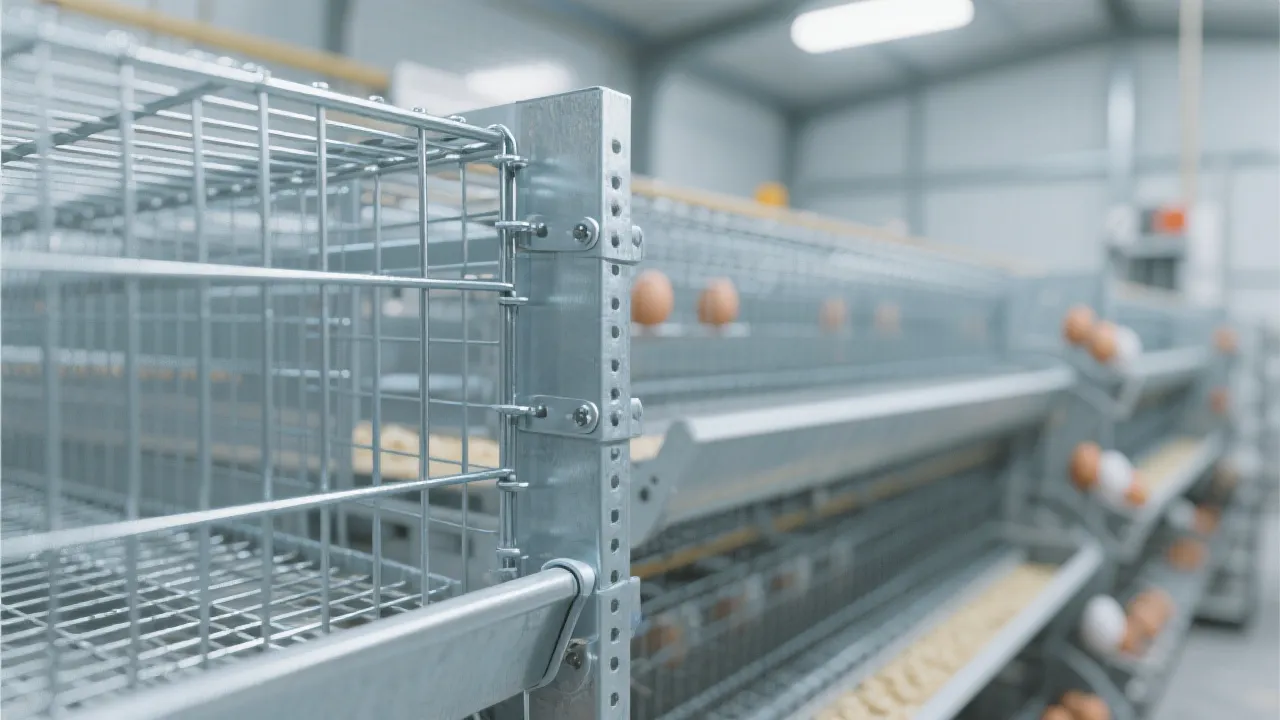
Zhengzhou Livi Machinery Manufacturing Co., Ltd. provides H-type broiler battery cage solutions designed for intensive production where structural stability and corrosion resistance are non-negotiable. In practical farm deployments, buyers typically focus on two long-term value drivers: service life and maintenance predictability.
Durability advantage: Q235 bridge steel
Using Q235 bridge steel supports stable load-bearing performance in multi-tier structures, helping reduce deformation risk over repeated production cycles. For farm owners, this translates into more consistent alignment, smoother operation, and less downtime linked to structural issues.
Anti-corrosion advantage: hot-dip galvanizing
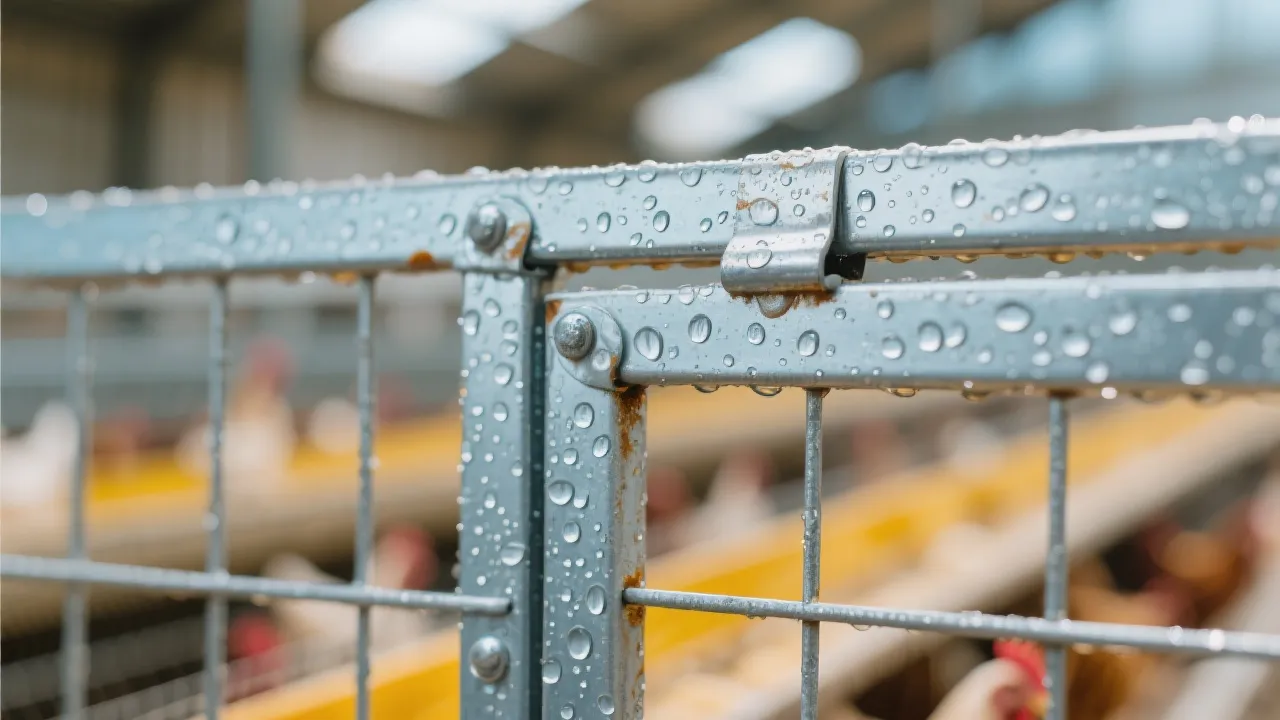
In broiler houses, corrosion is accelerated by moisture, cleaning routines, and ammonia. Hot-dip galvanizing forms a protective layer that helps slow rusting and extends usable life. Many farms consider this an investment in lower lifecycle maintenance rather than a one-time equipment choice.
What farms often report after upgrading (reference outcomes)
- More orderly daily checks due to standardized rows and tier logic
- Better batch uniformity when feed/water distribution is consistent across tiers
- Reduced “hidden costs” from frequent small repairs and premature corrosion
Note: Actual performance depends on local management, ventilation design, and stocking policy. The most reliable gains occur when equipment selection and house engineering are planned together.
5) Operating the System: Management Details That Protect Your ROI
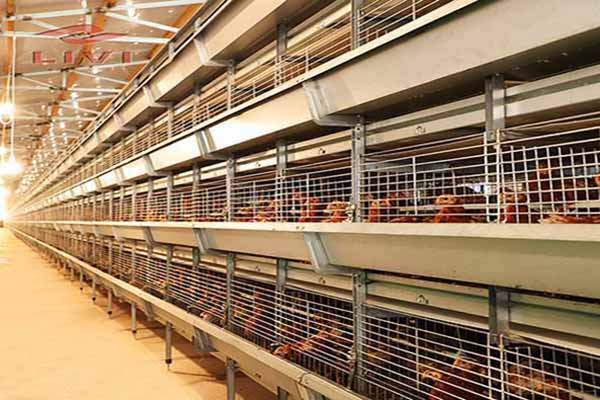
Even the best broiler farming equipment cannot compensate for weak operational discipline. High-efficiency farms build a repeatable routine that connects health checks, feeding optimization, and environment control into one daily “closed loop.”
Daily health inspection (what supervisors look for)
- Bird behavior: uneven distribution, panting, piling, or quiet corners can signal airflow or temperature issues.
- Litter/manure signals: abnormal wetness patterns can indicate drinker leakage or ventilation imbalance.
- Mortality mapping: cluster locations matter—patterns often reveal equipment or airflow problems before they become costly.
Feeding & water optimization (simple controls, big effect)
Maintaining uniform access is a practical way to protect batch consistency. Many farms use a weekly checklist to verify feed line delivery timing, feeder cleanliness, water pressure stability, and drinker height adjustments. Even small improvements can help reduce “tail-end” birds that drag overall performance.
Operator’s mindset: Multi-tier systems reward consistency. When inspection routes, response thresholds, and cleaning routines are standardized, performance becomes more predictable—exactly what integrators and long-term buyers want to see.
6) FAQ (Designed Around Real Buyer Questions)
Q1: Will higher density automatically increase ammonia and heat stress?
Not automatically. Higher density increases the need for precise ventilation and manure management. When airflow distribution, fan sizing, and inlet placement are engineered correctly, farms can maintain stable air quality. The “density problem” is usually a “control problem.”
Q2: Why do many farms prefer hot-dip galvanized cages for broilers?
Because intensive poultry houses are harsh environments. Hot-dip galvanizing helps resist corrosion from moisture, cleaning, and ammonia exposure, supporting longer service life and more stable maintenance planning.
Q3: What should a buyer prepare before requesting a cage system layout?
Building inner dimensions (length/width/height), column positions, local climate notes, power availability, water quality, target birds per cycle, and preferred workflow (feeding, manure handling, loading). With these inputs, suppliers can propose a more accurate multi-tier layout and equipment configuration.
Have a specific broiler house size or target output? Readers are encouraged to leave a question with their building dimensions and climate zone; practical layout suggestions and common configuration pitfalls can be discussed openly for mutual learning.
Get a Layout That Matches Your Farm Goals (Not a Generic Template)
When density, energy, and bird welfare must move in the same direction, the fastest progress comes from an engineered plan: tier count, row spacing, ventilation logic, and corrosion-resistant materials aligned from day one.
Request an H-Type Broiler Battery Cage Solution (Q235 Steel + Hot-Dip Galvanized)
Typical inquiry inputs: house dimensions, target birds/cycle, local climate, power supply, and preferred manure handling method.





.jpg?x-oss-process=image/resize,m_fill,h_800,w_800/format,webp)