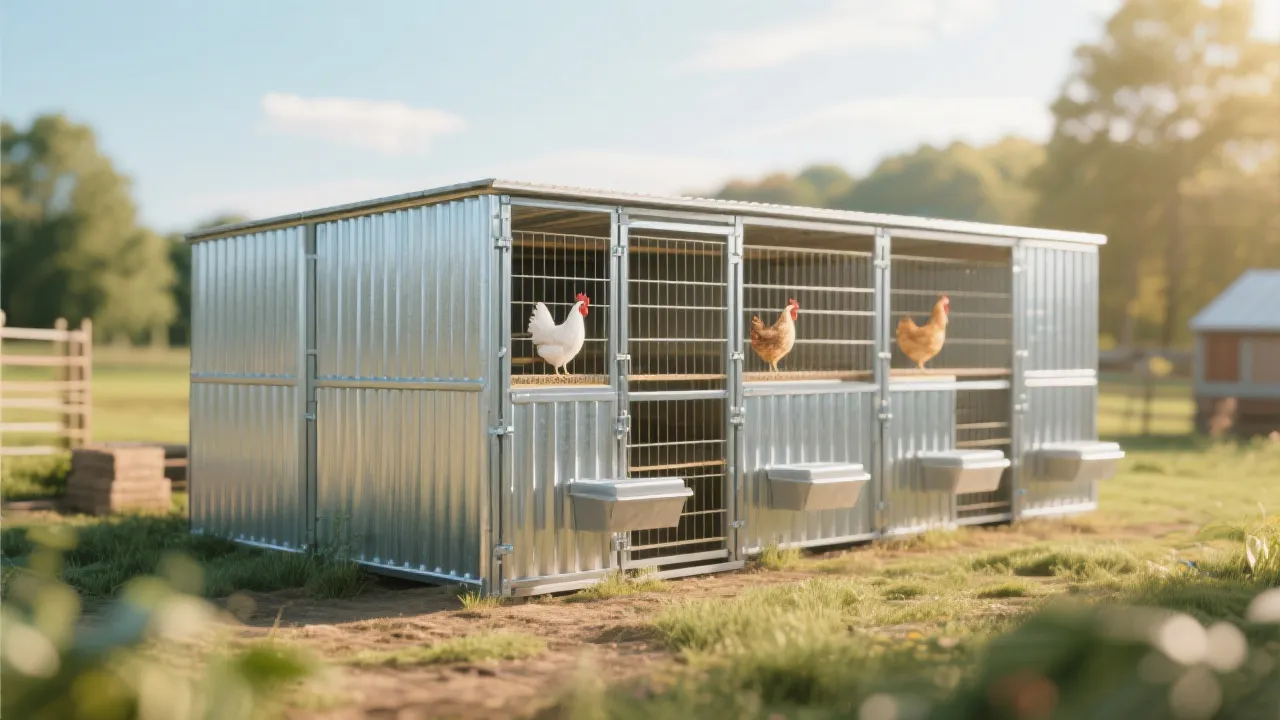
This article explains how multi-tier broiler cage design can boost efficiency for large-scale poultry farming operations, based on proven implementation scenarios from 10,000 to 50,000 broilers. It highlights the H-type broiler battery cage solution designed by Zhengzhou Livi Machinery Manufacturing Co., Ltd., focusing on practical outcomes such as improved space utilization, smoother daily management, and more standardized flock monitoring. Key design points include the use of Q235 steel and hot-dip galvanized anti-corrosion treatment to support long service life and stable performance in intensive production environments. The content also outlines typical system components and on-site support (delivery guidance and installation coordination), helping decision-makers evaluate a scalable, investment-protected housing approach during the consideration stage. Readers are invited to request a tailored farm layout and capacity plan to match local building conditions and production goals.
How Multi-Tier Chicken Cage Design Boosts Efficiency in Large-Scale Broiler Farming
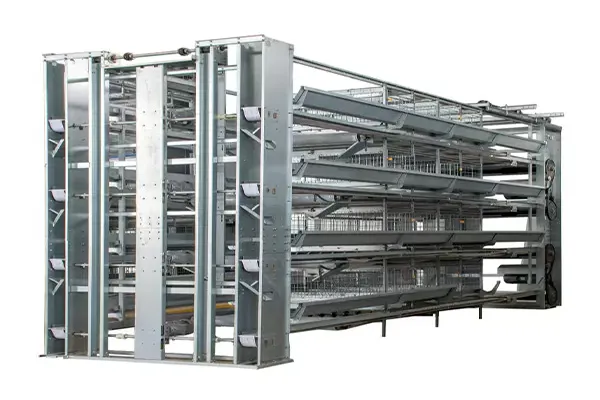
For many broiler producers, growth is not limited by demand—it’s limited by space, labor, and daily control. A well-engineered multi-tier system can turn the same building footprint into a higher-output, easier-to-manage operation. This article explains how the H-type broiler battery cage from Zhengzhou Livi Machinery Manufacturing Co., Ltd. supports scale-up scenarios—from 10,000 to 50,000 birds—using practical design logic, field-proven management advantages, and investment-focused material choices.
Best-fit for: commercial broiler farms, integrators, new project investors, and farm managers comparing deep-litter vs. multi-tier options in the consideration stage.
Why Multi-Tier Design Changes the Economics of Broiler Production
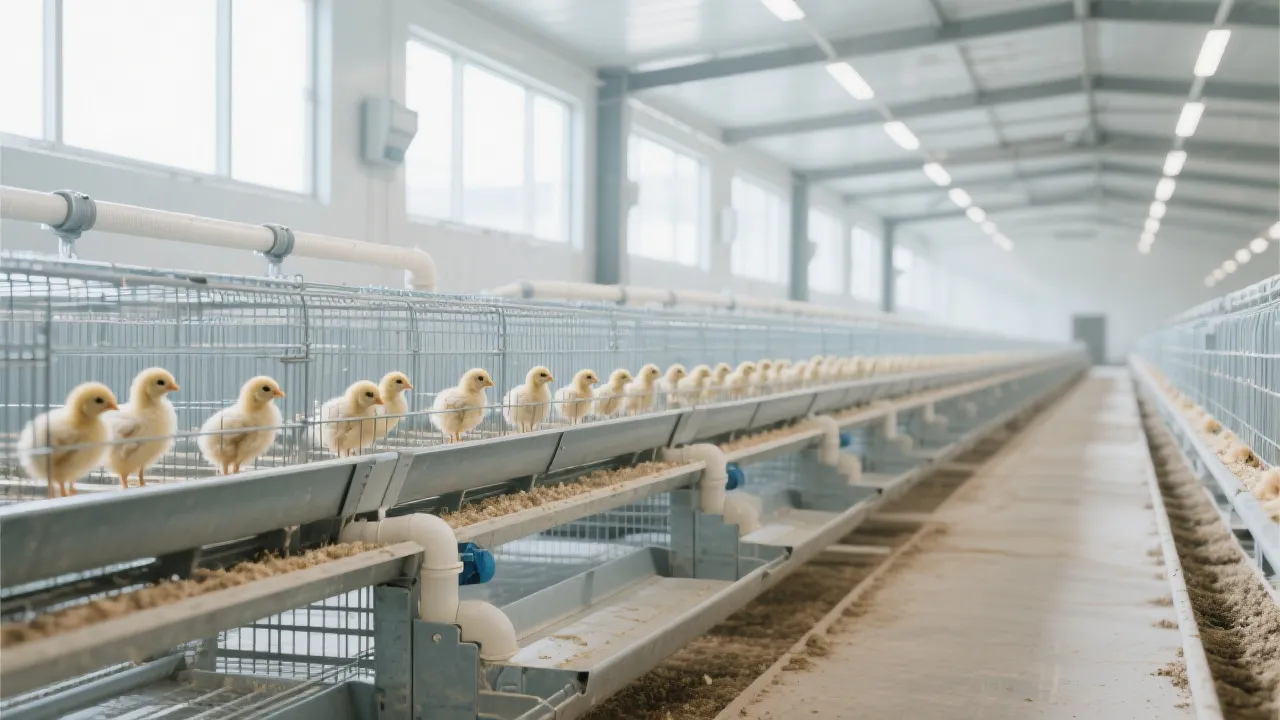
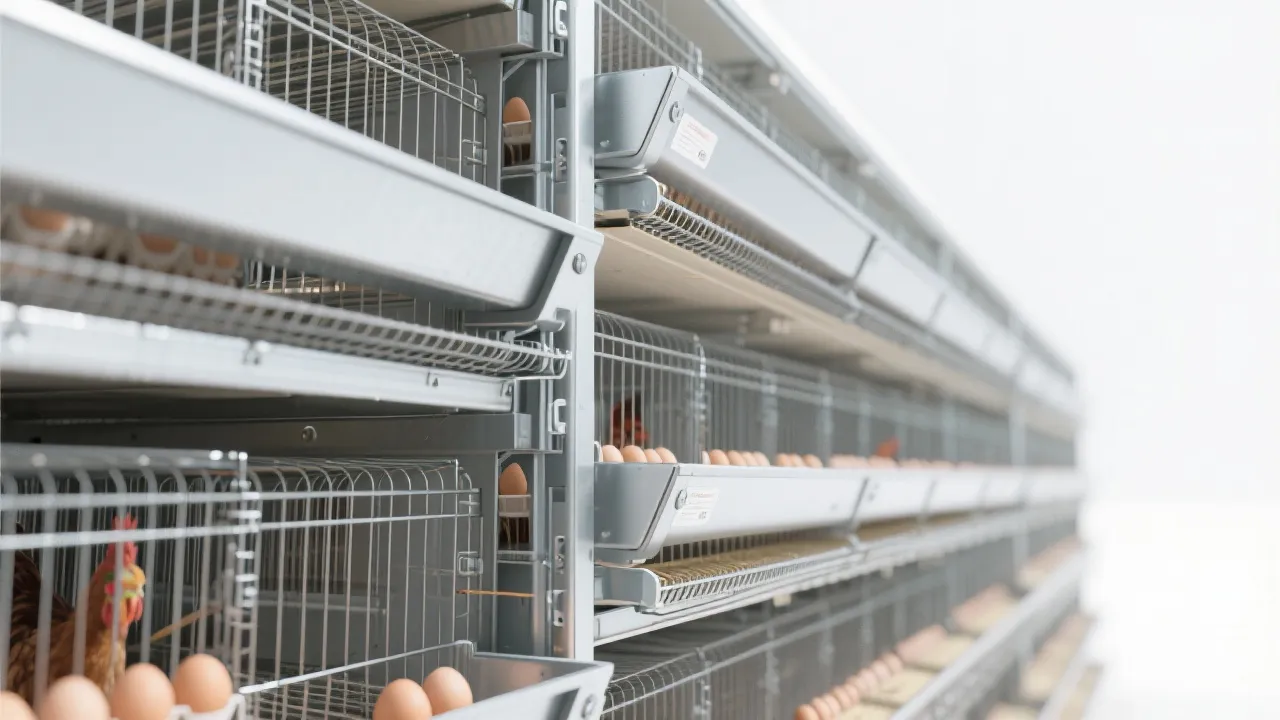
Multi-tier cage systems are not simply “stacking birds.” The value comes from capacity density plus standardized management. When tier height, manure handling, feeding lines, and inspection access are designed as one system, farms typically see measurable improvements in throughput and controllability.
Space Utilization
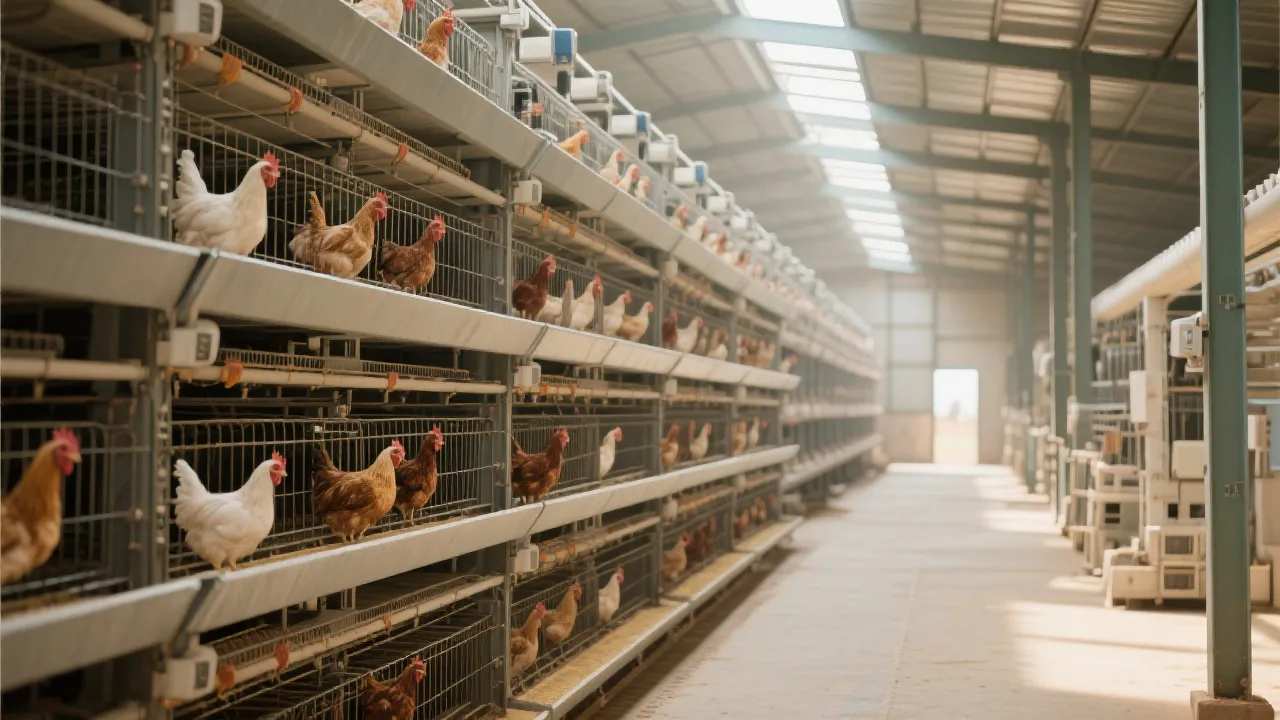
Typical projects report 2.5–4.0× more bird capacity per building footprint compared with floor rearing, depending on aisle width, ventilation design, and tier count.
Labor & Daily Control
Standardized lines and clearer inspection routes often reduce routine workload by 20–35%, especially in feeding checks, mortality removal, and flock observation.
Uniformity & Hygiene
Cleaner separation between birds and waste supports better litter-free management and more consistent flock monitoring—important for integrators and farms targeting stable performance across cycles.
The H-Type Broiler Battery Cage: Built for Scale, Not Just for First Use
In large-scale farming, the real cost is not the equipment purchase—it’s downtime, corrosion failure, and inconsistent operation over many cycles. That is why material selection and anti-corrosion processes directly affect the long-term ROI.
Material & Anti-Corrosion Logic (Practical, Not Over-Technical)
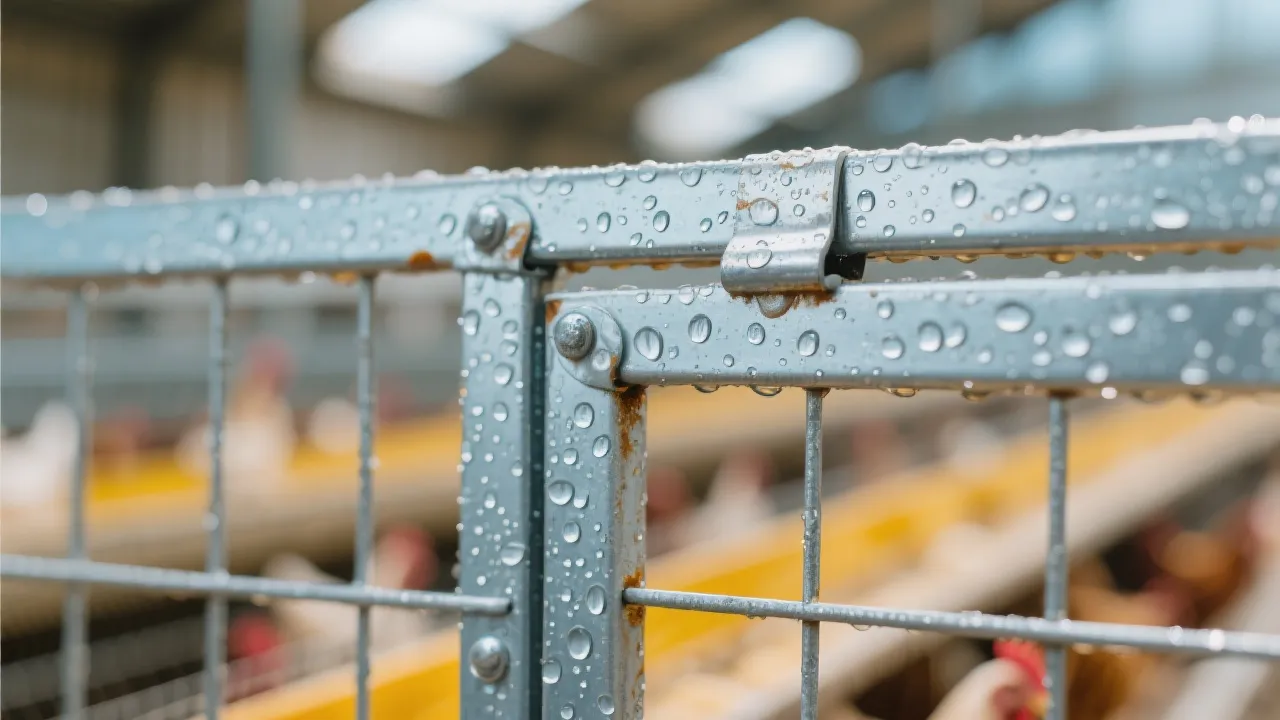
The system uses Q235 steel as a stable structural base, commonly used across industrial fabrication for its weldability and consistency. For farm environments with humidity and ammonia exposure, the cage structure is treated with hot-dip galvanizing, a proven method for corrosion resistance.
Design Element
Why It Matters in Broiler Houses
Typical Impact (Reference Range)
Q235 structural steel
Stable load-bearing for multi-tier stacking
Lower deformation risk under long-term use
Hot-dip galvanizing
Protection in high humidity / ammonia conditions
Commonly supports 15–20 years service life with good maintenance
H-type frame geometry
Better stability and organized maintenance corridors
Faster visual checks and smoother daily routine
Note: Service life depends on house ventilation, cleaning schedules, water line management, and local climate. The ranges above are practical references used in project planning.
Buyers in the consideration phase often ask one question: “Will this design still work when the farm grows?” Below are reference cases showing how multi-tier planning supports progressive scaling. The figures reflect typical outcomes seen in commercial operations using comparable building conditions and standardized management.
Daily Management Gets Easier When the System Is Designed for Humans
Efficiency is often lost in small moments: searching for issues, inconsistent feeding checks, hard-to-reach corners, or delayed responses to flock changes. Multi-tier broiler cage design improves output because it makes the right actions easier and the wrong actions harder.
Faster Health Screening
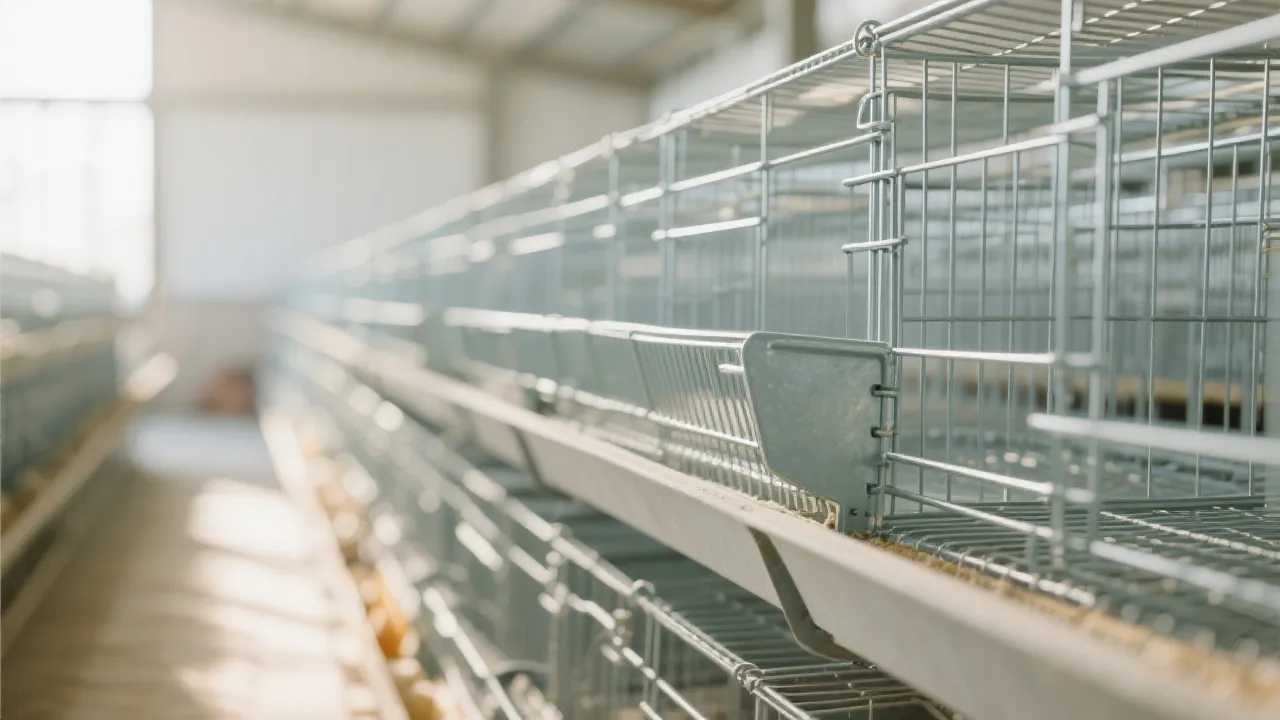
Straight lines and consistent cage modules support a predictable walk path. Many farms report 10–20 minutes saved per 10,000 birds per routine round, depending on house length and staffing.
More Consistent Feeding Checks
Multi-tier layouts reduce “hidden” areas where issues go unnoticed. Consistency helps maintain stable growth curves and simplifies record-keeping.
Cleaner Workflow
Better separation between birds and waste supports easier cleaning routines and supports biosecurity discipline—important for farms supplying processors and retailers.
Planning Checklist: What Buyers Should Confirm Before Selecting a Multi-Tier Cage System
A cage system is only as good as its match with the building and operating style. When evaluating a broiler farming solution, decision-makers usually align on the following points before signing:
Target capacity and expansion path: plan for the next scale step (e.g., 10k → 30k) so the layout does not “trap” future growth.
House width, aisle, and maintenance access: enough space for routine checks and equipment service, not just maximum stocking.
Ventilation compatibility: multi-tier heat distribution and airflow path should be considered during design, not after installation.
Corrosion strategy: hot-dip galvanized structure is typically preferred for long service life in demanding farm environments.
After-sales support: installation guidance, spare parts availability, and clear documentation reduce operational risk.
In many purchasing committees, the final decision often comes down to risk management: stable supply, predictable performance across cycles, and a system that the team can operate consistently.
What Support Looks Like in a Real Procurement Project
In international B2B trade, buyers typically want predictable delivery, clear installation steps, and straightforward communication—not complicated promises. For overseas farm projects, Zhengzhou Livi Machinery Manufacturing Co., Ltd. generally supports customers with:
Quotation Guidance (No Guesswork)
Equipment configuration is typically quoted by capacity, tier count, house layout, and accessory requirements (feeding/water lines, manure handling options, etc.).
Shipping & Packing Coordination
Export-oriented packing plans can be arranged to protect galvanized surfaces and simplify site counting and unloading.
Installation Support
Clear installation steps and remote/onsite coordination (depending on project) help reduce commissioning time and improve first-cycle readiness.
For buyers comparing multiple suppliers, asking for a layout recommendation and a configuration list is often the fastest way to determine whether a system is truly designed for large-scale broiler farming or just adapted from smaller setups.
Ready to Compare Layouts for 10k / 30k / 50k Broilers?
Get a tailored recommendation based on your house dimensions, target capacity, local climate, and management style. A clear plan now prevents costly redesign later.
Is multi-tier broiler caging suitable for hot and humid regions?
It can be, as long as ventilation is planned for the heat load across tiers. Many projects prioritize fan placement, inlet control, and inspection aisle width to keep airflow consistent.
How should buyers evaluate corrosion resistance for poultry houses?
Ask about the galvanizing process, expected service life under poultry-house conditions, and maintenance recommendations. Hot-dip galvanized structures are commonly selected for long-term projects.
Can farms expand later without replacing the whole system?
Expansion is easier when the initial plan includes an upgrade path (additional rows, more tiers, or new houses) and keeps maintenance access and worker routes consistent.









.jpg?x-oss-process=image/resize,m_fill,h_800,w_800/format,webp)