


How to Achieve Manure Resource Utilization in Poultry Farms Using ISO 14001 Standards
How to Achieve粪便资源化利用 in Poultry Farms Using ISO 14001 Standards
In today’s global agricultural landscape, poultry farms face mounting pressure to manage waste responsibly—not just for compliance but for long-term sustainability. With over 70% of EU and North American farms now adopting ISO 14001-based environmental management systems, integrating efficient manure handling into daily operations is no longer optional—it's strategic.
The Challenge: From Waste to Value
Traditional methods like open lagoons or manual removal not only pollute groundwater and emit methane (up to 200 kg CO₂-eq per ton of manure), but also violate emerging regulations such as the EU Farm to Fork Strategy. The solution? A systematic approach rooted in ISO 14001 principles—specifically, turning chicken manure from a liability into a resource.
“ISO 14001 isn’t just about paperwork—it’s about embedding environmental responsibility into operational DNA.” — Dr. Elena Martinez, FAO Environmental Consultant
H-Type Cage Systems: Automated Efficiency Meets Sustainability
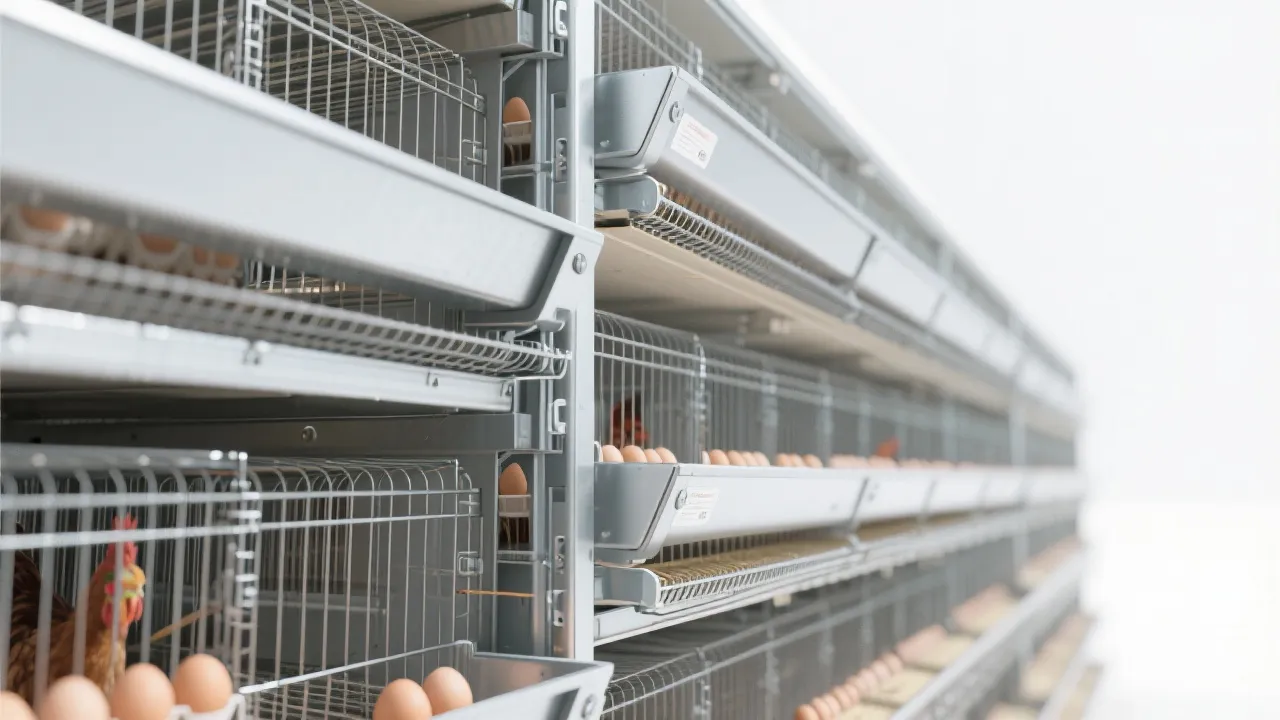
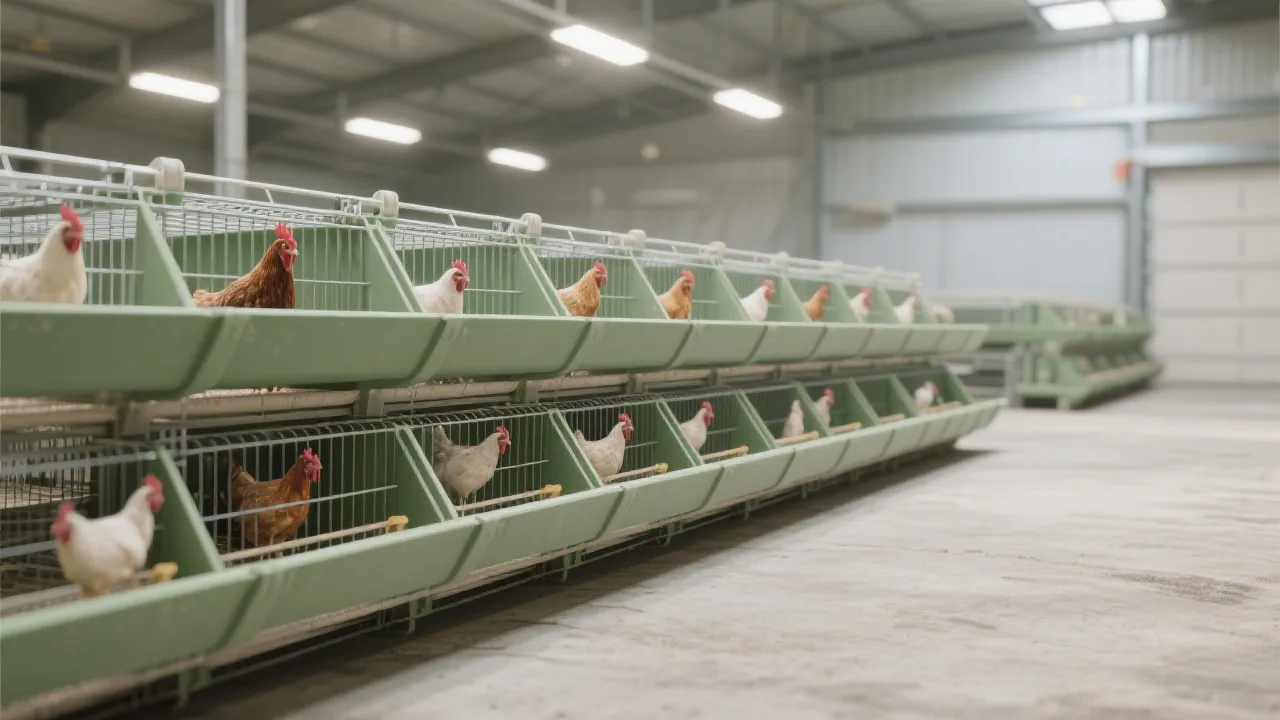
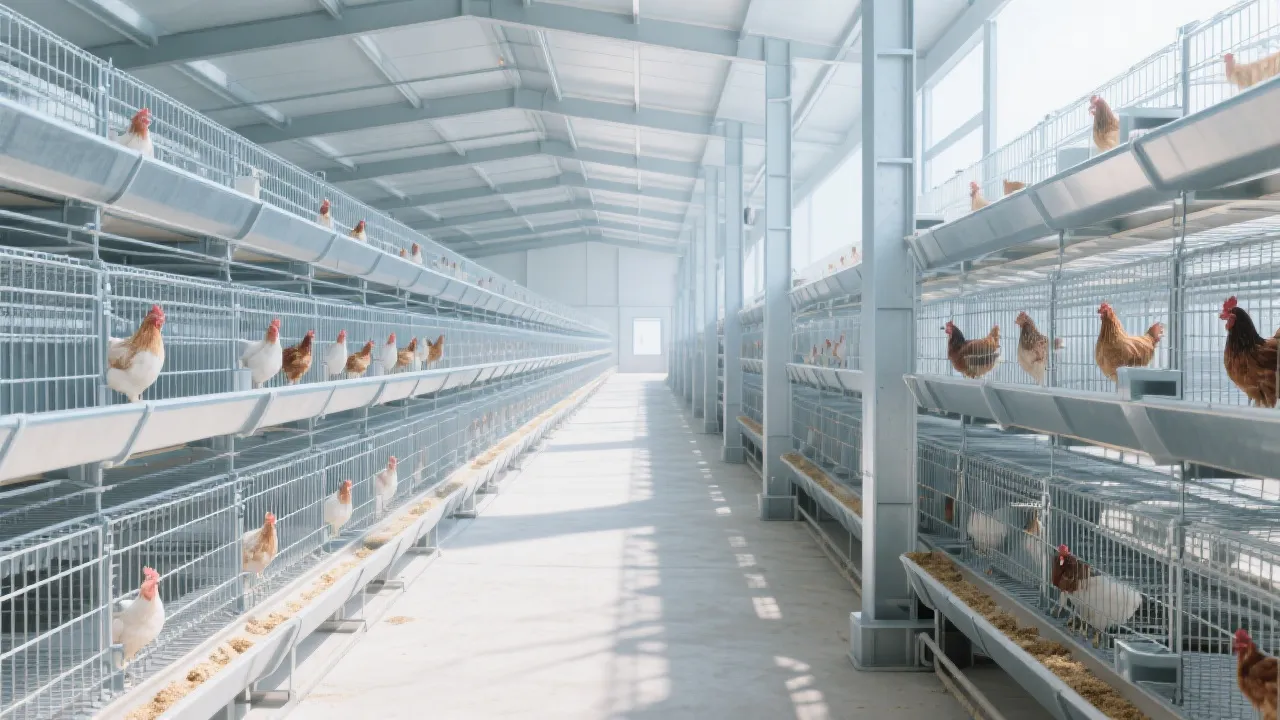
Modern H-type egg-laying cages equipped with mechanical scraping or spiral conveying systems reduce labor costs by up to 60% compared to traditional cleaning methods. For example:
| System Type | Energy Use (kWh/day) | Maintenance Frequency |
|---|---|---|
| Mechanical Scraping | ~15 kWh | Monthly |
| Spiral Conveying | ~10 kWh | Quarterly |
These systems integrate seamlessly with ventilation controls—reducing ammonia levels by up to 45% when timed correctly with air exchange cycles—a critical factor in both animal welfare and regulatory compliance.
From Waste to Energy: Practical Pathways
Under ISO 14001, farms must document their environmental impacts and set measurable goals. Here’s how to turn manure into value:
- • Anaerobic Digestion: Convert 1 ton of manure into ~20 m³ of biogas—enough to power a small farm for 3–4 days.
- • Composting: After 60–90 days, produce nutrient-rich fertilizer that can replace 30–50% of chemical inputs.
- • Carbon Credits: Farms using certified processes may earn $10–$30 per metric ton of CO₂ reduced under Verra or Gold Standard programs.
Real Impact: Case Study from a 50,000-Hen Facility in Spain
After implementing an automated scraper + anaerobic digester system aligned with ISO 14001, the farm reduced waste disposal costs by €18,000 annually and generated €7,500 in energy credits within two years.
Ready to Turn Manure Into Opportunity?
Explore our range of H-Type Egg Laying Cage Systems designed for seamless integration with eco-friendly waste solutions—engineered for efficiency, compliance, and profitability.
Get Customized Eco-Upgrade Advice


Hot Products

.jpg?x-oss-process=image/resize,m_fill,h_800,w_800/format,webp)


Popular articles



READY TO START?
Ready to Build Your Poultry Farm?
Tell us your land size, poultry type and farming capacity. LIVI will provide a complete farm solution for your project.