


H-Type Layer Cage System for Scalable, Fully Automatic Layer Farm Projects

What Is the H-Type Layer Cage System?
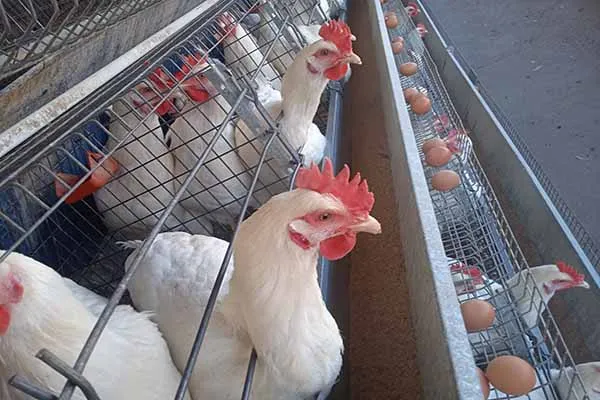
The H-Type Layer Cage System (also known as H-Type Layer Battery Cage or Fully Automatic Layer Cage System) is a multi-tier, vertically stacked cage solution designed for large-scale commercial egg-laying poultry farms. It integrates feeding, watering, egg collection, manure removal, ventilation, lighting, and environmental controls into a unified automated framework. Rather than being a standalone cage product, it forms a complete egg-layer facility system.
Who Should Consider H-Type vs. Who Should Not
Ideal for:
- Commercial farms with ≥ 20,000 layer hens;
- Operations with limited land area but vertical space;
- Farms facing high labor costs or labor shortages;
- Projects planning automation (feeding, cleaning, egg collection);
- Farms seeking uniform, centralized control across multiple houses;
- Producers planning future expansion or multi-house farms.
Less suitable when:
- Project size is small (e.g., under ~10,000 birds);
- Land area is abundant and flat, where A-Type or free-range is acceptable;
- Budget does not allow sufficient investment in automation or infrastructure;
- Electricity supply is unstable or very costly;
- Maintenance capabilities or trained staff are insufficient;
- Climate is difficult to ventilate or control (e.g., extreme heat/humidity) without advanced systems.
Key Features & Technical Specifications
The system includes cages with typical configurations such as:
| Configuration | Layers × Doors | Birds per Group |
|---|---|---|
| Standard 4-layer, 2-door | 4 × 2 | ≈ 144 birds |
| 4-layer, 4-door | 4 × 4 | ≈ 192 birds |
| 5-layer, 2-door (smaller breed) | 5 × 2 | ≈ 160–180 birds |
Cage body typically uses Q235 or Q235B steel with hot-dip galvanization. Reference lifespan under proper installation and maintenance: approximately 15-20 years.
Integrated Sub-systems:
- Automatic feeding, drinking (nipple or trough), & water filtration;
- Clean egg collection via roll-off belts or centralized egg-line;
- Manure removal via belts under each level plus longitudinal conveyance;
- Environmental control: ventilation (fans or EC-type), wet-pad cooling, insulation, lighting, sensors;
- Backup power & water supply where grid supply may be unstable;
- Control panels with alarms for temperature, humidity, power failure, equipment faults.
How Costs Are Determined
Purchasing an H-Type system involves many cost components beyond just the cage units. Key factors include:
- Land & buildings: poultry house size, height, structure quality;
- Cage units & materials: steel grade, galvanization, layer & door configuration;
- Automation systems: feeding, egg collection, manure removal, environmental controls;
- Infrastructure: electricity, water supply, backup generators;
- Transportation & import fees: packaging, shipping, customs, inland delivery;
- Installation & commissioning: site preparation, labor, testing, training;
- Running costs: feed, vaccines, labor, energy, maintenance, packaging.
Costs can vary widely depending on country, local construction/freight/energy prices, climate, and scale. Use ~20,000-bird projects as baseline for estimating per-unit investment; always request a detailed quote based on your specifications.
Design & Layout Considerations
- Floor space: account for cages, feed storage, service aisles, egg-packing, biosecurity zones;
- Ceiling height: to accommodate 4-5 layers plus clearance for cleaning and maintenance;
- Ventilation & climate control: sufficient fans and wet pads in hot/humid areas; insulation & minimal heat loss in cold zones;
- Electrical & water supply: stable power; backup generator; clean water systems;
- Egg & manure flow paths: ensure slopes, belts properly aligned, avoid manual bottlenecks;
- Local regulations & welfare: check bird density, lighting hours, environmental emissions;
- Staff training & maintenance plan: scheduled inspections of motors, chains, belts, drinkers, sensors;
- Incremental planning: allow for future expansion, modular additions, spare capacity.
Transport, Installation & After-Sales
Major steps:
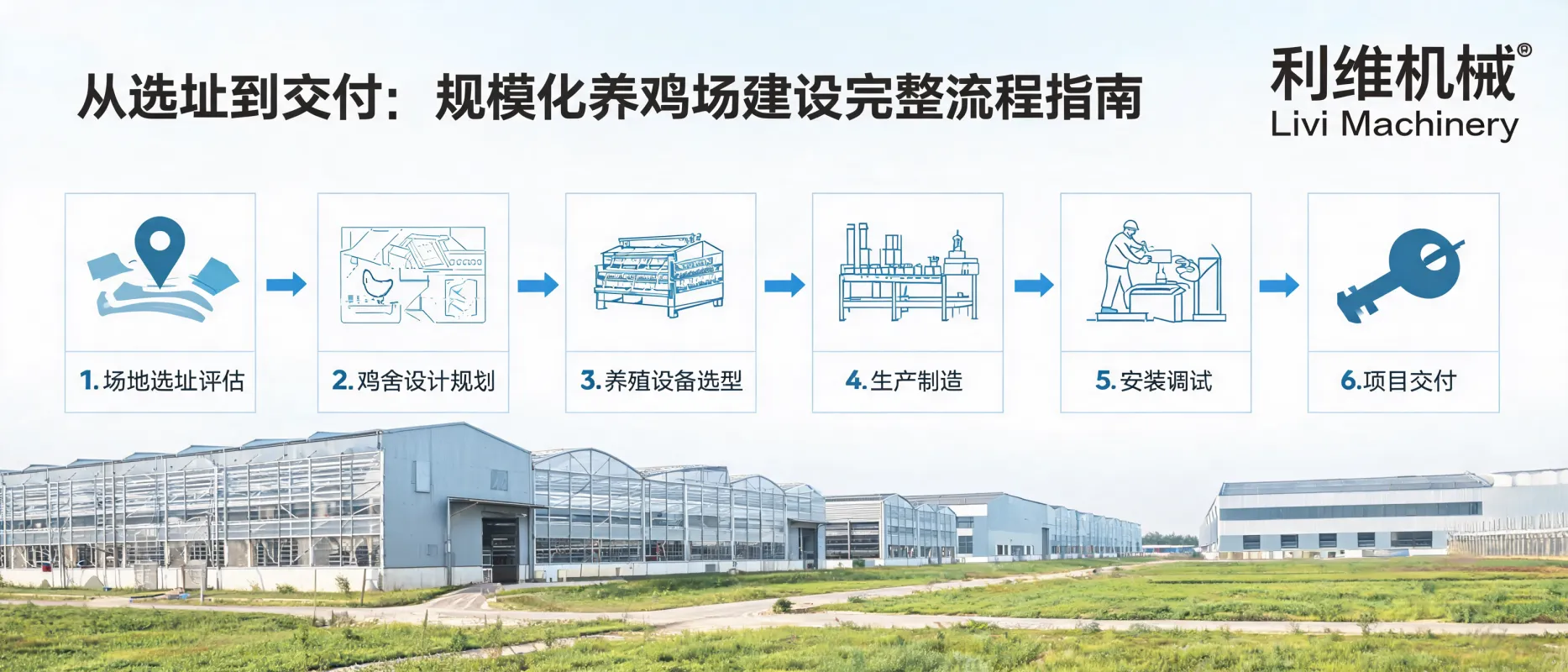
- Confirm equipment list & drawings;
- Package & containerize based on volume & weight;
- Export documents, sea freight, customs clearance, inland transport;
- On-site preparation: foundation, power, water, floor, storage for parts;
- Install cages, feed lines, water lines, egg belts, manure belts, electrical systems;
- Test systems under no-load and then with birds; train your staff;
- Set up maintenance schedule: check bolts, motors, bearings, belts, sensors;
- Ensure spare parts & responsive support from supplier.
Illustrative Case Study
Location: Country X (tropical climate).
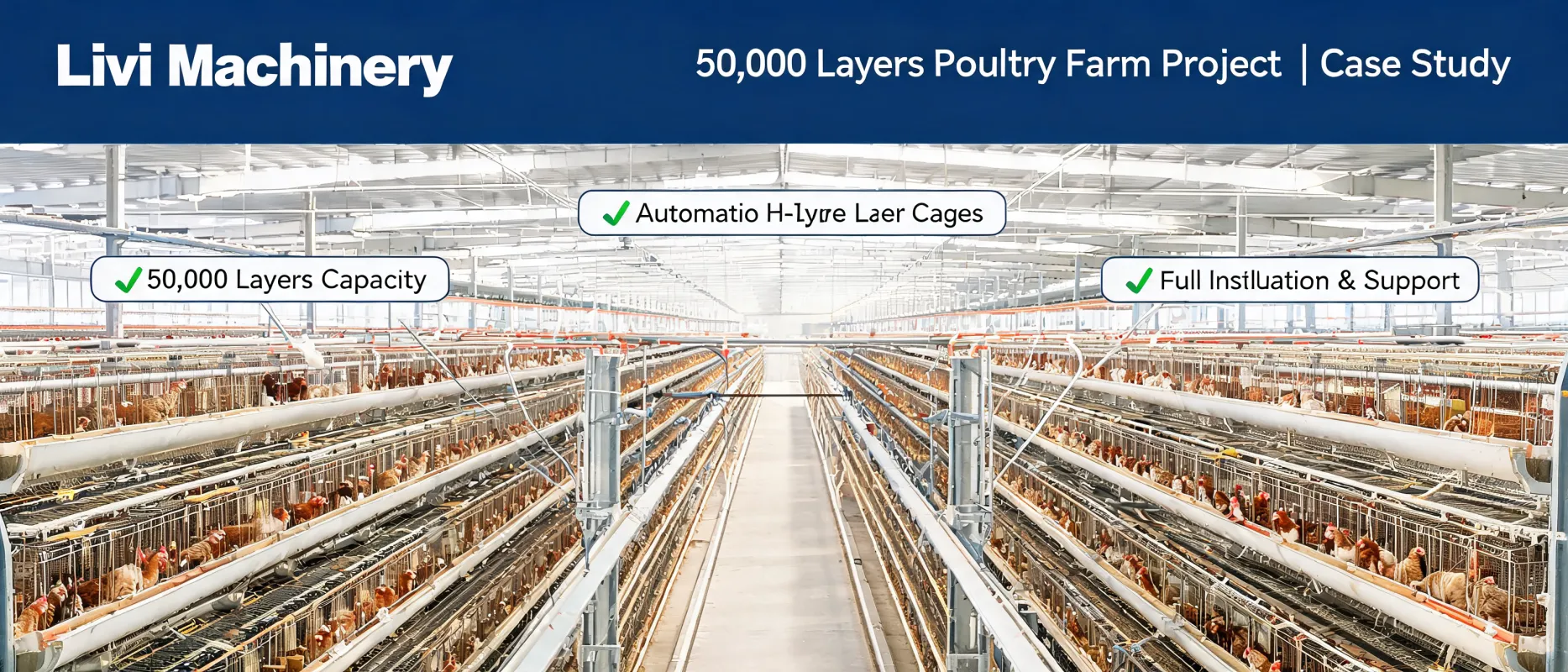
Project Scale: 50,000 layer hens.
Existing Challenges: limited land footprint, high labor costs, inconsistent egg collection, heat stress.
Solution by Livi Machinery: An H-Type system with 4 layers × 2 doors per group, automatic feeding & drinking, belt manure removal, central egg collection, wet-pad cooling, EC fans, backup generator.
Result Snapshot: improved space utilization (doubling birds per square meter compared to their previous A-Type), reduced manual labor by ~60%, better air quality, more uniform egg size. (Note: these reflect manufacturer data and estimates; actual results depend on management, feed, climate.)
Procurement Checklist & Best Practices
- Provide your country, city, climate, number of birds, cage height, width, layers, doors;
- Specify what level of automation you need (feeding, egg collection, manure handling, environment control);
- Ask for layout drawings and cage-group equipment list; materials & zinc coating details;
- Request production capacity data, packaging & shipping plans, installation support, spare parts;
- Discuss warranty, service agreements, training for staff;
- Check power supply reliability; plan for backups;
- Compute total investment including infrastructure and running costs;
- Consider whether expanding in phases is advantageous.
Frequently Asked Questions (FAQ)
Q: What is required in floor area per bird?
A: It depends on cage configuration, layers, walkways & service aisles. H-Type uses vertical space so ground area per bird is lower than A-Type for same bird number. Include space for feeding, egg storage, manure handling in your calculation.
Q: How much more does H-Type cost vs. A-Type?
A: Initial cost is higher due to greater cage structure, more automation, stronger infrastructure. But operating labor & collection efficiencies may offset this over time—return depends on local wages, energy costs, and scale.
Q: What happens in hot or humid climates?
A: You must ensure sufficient ventilation (fan count / EC fans), wet-pad or evaporative cooling, insulation, shade, and use of dehumidification or airflow design. Excess humidity can worsen if wet pads are overused without ventilation relief.
Q: How long does the equipment last?
A: With good installation, maintenance, and correct use, lifespan is approximately 15-20 years for the cage body. Other systems (motors, belts, sensors) require more frequent maintenance or replacement.
Next Steps: Get a Custom Design & Quote
To prepare a project plan tailored to your farm, please provide:
- Your country & city (to assess climate & logistics);
- Total number of layer hens you intend to raise;
- Dimensions of prospective chicken houses: length, width, height;
- Desired automation level (feeding, collection, manure, environment);
- Any future expansion plans or phasing.
After receiving these details, our technical team will provide you with a detailed poultry house layout, equipment configuration list, shipping/freight estimate, and project quotation.


Hot Products

.jpg?x-oss-process=image/resize,m_fill,h_800,w_800/format,webp)


Popular articles


READY TO START?
Ready to Build Your Poultry Farm?
Tell us your land size, poultry type and farming capacity. LIVI will provide a complete farm solution for your project.